Thoracic outlet syndrome is a complex condition involving the space between the neck and shoulder.
This area contains nerves, arteries, and veins that serve the arm and hand.
The thoracic outlet is not a single structure.
It is a functional passageway formed by bones, muscles, and connective tissue.
When this space changes shape, symptoms may appear.
Patients often report arm numbness, neck tension, and shoulder discomfort.
In my clinical experience, thoracic outlet syndrome is frequently misunderstood.
Many individuals describe seeing multiple providers without clear answers.
One reason is that thoracic outlet syndrome does not follow a single pattern.
Symptoms can vary based on posture, movement, and tissue response.
The brachial plexus passes through this region.
So do the subclavian artery and subclavian vein.
Small mechanical changes can influence these structures.
This is why symptoms may come and go.
Many patients begin by searching online.
Common searches include thoracic outlet syndrome specialist and related phrases.
Others look for the best doctor for thoracic outlet syndrome after failed attempts elsewhere.
This reflects frustration rather than severity alone.
Some type TOS expert near me hoping to find someone familiar with the condition.
The wording shows a desire for experience, not just credentials.
Another frequent search is who treats thoracic outlet syndrome.
This highlights confusion about which profession evaluates TOS.
Patients often seek a thoracic outlet syndrome second opinion.
This usually follows inconclusive imaging or inconsistent explanations.
Trust becomes central during this phase.
People want a doctor who understands thoracic outlet syndrome.
Many attempt to find thoracic outlet specialist services regionally.
Geography can limit access to focused evaluation.
A detailed TOS specialist evaluation looks beyond symptoms alone.
It considers posture, movement, and tissue behavior.
Some patients search for the best treatment center for TOS.
They associate centers with coordinated assessment.
Online forums often include the phrase who actually understands TOS.
This reflects lived experience more than diagnosis.
Others use the term thoracic outlet syndrome doctor.
This broad phrase captures uncertainty about specialty roles.
Arm symptoms lead many to a specialist for arm nerve pain.
However, nerve pain may not originate in the arm itself.
Patients often ask for the best specialist for TOS.
This usually means someone who listens and explains clearly.
Because nerves are involved, searches include nerve compression specialist.
Compression patterns vary with movement and load.
Shoulder symptoms drive interest in a shoulder nerve pain specialist.
Yet shoulder pain can originate proximally.
When swelling or color changes appear, patients seek a vascular thoracic outlet specialist.
Vascular presentations differ from neurologic patterns.
Some consult a neurologist for arm nerve pain.
Neurologic exams may be normal at rest.
Patients compare orthopedic vs vascular TOS specialist approaches.
Each focuses on different structures within the same space.
Many continue searching for a TOS diagnosis specialist.
Diagnosis often depends on pattern recognition over time.
Location-based searches like where to go for TOS are common.
They show uncertainty about entry points to care.
Some look for a TOS clinic near me.
Clinics suggest structured evaluation rather than single visits.
Persistent symptoms prompt requests for a second opinion arm pain review.
This reflects unresolved functional limitation.
Others search for the best care for thoracic outlet syndrome.
Care is often defined by understanding, not intervention.
Chronic symptoms lead to searches for a doctor for chronic arm pain.
Chronicity changes tissue behavior and perception.
Unclear imaging results drive interest in a specialist for unexplained arm pain.
Symptoms may not correlate with static tests.
Some seek an expert in thoracic outlet syndrome.
Expertise often means familiarity with variability.
Evaluation-focused searches include TOS evaluation center.
Centers may integrate multiple examination methods.
Advanced cases prompt interest in an advanced TOS treatment center.
The word advanced often reflects duration, not severity.
Many patients benefit from a thoracic outlet syndrome care team approach.
Teams allow multiple perspectives on the same anatomy.
Numbness specifically leads to searches for the best doctor for arm numbness.
Numbness may change with posture and breathing.
Thoracic outlet syndrome is often discussed as rare.
In practice, its features overlap with common complaints.
Posture plays a significant role.
Head position alters tension across the outlet.
Scalene muscle tone influences space.
So does clavicular motion during arm elevation.
Breathing mechanics affect rib position.
This can influence vascular flow.
Imaging may appear normal.
Dynamic function is harder to capture.
Provocative testing assesses symptom reproduction.
These tests must be interpreted cautiously.
Electrodiagnostic studies may be inconclusive.
They often assess resting nerve function.
Patients frequently describe symptom fluctuation.
Activity level and stress can modify perception.
A history of trauma is common.
Sports injuries and repetitive strain are often reported.
In my clinical experience, long diagnostic journeys are typical.
Education becomes a key part of the process.
Understanding anatomy helps patients contextualize symptoms.
It reduces uncertainty and fear.
Thoracic outlet syndrome is not one condition.
It is a descriptive term for a region-based pattern.
Care discussions often include conservative options.
These are framed as educational and exploratory.
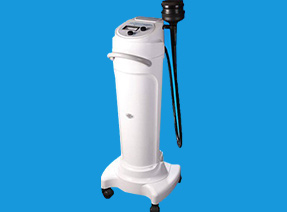
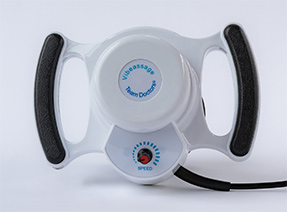
Some patients explore tools like Vibeassage®.
Others consider Vibeassage® Sport or Vibeassage® Pro.
These tools may include the TDX3 soft-as-the-hand Biomimetic Applicator Pad.
They are discussed in an educational context.
Team Doctors® emphasizes understanding biomechanics.
Education focuses on movement and observation.
Patients often value explanations over labels.
Clear language supports informed decisions.
The goal of evaluation is clarity.
Clarity helps patients navigate options.
Thoracic outlet syndrome remains challenging.
Its variability requires patience and careful listening.
Team Doctors Resources
✓ Check out the Team Doctors Recovery Tools
The Vibeassage Sport and the Vibeassage Pro featuring the TDX3 soft-as-the-hand Biomimetic Applicator Pad
https://www.teamdoctors.com/
✓ Get Dr. Stoxen’s #1 International Bestselling Books
Learn how to understand, examine, and reverse your TOS—without surgery.
https://drstoxen.com/1-international-best-selling-author/
✓ Check out Team Doctors Online Courses
Step-by-step video lessons, demonstrations, and self-treatment strategies.
https://teamdoctorsacademy.com/
✓ Schedule a Free Phone Consultation With Dr. Stoxen
Speak directly with him so he can review your case and guide you on your next steps.
https://drstoxen.com/appointment/
#thoracicoutletsyndrome #TOS #armnumbness #nervecompression #shoulderpain #vascularcompression #brachialplexus #posturemechanics #chronicarmpain #neckshoulderpain #sportsinjury #clinicalbiomechanics #movementassessment #diagnosticchallenges #patienteducation #musculoskeletalhealth #neurologicalsymptoms #vascularsymptoms #sportsmedicine #teamdoctors
References
Sanders, Richard J., and Neal M. Pearce. “Thoracic Outlet Syndrome: A Review.” Neurologic Clinics 31, no. 2 (2013): 523–536. https://doi.org/10.1016/j.ncl.2013.02.005
Illig, Karl A., et al. “Thoracic Outlet Syndrome.” Journal of Vascular Surgery 64, no. 3 (2016): e23–e35. https://doi.org/10.1016/j.jvs.2016.04.039
Roos, David B. “Thoracic Outlet Syndrome Is Underdiagnosed.” Muscle & Nerve 19, no. 7 (1996): 837–840. https://doi.org/10.1002/(SICI)1097-4598(199607)19:7<837::AID-MUS1>3.0.CO;2-3
Huang, James H., et al. “Thoracic Outlet Syndrome.” Neurosurgery 55, no. 4 (2004): 897–903. https://doi.org/10.1227/01.NEU.0000137339.55228.2E

Dr James Stoxen DC., FSSEMM (hon) He is the president of Team Doctors®, Treatment and Training Center Chicago, one of the most recognized treatment centers in the world.
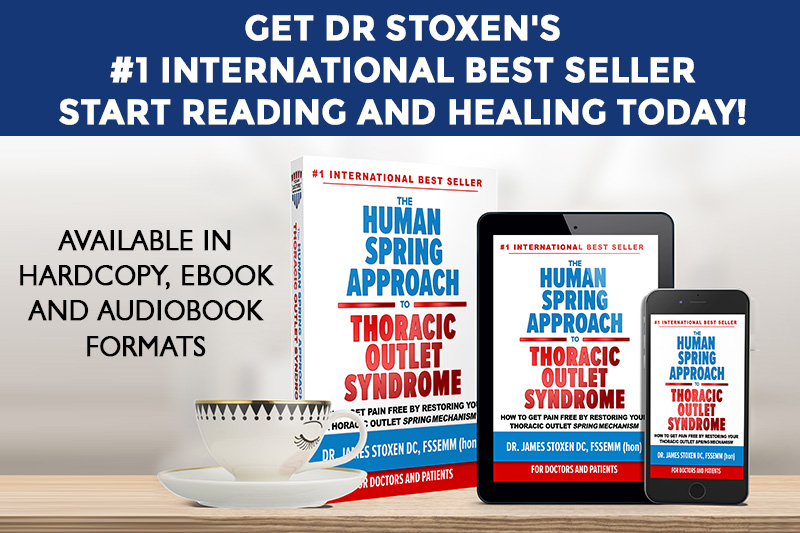
Dr Stoxen is a #1 International Bestselling Author of the book, The Human Spring Approach to Thoracic Outlet Syndrome. He has lectured at more than 20 medical conferences on his Human Spring Approach to Thoracic Outlet Syndrome and asked to publish his research on this approach to treating thoracic outlet syndrome in over 30 peer review medical journals.
He has been asked to submit his other research on the human spring approach to treatment, training and prevention in over 150 peer review medical journals. He serves as the Editor-in-Chief, Journal of Orthopedic Science and Research, Executive Editor or the Journal of Trauma and Acute Care, Chief Editor, Advances in Orthopedics and Sports Medicine Journal and editorial board for over 35 peer review medical journals.
He is a much sought-after speaker. He has given over 1000 live presentations and lectured at over 70 medical conferences to over 50,000 doctors in more than 20 countries. He has been invited to speak at over 300 medical conferences which includes invitations as the keynote speaker at over 50 medical conferences.
After his groundbreaking lecture on the Integrated Spring-Mass Model at the World Congress of Sports and Exercise Medicine he was presented with an Honorary Fellowship Award by a member of the royal family, the Sultan of Pahang, for his distinguished research and contributions to the advancement of Sports and Exercise Medicine on an International level. He was inducted into the National Fitness Hall of Fame in 2008 and the Personal Trainers Hall of Fame in 2012.
Dr Stoxen has a big reputation in the entertainment industry working as a doctor for over 150 tours of elite entertainers, caring for over 1000 top celebrity entertainers and their handlers. Anthony Field or the popular children’s entertainment group, The Wiggles, wrote a book, How I Got My Wiggle Back detailing his struggles with chronic pain and clinical depression he struggled with for years. Dr Stoxen is proud to be able to assist him.
Full Bio) Dr Stoxen can be reached directly at teamdoctors@aol.com