Inflammation Mapping: The Starting Point for Understanding TOS
Inflammation mapping is the foundational concept for understanding how Thoracic Outlet Syndrome symptoms develop and persist.
It refers to observing where inflammatory stress accumulates in the body and how those locations correspond to predictable patterns of muscle guarding.
In my clinical experience, inflammation does not appear randomly or in isolation.
It follows repeatable anatomical, biomechanical, and neurological pathways.
Inflammation mapping focuses on identifying regions of sustained inflammatory signaling rather than chasing isolated pain locations.
Pain often appears late and does not reliably identify the true source of dysfunction.
Many individuals describe discomfort in areas distant from the original inflammatory trigger.
This occurs because the nervous system responds globally rather than locally.
When inflammation is mapped across muscle groups, consistent zones of protective contraction become visible.
These zones frequently surround anatomical tunnels designed for safe neurovascular passage.
The thoracic outlet consistently emerges as a high-risk zone during inflammation mapping.
It sits at the intersection of cervical load, shoulder demand, and upper extremity use.
Inflammation mapping explains why symptoms migrate rather than remain fixed.
The inflammatory trigger may remain constant while protective muscle patterns shift.
This approach clarifies why imaging findings often fail to correlate with symptom severity.
Inflammation is physiological and functional, not always structural.
Understanding inflammation mapping provides the framework for all education that follows.
Without it, Thoracic Outlet Syndrome is reduced to anatomy instead of system behavior.
Thoracic Outlet Syndrome is often described as a structural or postural condition.
In educational settings, it is more accurate to view it as a functional response to inflammatory signaling.
In my clinical experience, individuals describing Thoracic Outlet Syndrome symptoms often focus on pain as the starting point.
However, many individuals describe stiffness, heaviness, numbness, or weakness before pain becomes dominant.
This observation raises an important question.
What signal does the nervous system respond to first?
Inflammation inside muscle tissue appears to be the primary trigger.
Pain is frequently a downstream consequence.
Understanding thoracic outlet syndrome program concepts begins with recognizing how the brain interprets inflammation.
The nervous system is designed to protect tissue, not analyze symptoms.
When inflammation develops within muscle fibers, chemical mediators activate sensory receptors.
These receptors send signals to the central nervous system indicating tissue stress.
The brain responds automatically by increasing muscle tone.
This response is involuntary and occurs below conscious awareness.
Many individuals describe this as sudden tightness or loss of motion.
This response represents protection, not damage.
In discussions about understanding thoracic outlet syndrome, this reflexive response is often misunderstood.
Pain is assumed to be the trigger rather than the result.
As inflammation dissipates, protective muscle contraction often decreases.
Stiffness and discomfort may lessen without direct intervention.
This explains why symptoms fluctuate throughout the day.
Inflammatory load changes with activity, posture, and recovery.
When inflammation becomes chronic, muscle guarding may remain active.
This alters the mechanical environment around nerves and blood vessels.
The thoracic outlet relies on adaptable muscle tone to maintain space.
Prolonged contraction reduces that space.
Compression becomes a secondary consequence rather than the initiating cause.
This distinction is critical for education.
Individuals exploring thoracic outlet syndrome guide materials often search for structural explanations.
Anatomy alone does not explain fluctuating symptoms.
Neurovascular compression can occur without clear structural narrowing.
Functional compression explains inconsistent imaging results.
In my clinical experience, patients often report symptoms during sustained postures.
Static positions increase inflammatory stress and muscular demand.
The brain prioritizes protection over movement efficiency.
It increases muscle tone to stabilize perceived threat.
This mechanism is not unique to the thoracic outlet.
Similar patterns are observed in spinal and carpal tunnel regions.
Educational models such as thoracic outlet education emphasize pattern recognition.
Patterns reveal system-level behavior rather than isolated pathology.
Inflammation-driven muscle guarding narrows passageways designed to remain open.
Over time, this protective strategy becomes maladaptive.
Many individuals describe fatigue or heaviness rather than sharp pain.
These symptoms reflect altered neural and vascular signaling.
In discussions about thoracic outlet syndrome help, it is essential to clarify expectations.
Education focuses on understanding mechanisms, not outcomes.
Protective muscle contraction can influence circulation.
Reduced blood flow may contribute to temperature changes or color variation.
Neurological symptoms often appear intermittently.
They worsen with sustained or repetitive activity.
This explains why symptom severity does not always match injury history.
The nervous system responds to cumulative load.
In educational contexts, thoracic outlet patient education must address nervous system behavior.
Muscles function as regulators of space.
When contraction persists, available space decreases.
Compression symptoms follow predictable patterns.
Many individuals explore thoracic outlet syndrome exercises program options without understanding this sequence.
Exercise timing and tissue state matter.
In my clinical experience, patients often report symptom flare-ups after aggressive stretching.
This reflects increased inflammatory signaling.
Stretching inflamed tissue may amplify protective responses.
The brain interprets it as additional threat.
This explains why many search for why stretching makes symptoms worse.
The nervous system prioritizes protection.
Educational discussion of manual therapy for thoracic outlet syndrome must remain observational.
Responses vary based on tissue state and timing.
Discussions around thoracic outlet syndrome massage often emphasize symptom relief.
Education focuses on mechanism awareness.
Massage alters sensory input.
Its effects are typically temporary.
In my clinical experience, individuals describe short-term changes rather than permanent shifts.
This highlights the importance of systemic context.
Educational exploration of does massage help thoracic outlet syndrome should remain neutral.
Responses vary significantly.
Movement behavior strongly influences inflammation.
Static loading increases tissue stress.
Dynamic motion redistributes load.
However, excessive demand may exceed tissue capacity.
Individuals researching movement therapy for TOS often seek structured guidance.
Education explains why progression matters.
When inflammation decreases, muscle guarding often diminishes.
Thoracic outlet space may normalize temporarily.
This explains symptom improvement during rest or reduced demand.
The nervous system downregulates protection.
Educational frameworks such as thoracic outlet syndrome roadmap emphasize sequence.
Triggers precede responses.
Inflammation triggers the brain.
The brain triggers involuntary muscle contraction.
Prolonged contraction leads to compression.
Compression produces neurologic and vascular symptoms.
This framework aligns with thoracic outlet syndrome information course principles.
Process matters more than labels.
Understanding this sequence reframes discussions of thoracic outlet syndrome surgery.
Surgery addresses structure, not reflexive muscle behavior.
Education clarifies that anatomy and physiology interact continuously.
Neither operates independently.
In my clinical experience, patients often report severe symptoms despite minimal imaging findings.
Functional compression explains this discrepancy.
Educational discussions of conservative treatment options TOS focus on behavior modification.
Reducing inflammatory load becomes central.
This includes posture awareness, workload management, and recovery timing.
Education empowers observation.
Individuals asking do i need thoracic outlet surgery often seek certainty.
Education provides understanding rather than answers.
Protective muscle contraction can decrease when inflammatory triggers are reduced.
Timelines vary widely.
Educational models such as thoracic outlet recovery program concepts emphasize patience.
The nervous system adapts gradually.
In my clinical experience, individuals often notice functional changes before structural changes.
Function precedes form.
Educational content within a thoracic outlet syndrome course focuses on recognizing patterns.
Patterns guide decisions.
Understanding inflammation-driven muscle behavior reframes symptom interpretation.
Pain is not the starting signal.
This perspective explains symptom migration and variability.
The nervous system is dynamic.
Educational frameworks like thoracic outlet learning resource models encourage nonjudgmental observation.
Symptoms provide information.
In conclusion, Thoracic Outlet Syndrome reflects interaction between inflammation, muscle guarding, and compression.
Inflammation mapping provides clarity.
This understanding shifts focus from fear to comprehension.
Education becomes the primary tool.
Team Doctors Resources
✓ Check out the Team Doctors Recovery Tools
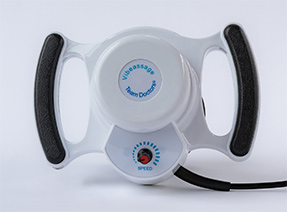
The Vibeassage Sport and the Vibeassage Pro featuring the TDX3 soft-as-the-hand Biomimetic Applicator Pad
https://www.teamdoctors.com/
✓ Get Dr. Stoxen’s #1 International Bestselling Books
Learn how to understand, examine, and reverse your TOS—without surgery.
https://drstoxen.com/1-international-best-selling-author/
✓ Check out Team Doctors Online Courses
Step-by-step video lessons, demonstrations, and self-treatment strategies.
https://teamdoctorsacademy.com/
✓ Schedule a Free Phone Consultation With Dr. Stoxen
Speak directly with him so he can review your case and guide you on your next steps.
https://drstoxen.com/appointment/
#thoracicoutletsyndrome #TOSeducation #inflammationmapping #muscleguarding #nervecompression #vascularcompression #posturemechanics #patienteducation #biomechanics #movementscience #clinicalpatterns #upperextremity #neurovascular #chronicpaineducation #manualtherapy #movementtherapy #healthliteracy #symptompatterns #educationfirst #TOS
References:
- Sanders, R. J., and Hammond, S. L. “Thoracic outlet syndrome: a common sequela of neck injuries.” Philadelphia Medicine 97, no. 3 (2001): 89–93. https://pubmed.ncbi.nlm.nih.gov/11294467/
- Urschel, H. C., and Razzuk, M. A. “Neurovascular compression in the thoracic outlet.” Annals of Thoracic Surgery 60, no. 5 (1995): 1440–1444. https://pubmed.ncbi.nlm.nih.gov/8526634/
- Novak, C. B., and Mackinnon, S. E. “Thoracic outlet syndrome.” Orthopedic Clinics of North America 27, no. 4 (1996): 747–762. https://pubmed.ncbi.nlm.nih.gov/8895660/
Wilbourn, A. J. “Thoracic outlet syndrome is overdiagnosed.” Muscle & Nerve 22, no. 1 (1999): 130–136. https://pubmed.ncbi.nlm.nih.gov/10024125/

Dr James Stoxen DC., FSSEMM (hon) He is the president of Team Doctors®, Treatment and Training Center Chicago, one of the most recognized treatment centers in the world.
Dr Stoxen is a #1 International Bestselling Author of the book, The Human Spring Approach to Thoracic Outlet Syndrome. He has lectured at more than 20 medical conferences on his Human Spring Approach to Thoracic Outlet Syndrome and asked to publish his research on this approach to treating thoracic outlet syndrome in over 30 peer review medical journals.
He has been asked to submit his other research on the human spring approach to treatment, training and prevention in over 150 peer review medical journals. He serves as the Editor-in-Chief, Journal of Orthopedic Science and Research, Executive Editor or the Journal of Trauma and Acute Care, Chief Editor, Advances in Orthopedics and Sports Medicine Journal and editorial board for over 35 peer review medical journals.
He is a much sought-after speaker. He has given over 1000 live presentations and lectured at over 70 medical conferences to over 50,000 doctors in more than 20 countries. He has been invited to speak at over 300 medical conferences which includes invitations as the keynote speaker at over 50 medical conferences.
After his groundbreaking lecture on the Integrated Spring-Mass Model at the World Congress of Sports and Exercise Medicine he was presented with an Honorary Fellowship Award by a member of the royal family, the Sultan of Pahang, for his distinguished research and contributions to the advancement of Sports and Exercise Medicine on an International level. He was inducted into the National Fitness Hall of Fame in 2008 and the Personal Trainers Hall of Fame in 2012.
Dr Stoxen has a big reputation in the entertainment industry working as a doctor for over 150 tours of elite entertainers, caring for over 1000 top celebrity entertainers and their handlers. Anthony Field or the popular children’s entertainment group, The Wiggles, wrote a book, How I Got My Wiggle Back detailing his struggles with chronic pain and clinical depression he struggled with for years. Dr Stoxen is proud to be able to assist him.
Full Bio) Dr Stoxen can be reached directly at teamdoctors@aol.com