When people think about Thoracic Outlet Syndrome, they often think only about arm pain, numbness, or vascular symptoms. What is less often discussed is how chronic physical stress, inflammation, and nervous system strain may overlap with mood-related complaints. Many individuals searching for depression, depression symptoms, or depression and fatigue are unaware that mechanical stress patterns in the neck and shoulders may influence how the body and brain respond to ongoing irritation.
In my clinical experience, patients with postural strain and upper body compression frequently describe emotional changes alongside physical discomfort. These descriptions may include low energy, irritability, mental fog, or sleep disruption. These patterns are often labeled as clinical depression or major depressive disorder, yet the underlying contributors may extend beyond emotional stress alone.
Thoracic Outlet Syndrome involves compression or irritation of nerves and blood vessels as they pass from the neck into the arm. This region sits at a crossroads between posture, breathing mechanics, vascular flow, and nervous system regulation. When these structures are chronically irritated, the body often responds with protective muscle tension and inflammatory signaling.
Inflammation is not limited to joints or muscles. Research shows that inflammatory mediators can influence brain signaling and neurotransmitter balance. This is why discussions around inflammation and depression have grown rapidly in scientific literature. Inflammatory cytokines may affect motivation, sleep regulation, and emotional processing.
Young people today often spend long hours with their heads tilted forward while using phones or laptops. This sustained posture places continuous load on the cervical spine and shoulder girdle. Over time, this mechanical stress may contribute to nerve irritation, vascular compression, and soft tissue inflammation. Patients often report neck tightness, headaches, and arm symptoms, but they may also describe mood changes consistent with depressive disorder patterns.
Many individuals seek depression help without realizing that physical stressors may be adding to their overall symptom burden. Complaints such as depression brain fog, depression sleep problems, or loss of motivation depression are often discussed separately from posture or musculoskeletal health. However, the nervous system does not divide experience into neat categories.
The autonomic nervous system plays a key role in both mood regulation and pain perception. Ongoing irritation in the thoracic outlet region may influence sympathetic tone, which can affect sleep quality, heart rate variability, and emotional resilience. This overlap is frequently described by patients with depression and anxiety or emotional numbness depression.
Chronic compression patterns may also contribute to perceived fatigue. Individuals often describe severe depression or chronic depression alongside physical exhaustion. This may reflect cumulative stress on neural and vascular pathways rather than a single isolated cause.
From a biological perspective, inflammatory signaling can interact with hormonal regulation. Cortisol, a stress-related hormone, is closely tied to both inflammation and mood. Dysregulated stress responses are often discussed in relation to depression and cortisol and stress induced depression. Mechanical stress and inflammation may be part of this broader physiological picture.
Blood flow is another factor worth consideration. Thoracic Outlet Syndrome may involve vascular compression that alters circulation to the upper extremities and head. While this does not diagnose mood conditions, altered circulation and tissue oxygenation may contribute to sensations described as depression and chronic pain or generalized malaise.
Patients sometimes report digestive changes alongside mood shifts. Emerging research on the gut-brain axis has expanded interest in gut health and depression. Inflammation, stress hormones, and nervous system signaling can influence digestion, which in turn affects neurotransmitter production and immune balance.
Sleep disruption is common in individuals with chronic neck and shoulder tension. Difficulty finding comfortable positions, nighttime numbness, or breathing pattern changes may contribute to poor rest. Over time, this may align with reports of symptoms of depression and low daytime energy.
It is important to note that educational discussion of these relationships does not replace evaluation by qualified professionals. Depression diagnosis involves careful assessment, and emotional health concerns deserve appropriate attention. However, understanding how physical stressors may interact with mood can provide valuable context.
Some individuals search for natural depression treatment options when medication is not desired or tolerated. Educational exploration of posture, movement, and nervous system regulation may be part of a broader wellness conversation. This does not imply treatment or cure, but rather awareness of interconnected systems.
The cervical spine and shoulder girdle are richly innervated and closely tied to breathing mechanics. Shallow breathing patterns associated with upper chest dominance may further influence autonomic balance. These patterns are frequently observed in individuals reporting depression nervous system complaints or heightened stress reactivity.
Brain-related symptoms are often described in inflammatory states. Research into depression brain inflammation suggests that immune signaling may influence neural networks involved in mood and cognition. Chronic peripheral inflammation may contribute to this process through systemic pathways.
Hormonal balance is another commonly discussed factor. Thyroid function, adrenal signaling, and sex hormones can influence mood stability. Patients sometimes describe hormone imbalance depression in conjunction with chronic stress or pain conditions.
I often hear patients describe irritability or emotional volatility that seems disproportionate to life circumstances. These reports align with depression and irritability descriptions found in mood literature. Chronic physical strain may lower tolerance thresholds by continuously activating stress pathways.
None of these observations suggest that Thoracic Outlet Syndrome causes depression. Rather, they highlight overlapping mechanisms that may influence how symptoms are experienced. Mood, pain, inflammation, sleep, and posture are deeply interconnected systems.
Educational awareness allows individuals to better communicate with healthcare providers. Understanding the potential links between physical stress and emotional symptoms may help contextualize experiences labeled as depression treatment resistant or complex.
In discussions of depression without medication, it is essential to remain grounded in evidence and individualized care. Lifestyle, movement, and stress management strategies are often discussed as supportive elements within broader care plans.
From a biomechanics perspective, restoring balanced movement patterns may reduce unnecessary strain on neural and vascular structures. Patients often report changes in comfort and awareness when posture and breathing mechanics improve, though responses vary widely.
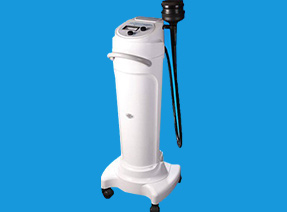
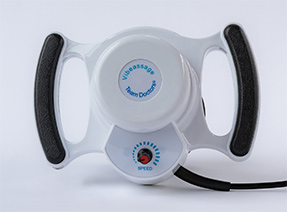
Tools such as the Vibeassage® Sport and Vibeassage® Pro featuring the TDX3 soft-as-the-hand Biomimetic Applicator Pad are designed to provide localized mechanical input. In educational contexts, vibration has been studied for its effects on circulation, muscle tone, and sensory feedback, without implying treatment of disease.
Team Doctors® focuses on educational resources that help individuals understand biomechanics and movement-based self-care concepts. These discussions are intended to inform, not diagnose or treat.
Ultimately, the conversation around Thoracic Outlet Syndrome and mood highlights the importance of whole-body awareness. Physical stress, inflammation, nervous system tone, and emotional experience are not isolated phenomena. Recognizing these connections may support more informed conversations and self-observation.
Team Doctors Resources
✓ Check out the Team Doctors Recovery Tools
The Vibeassage Sport and the Vibeassage Pro featuring the TDX3 soft-as-the-hand Biomimetic Applicator Pad
https://www.teamdoctors.com/
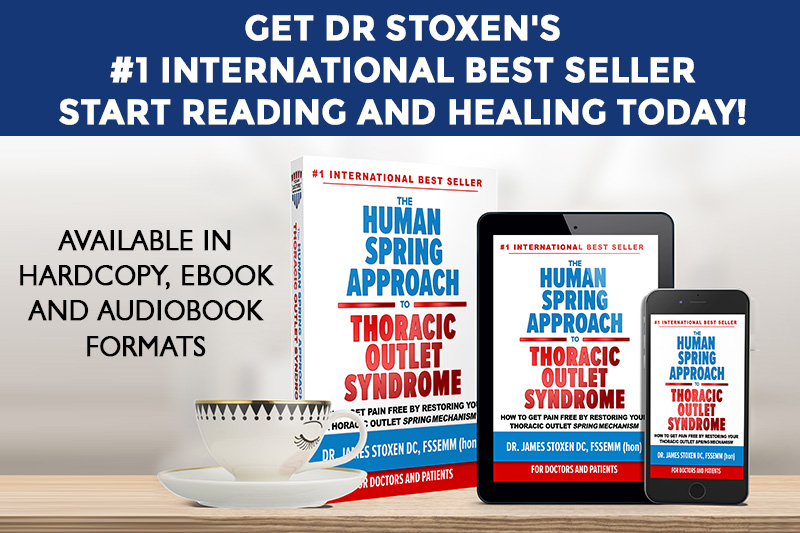
✓ Get Dr. Stoxen’s #1 International Bestselling Books
Learn how to understand, examine, and reverse your TOS—without surgery.
https://drstoxen.com/1-international-best-selling-author/
✓ Check out Team Doctors Online Courses
Step-by-step video lessons, demonstrations, and self-treatment strategies.
https://teamdoctorsacademy.com/
✓ Schedule a Free Phone Consultation With Dr. Stoxen
Speak directly with him so he can review your case and guide you on your next steps.
https://drstoxen.com/appointment/
#ThoracicOutletSyndrome #TOS #Inflammation #DepressionResearch #PostureHealth #NerveCompression #ChronicPain #MentalHealthEducation #Biomechanics #BrainHealth #StressPhysiology #NeckPain #ShoulderHealth #AutonomicNervousSystem #InflammationResearch #MoodDisorders #PainScience #SleepHealth #GutBrainAxis #VascularHealth
References
[1] Miller, A. H., Raison, C. L. “The role of inflammation in depression.” Nature Reviews Immunology 16, no. 1 (2016): 22–34. https://www.nature.com/articles/nri.2015.5
[2] Slavich, G. M., Irwin, M. R. “From stress to inflammation and major depressive disorder.” Psychological Bulletin 140, no. 3 (2014): 774–815. https://pubmed.ncbi.nlm.nih.gov/24417575/
[3] Dantzer, R., O’Connor, J. C., Freund, G. G., Johnson, R. W., Kelley, K. W. “From inflammation to sickness and depression.” Nature Reviews Neuroscience 9, no. 1 (2008): 46–56. https://www.nature.com/articles/nrn2297
[4] Bjorntorp, P. “Do stress reactions cause abdominal obesity and comorbidities?” Obesity Reviews 2, no. 2 (2001): 73–86. https://pubmed.ncbi.nlm.nih.gov/12119665/

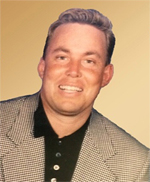
Dr James Stoxen DC., FSSEMM (hon) He is the president of Team Doctors®, Treatment and Training Center Chicago, one of the most recognized treatment centers in the world.
Dr Stoxen is a #1 International Bestselling Author of the book, The Human Spring Approach to Thoracic Outlet Syndrome. He has lectured at more than 20 medical conferences on his Human Spring Approach to Thoracic Outlet Syndrome and asked to publish his research on this approach to treating thoracic outlet syndrome in over 30 peer review medical journals.
He has been asked to submit his other research on the human spring approach to treatment, training and prevention in over 150 peer review medical journals. He serves as the Editor-in-Chief, Journal of Orthopedic Science and Research, Executive Editor or the Journal of Trauma and Acute Care, Chief Editor, Advances in Orthopedics and Sports Medicine Journal and editorial board for over 35 peer review medical journals.
He is a much sought-after speaker. He has given over 1000 live presentations and lectured at over 70 medical conferences to over 50,000 doctors in more than 20 countries. He has been invited to speak at over 300 medical conferences which includes invitations as the keynote speaker at over 50 medical conferences.
After his groundbreaking lecture on the Integrated Spring-Mass Model at the World Congress of Sports and Exercise Medicine he was presented with an Honorary Fellowship Award by a member of the royal family, the Sultan of Pahang, for his distinguished research and contributions to the advancement of Sports and Exercise Medicine on an International level. He was inducted into the National Fitness Hall of Fame in 2008 and the Personal Trainers Hall of Fame in 2012.
Dr Stoxen has a big reputation in the entertainment industry working as a doctor for over 150 tours of elite entertainers, caring for over 1000 top celebrity entertainers and their handlers. Anthony Field or the popular children’s entertainment group, The Wiggles, wrote a book, How I Got My Wiggle Back detailing his struggles with chronic pain and clinical depression he struggled with for years. Dr Stoxen is proud to be able to assist him.
Full Bio) Dr Stoxen can be reached directly at teamdoctors@aol.com