Thoracic Outlet Syndrome is commonly discussed in relation to arm symptoms, but many individuals experience prominent head and neck complaints. In my clinical experience, these patterns are frequently misunderstood or attributed to unrelated causes. Understanding how regional anatomy connects the neck, shoulder, and upper chest can clarify why symptoms appear above the collarbone.
The thoracic outlet is a confined passageway bordered by bone, muscle, and connective tissue. It allows the safe transit of nerves and blood vessels from the neck into the upper extremity. When mechanical relationships change, symptoms may emerge in predictable regions.
Patients often report neck pain that feels deep, tight, or pressure-like rather than sharp. This discomfort may fluctuate with posture, arm position, or prolonged sitting. Many individuals describe a sense that the neck never fully relaxes.
Another common presentation involves neck shoulder pain that spans from the base of the skull into the upper trapezius. This pattern often reflects load transfer through the shoulder girdle rather than isolated muscle strain. It may feel heavier on one side.
Some people notice neck pain and headaches that originate at the base of the skull. These headaches may wrap forward or remain localized. This is a pattern I commonly see when upper cervical motion is restricted.
When discussing neck pain causes, it is important to consider rib position and joint motion, not just soft tissue irritation. The cervical spine does not function independently from the thoracic cage. Changes below can influence movement above.
Individuals with long-standing symptoms often describe chronic neck pain that persists despite rest. The sensation may be dull or compressive. Many individuals report stiffness upon waking.
A frequent observation is neck stiffness that limits rotation or side bending. This stiffness may increase after desk work or overhead activity. It often improves temporarily with movement.
Some people experience neck and arm pain together, suggesting a shared mechanical pathway. When symptoms span regions, they are less likely to be isolated problems. This distribution provides important anatomical clues.
Others report neck and back pain that crosses the cervicothoracic junction. This transition zone plays a major role in force transfer. Reduced motion here can influence nerve and vessel space.
Pain near the collarbone is another important indicator. Collarbone neck pain may feel superficial or deep. It often increases with shoulder elevation.
Closely related is collarbone pain near neck, which can feel like pressure beneath the skin. This sensation may fluctuate with breathing or arm position. It reflects the crowded anatomy of the thoracic outlet.
Some individuals describe collarbone neck and shoulder pain that spreads across the upper chest. This pattern often feels tight rather than sharp. It may worsen with prolonged posture.
When symptoms extend down the arm, collarbone and arm pain may appear. This distribution follows the pathway of neurovascular structures. It is often position dependent.
Many individuals report constant neck pain that never fully resolves. The intensity may vary, but the presence remains. This persistence often reflects ongoing mechanical stress.
Localized neck muscle pain is also common. It may feel tender to touch or sore after activity. Muscle tone often increases protectively in response to perceived instability.
Some presentations include chest pain around collar bone that causes concern. This discomfort is often musculoskeletal rather than cardiac. Location and movement sensitivity help differentiate patterns.
A related complaint is chest pain under the collarbone, which may feel like fullness or pressure. This area overlies important vessels. Changes in space can influence sensation.
Sensory changes may include tingling in collarbone regions. This sensation often appears intermittently. It may increase with sustained arm elevation.
Pain described as pain above collarbone can feel vague or diffuse. Patients often point broadly rather than precisely. This reflects overlapping nerve supply.
When discomfort travels, arm neck pain may feel like a continuous line of tension. This pattern suggests regional linkage rather than isolated injury. Movement testing often reproduces it.
Beyond regional pain, many individuals report nerve pain qualities such as burning or electric sensations. These symptoms tend to fluctuate. They are often sensitive to posture.
Head discomfort is also reported. Headaches associated with thoracic outlet patterns often begin posteriorly. They may not respond to typical headache strategies.
When sensory symptoms dominate, nerve pain symptoms may include tingling or altered sensation. These feelings often come and go. They may worsen with fatigue.
Some individuals describe Symptoms Pinched Nerve without clear imaging findings. Positional testing often reveals changes. This highlights the role of dynamic compression.
Hand involvement can include nerve pain in hand, especially with sustained arm positions. This symptom may improve when posture changes. It reflects upstream mechanics.
Specific head patterns include thoracic outlet syndrome headache, which often starts near the neck. These headaches may accompany shoulder tension. They can be posture related.
Shoulder-focused sensations such as nerve pain in shoulder are common. This pain may feel deep and difficult to pinpoint. It often accompanies muscle guarding.
Balance-related complaints such as thoracic outlet syndrome dizziness are also reported. These sensations may occur with neck rotation. Vascular or proprioceptive factors may contribute.
Altered sensation like numbness in shoulder may appear intermittently. It often correlates with arm elevation. This distribution follows nerve pathways.
Some individuals experience numbness in neck, which may feel unusual. This sensation is less common but notable. It reflects overlapping sensory input.
More severe head symptoms include thoracic outlet syndrome migraines, which may mimic other headache disorders. These episodes often include neck stiffness. Identifying triggers is important.
Spatial disorientation sensations described as thoracic outlet syndrome vertigo can occur. These feelings may be brief. They are often position dependent.
Auditory sensations such as thoracic outlet syndrome tinnitus have also been described. This symptom may fluctuate. Its presence suggests complex regional interactions.
Facial sensory changes like thoracic outlet syndrome face numbness are less common but reported. These symptoms can be alarming. They highlight the interconnected nature of cervical anatomy.
Many individuals summarize their experience as thoracic outlet syndrome headaches and neck pain occurring together. This combined pattern is an important clinical clue. It points toward shared mechanical influences.
Sensory groupings often include Symptoms – Numbness and Tingling rather than isolated pain. These sensations may migrate. They often respond to position changes.
Broad complaints categorized as Symptoms Pain may span multiple regions. Patients often struggle to describe them precisely. This reflects complex input.
Others focus on Symptoms Numbness without significant pain. This presentation can still indicate significant compression. Sensory changes should not be ignored.
A less discussed complaint is nerve pain in collarbone, which feels deep and uncomfortable. This symptom often worsens with shoulder loading. It reflects local crowding.
One overlooked contributor to these patterns is tightness at the base of the neck and upper shoulder. This area lies just above the shoulder where the neck meets the torso. In my clinical experience, this region often reveals important clues.
This tightness is frequently associated with an elevated first rib. When the rib does not move normally, it alters the space available for nerves and vessels. This mechanical change can influence symptoms above and below.
The cervicothoracic junction, where the cervical spine meets the thoracic spine, plays a major role. Restricted motion here increases stress on surrounding tissues. Muscle tone often increases in response.
Muscles commonly involved include the scalene group, upper trapezius, and deep neck stabilizers. Increased tone in these muscles can reduce available space. This may influence symptom presentation.
When these structures lose normal motion, tension patterns spread. Symptoms may appear in the head, neck, shoulder, or chest. This explains why presentations vary widely.
Recognizing these patterns requires looking beyond isolated pain points. Movement assessment and positional changes provide valuable information. Static imaging alone may not explain symptoms.
Many individuals describe symptom changes with posture. Forward head position or rounded shoulders often worsen sensations. These postures alter rib and clavicle relationships.
Breathing mechanics also influence the thoracic outlet. Shallow breathing can increase accessory muscle use. This may elevate the first rib over time.
Understanding anatomy helps explain why head and neck symptoms appear in thoracic outlet patterns. Nerves and vessels travel through confined spaces. Small changes can have noticeable effects.
This educational overview emphasizes relationships rather than conclusions. Symptoms vary widely between individuals. Patterns, not single findings, guide understanding.
Awareness of head and neck involvement can prevent misinterpretation. Many individuals pursue isolated treatments without considering regional mechanics. A broader view provides clarity.
By recognizing the interconnected nature of the neck, shoulder, and thoracic outlet, individuals can better understand their symptom patterns. Education supports informed discussions. This perspective encourages comprehensive evaluation rather than narrow focus. [1][2][3][4]
Team Doctors Resources
✓ Check out the Team Doctors Recovery Tools
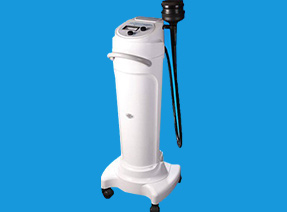
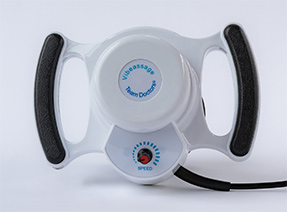
The Vibeassage Sport and the Vibeassage Pro featuring the TDX3 soft-as-the-hand Biomimetic Applicator Pad
https://www.teamdoctors.com/
✓ Get Dr. Stoxen’s #1 International Bestselling Books
Learn how to understand, examine, and reverse your TOS—without surgery.
https://drstoxen.com/1-international-best-selling-author/
✓ Check out Team Doctors Online Courses
Step-by-step video lessons, demonstrations, and self-treatment strategies.
https://teamdoctorsacademy.com/
✓ Schedule a Free Phone Consultation With Dr. Stoxen
Speak directly with him so he can review your case and guide you on your next steps.
https://drstoxen.com/appointment/
#ThoracicOutletSyndrome #TOS #NeckPain #HeadacheCauses #ShoulderAnatomy #BrachialPlexus #PostureMechanics #UpperExtremity #NeckStiffness #NerveCompression #VascularAnatomy #ScaleneMuscles #FirstRib #CervicalSpine #ThoracicOutlet #PainPatterns #ClinicalObservation #MovementScience #AnatomyEducation #PatientEducation
References
- Sanders, Richard J., and Neal M. Rao. “Thoracic Outlet Syndrome: A Review.” Neurologic Clinics 31, no. 2 (2013): 523–534. https://doi.org/10.1016/j.ncl.2013.02.001
- Illig, Karl A., et al. “Thoracic Outlet Syndrome.” Journal of Vascular Surgery 55, no. 3 (2012): 897–900. https://doi.org/10.1016/j.jvs.2011.12.049
- Hooper, Todd L., et al. “Thoracic Outlet Syndrome: A Controversial Clinical Condition.” Journal of Manual & Manipulative Therapy 18, no. 2 (2010): 74–83. https://doi.org/10.1179/106698110X12640740712734
- Povlsen, Bo, et al. “Treatment for Thoracic Outlet Syndrome.” Cochrane Database of Systematic Reviews 11 (2014): CD007218. https://doi.org/10.1002/14651858.CD007218.pub3

Dr James Stoxen DC., FSSEMM (hon) He is the president of Team Doctors®, Treatment and Training Center Chicago, one of the most recognized treatment centers in the world.
Dr Stoxen is a #1 International Bestselling Author of the book, The Human Spring Approach to Thoracic Outlet Syndrome. He has lectured at more than 20 medical conferences on his Human Spring Approach to Thoracic Outlet Syndrome and asked to publish his research on this approach to treating thoracic outlet syndrome in over 30 peer review medical journals.
He has been asked to submit his other research on the human spring approach to treatment, training and prevention in over 150 peer review medical journals. He serves as the Editor-in-Chief, Journal of Orthopedic Science and Research, Executive Editor or the Journal of Trauma and Acute Care, Chief Editor, Advances in Orthopedics and Sports Medicine Journal and editorial board for over 35 peer review medical journals.
He is a much sought-after speaker. He has given over 1000 live presentations and lectured at over 70 medical conferences to over 50,000 doctors in more than 20 countries. He has been invited to speak at over 300 medical conferences which includes invitations as the keynote speaker at over 50 medical conferences.
After his groundbreaking lecture on the Integrated Spring-Mass Model at the World Congress of Sports and Exercise Medicine he was presented with an Honorary Fellowship Award by a member of the royal family, the Sultan of Pahang, for his distinguished research and contributions to the advancement of Sports and Exercise Medicine on an International level. He was inducted into the National Fitness Hall of Fame in 2008 and the Personal Trainers Hall of Fame in 2012.
Dr Stoxen has a big reputation in the entertainment industry working as a doctor for over 150 tours of elite entertainers, caring for over 1000 top celebrity entertainers and their handlers. Anthony Field or the popular children’s entertainment group, The Wiggles, wrote a book, How I Got My Wiggle Back detailing his struggles with chronic pain and clinical depression he struggled with for years. Dr Stoxen is proud to be able to assist him.
Full Bio) Dr Stoxen can be reached directly at teamdoctors@aol.com