First rib resection is a surgery commonly used for thoracic outlet syndrome (TOS), especially venous thoracic outlet syndrome (vTOS) and Paget–Schroetter syndrome.
Paget–Schroetter syndrome involves a blood clot that forms in the axillosubclavian vein, often during physical activity.
The goal of this surgery is to reduce pressure on the vein so blood can flow more freely. However, research shows that blood clots and vein blockage can still happen after surgery.
Understanding these risks is important for making informed decisions and giving proper patient consent.
Recurrent Blood Clots After First Rib Resection
Even when surgery successfully removes the rib and opens space, blood clots can return. Several studies show that recurrent clotting or re-blockage of the vein is not uncommon.
One systematic review looked at patients who had clot-dissolving treatment followed by first rib resection.
It found that new blood clots occurred in about 13% of patients who had early surgery and 21% of patients who had delayed surgery after thrombolysis for venous TOS.¹
These results show that clot recurrence can happen even when the surgery itself is considered successful.
Other studies support these findings. In one large single-center study of patients who had first rib resection for venous TOS, about 22% needed another procedure after surgery.
Most of these patients required additional treatment because the vein narrowed again or developed another clot, often needing angioplasty or other vascular procedures.²
Another review reported that 15–20% of patients developed recurring venous symptoms, such as new clots or reduced blood flow, after thoracic outlet decompression.³
Together, these studies show that a significant number of patients experience recurring clot problems after surgery, even when standard surgical methods are used.
Postoperative Complications Related to Clotting
First rib resection also carries other risks after surgery. A large population-based study found that about 9.8% of patients had complications within 30 days, and this number increased to 18.8% within one year after surgery.⁴
These complications included bleeding, nerve injury, and collapsed lung, but vascular problems like blood clots were also reported.
Another more recent study that focused only on venous TOS found a 14% complication rate after surgery, again showing that surgery does not fully remove the risk of vascular problems.⁵
Many researchers note that blood clots after surgery are more likely when some compression remains, scar tissue forms, or nearby muscles tighten and continue to place pressure on the vein.
Long-Term Blood Flow and Symptom Results
Even with these risks, many studies report good results when success is measured by symptom improvement. In one study of patients whose axillosubclavian veins were completely blocked, first rib resection restored blood flow in about 75% of patients within 14 months, and more than 95% reported feeling better.⁶
Another study that looked at delayed first rib resection after a period of blood-thinner treatment found that 60% of patients had complete clot resolution, with lasting symptom relief over long-term follow-up.⁷
These results show an important point: feeling better does not always mean the vein has returned to normal long-term function. Blood clots can still come back even when symptoms improve.
Clinical Interpretation
Paget–Schroetter syndrome is one of the most common causes of sudden upper-arm deep vein blood clots in young, active people.⁸ First rib resection is widely used to treat this condition, but research clearly shows that:
- Blood clots return in about 13–21% of patients
- About 20% of patients need another procedure after surgery
- Surgery alone does not remove all the biological and mechanical causes of clot formation
These findings show that first rib resection is not a guaranteed solution for preventing blood clots. Long-term results depend on more than just removing the rib.
Thoracic outlet syndrome is often treated as a single structural problem, but many patients find that thoracic outlet syndrome surgery does not always lead to lasting relief.
In my clinical experience, patients often report that symptoms continue or return even after major surgery, showing how complex this condition truly is.
Thoracic outlet syndrome is a condition defined by compression of nerves, veins, or arteries as they pass from the neck into the arm. Many individuals searching for answers encounter the phrase thoracic outlet syndrome surgery early in their research.
This procedure is often presented as a structural solution to ongoing arm, neck, and shoulder symptoms.
Understanding how surgery fits into the broader picture requires careful examination of anatomy, biomechanics, and long-term outcomes.
The thoracic outlet is not a single location but a functional passageway formed by bones, muscles, and connective tissues. Compression can occur at multiple levels along this pathway.
When symptoms persist, patients often ask, do i need thoracic outlet surgery, believing surgery is the next logical step. This question usually arises after months or years of discomfort, testing, and conservative care attempts.
In my clinical experience, surgery is often discussed before the full mechanical complexity of the thoracic outlet is explained.
The outlet includes the interscalene triangle, costoclavicular space, and subcoracoid region.
Each space can be influenced by posture, muscle tension, and movement patterns. Addressing only one area may not resolve symptoms that originate from multiple compression points.
Patients often report being told that only the scalene muscles or pectoralis minor are responsible for compression.
This simplified explanation leads directly to surgical discussions involving scalenectomy or rib removal.
When reviewing thoracic outlet surgery risks, it becomes clear that altering anatomy permanently carries consequences beyond symptom relief.
Surgical approaches vary but commonly include first rib resection, scalenectomy, or pectoralis minor release. Each procedure changes the structural environment of the thoracic outlet.
The reported thoracic outlet surgery success rate varies widely in published literature, depending on patient selection, diagnostic criteria, and follow-up duration [1].
Recovery expectations are another major concern. Individuals frequently search thoracic outlet surgery recovery timelines to understand how long functional limitations may last.
Recovery can involve months of restricted movement, physical therapy, and gradual reintroduction of daily activities.
Many individuals describe prolonged stiffness and residual discomfort during this period.
When surgery is completed, attention often turns to life after thoracic outlet surgery. Some patients describe meaningful symptom reduction, while others report persistent or new complaints.
These mixed outcomes highlight the importance of understanding that surgery changes anatomy but does not automatically restore coordinated muscle function.
Complications are a critical part of informed decision-making.
Discussions of thoracic outlet surgery complications include nerve irritation, vascular injury, scar tissue formation, and persistent pain. While not all patients experience complications, their possibility is an essential part of preoperative education.
A subset of individuals identify as having failed thoracic outlet surgery. This term is often used when symptoms remain unchanged or worsen after the procedure.
In many cases, the surgery addressed only one component of a multimuscular compression pattern.
Some individuals report that symptoms came back after TOS surgery, sometimes months or years later. This recurrence can be confusing and discouraging.
From a biomechanical perspective, unresolved muscle imbalances and movement patterns may continue to place stress on the neurovascular structures.
Published data discuss recurrence after thoracic outlet surgery as a recognized phenomenon rather than a rare event [2].
Recurrence does not necessarily mean the surgery was performed incorrectly. It may reflect the complexity of the condition and the limitations of structural intervention alone.
Before considering surgery, many patients search before getting thoracic outlet surgery information to understand preparatory steps.
This phase often includes diagnostic injections, imaging, and specialist consultations. Each step provides partial information but may not reveal the full mechanical picture.
Patients are often advised on what to do before surgery, such as diagnostic blocks or activity modification.
Scalene injections are commonly used to assess symptom response. Temporary relief from an injection does not always predict long-term surgical outcomes.
A frequent concern is is thoracic outlet surgery dangerous.
All surgeries carry inherent risks, and thoracic outlet procedures involve proximity to critical nerves and blood vessels.
Understanding relative risk requires reviewing both surgical technique and individual anatomy.
First rib resection is one of the most discussed procedures, leading many to research first rib resection risks.
These risks include pneumothorax, nerve irritation, and vascular complications. The rib plays a role in thoracic stability, and its removal alters load distribution.
Another commonly discussed procedure is scalenectomy, prompting searches about scalenectomy surgery risks.
Removing or releasing scalene muscles changes neck mechanics and may affect cervical stability. These changes can influence posture and movement beyond the surgical site.
Recovery timelines vary, leading to questions like how long is recovery after TOS surgery. While some individuals resume light activities within weeks, others require extended rehabilitation. Recovery is influenced by preoperative condition, surgical extent, and postoperative movement habits.
Pain patterns after surgery are another concern. Many individuals report pain after thoracic outlet surgery, which may differ in quality from preoperative symptoms. Post-surgical pain can arise from scar tissue, altered biomechanics, or nerve sensitivity.
Sensory changes are also reported, including numbness after TOS surgery. Numbness may reflect nerve irritation, swelling, or altered neural glide.
These sensations can be temporary or persistent depending on individual response.
Long-term expectations are often unclear. Research into long term results of TOS surgery shows variable outcomes, with some individuals maintaining improvement and others experiencing gradual symptom return [3].
Long-term studies emphasize the importance of ongoing movement and postural management.
Some patients express frustration that surgery didn’t fix arm pain. This outcome may occur when compression originates from multiple sites beyond the surgical target.
Addressing only one anatomical structure may leave other contributors unchanged.
Others report that surgery made symptoms worse, particularly when postoperative scarring or altered mechanics increase tension in adjacent tissues.
These outcomes underscore the need for comprehensive biomechanical evaluation.
Nerve-related concerns are central to many discussions, including nerve damage after TOS surgery.
While permanent nerve injury is uncommon, transient nerve irritation is reported. Differentiating surgical effects from preexisting nerve sensitivity can be challenging.
Vascular considerations are also critical. Patients frequently ask about blood clot risk after TOS surgery, particularly when veins are involved.
Surgical manipulation of vascular structures carries thrombosis risk that must be monitored carefully [4].
Given these factors, some individuals wonder should i avoid TOS surgery. This question reflects uncertainty rather than a directive. Surgery is one option among many, and understanding its scope and limitations is essential.
Another common question is is surgery my only option TOS.
This belief often arises when conservative approaches fail to produce immediate relief. However, conservative care varies widely in quality, scope, and duration.
When initial surgery does not resolve symptoms, revision thoracic outlet surgery may be discussed. Revision procedures are generally more complex and carry higher risk due to scar tissue and altered anatomy.
Patients exploring second procedures often search when surgery fails TOS information to understand why outcomes vary. Failure is rarely due to a single factor and often reflects unresolved biomechanical contributors.
Outcome reporting frequently includes TOS surgery outcomes, which range from significant improvement to minimal change. Interpretation of outcomes depends on symptom type, diagnostic accuracy, and follow-up duration.
Decision-making is an ongoing process, leading many to research thoracic outlet surgery decision frameworks.
Informed decisions require understanding anatomy, biomechanics, risks, and realistic expectations rather than relying on a single test or opinion.
Thoracic outlet surgery is neither universally effective nor universally ineffective. It is a structural intervention applied to a dynamic, movement-based condition.
In my clinical experience, understanding the full muscle chain, posture mechanics, and movement patterns provides critical context for interpreting surgical outcomes.
The thoracic outlet is influenced by more than two muscles.
Coracobrachialis, biceps short head, latissimus dorsi, medial triceps, subclavius, pectoralis major, and upper trapezius coordination all influence outlet space.
Weakness or overactivity in these muscles can create multiple compression points.
Surgery targeting only one region may not address these interconnected factors. This perspective helps explain why recurrence is reported and why outcomes vary so widely across individuals.
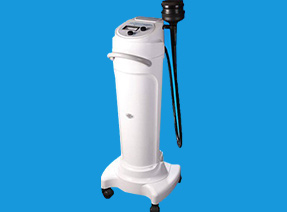
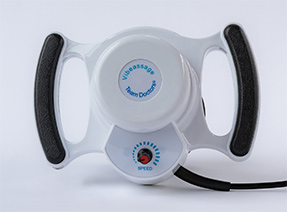
Tools such as Vibeassage® Sport and Vibeassage® Pro featuring the TDX3 soft-as-the-hand Biomimetic Applicator Pad are often discussed in educational contexts related to tissue mechanics and sensory input. These discussions focus on understanding tissue response rather than making claims.
Team Doctors® educational resources emphasize anatomy, biomechanics, and movement awareness. Education allows individuals to better interpret medical recommendations and ask informed questions.
Ultimately, thoracic outlet syndrome surgery represents one chapter in a larger story.
Understanding that story requires careful attention to structure, movement, and long-term adaptation rather than expecting a single intervention to resolve a complex condition.
Team Doctors Resources
✓ Check out the Team Doctors Recovery Tools
The Vibeassage Sport and the Vibeassage Pro featuring the TDX3 soft-as-the-hand Biomimetic Applicator Pad
https://www.teamdoctors.com/
✓ Get Dr. Stoxen’s #1 International Bestselling Books
Learn how to understand, examine, and reverse your TOS—without surgery.
https://drstoxen.com/1-international-best-selling-author/
✓ Check out Team Doctors Online Courses
Step-by-step video lessons, demonstrations, and self-treatment strategies.
https://teamdoctorsacademy.com/
✓ Schedule a Free Phone Consultation With Dr. Stoxen
Speak directly with him so he can review your case and guide you on your next steps.
https://drstoxen.com/appointment/
#ThoracicOutletSyndrome #TOSSurgery #FailedTOSSurgery #ThoracicOutletAnatomy #TOSRecovery #TOSComplications #TOSOutcomes #ThoracicOutletEngineering #PostSurgicalPain #NeurovascularCompression #FirstRibResection #Scalenectomy #TOSDecision #TOSRecurrence #ArmPain #NeckShoulderPain #Biomechanics #MovementScience #ClinicalEducation #PatientEducation
References:
- Karaolanis, George, et al. “A Systematic Review and Meta-Analysis of Paget–Schroetter Syndrome.” Journal of Vascular Surgery: Venous and Lymphatic Disorders, 2021.
https://www.jvsvenous.org/article/S2213-333X(21)00070-6/fulltext - Illig, Karl A., et al. “Management and Outcomes of Venous Thoracic Outlet Syndrome.” Journal of Vascular Surgery: Venous and Lymphatic Disorders, 2024.
https://pmc.ncbi.nlm.nih.gov/articles/PMC11523382/ - Subclavian Vein Thrombosis After Preventive First Rib Resection. Cureus, 2025.
https://www.cureus.com/articles/369838-subclavian-vein-thrombosis-in-a-patient-with-venous-thoracic-outlet-syndrome-and-previous-preventive-first-rib-resection - Pääkkönen, Mikko, et al. “Complications After First Rib Resection for Thoracic Outlet Syndrome.” Journal of Vascular Surgery, 2025.
https://www.sciencedirect.com/science/article/pii/S2468122925001215 - Mota, Luis, et al. “Surgical Management of Venous Thoracic Outlet Syndrome.” Journal of Vascular Surgery: Venous and Lymphatic Disorders, 2024.
https://pmc.ncbi.nlm.nih.gov/articles/PMC11523382/ - Ng, Jason C., et al. “Outcomes of First Rib Resection in Patients With Occluded Venous Thoracic Outlet.” Journal of Vascular Surgery: Venous and Lymphatic Disorders, 2024.
https://pmc.ncbi.nlm.nih.gov/articles/PMC11523324/ - Minchala, Pablo, et al. “Interval First Rib Resection After Acute Upper Extremity Deep Vein Thrombosis.” Journal of Vascular Surgery: Venous and Lymphatic Disorders, 2024.
https://pmc.ncbi.nlm.nih.gov/articles/PMC11523449/ - Urschel, Harold C., and Razzuk, Mohammed A. “Paget–Schroetter Syndrome: What Is the Best Management?” Annals of Thoracic Surgery, 2000.Illig, K. A., et al. “Thoracic Outlet Syndrome.” Journal of Vascular Surgery 55, no. 3 (2012): 897–904. https://www.jvascsurg.org/article/S0741-5214(11)02186-5/fulltext
- Sanders, R. J., and Hammond, S. L. “Recurrent Thoracic Outlet Syndrome.” Journal of Vascular Surgery 36, no. 4 (2002): 809–814. https://www.jvascsurg.org/article/S0741-5214(02)00001-9/fulltext
- Peek, J., et al. “Long-Term Functional Outcome of Surgical Treatment for Thoracic Outlet Syndrome.” Annals of Vascular Surgery 27, no. 8 (2013): 1073–1081. https://www.sciencedirect.com/science/article/pii/S0890509613002577
- Urschel, H. C., and Razzuk, M. A. “Paget-Schroetter Syndrome.” Annals of Thoracic Surgery 69, no. 6 (2000): 1663–1668. https://www.annalsthoracicsurgery.org/article/S0003-4975(00)01371-9/fulltext

Dr James Stoxen DC., FSSEMM (hon) He is the president of Team Doctors®, Treatment and Training Center Chicago, one of the most recognized treatment centers in the world.
Dr Stoxen is a #1 International Bestselling Author of the book, The Human Spring Approach to Thoracic Outlet Syndrome. He has lectured at more than 20 medical conferences on his Human Spring Approach to Thoracic Outlet Syndrome and asked to publish his research on this approach to treating thoracic outlet syndrome in over 30 peer review medical journals.
He has been asked to submit his other research on the human spring approach to treatment, training and prevention in over 150 peer review medical journals. He serves as the Editor-in-Chief, Journal of Orthopedic Science and Research, Executive Editor or the Journal of Trauma and Acute Care, Chief Editor, Advances in Orthopedics and Sports Medicine Journal and editorial board for over 35 peer review medical journals.
He is a much sought-after speaker. He has given over 1000 live presentations and lectured at over 70 medical conferences to over 50,000 doctors in more than 20 countries. He has been invited to speak at over 300 medical conferences which includes invitations as the keynote speaker at over 50 medical conferences.
After his groundbreaking lecture on the Integrated Spring-Mass Model at the World Congress of Sports and Exercise Medicine he was presented with an Honorary Fellowship Award by a member of the royal family, the Sultan of Pahang, for his distinguished research and contributions to the advancement of Sports and Exercise Medicine on an International level. He was inducted into the National Fitness Hall of Fame in 2008 and the Personal Trainers Hall of Fame in 2012.
Dr Stoxen has a big reputation in the entertainment industry working as a doctor for over 150 tours of elite entertainers, caring for over 1000 top celebrity entertainers and their handlers. Anthony Field or the popular children’s entertainment group, The Wiggles, wrote a book, How I Got My Wiggle Back detailing his struggles with chronic pain and clinical depression he struggled with for years. Dr Stoxen is proud to be able to assist him.
Full Bio) Dr Stoxen can be reached directly at teamdoctors@aol.com