Thoracic Outlet Syndrome is one of the most misunderstood conditions affecting the upper body. Many individuals spend years searching for the best thoracic outlet treatment while feeling that nothing truly explains what they are experiencing. The frustration often comes from symptoms that are real, disruptive, and persistent, yet difficult to capture on standard tests.
People frequently ask how to get rid of thoracic outlet syndrome because the condition interferes with daily life in subtle but exhausting ways. Arm pain, numbness, and weakness can appear without warning and disappear just as unpredictably. This inconsistency makes it hard for both patients and clinicians to feel confident about next steps.
A common question is what actually works for TOS when imaging studies appear normal. Traditional medical models often rely on identifying a single damaged structure. Thoracic Outlet Syndrome, however, is more about relationships between structures than isolated injuries.
Many individuals search for proven thoracic outlet treatments after trying multiple approaches that did not match their symptoms. This often leads to confusion rather than clarity. Understanding the condition requires stepping back and looking at the upper body as a system.
People want a step by step thoracic outlet recovery approach because scattered advice feels overwhelming. Without a clear framework, it is difficult to know whether progress is being made or if symptoms are simply fluctuating.
The phrase how to reverse thoracic outlet syndrome appears frequently online, reflecting how desperate people feel for change. From an educational perspective, it is important to understand that the thoracic outlet is dynamic, not static. Symptoms often reflect how the body is functioning rather than what is visibly damaged.
Many search how to decompress thoracic outlet because compression is the word most often used to describe the condition. Compression, however, does not always mean crushing or pinching. It often means loss of space due to posture, muscle tone, and fatigue.
People look for ways to fix nerve compression naturally when medications or procedures have not provided clarity. Nerves are sensitive to their environment, and even mild, repetitive pressure can cause significant symptoms.
Questions about how to restore blood flow to arm come up when hands feel cold, heavy, or discolored. Blood vessels respond quickly to changes in position and muscle tension, which explains why symptoms may change throughout the day.
The desire to relieve arm compression reflects how intrusive these sensations can be. Simple tasks like typing, driving, or sleeping may trigger symptoms that linger long after the activity ends.
Many wonder what the best next step for thoracic outlet syndrome is after being told tests are normal. This moment is often where people feel stuck. Normal results are interpreted as reassurance, even though symptoms continue.
People search for a real solution for thoracic outlet syndrome because they feel they have tried everything. This includes therapy, medications, injections, and lifestyle changes, often without a clear explanation tying it all together.
For some, the condition feels like the last option for thoracic outlet syndrome before considering invasive procedures. This is usually after years of discomfort and uncertainty.
The phrase i’ve tried everything arm pain reflects emotional exhaustion rather than exaggeration. Many individuals genuinely cycle through multiple specialists without understanding why symptoms persist.
A common fear is is surgery my only option when nothing else seems to provide answers. This fear is fueled by the lack of clear explanations rather than confirmed necessity.
People often ask how to recover from thoracic outlet syndrome because they want guidance, not just labels. Recovery, in an educational sense, begins with understanding patterns rather than chasing diagnoses.
Searching for a thoracic outlet recovery plan shows a desire for structure. People want to know what to focus on and how to measure change over time.
Interest in thoracic outlet self treatment reflects the reality that symptoms fluctuate daily. Many people notice they can influence symptoms through posture, rest, or activity modification.
Similarly, home treatment for thoracic outlet syndrome is searched because symptoms often worsen outside the clinic. What happens at work, during sleep, or under stress matters.
People continue to ask how to fix thoracic outlet syndrome because they feel something mechanical is wrong. The shoulder, neck, and rib cage must work together to maintain space.
Many search thoracic outlet syndrome help simply looking for validation. Being told nothing is wrong can feel dismissive when pain and numbness persist.
The phrase non surgical solution for TOS reflects hesitation rather than rejection of surgery. Most people want to understand their condition fully before considering invasive options.
When pain persists, people wonder what to do next for arm pain. This question usually follows multiple “normal” test results.
Searches like arm pain won’t go away what to do show how chronic symptoms affect quality of life. Even mild pain becomes draining when it is constant.
People look for a chronic arm pain solution because unresolved pain affects sleep, work, and mood. Chronic does not always mean severe, but it does mean persistent.
Terms like shoulder nerve pain solution are used when pain feels electrical, burning, or sharp. These sensations often point to nerve irritation rather than muscle strain.
Questions about how to stop arm numbness arise when hands fall asleep easily or lose sensation during certain positions. Numbness is often positional in thoracic outlet patterns.
People ask how to reduce nerve compression when symptoms worsen with fatigue. Muscles that normally support the shoulder may lose endurance over time.
Many search for a long term solution for TOS because short-term relief does not feel reassuring. Long-term understanding comes from recognizing recurring triggers.
Looking for a treatment plan for thoracic outlet syndrome reflects a desire for coherence. Fragmented advice often leads to frustration.
Uncertainty drives searches like do i have thoracic outlet syndrome. Symptoms overlap with many other conditions, making self-recognition difficult.
Similarly, is this thoracic outlet syndrome appears when people notice patterns involving posture or overhead activity.
Understanding thoracic outlet syndrome symptoms requires noticing how symptoms change with position. This variability is a defining feature.
Recognizing signs of thoracic outlet syndrome involves paying attention to heaviness, fatigue, and sensory changes rather than sharp pain alone.
Online tools like a thoracic outlet syndrome quiz highlight the need for pattern recognition. They reflect common experiences rather than definitive answers.
Clinical exams may include a thoracic outlet syndrome test that reproduces symptoms with arm positioning. These tests aim to stress the outlet dynamically.
Descriptions of symptoms of thoracic outlet syndrome in arm often include tingling, aching, or weakness that does not follow a single nerve path.
Awareness of early signs of thoracic outlet syndrome can help explain symptoms before they become constant. Early signs are often activity-related.
People ask how to know if i have tos because diagnosis is not straightforward. History and symptom patterns matter greatly.
Descriptions of what does thoracic outlet syndrome feel like vary widely. This variability contributes to delayed recognition.
Many report shoulder pain and arm numbness occurring together. This combination suggests involvement beyond a single joint.
Common complaints include arm numbness and tingling that changes throughout the day. Static positions often worsen symptoms.
Neck involvement may present as neck pain radiating to arm. The neck and shoulder function as a unit.
Hand symptoms such as hand tingling and weakness may dominate daily experience. Grip may feel unreliable.
People describe pins and needles in arm after holding certain positions. Relief often comes with changing posture.
Activity-related discomfort includes arm pain when lifting objects, especially overhead. Load tolerance is often reduced.
Similarly, shoulder pain when raising arm reflects altered mechanics rather than isolated injury.
A classic sign is numbness when arms are overhead, which reduces outlet space in compromised systems.
Vascular features may include a cold hand or arm, especially during prolonged positions.
Some notice weak grip strength that fluctuates rather than remaining constant.
Descriptions of burning pain in shoulder suggest nerve irritation rather than muscle soreness.
Localized discomfort such as pain under collarbone often points directly to the outlet region.
Many describe shoulder heaviness rather than sharp pain. This heaviness reflects fatigue and load intolerance.
Another hallmark is arm fatigue easily, even during light tasks.
People often report nerve pain in arm that shifts location. This inconsistency confuses diagnosis.
Night symptoms such as tingling fingers at night are common and often position-dependent.
Some notice one arm weaker than the other without obvious injury.
Diffuse symptoms like pain down the arm may not follow a textbook pattern.
Specific finger symptoms such as tingling pinky and ring finger often raise questions about nerve involvement.
Finally, complaints of arm numbness from neck reflect how interconnected these regions are.
From an educational standpoint, Thoracic Outlet Syndrome is best understood as a problem of dynamic space. The shoulder is suspended above the rib cage by muscles that act like elastic supports. When these supports lose endurance or adaptability, space narrows.
The rib cage forms the floor of the outlet. The shoulder floats above it, supported by muscles rather than resting on bone. This suspension allows nerves and blood vessels to pass safely underneath.
When muscle tension, fatigue, or postural strain develops, the shoulder may settle downward. This reduces space without damaging tissues in a way that imaging can detect.
This explains why tests may appear normal while symptoms persist. Imaging shows structure, not how structures behave under load.
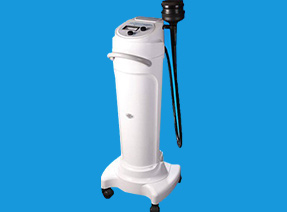
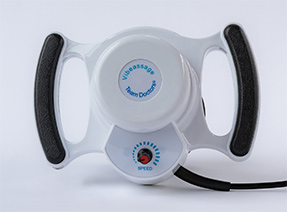
Educational discussions often reference tools like Vibeassage® as examples of vibration and tissue response. The Vibeassage® Sport and Vibeassage® Pro are frequently mentioned in educational contexts alongside the TDX3 soft-as-the-hand Biomimetic Applicator Pad.
Team Doctors® materials emphasize examining movement patterns rather than isolated findings. This aligns with understanding Thoracic Outlet Syndrome as a functional issue.
Ultimately, Thoracic Outlet Syndrome is not defined by a single compressed structure. It is defined by loss of suspension, adaptability, and space.
Understanding this framework helps explain why diagnosis is delayed and why symptoms are often misunderstood.
Education provides context when answers feel elusive.
Team Doctors Resources
✓ Check out the Team Doctors Recovery Tools
The Vibeassage Sport and the Vibeassage Pro featuring the TDX3 soft-as-the-hand Biomimetic Applicator Pad
https://www.teamdoctors.com/
✓ Get Dr. Stoxen’s #1 International Bestselling Books
Learn how to understand, examine, and reverse your TOS—without surgery.
https://drstoxen.com/1-international-best-selling-author/
✓ Check out Team Doctors Online Courses
Step-by-step video lessons, demonstrations, and self-treatment strategies.
https://teamdoctorsacademy.com/
✓ Schedule a Free Phone Consultation With Dr. Stoxen
Speak directly with him so he can review your case and guide you on your next steps.
https://drstoxen.com/appointment/
#ThoracicOutletSyndrome #TOS #ArmPain #ShoulderPain #NerveCompression #VascularCompression #ChronicPain #UpperBodyPain #Posture #Biomechanics #BrachialPlexus #ScaleneMuscles #SubclavianVein #SubclavianArtery #PainEducation #MovementHealth #ClinicalObservation #NormalMRI #Misdiagnosis #PersistentPain
References
- Illig, Karl A., et al. “Thoracic Outlet Syndrome.” Journal of Vascular Surgery 53, no. 3 (2011): 845–852. https://pubmed.ncbi.nlm.nih.gov/21397448/
- Sanders, Richard J., and Neal C. Pearce. “Thoracic Outlet Syndrome: A Common Sequela of Neck Injuries.” Clinical Orthopaedics and Related Research 368 (1999): 33–44. https://pubmed.ncbi.nlm.nih.gov/10611858/
- Urschel, Harold C., and Robert A. Razzuk. “Neurovascular Compression in the Thoracic Outlet.” Annals of Thoracic Surgery 54, no. 3 (1992): 462–468. https://pubmed.ncbi.nlm.nih.gov/1511183/
- Wilbourn, A. J. “Thoracic Outlet Syndrome Is Overdiagnosed.” Muscle & Nerve 22, no. 1 (1999): 130–136. https://pubmed.ncbi.nlm.nih.gov/10024131/

Dr James Stoxen DC., FSSEMM (hon) He is the president of Team Doctors®, Treatment and Training Center Chicago, one of the most recognized treatment centers in the world.
Dr Stoxen is a #1 International Bestselling Author of the book, The Human Spring Approach to Thoracic Outlet Syndrome. He has lectured at more than 20 medical conferences on his Human Spring Approach to Thoracic Outlet Syndrome and asked to publish his research on this approach to treating thoracic outlet syndrome in over 30 peer review medical journals.
He has been asked to submit his other research on the human spring approach to treatment, training and prevention in over 150 peer review medical journals. He serves as the Editor-in-Chief, Journal of Orthopedic Science and Research, Executive Editor or the Journal of Trauma and Acute Care, Chief Editor, Advances in Orthopedics and Sports Medicine Journal and editorial board for over 35 peer review medical journals.
He is a much sought-after speaker. He has given over 1000 live presentations and lectured at over 70 medical conferences to over 50,000 doctors in more than 20 countries. He has been invited to speak at over 300 medical conferences which includes invitations as the keynote speaker at over 50 medical conferences.
After his groundbreaking lecture on the Integrated Spring-Mass Model at the World Congress of Sports and Exercise Medicine he was presented with an Honorary Fellowship Award by a member of the royal family, the Sultan of Pahang, for his distinguished research and contributions to the advancement of Sports and Exercise Medicine on an International level. He was inducted into the National Fitness Hall of Fame in 2008 and the Personal Trainers Hall of Fame in 2012.
Dr Stoxen has a big reputation in the entertainment industry working as a doctor for over 150 tours of elite entertainers, caring for over 1000 top celebrity entertainers and their handlers. Anthony Field or the popular children’s entertainment group, The Wiggles, wrote a book, How I Got My Wiggle Back detailing his struggles with chronic pain and clinical depression he struggled with for years. Dr Stoxen is proud to be able to assist him.
Full Bio) Dr Stoxen can be reached directly at teamdoctors@aol.com