Thoracic Outlet Syndrome rarely begins as a sudden injury. In my clinical experience, it represents the end stage of a slow, progressive inflammatory cascade that develops silently over months or years. This explains why many individuals feel confused when symptoms migrate, fluctuate, or worsen despite rest.
The process often begins with posture. The human head weighs approximately nine to twelve pounds and functions biomechanically like a bowling ball balanced on a flexible column. When forward head posture develops—common with prolonged computer and device use—cervical muscles must contract continuously to prevent collapse.
This sustained contraction places constant demand on the neck, particularly the scalene muscles. Over time, blood flow becomes restricted, oxygen delivery declines, and metabolic waste accumulates. This environment creates the first wave of inflammation, even before pain becomes noticeable.
As inflammation builds, the nervous system responds automatically. Chemical signals alert the spinal cord that tissues are under threat. In response, a protective reflex increases muscle tone to stabilize the region. This phenomenon, known as muscle guarding, is initially protective.
When guarding persists, it becomes destructive. Muscles remain partially contracted around the clock. Tissue elasticity decreases. Normal relaxation never fully occurs. The spinal cord receives stronger danger signals and increases reflex output, amplifying muscle tone further.
This self-reinforcing loop marks the transition from postural strain to neuromuscular dysfunction. What began as a mechanical adaptation now becomes a neurological pattern that sustains itself.
The second inflammatory wave develops when chronically guarded muscles begin to suffer tissue damage. Micro-tearing, fascial thickening, and trigger point formation occur. Sensory input to the spinal cord becomes louder, more frequent, and more widespread.
At this stage, symptoms often spread. Localized neck tension expands into shoulder pain, arm discomfort, and hand symptoms. Individuals may describe burning sensations, electrical pain, heaviness, or weakness that seems inconsistent or unpredictable.
As muscle tension escalates, the shoulder girdle is pulled downward and forward. This mechanical shift narrows the thoracic outlet—the passageway formed by the clavicle, first rib, and surrounding soft tissue that carries nerves and blood vessels into the arm.
Compression at this level defines Thoracic Outlet Syndrome. It explains why symptoms often worsen with overhead activity, prolonged arm use, or sustained posture. The space available for neurovascular structures becomes increasingly limited.
In neurogenic Thoracic Outlet Syndrome, compression of the brachial plexus produces burning pain, altered sensation, weakness, and coordination difficulties. Symptoms frequently appear first in the ring and little fingers, leading to misdiagnosis as distal nerve entrapment.
As the cascade progresses, vascular structures may also become involved. In venous Thoracic Outlet Syndrome, narrowing of the subclavian vein impairs blood return from the arm. Individuals may notice swelling, heaviness, and bluish or purplish discoloration of the hand.
Over time, stagnant blood flow increases the risk of clot formation. This condition, known as Paget–Schrötter syndrome, represents a serious escalation of the same underlying process. In rare cases, clots can migrate and cause pulmonary embolism.
This progression explains why Thoracic Outlet Syndrome often spirals instead of stabilizing. Inflammation drives muscle guarding. Guarding worsens compression. Compression reduces blood flow. Reduced blood flow fuels further inflammation.
Static imaging frequently fails to capture this process because it is dynamic. Compression changes with posture, movement, fatigue, and muscle tone. Bones may appear normal while symptoms continue to evolve.
Thoracic Outlet Syndrome is best understood as a combined postural, neuromuscular, and vascular disorder. Treating only one component allows the inflammatory cascade to continue.
From an educational standpoint, this framework clarifies why isolated treatments often provide limited relief. Addressing posture without calming neuromuscular reflexes leaves guarding intact. Addressing muscles without restoring circulation leaves inflammation unresolved.
Understanding the cascade also helps individuals make sense of symptom variability. Good days and bad days reflect shifts in muscle tone and blood flow rather than unpredictable disease behavior.
At Team Doctors®, this progressive model guides evaluation. The goal is not to label a single structure, but to understand how posture, inflammation, and reflexes interact over time.
This perspective reframes Thoracic Outlet Syndrome as a process rather than an event. It develops gradually, evolves dynamically, and requires a systems-based understanding.
Recognizing the inflammatory cascade does not assign blame. It provides clarity. Symptoms are not random. They follow a logical progression driven by adaptation to load.
When individuals understand how Thoracic Outlet Syndrome develops, confusion often gives way to comprehension. The condition stops feeling mysterious and begins to make biomechanical sense.
Thoracic Outlet Syndrome does not appear overnight. It unfolds step by step, shaped by posture, muscle tone, and circulation. Understanding that progression is foundational to understanding the condition itself.
Team Doctors Resources
✓ Check out the Team Doctors Recovery Tools
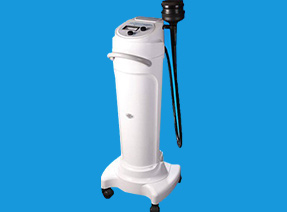
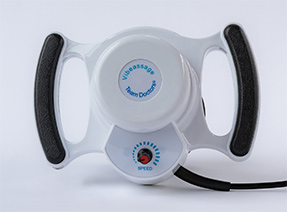
The Vibeassage Sport and the Vibeassage Pro featuring the TDX3 soft-as-the-hand Biomimetic Applicator Pad
https://www.teamdoctors.com/
✓ Get Dr. Stoxen’s #1 International Bestselling Books
Learn how to understand, examine, and reverse your TOS—without surgery.
https://drstoxen.com/1-international-best-selling-author/
✓ Check out Team Doctors Online Courses
Step-by-step video lessons, demonstrations, and self-treatment strategies.
https://teamdoctorsacademy.com/
✓ Schedule a Free Phone Consultation With Dr. Stoxen
Speak directly with him so he can review your case and guide you on your next steps.
https://drstoxen.com/appointment/
#ThoracicOutletSyndrome #TOSCauses #InflammatoryCascade #PostureMechanics #MuscleGuarding #BrachialPlexus #SubclavianVein #NeurogenicTOS #VenousTOS #PagetSchroetter #TOSAwareness #ChronicPainEducation #UpperBodyCompression #MovementScience #Biomechanics #ClinicalEducation #PosturalHealth #VascularCompression #NerveCompression #ThoracicOutlet

Dr James Stoxen DC., FSSEMM (hon) He is the president of Team Doctors®, Treatment and Training Center Chicago, one of the most recognized treatment centers in the world.
Dr Stoxen is a #1 International Bestselling Author of the book, The Human Spring Approach to Thoracic Outlet Syndrome. He has lectured at more than 20 medical conferences on his Human Spring Approach to Thoracic Outlet Syndrome and asked to publish his research on this approach to treating thoracic outlet syndrome in over 30 peer review medical journals.
He has been asked to submit his other research on the human spring approach to treatment, training and prevention in over 150 peer review medical journals. He serves as the Editor-in-Chief, Journal of Orthopedic Science and Research, Executive Editor or the Journal of Trauma and Acute Care, Chief Editor, Advances in Orthopedics and Sports Medicine Journal and editorial board for over 35 peer review medical journals.
He is a much sought-after speaker. He has given over 1000 live presentations and lectured at over 70 medical conferences to over 50,000 doctors in more than 20 countries. He has been invited to speak at over 300 medical conferences which includes invitations as the keynote speaker at over 50 medical conferences.
After his groundbreaking lecture on the Integrated Spring-Mass Model at the World Congress of Sports and Exercise Medicine he was presented with an Honorary Fellowship Award by a member of the royal family, the Sultan of Pahang, for his distinguished research and contributions to the advancement of Sports and Exercise Medicine on an International level. He was inducted into the National Fitness Hall of Fame in 2008 and the Personal Trainers Hall of Fame in 2012.
Dr Stoxen has a big reputation in the entertainment industry working as a doctor for over 150 tours of elite entertainers, caring for over 1000 top celebrity entertainers and their handlers. Anthony Field or the popular children’s entertainment group, The Wiggles, wrote a book, How I Got My Wiggle Back detailing his struggles with chronic pain and clinical depression he struggled with for years. Dr Stoxen is proud to be able to assist him.
Full Bio) Dr Stoxen can be reached directly at teamdoctors@aol.com