Many individuals describe waking in the middle of the night with unusual arm sensations that were not present during the day. Arm goes numb while sleeping is one of the most common phrases patients use when searching for answers. Others describe a heavy, lifeless feeling that forces them to shake the arm to restore sensation. These nighttime symptoms often raise concern because they appear without obvious injury and disrupt sleep repeatedly.
Patients often report waking up with numb arm symptoms that seem positional. The arm may feel compressed, weak, or unresponsive for several seconds or minutes. This pattern is not random. It reflects changes in tissue loading, joint position, and neural or vascular tension that occur when the body transitions from upright posture to sustained resting positions.
Another frequently reported experience is waking up with dead arm, particularly after side sleeping. In my clinical experience, this sensation is often linked to prolonged compression or stretch of structures that pass between the neck, shoulder, and upper chest. During sleep, the nervous system does not actively reposition the body as efficiently as during waking hours.
Nighttime discomfort is not limited to numbness. Shoulder pain at night is another symptom that brings people to search for explanations. This pain may be deep, aching, or sharp, and it may worsen the longer the person remains in a single position. Unlike acute injury pain, nighttime shoulder discomfort often reflects mechanical stress rather than tissue damage.
Some individuals describe arm tingling when sleeping, especially when lying on the affected side. Tingling sensations indicate altered nerve signaling, which can occur when nerves are compressed, stretched, or deprived of adequate blood flow. During sleep, gravity and sustained joint angles can increase these effects.
Others notice tingling arm when lying down even before falling asleep. This suggests that certain postures immediately change the mechanical environment of the thoracic outlet. The thoracic outlet is the space through which the brachial plexus and subclavian vessels travel from the neck into the arm.
The phrase sleeping position arm numbness highlights an important biomechanical reality. Sleeping positions alter shoulder elevation, rib motion, clavicular angle, and cervical alignment. These changes can reduce the available space for nerves and vessels, especially when tissues lack elastic adaptability.
Side sleepers often report shoulder pain sleeping on side, particularly on the lower shoulder. In this position, body weight compresses the shoulder girdle while the neck may be laterally flexed. This combination increases tension through the scalene region and upper rib cage.
A more alarming description is nighttime arm nerve pain, which may feel sharp, burning, or electric. This type of pain suggests heightened neural sensitivity rather than simple muscular soreness. Nighttime nerve-related symptoms often reflect sustained mechanical irritation.
Some describe pins and needles at night arm, a sensation that fluctuates with subtle movement. This transient quality points toward reversible mechanical compression rather than permanent nerve injury. When position changes restore sensation, it suggests that tissue loading is the primary driver.
Another frequent complaint is shoulder pain waking me up, which interrupts sleep cycles repeatedly. Disturbed sleep can amplify pain perception, creating a cycle where mechanical irritation and nervous system sensitivity reinforce one another.
From a broader perspective, arm pain when sleeping is rarely isolated to the arm alone. The arm is the endpoint of a chain that includes the cervical spine, first rib, clavicle, scapula, and surrounding soft tissues. Changes anywhere along this chain can influence symptoms.
Many individuals search for explanations related to numb arm while sleeping, assuming circulation problems or nerve damage. In many cases, the issue is not damage but mechanical compromise of space during sustained postures.
The term arm numbness at night reflects the timing of symptoms rather than their cause. Nighttime simply provides the conditions—stillness, gravity, and prolonged joint positioning—that reveal underlying biomechanical constraints.
Similarly, shoulder pain during sleep often reflects how the shoulder is suspended rather than how strong it is. Strength does not guarantee adequate joint spacing or elastic response.
When patients ask about night arm pain cause, the answer often lies in how tissues manage load over time. Prolonged compression reduces the ability of tissues to rebound and adapt.
Some report arm tingling at night even without sleeping on the arm. This suggests that neck or upper chest positioning alone can influence symptoms, independent of direct pressure.
An underappreciated factor is shoulder compression during sleep caused by mattress firmness, pillow height, and arm placement. These external factors can significantly alter internal tissue loading.
Many people notice that sleeping causes arm numbness only in certain positions. This positional specificity is a key clue pointing toward mechanical rather than systemic causes.
Side sleeping shoulder pain is particularly common because side sleeping combines compression on one shoulder with stretch on the opposite side of the neck. This asymmetry challenges the body’s ability to maintain balanced tissue tension.
More specifically, nighttime nerve compression arm symptoms arise when nerves experience sustained pressure or stretch beyond their adaptive capacity. Nerves tolerate movement well but respond poorly to prolonged static loading.
When arm pain worse at night, it often reflects reduced movement rather than increased injury. Movement during the day redistributes forces, while stillness at night concentrates them.
The phrase sleep-related arm nerve pain captures the timing but not the mechanism. The mechanism involves how the thoracic outlet accommodates or fails to accommodate positional changes.
Many people notice arm numbness during sleep that resolves quickly upon waking. This rapid resolution indicates that blood flow and nerve conduction normalize once compression is relieved.
Shoulder pain lying down can differ from pain during activity. Activity-related pain often reflects load tolerance, while lying-down pain reflects positional tolerance.
Some individuals feel arm pain at bedtime before falling asleep. This suggests that relaxation and reduced muscular tone may allow structures to settle into less optimal positions.
Others describe night flare arm pain, where discomfort escalates after several hours of sleep. This delayed onset reflects cumulative tissue stress rather than immediate compression.
Finally, sleep position nerve pain underscores the importance of how the body is supported during rest. Pillows, mattresses, and habitual positions all influence mechanical loading.
Understanding these patterns requires a deeper look at thoracic outlet biomechanics. At the World Congress of Sports and Exercise Medicine, James Stoxen presented a keynote explaining why the thoracic outlet must be understood as a spring system rather than a lever-based structure. This presentation demonstrated that the shoulder girdle, rib cage, and spine function together to absorb, store, and release energy.
During this congress, over 30 international speakers presented models of human movement. After the presentation, many physicians acknowledged that the spring-based model aligned with established principles of physics and engineering taught universally. To refute it would require rejecting foundational laws of elasticity, compression, and energy storage.
The thoracic outlet acts as a suspended system designed to maintain space for nerves and vessels during movement and positional change. When elasticity is reduced, the system loses its ability to adapt, and positional symptoms emerge more readily at night.
Lever-based models emphasize rigid positioning and force transmission. In contrast, spring-based models emphasize compliance, recoil, and dynamic spacing. Nighttime symptoms often reveal which model better explains real-world behavior.
From an educational standpoint, recognizing the thoracic outlet as a spring system helps explain why symptoms fluctuate with position, why they worsen with stillness, and why they may persist despite otherwise normal imaging findings.
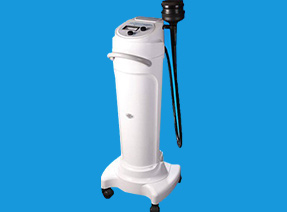
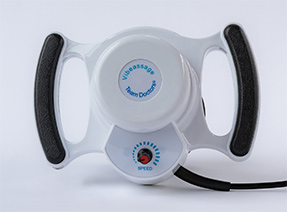
Tools such as the Vibeassage® Sport and Vibeassage® Pro, featuring the TDX3 soft-as-the-hand Biomimetic Applicator Pad, are designed with this spring-based understanding in mind. These tools are part of the broader educational framework developed by Team Doctors® to help individuals better understand movement and recovery concepts.
This perspective does not replace medical evaluation. Instead, it provides a biomechanical lens through which nighttime arm and shoulder symptoms can be better understood. When symptoms are viewed through this lens, patterns that once seemed mysterious become mechanically logical.
In summary, nighttime arm numbness, tingling, and shoulder pain often reflect how the thoracic outlet responds to sustained positions. Viewing the system as a spring rather than a lever offers a coherent explanation grounded in anatomy, biomechanics, and physics.
Team Doctors Resources
✓ Check out the Team Doctors Recovery Tools
The Vibeassage Sport and the Vibeassage Pro featuring the TDX3 soft-as-the-hand Biomimetic Applicator Pad
https://www.teamdoctors.com/
✓ Get Dr. Stoxen’s #1 International Bestselling Books
Learn how to understand, examine, and reverse your TOS—without surgery.
https://drstoxen.com/1-international-best-selling-author/
✓ Check out Team Doctors Online Courses
Step-by-step video lessons, demonstrations, and self-treatment strategies.
https://teamdoctorsacademy.com/
✓ Schedule a Free Phone Consultation With Dr. Stoxen
Speak directly with him so he can review your case and guide you on your next steps.
https://drstoxen.com/appointment/
#ThoracicOutletSyndrome #TOS #ArmNumbness #NightShoulderPain #NerveCompression #ShoulderBiomechanics #SleepPosture #BrachialPlexus #UpperExtremityPain #ClinicalBiomechanics #ThoracicOutlet #ShoulderHealth #SleepAndPain #PostureMatters #BiomechanicsEducation #TeamDoctors #HumanSpringModel #PainAtNight #ArmTingling #ShoulderEngineering
References:
[1] Sanders, R. J., & Hammond, S. L. Thoracic outlet syndrome: A review. Neurologic Clinics 31, no. 2 (2013): 523–537. https://doi.org/10.1016/j.ncl.2013.01.012
[2] Povlsen, B., Hansson, T., & Povlsen, S. D. Treatment for thoracic outlet syndrome. Cochrane Database of Systematic Reviews (2014). https://doi.org/10.1002/14651858.CD007218.pub3
[3] Atasoy, E. Thoracic outlet compression syndrome. Orthopedic Clinics of North America 27, no. 2 (1996): 265–303.
[4] Hooper, T. L., Denton, J., McGalliard, M. K., Brismee, J. M., & Sizer, P. S. Thoracic outlet syndrome: A controversial clinical condition. Journal of Manual & Manipulative Therapy 18, no. 2 (2010): 74–83. https://doi.org/10.1179/106698110X12640740712734

Dr James Stoxen DC., FSSEMM (hon) He is the president of Team Doctors®, Treatment and Training Center Chicago, one of the most recognized treatment centers in the world.
Dr Stoxen is a #1 International Bestselling Author of the book, The Human Spring Approach to Thoracic Outlet Syndrome. He has lectured at more than 20 medical conferences on his Human Spring Approach to Thoracic Outlet Syndrome and asked to publish his research on this approach to treating thoracic outlet syndrome in over 30 peer review medical journals.
He has been asked to submit his other research on the human spring approach to treatment, training and prevention in over 150 peer review medical journals. He serves as the Editor-in-Chief, Journal of Orthopedic Science and Research, Executive Editor or the Journal of Trauma and Acute Care, Chief Editor, Advances in Orthopedics and Sports Medicine Journal and editorial board for over 35 peer review medical journals.
He is a much sought-after speaker. He has given over 1000 live presentations and lectured at over 70 medical conferences to over 50,000 doctors in more than 20 countries. He has been invited to speak at over 300 medical conferences which includes invitations as the keynote speaker at over 50 medical conferences.
After his groundbreaking lecture on the Integrated Spring-Mass Model at the World Congress of Sports and Exercise Medicine he was presented with an Honorary Fellowship Award by a member of the royal family, the Sultan of Pahang, for his distinguished research and contributions to the advancement of Sports and Exercise Medicine on an International level. He was inducted into the National Fitness Hall of Fame in 2008 and the Personal Trainers Hall of Fame in 2012.
Dr Stoxen has a big reputation in the entertainment industry working as a doctor for over 150 tours of elite entertainers, caring for over 1000 top celebrity entertainers and their handlers. Anthony Field or the popular children’s entertainment group, The Wiggles, wrote a book, How I Got My Wiggle Back detailing his struggles with chronic pain and clinical depression he struggled with for years. Dr Stoxen is proud to be able to assist him.
Full Bio) Dr Stoxen can be reached directly at teamdoctors@aol.com