Thoracic Outlet Syndrome is commonly associated with complex symptoms affecting the neck, shoulder, and upper extremity. Many individuals describe discomfort that does not follow a single nerve root pattern, which can make evaluation challenging. In my clinical experience, understanding how nerve compression in shoulder regions presents is essential for recognizing broader compression mechanisms.
The thoracic outlet is a confined anatomical region where nerves and blood vessels pass from the neck into the arm. When this space becomes functionally reduced, symptoms may appear in multiple areas simultaneously. Patients often report nerve compression in neck and arm that worsens with posture changes or sustained positions.
One of the most commonly discussed structures in this region is the brachial plexus. Compression of this nerve network can lead to a wide variety of sensory and motor complaints. Individuals frequently describe brachial plexus compression symptoms that include tingling, heaviness, or weakness rather than sharp pain alone.
A classic presentation involves discomfort that radiates from the shoulder into the arm. This is often described as pinched nerve shoulder and arm pain, though the sensation may fluctuate depending on arm position. Unlike isolated cervical disc findings, these symptoms often change with overhead movement.
Entrapment can occur at several points along the nerve pathway. Clinicians frequently observe arm nerve entrapment patterns that involve diffuse symptoms rather than a single dermatome. This can complicate imaging-based diagnosis when findings do not match the symptom distribution.
Within the shoulder girdle itself, mechanical crowding may contribute to shoulder nerve entrapment sensations. These are often aggravated by repetitive arm use or prolonged static posture. Many individuals describe symptom escalation during desk work or driving.
Pain that begins in the neck and travels down the arm is a frequent complaint. Patients often report neck nerve pain radiating to arm regions, particularly during activities that elevate or load the shoulders. This pattern is commonly evaluated during positional testing.
Overhead motion is a key aggravating factor in thoracic outlet presentations. Many individuals describe nerve pain when lifting arms, especially when the arms are held above shoulder height for extended periods. This response is an important observational finding.
Sensory changes in the hand can also occur. Complaints such as numb fingers from nerve compression may fluctuate throughout the day. These sensations are often positional and may resolve temporarily with movement.
Pain quality can vary significantly. Some patients describe burning nerve pain shoulder sensations rather than sharp or stabbing pain. This burning quality is often associated with prolonged compression rather than acute injury.
Compression does not always involve a single nerve. In thoracic outlet presentations, clinicians frequently observe compressed nerves in shoulder regions that affect multiple nerve fibers simultaneously. This can result in overlapping sensory complaints.
Pain originating from the brachial plexus is often difficult for patients to localize. Many describe brachial plexus nerve pain as deep, aching, or poorly defined. This contrasts with the more focal pain seen in peripheral nerve entrapments.
Cervical contributions must always be considered. Individuals often report arm nerve pain from neck positions, especially when cervical posture is altered. This highlights the importance of evaluating both regions together.
Tingling sensations are commonly reported and may come and go. Many individuals describe tingling from nerve compression that changes with arm or head position. This variability is a hallmark feature in thoracic outlet presentations.
Symptoms affecting the arm may include multiple sensations simultaneously. Patients often report nerve compression symptoms arm that include numbness, weakness, and heaviness rather than pain alone.
Impingement within the shoulder complex can further complicate presentation. Nerve impingement shoulder patterns are often evaluated using movement-based testing rather than static imaging alone.
When symptoms extend beyond a single nerve distribution, clinicians may describe nerve pain in upper extremity regions that does not correspond to classic radiculopathy. This mismatch is frequently noted in thoracic outlet evaluations.
Irritation rather than compression may be present in early stages. Many individuals experience shoulder nerve irritation that worsens with repetitive use or sustained postures. This may precede more persistent symptoms.
Long-standing compression can alter nerve behavior over time. In my clinical experience, chronic nerve compression damage presents as increased sensitivity rather than constant pain. Patients may notice symptoms with lighter stimuli.
Overhead athletes and workers often describe nerve pain with overhead movement that is reproducible during activity. This positional nature is an important distinguishing feature during examination.
Postural influences play a significant role. Many patients report nerve pain from posture changes, particularly with forward head or rounded shoulder positions. These observations are central to functional assessment.
Entrapment may occur along the arm itself. Entrapped nerve arm pain may coexist with proximal compression, creating layered symptom patterns. This concept is often explored during differential diagnosis.
Weakness is another commonly reported complaint. Patients may describe nerve pain arm weakness during gripping or lifting tasks. This functional limitation often fluctuates with activity level.
Combined sensory complaints are frequent. Nerve compression and numbness often appear together, particularly during sustained positions. These symptoms may resolve with movement or positional change.
Pain severity may vary from mild discomfort to significant distress. Individuals often describe nerve compression causing pain that escalates throughout the day rather than appearing suddenly.
Accurate identification requires careful evaluation. Arm nerve pain diagnosis is based on symptom behavior, positional testing, and clinical observation rather than imaging alone.
Educational discussions often explore conservative strategies. In this context, nerve compression relief is discussed in terms of reducing mechanical stress rather than producing guaranteed outcomes.
Some educational models describe nerve decompression without surgery as a conceptual goal related to space restoration. This language is used descriptively without outcome claims.
Persistent irritation within the shoulder may be described as chronic nerve irritation shoulder patterns. These often involve fluctuating symptoms rather than constant pain.
Recovery timelines vary widely. Nerve compression recovery is discussed in educational terms as a process influenced by mechanical loading, posture, and activity modification.
In educational literature, thoracic outlet care is often discussed in non-operative contexts. Thoracic outlet syndrome without surgery is presented as a descriptive category rather than a promise.
Non-operative discussions may include non-surgical treatment for tos as an umbrella term used in educational frameworks. These discussions focus on understanding biomechanics rather than predicting results.
Educational comparisons may reference conservative treatment for thoracic outlet syndrome when describing historically used approaches. These references remain descriptive and non-directive.
Some individuals ask whether improvement is possible over time. Can thoracic outlet syndrome heal naturally is commonly discussed as a question, not a guarantee.
Educational materials often explore how clinicians evaluate mechanical contributors. How to fix thoracic outlet syndrome is framed as an examination question rather than a treatment claim.
Discussions may compare various non-operative frameworks. Best non-surgical tos treatment is referenced descriptively in literature reviews without endorsing outcomes.
Alternatives are sometimes discussed conceptually. Alternatives to thoracic outlet surgery appear in educational contexts when outlining clinical decision-making pathways.
Some discussions include lifestyle considerations. Natural ways to treat tos are referenced as patient-reported strategies without claims of efficacy.
Holistic discussions may appear in educational reviews. Holistic treatment for thoracic outlet syndrome is referenced descriptively, focusing on whole-body assessment.
At-home considerations are often mentioned. Home treatment for thoracic outlet syndrome is discussed as a category of patient-directed activities, not prescribed care.
Self-directed strategies are commonly referenced. Self-treatment for thoracic outlet syndrome is discussed educationally in terms of awareness and posture.
Rehabilitation frameworks often include physical rehabilitation for tos as a descriptive category in the literature.
Non-invasive approaches are often grouped together. Non-invasive tos treatment is discussed conceptually without outcome promises.
Some individuals seek to understand symptom management pathways. Treat tos without surgery is discussed as an educational phrase used in patient inquiries.
Mechanical space concepts are often emphasized. Restore shoulder space naturally is used descriptively to explain biomechanical theories.
Vascular considerations are also discussed. Improve blood flow without surgery appears in educational explanations of positional vascular changes.
Educational models may describe symptom reduction concepts. Relieve nerve compression naturally is referenced in theoretical discussions.
Functional recovery is often explored. Functional treatment for tos is used to describe movement-based evaluation frameworks.
Manual techniques are frequently discussed. Manual therapy for tos appears in educational reviews without claims.
Movement is a central theme. Movement-based treatment tos is referenced when discussing biomechanical assessment.
Posture plays a key role. Postural correction for tos is discussed as an observational concept.
Many clinicians describe a conservative approach to tos when outlining evaluation philosophies.
Finally, educational discussions often explore natural recovery from thoracic outlet syndrome as a concept related to symptom behavior and adaptation rather than guaranteed outcomes.
Team Doctors Resources
✓ Check out the Team Doctors Recovery Tools
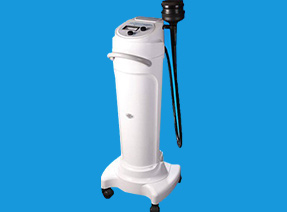
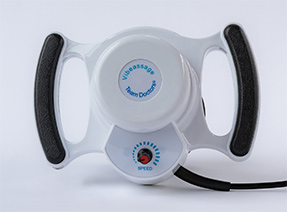
The Vibeassage Sport and the Vibeassage Pro featuring the TDX3 soft-as-the-hand Biomimetic Applicator Pad
https://www.teamdoctors.com/
✓ Get Dr. Stoxen’s #1 International Bestselling Books
Learn how to understand, examine, and reverse your TOS—without surgery.
https://drstoxen.com/1-international-best-selling-author/
✓ Check out Team Doctors Online Courses
Step-by-step video lessons, demonstrations, and self-treatment strategies.
https://teamdoctorsacademy.com/
✓ Schedule a Free Phone Consultation With Dr. Stoxen
Speak directly with him so he can review your case and guide you on your next steps.
https://drstoxen.com/appointment/
#ThoracicOutletSyndrome #TOS #NerveCompression #ShoulderPain #ArmPain #BrachialPlexus #NeckPain #UpperExtremity #Posture #Biomechanics #NerveSymptoms #ClinicalEducation #DiagnosticTesting #ConservativeCare #MovementAssessment #VascularCompression #NeurologicalSymptoms #PainPatterns #FunctionalAnatomy #PatientEducation
References
- Sanders, Richard J., and Neal S. Pearce. “Thoracic Outlet Syndrome: A Common Sequela of Neck Injuries.” Clinical Orthopaedics and Related Research 368 (1999): 120–129. https://pubmed.ncbi.nlm.nih.gov/10613155/
- Illig, Karl A., et al. “Thoracic Outlet Syndrome.” Journal of Vascular Surgery 53, no. 3 (2011): 845–852. https://pubmed.ncbi.nlm.nih.gov/21251761/
- Huang, James H., et al. “Neurogenic Thoracic Outlet Syndrome.” Neurosurgery 55, no. 4 (2004): 897–902. https://pubmed.ncbi.nlm.nih.gov/15458593/
- Povlsen, Sebastian, et al. “Treatment for Thoracic Outlet Syndrome.” Cochrane Database of Systematic Reviews (2014). https://pubmed.ncbi.nlm.nih.gov/24718922/

Dr James Stoxen DC., FSSEMM (hon) He is the president of Team Doctors®, Treatment and Training Center Chicago, one of the most recognized treatment centers in the world.
Dr Stoxen is a #1 International Bestselling Author of the book, The Human Spring Approach to Thoracic Outlet Syndrome. He has lectured at more than 20 medical conferences on his Human Spring Approach to Thoracic Outlet Syndrome and asked to publish his research on this approach to treating thoracic outlet syndrome in over 30 peer review medical journals.
He has been asked to submit his other research on the human spring approach to treatment, training and prevention in over 150 peer review medical journals. He serves as the Editor-in-Chief, Journal of Orthopedic Science and Research, Executive Editor or the Journal of Trauma and Acute Care, Chief Editor, Advances in Orthopedics and Sports Medicine Journal and editorial board for over 35 peer review medical journals.
He is a much sought-after speaker. He has given over 1000 live presentations and lectured at over 70 medical conferences to over 50,000 doctors in more than 20 countries. He has been invited to speak at over 300 medical conferences which includes invitations as the keynote speaker at over 50 medical conferences.
After his groundbreaking lecture on the Integrated Spring-Mass Model at the World Congress of Sports and Exercise Medicine he was presented with an Honorary Fellowship Award by a member of the royal family, the Sultan of Pahang, for his distinguished research and contributions to the advancement of Sports and Exercise Medicine on an International level. He was inducted into the National Fitness Hall of Fame in 2008 and the Personal Trainers Hall of Fame in 2012.
Dr Stoxen has a big reputation in the entertainment industry working as a doctor for over 150 tours of elite entertainers, caring for over 1000 top celebrity entertainers and their handlers. Anthony Field or the popular children’s entertainment group, The Wiggles, wrote a book, How I Got My Wiggle Back detailing his struggles with chronic pain and clinical depression he struggled with for years. Dr Stoxen is proud to be able to assist him.
Full Bio) Dr Stoxen can be reached directly at teamdoctors@aol.com