Thoracic Outlet Syndrome is a condition described by patterns of nerve and vascular compression occurring in the space between the neck and shoulder.
It is often discussed using imaging and tests, yet many clinical patterns are observed through movement and posture assessment.
In my clinical experience, individuals seeking a thoracic outlet syndrome specialist often report long-standing arm, neck, or shoulder symptoms.
These symptoms are frequently influenced by how the shoulder complex interacts with the thoracic outlet during daily activity.
Many individuals describe uncertainty about where to seek guidance, often searching for the best doctor for thoracic outlet syndrome.
This search reflects confusion created by overlapping symptoms shared with other musculoskeletal and neurologic conditions.
Patients often report typing search phrases such as TOS expert near me or who treats thoracic outlet syndrome.
These searches suggest a desire for clarity rather than a single definitive test.
From a biomechanical perspective, the thoracic outlet is not a static tunnel.
It changes shape with posture, shoulder position, breathing, and muscle tone.
Many individuals request a thoracic outlet syndrome second opinion after inconclusive imaging.
This pattern highlights the limitation of relying solely on structural findings.
Clinically, posture plays a major role in symptom development.
Forward head posture and downward shoulder loading alter the space available for neurovascular structures.
People often look for a doctor who understands thoracic outlet syndrome rather than one who relies only on scans.
Understanding movement patterns becomes essential in these cases.
In clinical observation, symptoms often worsen during prolonged sitting.
This leads many to search how to find thoracic outlet specialist care that evaluates posture and daily habits.
Evaluation frequently includes assessing shoulder elevation, scapular control, and neck mobility.
These factors influence nerve and vascular tension.
A structured TOS specialist evaluation focuses on movement, not just anatomy.
Observing how symptoms change with position provides valuable insight.
Many individuals describe frustration after visiting what they believed was the best treatment center for TOS.
Expectations often differ from the reality of complex biomechanical contributors.
In my clinical experience, understanding posture helps explain why symptoms fluctuate.
Static imaging cannot capture dynamic compression.
People often state they want someone who actually understands TOS.
This reflects the need for education rather than quick conclusions.
The role of shoulder depression is especially important.
When the shoulder drops, the outlet space narrows.
This leads many to seek a thoracic outlet syndrome doctor who evaluates shoulder mechanics.
Such evaluation looks beyond isolated neck findings.
Arm symptoms often overlap with cervical and peripheral nerve conditions.
This overlap prompts searches for a specialist for arm nerve pain.
Many individuals ask whether they need surgery.
Educational discussion helps clarify when mechanical factors are present.
People frequently search for the best specialist for TOS when symptoms persist.
This search often follows years of adaptation to discomfort.
Nerve tension tests can reveal symptom reproduction.
These tests are observational rather than diagnostic.
Some patients consult a nerve compression specialist after ruling out other causes.
Compression patterns vary with posture and activity.
Shoulder girdle stability plays a role in symptom onset.
Weakness or fatigue may contribute to downward load.
This is why some seek a shoulder nerve pain specialist.
Understanding shoulder suspension becomes critical.
Vascular symptoms can also occur.
Changes in arm color, temperature, or fatigue may be observed.
These individuals may search for a vascular thoracic outlet specialist.
Vascular patterns differ from purely neurologic presentations.
Neurologic referral is common.
Many consult a neurologist for arm nerve pain when numbness or tingling persists.
Understanding the difference between disciplines is important.
This includes comparing orthopedic vs vascular TOS specialist perspectives.
Diagnosis remains complex.
People often search for a TOS diagnosis specialist hoping for certainty.
In practice, evaluation often reveals layered contributors.
Posture, workload, and anatomy interact.
Many ask where to go for TOS guidance.
Education helps clarify next steps.
Some seek a TOS clinic near me expecting comprehensive evaluation.
Such clinics may integrate multiple assessment approaches.
Second opinions are common for arm pain.
This leads to searches like second opinion arm pain.
Education emphasizes that symptoms evolve over time.
They often reflect cumulative stress.
People frequently ask about the best care for thoracic outlet syndrome.
Care often focuses on understanding mechanical load.
Chronic arm discomfort leads many to a doctor for chronic arm pain.
This pain may stem from repetitive posture.
Others search for a specialist for unexplained arm pain.
Symptoms may not follow classic patterns.
An expert in thoracic outlet syndrome often emphasizes observation.
Patterns repeat across populations.
Some facilities describe themselves as a TOS evaluation center.
Evaluation may include movement screening.
Advanced settings may be labeled an advanced TOS treatment center.
Education remains a core component.
Care often involves collaboration.
This creates a thoracic outlet syndrome care team approach.
Patients with numbness often search for the best doctor for arm numbness.
Numbness frequently changes with position.
Work habits play a major role.
Many individuals experience arm pain from desk job demands.
Sustained shoulder elevation or depression alters outlet mechanics.
This is commonly overlooked.
Extended computer use contributes to shoulder pain from computer work.
Posture gradually adapts.
Typing-related symptoms include arm numbness from typing.
These symptoms often worsen by day’s end.
Neck positioning contributes to neck and arm pain from posture.
Forward head posture increases load.
Long sitting periods increase arm pain from long hours sitting.
Breaks often reduce symptoms.
Office environments commonly produce shoulder pain office work complaints.
Chair height and monitor position matter.
The term tech neck arm pain reflects modern habits.
Smartphone use reinforces forward head posture.
People describe tech neck arm pain symptoms as tingling or fatigue.
These often ease with movement.
Poor posture leads to pain from poor posture shoulder patterns.
Education helps identify triggers.
Workplace demands often cause work related arm nerve pain.
Repetition without recovery increases risk.
Mobile device use contributes to shoulder pain from phone use.
Neck flexion increases tension.
Many describe desk job arm pain without clear injury.
Posture often explains these patterns.
Laptop use leads to neck pain from laptop use.
Screen height influences mechanics.
Slouching contributes to slouched posture shoulder pain.
This reduces outlet space.
Rounded shoulders may produce rounded shoulders nerve pain.
Scapular position is critical.
Forward head posture is linked to forward head posture pain.
This alters cervical loading.
Driving posture may trigger arm numbness when driving.
Steering wheel height matters.
Some experience hand tingling while driving.
Symptoms often resolve after stopping.
Load from bags can cause arm pain from backpack or purse.
Unilateral weight affects shoulder position.
Clothing pressure may contribute to shoulder pain from bra strap.
Local compression can influence symptoms.
Carrying items leads to arm pain from carrying bags.
Alternating sides may reduce strain.
Workday fatigue results in shoulder pain after desk work.
Symptoms often ease overnight.
Postural habits cause arm pain from poor posture.
Awareness is key.
Office setups influence office posture shoulder pain.
Ergonomic review is helpful.
Screen exposure contributes to screen time arm pain.
Breaks reduce cumulative load.
Extended keyboard use causes computer use shoulder pain.
Shoulder elevation is common.
Workstation setup affects workstation posture arm pain.
Small changes can alter load.
Ergonomic mismatch leads to ergonomic issues arm pain.
Chair and desk height matter.
Sitting alignment affects sitting posture arm pain.
Lumbar support influences shoulder position.
Daily tasks contribute to daily activity arm nerve pain.
Symptoms reflect cumulative mechanics.
Education emphasizes understanding these contributors.
Biomechanics, posture, and activity patterns interact continuously.
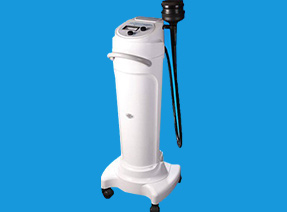
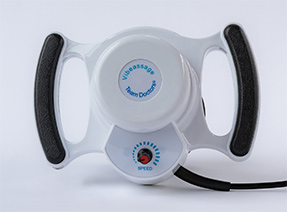
Low-amplitude vibration tools such as Vibeassage® Sport and Vibeassage® Pro are often discussed in educational contexts.
They are referenced alongside the TDX3 soft-as-the-hand Biomimetic Applicator Pad as examples of recovery tools used by Team Doctors®.
Research literature describes thoracic outlet anatomy and biomechanical influences.
Understanding these principles supports informed discussion rather than assumptions.
Team Doctors Resources
✓ Check out the Team Doctors Recovery Tools
The Vibeassage Sport and the Vibeassage Pro featuring the TDX3 soft-as-the-hand Biomimetic Applicator Pad
https://www.teamdoctors.com/
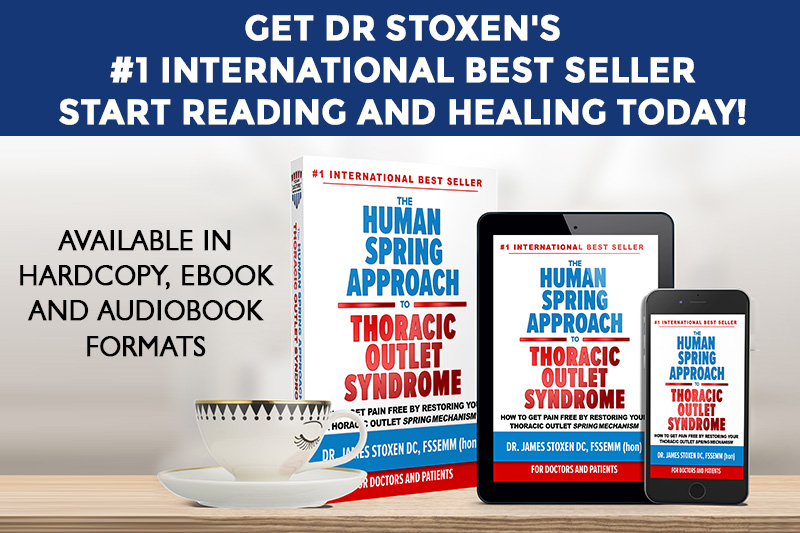
✓ Get Dr. Stoxen’s #1 International Bestselling Books
Learn how to understand, examine, and reverse your TOS—without surgery.
https://drstoxen.com/1-international-best-selling-author/
✓ Check out Team Doctors Online Courses
Step-by-step video lessons, demonstrations, and self-treatment strategies.
https://teamdoctorsacademy.com/
✓ Schedule a Free Phone Consultation With Dr. Stoxen
Speak directly with him so he can review your case and guide you on your next steps.
https://drstoxen.com/appointment/
#ThoracicOutletSyndrome #TOS #ArmPain #NerveCompression #Posture #Biomechanics #OfficePain #TechNeck #ShoulderPain #ArmNumbness #DeskJobHealth #Ergonomics #NeckPain #WorkRelatedPain #ClinicalObservation #MovementScience #HumanMovement #RecoveryEducation #TeamDoctors #DrStoxen
References
- Atasoy, E. “Thoracic Outlet Syndrome: Anatomy and Clinical Features.” Orthopedic Clinics of North America 29, no. 2 (1998): 265–303. https://pubmed.ncbi.nlm.nih.gov/9599321/
- Sanders, R. J., and S. L. Hammond. “Management of Thoracic Outlet Syndrome.” Journal of Vascular Surgery 46, no. 3 (2007): 601–604. https://pubmed.ncbi.nlm.nih.gov/17764883/
- Urschel, H. C., and R. D. Razzuk. “Neurovascular Compression in Thoracic Outlet Syndrome.” Annals of Thoracic Surgery 64, no. 2 (1997): 428–432. https://pubmed.ncbi.nlm.nih.gov/9262599/
- Novak, C. B., et al. “Provocative Testing for Thoracic Outlet Syndrome.” Journal of Hand Surgery 20, no. 2 (1995): 312–317. https://pubmed.ncbi.nlm.nih.gov/7775760/

Dr James Stoxen DC., FSSEMM (hon) He is the president of Team Doctors®, Treatment and Training Center Chicago, one of the most recognized treatment centers in the world.
Dr Stoxen is a #1 International Bestselling Author of the book, The Human Spring Approach to Thoracic Outlet Syndrome. He has lectured at more than 20 medical conferences on his Human Spring Approach to Thoracic Outlet Syndrome and asked to publish his research on this approach to treating thoracic outlet syndrome in over 30 peer review medical journals.
He has been asked to submit his other research on the human spring approach to treatment, training and prevention in over 150 peer review medical journals. He serves as the Editor-in-Chief, Journal of Orthopedic Science and Research, Executive Editor or the Journal of Trauma and Acute Care, Chief Editor, Advances in Orthopedics and Sports Medicine Journal and editorial board for over 35 peer review medical journals.
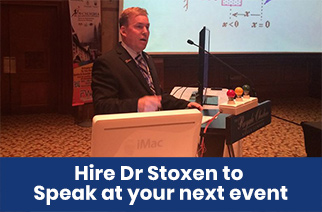
He is a much sought-after speaker. He has given over 1000 live presentations and lectured at over 70 medical conferences to over 50,000 doctors in more than 20 countries. He has been invited to speak at over 300 medical conferences which includes invitations as the keynote speaker at over 50 medical conferences.
After his groundbreaking lecture on the Integrated Spring-Mass Model at the World Congress of Sports and Exercise Medicine he was presented with an Honorary Fellowship Award by a member of the royal family, the Sultan of Pahang, for his distinguished research and contributions to the advancement of Sports and Exercise Medicine on an International level. He was inducted into the National Fitness Hall of Fame in 2008 and the Personal Trainers Hall of Fame in 2012.
Dr Stoxen has a big reputation in the entertainment industry working as a doctor for over 150 tours of elite entertainers, caring for over 1000 top celebrity entertainers and their handlers. Anthony Field or the popular children’s entertainment group, The Wiggles, wrote a book, How I Got My Wiggle Back detailing his struggles with chronic pain and clinical depression he struggled with for years. Dr Stoxen is proud to be able to assist him.
Full Bio) Dr Stoxen can be reached directly at teamdoctors@aol.com