Many individuals describe a long journey before they ever hear the term Thoracic Outlet Syndrome. They often begin with mild shoulder or arm symptoms that seem inconsistent or temporary. Over time, these symptoms may evolve into patterns that raise deeper concern, especially when individuals start searching phrases like why nothing helps my arm pain or i’ve tried everything arm pain.
Thoracic Outlet Syndrome involves compression within the thoracic outlet, a confined space bordered by the clavicle, first rib, cervical spine, and surrounding musculature. Within this region pass the brachial plexus, subclavian artery, and subclavian vein. When space within this corridor is altered, tissues that normally glide and adapt during movement may become stressed.
Patients often report frustration when symptoms persist despite rest, exercise, or various interventions. Searches such as when arm pain won’t stop and nothing works for my shoulder pain reflect a growing concern that something deeper is occurring. This is a pattern I commonly see when the condition has progressed beyond intermittent irritation.
As Thoracic Outlet Syndrome advances, symptoms may shift from activity-based discomfort to constant limitations. Individuals begin describing disabling arm pain and arm pain disability, not because of a single injury, but due to cumulative biomechanical and neurological stress. Shoulder elevation, cervical posture, and repetitive loading all contribute to narrowing within the outlet.
One critical aspect of evaluation involves careful observation of the hand. In my clinical experience, changes in the thenar eminence can provide meaningful insight. A visible or palpable gap within the muscle mass, especially when compared side to side, may indicate compromised neural input. This becomes particularly relevant when paired with complaints of loss of function arm pain or difficulty performing fine motor tasks.
Inspection of the interosseous muscles between the metacarpals is equally important. Atrophy or hollowing in these spaces may suggest long-standing compromise. When individuals report can’t lift arm anymore or can’t use my arm without pain, these findings may help explain why strength and coordination feel diminished.
Neurological symptoms often accompany advanced cases. Many individuals describe numbness in hand, numb fingers, or hand numbness and tingling that worsens with overhead activity or prolonged posture. These sensations may extend proximally, leading to numbness in arm and hand or numbness in arm and hand with shoulder pain, reflecting involvement along the brachial plexus pathway.
Vascular features may also appear. Some patients note cold hands, changes in skin color, or even a blue finger during certain positions. These observations raise concern for altered blood flow dynamics within the thoracic outlet, particularly when combined with fatigue or heaviness in the limb.
At this stage, individuals often begin asking larger questions. Searches like is surgery my only option or last option for thoracic outlet syndrome reflect not only pain but uncertainty. Living with persistent symptoms can lead to chronic pain burnout and chronic nerve pain frustration, especially when daily life becomes structured around limitations.
Many individuals describe arm pain ruining my life or shoulder pain affecting daily life because basic tasks such as dressing, driving, or sleeping become difficult. This constant adaptation can contribute to arm pain anxiety, particularly when symptoms fluctuate unpredictably.
From a biomechanical standpoint, prolonged compression may influence nerve health over time. While terminology like chronic nerve compression damage and end stage nerve compression appears frequently in patient searches, it reflects concern about duration rather than a single defining threshold. The longer tissues are exposed to altered mechanics, the more complex the presentation may become.
In advanced Thoracic Outlet Syndrome, movement patterns often change. Protective muscle guarding may develop around the neck, shoulder, and upper chest. This guarding can further reduce space within the outlet, creating a cycle where movement avoidance leads to stiffness and increased symptom sensitivity.
Individuals living with long-term symptoms often describe living with thoracic outlet syndrome as a constant balancing act. They may pace activities carefully to avoid flare-ups, yet still experience unpredictable episodes of pain or numbness. This uncertainty fuels searches like why won’t my arm heal and long term arm pain solutions.
Clinical evaluation at this stage requires a detailed examination approach. Postural assessment, shoulder girdle mechanics, cervical motion, and provocation testing all provide context. Imaging may help visualize structural contributors, but functional assessment remains essential in understanding how symptoms are reproduced.
Some individuals begin to fear long-term consequences. Phrases such as fear of permanent arm damage and permanent nerve damage risk appear frequently in advanced searches. While fear itself does not define pathology, it underscores the psychological toll of persistent symptoms.
It is also common for individuals to describe life with constant arm pain as isolating. Activities once enjoyed may be avoided, and social or occupational roles may change. This functional shift often accompanies severe thoracic outlet syndrome, where symptoms are no longer intermittent.
Hand symptoms deserve particular attention. Progressive weakness, altered grip, and sensory changes may coexist with hand numbness tingling or temperature differences. When these findings align with visible muscle changes, they warrant thorough documentation and monitoring.
In some cases, rib or chest wall symptoms emerge. Individuals may report discomfort described as tingling ribs symptoms, which can be confusing without an understanding of regional nerve distribution. These sensations may reflect broader involvement of thoracic or intercostal structures influenced by posture and movement.
At the most advanced end of the spectrum, individuals may describe themselves as desperate for arm pain relief. This language reflects cumulative frustration rather than a single clinical milestone. It is often at this point that people seek comprehensive explanations rather than isolated answers.
Educational discussions at this stage focus on understanding mechanisms rather than promising outcomes. Clarifying how nerve and vascular tissues respond to prolonged compression can help individuals contextualize their experience without assigning blame or certainty.
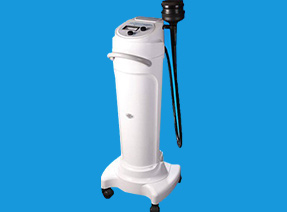
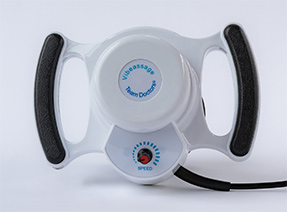
Support tools and educational resources may be explored alongside professional guidance. Many individuals seek information about products such as the Vibeassage® Sport or Vibeassage® Pro, particularly those featuring the TDX3 soft-as-the-hand Biomimetic Applicator Pad, as part of broader self-care education offered through Team Doctors® platforms.
It is important to emphasize that educational discussions do not replace individualized care. However, understanding patterns, anatomy, and progression can reduce confusion and help individuals articulate their experience more clearly during consultations.
Thoracic Outlet Syndrome exists along a spectrum. Early awareness, careful examination, and informed dialogue remain central themes, even when symptoms feel overwhelming. Education provides a framework for understanding what the body is signaling, especially when pain and limitation persist.
Team Doctors Resources
✓ Check out the Team Doctors Recovery Tools
The Vibeassage Sport and the Vibeassage Pro featuring the TDX3 soft-as-the-hand Biomimetic Applicator Pad
https://www.teamdoctors.com/
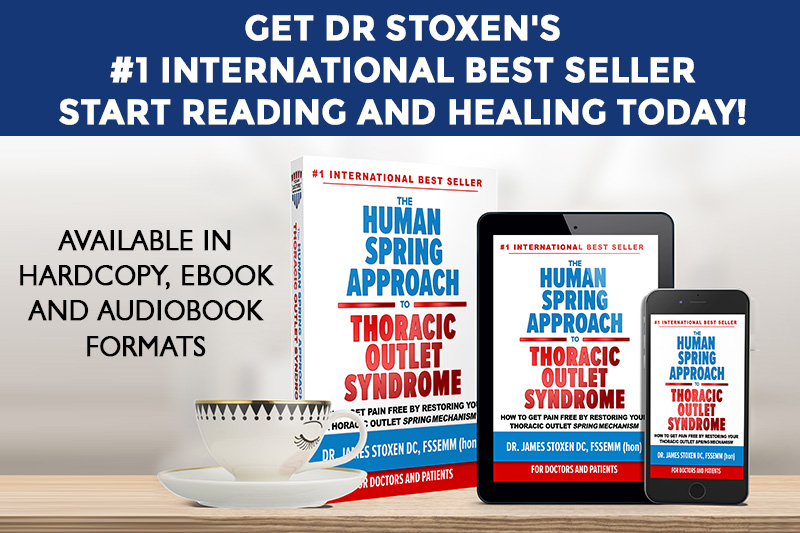
✓ Get Dr. Stoxen’s #1 International Bestselling Books
Learn how to understand, examine, and reverse your TOS—without surgery.
https://drstoxen.com/1-international-best-selling-author/
✓ Check out Team Doctors Online Courses
Step-by-step video lessons, demonstrations, and self-treatment strategies.
https://teamdoctorsacademy.com/
✓ Schedule a Free Phone Consultation With Dr. Stoxen
Speak directly with him so he can review your case and guide you on your next steps.
https://drstoxen.com/appointment/
#ThoracicOutletSyndrome #TOS #ArmPain #ShoulderPain #NerveCompression #HandNumbness #ChronicPain #UpperExtremityPain #Posture #Biomechanics #VascularCompression #BrachialPlexus #NeckShoulderPain #ArmWeakness #PainEducation #TOSAwareness #ClinicalObservation #MovementScience #AnatomyEducation #PatientEducation
References
- Sanders, R. J., & Hammond, S. L. Thoracic Outlet Syndrome: A Review. Journal of Vascular Surgery 55, no. 3 (2012): 897–902. https://doi.org/10.1016/j.jvs.2011.10.009
- Illig, K. A., et al. Thoracic Outlet Syndrome. Journal of Vascular Surgery 53, no. 3 (2011): 845–852. https://doi.org/10.1016/j.jvs.2010.08.008
- Urschel, H. C., & Razzuk, M. A. Neurovascular Compression in the Thoracic Outlet. Annals of Thoracic Surgery 49, no. 4 (1990): 699–703. https://doi.org/10.1016/0003-4975(90)90359-A
- Atasoy, E. Thoracic Outlet Compression Syndrome. Orthopedic Clinics of North America 27, no. 2 (1996): 265–303. https://pubmed.ncbi.nlm.nih.gov/8650002

Dr James Stoxen DC., FSSEMM (hon) He is the president of Team Doctors®, Treatment and Training Center Chicago, one of the most recognized treatment centers in the world.
Dr Stoxen is a #1 International Bestselling Author of the book, The Human Spring Approach to Thoracic Outlet Syndrome. He has lectured at more than 20 medical conferences on his Human Spring Approach to Thoracic Outlet Syndrome and asked to publish his research on this approach to treating thoracic outlet syndrome in over 30 peer review medical journals.
He has been asked to submit his other research on the human spring approach to treatment, training and prevention in over 150 peer review medical journals. He serves as the Editor-in-Chief, Journal of Orthopedic Science and Research, Executive Editor or the Journal of Trauma and Acute Care, Chief Editor, Advances in Orthopedics and Sports Medicine Journal and editorial board for over 35 peer review medical journals.
He is a much sought-after speaker. He has given over 1000 live presentations and lectured at over 70 medical conferences to over 50,000 doctors in more than 20 countries. He has been invited to speak at over 300 medical conferences which includes invitations as the keynote speaker at over 50 medical conferences.
After his groundbreaking lecture on the Integrated Spring-Mass Model at the World Congress of Sports and Exercise Medicine he was presented with an Honorary Fellowship Award by a member of the royal family, the Sultan of Pahang, for his distinguished research and contributions to the advancement of Sports and Exercise Medicine on an International level. He was inducted into the National Fitness Hall of Fame in 2008 and the Personal Trainers Hall of Fame in 2012.
Dr Stoxen has a big reputation in the entertainment industry working as a doctor for over 150 tours of elite entertainers, caring for over 1000 top celebrity entertainers and their handlers. Anthony Field or the popular children’s entertainment group, The Wiggles, wrote a book, How I Got My Wiggle Back detailing his struggles with chronic pain and clinical depression he struggled with for years. Dr Stoxen is proud to be able to assist him.
Full Bio) Dr Stoxen can be reached directly at teamdoctors@aol.com