Many individuals describe chest pain that feels sudden, intense, and alarming. Patients often report that these sensations can wake them from sleep and create fear of serious illness. In my clinical experience, these reports deserve careful mechanical evaluation rather than assumption.
Some people notice chest pains that occur repeatedly without clear triggers. These episodes may come with difficulty breathing or a feeling of tightness across the upper chest. This is a pattern I commonly see when rib and shoulder mechanics are involved.
Patients often report chest pain and arm pain occurring together. The discomfort may spread from the chest into the shoulder, arm, or hand. This combined presentation can feel confusing and unpredictable.
Others describe chest pain with arm pain that worsens during certain positions. Overhead activity or prolonged sitting may intensify symptoms. These positional changes suggest a mechanical component rather than an isolated organ issue.
A related pattern includes chest pain and neck pain that appear at the same time. Many individuals describe stiffness or tension at the base of the neck. This often coincides with restricted motion of the upper ribs.
Some patients describe discomfort best as thoracic pain rather than sharp pain. The sensation may feel deep, heavy, or pressing. This description aligns with load and compression through the upper torso.
When discussing thoracic chest pain, individuals often point to areas near the collarbone. They may notice symptoms change with posture or arm position. These observations provide important clues.
Reports of thoracic pain symptoms often include breathing difficulty. People describe feeling unable to take a full breath. This is a pattern I commonly see when rib excursion is limited.
Patients frequently ask about thoracic pain causes after medical testing shows no cardiac findings. Many individuals describe frustration when no explanation is given. Mechanical assessment can clarify these unanswered questions.
Some individuals report thoracic pain right side only. Others notice left-sided or alternating discomfort. Laterality often reflects which structures are under greater mechanical load.
People also describe thoracic back pain symptoms between the shoulder blades. This region plays a key role in rib movement and spinal coordination. Restriction here can influence chest mechanics.
Another common complaint is thoracic muscle pain that feels constant. Patients often report soreness that increases with stress or prolonged posture. Muscle guarding can amplify these sensations.
Questions about thoracic muscle pain treatment are common in educational settings. Many individuals want to understand why muscles remain tense. Learning about load distribution helps explain persistence.
Some patients notice chest pain around collar bone during daily activities. Carrying bags or working at a desk may worsen symptoms. This region contains multiple sensitive structures.
Others describe chest pain under the collarbone that feels deep and pressure-like. The sensation may spread toward the shoulder or chest wall. This is frequently associated with soft tissue compression.
People may also mention chest pain by the collarbone when reaching forward. This movement changes shoulder girdle position. Mechanical narrowing can occur.
Reports of chest pain below collar bone right side are not uncommon. Individuals may fear organ involvement. However, structural explanations often exist.
Some individuals relate symptoms to injury and describe thoracic injury symptoms that never fully resolved. Old trauma can alter movement patterns. These changes may persist for years.
Patients frequently ask about thoracic pain exercises in educational discussions. Understanding movement options helps individuals explore symptom patterns. Exercise selection depends on mechanics.
Another descriptive term is thoracic myalgia, used when muscle-based discomfort dominates. Patients often report aching and fatigue. This reflects sustained muscle activation.
Neck-related symptoms often include muscle spasms in neck. Sudden tightening can occur with stress or posture. These spasms influence rib and shoulder mechanics.
Many individuals describe tight scalene muscles during examination. These muscles attach to the ribs and neck. Their tone can affect breathing mechanics.
Discussion of the scalene muscles is essential in understanding upper chest mechanics. These muscles influence rib elevation. Persistent activation can restrict motion.
The pectoralis minor frequently plays a role in chest-related symptoms. This muscle connects the shoulder to the rib cage. Shortening can alter shoulder position.
Some individuals describe muscle under clavicle pain when lifting or reaching. This area includes multiple soft tissues. Compression here can feel alarming.
Educational discussions often include anterior scalene muscle mechanics. This structure lies close to important nerves and vessels. Changes in tone can influence space.
People researching anterior scalene syndrome symptoms often report chest tightness and arm discomfort. These descriptions overlap with thoracic outlet patterns. Understanding anatomy helps clarify this overlap.
Many individuals note tight scalene muscles symptoms that worsen with stress. Shallow breathing may increase tension. This cycle reinforces restriction.
The term pectoralis minor syndrome is sometimes used to describe shoulder and chest compression patterns. Individuals often report posture-related discomfort. This highlights the importance of shoulder position.
Educational material on anterior scalene syndrome often overlaps with thoracic outlet discussions. Both involve space reduction. Differentiation requires careful assessment.
Questions about muscles scalene treatment frequently arise. From an educational standpoint, understanding muscle function precedes any intervention discussion. Awareness is the first step.
Some individuals research anterior scalene syndrome treatment after long diagnostic journeys. They often seek explanations rather than promises. Education provides context.
The role of thoracic muscles extends beyond posture. These muscles coordinate breathing and movement. Dysfunction can affect chest sensation.
The subclavius muscle lies beneath the collarbone and influences clavicular motion. Tension here can affect shoulder mechanics. Patients may feel pressure in this region.
The phrase anterior scalene muscle syndrome appears in educational literature. It reflects compression concepts. These concepts relate closely to thoracic outlet discussions.
Surgical terms such as anterior scalenectomy appear in some research contexts. Patients often encounter these terms while searching for explanations. Education helps interpret them.
References to muscles scalene emphasize their collective function. These muscles assist breathing and neck stability. Overactivity can alter mechanics.
Some literature mentions pectoralis minor tenotomy in surgical contexts. Patients often seek to understand why such procedures are discussed. Mechanical compression explains interest.
Ultimately, many of these patterns intersect with thoracic outlet syndrome. This condition describes a space and load problem. It explains why chest pain can mimic serious disease.
Understanding these relationships allows individuals to view symptoms through a mechanical lens. Education reduces fear and confusion. Awareness encourages informed conversations.
Team Doctors Resources
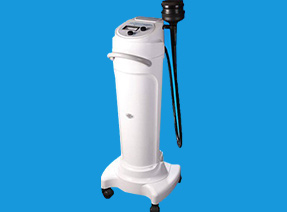
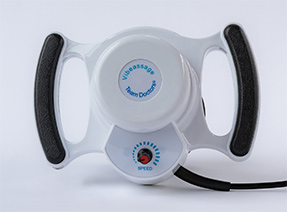
✓ Check out the Team Doctors Recovery Tools
The Vibeassage Sport and the Vibeassage Pro featuring the TDX3 soft-as-the-hand Biomimetic Applicator Pad
https://www.teamdoctors.com/
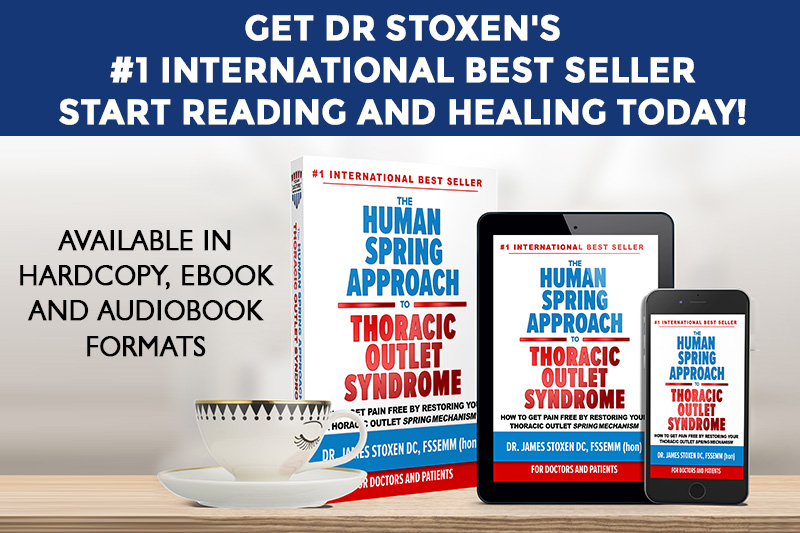
✓ Get Dr. Stoxen’s #1 International Bestselling Books
Learn how to understand, examine, and reverse your TOS—without surgery.
https://drstoxen.com/1-international-best-selling-author/
✓ Check out Team Doctors Online Courses
Step-by-step video lessons, demonstrations, and self-treatment strategies.
https://teamdoctorsacademy.com/
✓ Schedule a Free Phone Consultation With Dr. Stoxen
Speak directly with him so he can review your case and guide you on your next steps.
https://drstoxen.com/appointment/
#ThoracicOutletSyndrome #TOS #ChestPain #ThoracicPain #ScaleneMuscles #PectoralisMinor #RibMechanics #PostureEducation #Biomechanics #UpperChestPain #NeckPain #ArmPain #BreathingMechanics #MuscleGuarding #ThoracicSpine #ShoulderMechanics #PatientEducation #ClinicalPatterns #MechanicalPain #TeamDoctors
References:
- Atasoy, E. “Thoracic Outlet Syndrome: Anatomy and Pathophysiology.” Hand Clinics 20, no. 1 (2004): 7–14. https://doi.org/10.1016/S0749-0712(03)00086-4
- Sanders, R. J., and E. P. Hammond. “Management of Thoracic Outlet Syndrome.” Journal of Vascular Surgery 46, no. 3 (2007): 601–604. https://doi.org/10.1016/j.jvs.2007.05.036
- Roos, D. B. “Congenital Anomalies Associated with Thoracic Outlet Syndrome.” American Journal of Surgery 132, no. 6 (1976): 771–778. https://doi.org/10.1016/0002-9610(76)90237-9
- Illig, K. A., et al. “Thoracic Outlet Syndrome.” Journal of Vascular Surgery 53, no. 3 (2011): 845–852. https://doi.org/10.1016/j.jvs.2010.08.056

Dr James Stoxen DC., FSSEMM (hon) He is the president of Team Doctors®, Treatment and Training Center Chicago, one of the most recognized treatment centers in the world.
Dr Stoxen is a #1 International Bestselling Author of the book, The Human Spring Approach to Thoracic Outlet Syndrome. He has lectured at more than 20 medical conferences on his Human Spring Approach to Thoracic Outlet Syndrome and asked to publish his research on this approach to treating thoracic outlet syndrome in over 30 peer review medical journals.
He has been asked to submit his other research on the human spring approach to treatment, training and prevention in over 150 peer review medical journals. He serves as the Editor-in-Chief, Journal of Orthopedic Science and Research, Executive Editor or the Journal of Trauma and Acute Care, Chief Editor, Advances in Orthopedics and Sports Medicine Journal and editorial board for over 35 peer review medical journals.
He is a much sought-after speaker. He has given over 1000 live presentations and lectured at over 70 medical conferences to over 50,000 doctors in more than 20 countries. He has been invited to speak at over 300 medical conferences which includes invitations as the keynote speaker at over 50 medical conferences.
After his groundbreaking lecture on the Integrated Spring-Mass Model at the World Congress of Sports and Exercise Medicine he was presented with an Honorary Fellowship Award by a member of the royal family, the Sultan of Pahang, for his distinguished research and contributions to the advancement of Sports and Exercise Medicine on an International level. He was inducted into the National Fitness Hall of Fame in 2008 and the Personal Trainers Hall of Fame in 2012.
Dr Stoxen has a big reputation in the entertainment industry working as a doctor for over 150 tours of elite entertainers, caring for over 1000 top celebrity entertainers and their handlers. Anthony Field or the popular children’s entertainment group, The Wiggles, wrote a book, How I Got My Wiggle Back detailing his struggles with chronic pain and clinical depression he struggled with for years. Dr Stoxen is proud to be able to assist him.
Full Bio) Dr Stoxen can be reached directly at teamdoctors@aol.com