Disclaimer: This content is educational only and does not replace medical advice. Individual outcomes vary. Consult a qualified healthcare professional before making treatment decisions.
Before Surgery: A Healthy Teen, Then Circulation Collapse (Yvonne’s Perspective)
A Strong, Capable Beginning
Brady’s life looked normal—better than normal—before the circulation problems began. At sixteen, he was the kind of teenager who naturally moved through the world with strength and stamina. He worked hard and played hard. He took pride in earning his place in the restaurant kitchen, starting at the bottom as a dishwasher and rising quickly into greater responsibility because he could handle the pace. He carried heavy pots, lifted trays, gripped hot pans, and stood for long shifts without any complaint. Yvonne watched her son build confidence through effort. He was active in hockey and lacrosse, sports that demanded endurance, quick reflexes, and strong shoulders and arms. He had the physical identity of a young athlete—capable, fast, and resilient.
No Early Warning Signs
Nothing about Brady’s early life suggested future disability. There were no injuries that seemed severe enough to explain what would happen later. There was no medical history that raised concern. He was not fragile. He was not weak. He was not the type of young man who avoided hard work. Yvonne remembered that the most predictable thing about her son was his ability to power through long days and recover quickly. He wasn’t living with arm swelling and pain, he wasn’t showing arm circulation problems, and he wasn’t dealing with circulatory issues arm pain. He didn’t have cold hand or arm sensations. He wasn’t experiencing poor circulation in arm function. He wasn’t dealing with blood flow issues in arm limitations. His hands were warm, his grip was strong, and the connection between effort and performance still made sense.
The First Subtle Symptoms
Then the first symptoms arrived quietly—small enough at first that they seemed like the kind of complaints teenagers get after long hours at work or gaming. Brady mentioned tingling and numbness in his hands. He sometimes described a feeling like his arms had been “overworked,” even when the day’s activity hadn’t been extreme. At first, the family assumed posture, overuse, or the long hours he spent holding a phone or controller might be irritating nerves. Yvonne did what most parents do: she watched, she listened, she tried to stay calm, and she expected the problem to fade the way minor issues usually do in a healthy sixteen-year-old.
When Symptoms Refused to Fade
But the sensations didn’t fade. They repeated. They intensified. Brady’s grip began to change—subtly at first. He dropped objects more often than he used to. It wasn’t clumsiness. It was as if the signal between his brain and his hand wasn’t clean. He tried to compensate, squeezing harder, paying more attention, using two hands instead of one. Still, things slipped. Yvonne saw it in small moments: a glass that tipped, a phone that fell, a utensil that clattered to the floor. The change was strange because Brady had always been coordinated. He had always been steady. Now he seemed uncertain about his own hands.
Visible Changes in Circulation
Soon the symptoms turned visibly vascular. His hands began to look different. There were moments when they appeared unusually pale, and then moments when they looked overly red. Yvonne noticed that his fingers sometimes seemed to lose their normal warmth. This wasn’t a minor chill; it was the kind of cold that made his hands look like they didn’t belong to him. Brady started to describe pressure in his arms when he did routine activities. He felt his arms tighten and fatigue in ways he couldn’t explain. That’s when Yvonne began to suspect that the problem wasn’t just nerves or posture—it might be blood flow.
The First Frightening Color Change
The first time Yvonne saw a true color change—when Brady’s hand shifted toward a bluish tone—she felt a fear she hadn’t felt before. This wasn’t subjective pain. This was visible. It was the kind of sign that makes a mother’s mind race. It looked like blue or purple hand discoloration, and it became harder to deny as the episodes repeated. Brady’s symptoms progressed into classic vascular tos signs, though Yvonne didn’t know the term yet. She only knew what she was seeing: the hand of a strong teenage athlete occasionally looked like it wasn’t getting what it needed.
From Symptoms to Disability
As months passed, Brady’s symptoms became undeniably disabling. His arms began to feel heavy during activity. He described a sensation of tightness and fullness that didn’t match muscle soreness. It felt internal, deep, pressurized. He began to experience arm feels heavy and tight episodes, especially after work or any prolonged use of his arms. When he tried to push through, the symptoms escalated—more heaviness, more pressure, and more fatigue. That heaviness became paired with swelling. Yvonne noticed that after activity his arm could look larger, tighter, and more congested, as if the normal flow in and out wasn’t happening. Brady began showing arm heaviness and swelling, and those episodes became more frequent.
Living With Constant Cold and Pressure
Cold sensitivity worsened. Brady’s hands weren’t just “cold.” He developed a constant cold hand circulation problem, the kind that made him seek warmth as if warmth were medication. He started to run his hands under hot water more often. Yvonne initially thought it was a comfort habit. She didn’t realize it was one of the few ways he could briefly interrupt the pain and pressure he felt when his circulation seemed compromised. When the cold became severe, Brady described the sensation like suffocation in his forearms, as if something inside was constricting. That kind of description matched what he later learned were vascular nerve compression symptoms, but in those early months it was simply terrifying.
Entering the Medical System
The family entered the medical system at this point, but the system did not provide immediate clarity. They went through the familiar cycle: primary care appointments, referrals, scans, and specialist consultations. Each step came with a new theory, and each theory came with new uncertainty. Some clinicians suggested overuse. Others suggested anxiety. Some suspected nerve irritation without clear explanation for the color change. Brady didn’t just have pain; he had vascular signs—visible symptoms that pointed toward a true circulation disorder.
Proof That Something Was Wrong
Eventually, imaging began to reveal what the family had been living with. Tests showed reduced blood flow to arm circulation, especially in certain positions or with activity. That was the first moment when Yvonne felt she could finally point to something concrete. It wasn’t imagined. It wasn’t exaggerated. It wasn’t “teen stress.” The numbers and images showed that Brady’s arm circulation wasn’t normal. Clinicians began to talk about blood flow obstruction arm dynamics, indicating that blood movement was being impeded somewhere near the shoulder region.
A New Diagnosis Takes Shape
As physicians explored the shoulder region, the concept of vein compression in shoulder space emerged. Brady’s symptoms fit the pattern of vascular thoracic outlet symptoms, where vessels are compromised as they pass through a region of tight anatomical space. Yvonne learned new words: compression, obstruction, vascular compromise. She also learned a more frightening phrase—blood flow blocked to arm—because that phrasing turned the problem into an emergency in the minds of many clinicians.
The Push Toward Surgery
With that framing, the discussion shifted quickly from investigation to intervention. The family was told the condition could worsen. They were warned about risk to tissue. They were told that compromised flow could mean permanent damage. Yvonne felt her choices narrowing. Her son was suffering. The symptoms were measurable. The medical system sounded urgent. And the solution offered most strongly was surgery—specifically thoracic outlet syndrome surgery.
A Question No Parent Wants to Face
Yvonne remembers how quickly the conversation turned. Instead of careful exploration of options, it felt like a countdown. The messaging was fear-based even when it was delivered calmly. Brady’s case was discussed as if it had only one path forward. The question that echoed in Yvonne’s mind was the same one many families ask in a crisis: do i need thoracic outlet surgery?
What Was Never Fully Explained
What Yvonne did not receive at that moment was a thorough, balanced map of alternatives. She wasn’t given a structured plan for what to do before surgery. She wasn’t offered meaningful time to explore why a teenager who had been strong and healthy could suddenly have such profound vascular symptoms. She wasn’t guided through the full scope of thoracic outlet surgery risks with the depth she would later wish she had. She wasn’t walked through the reality of thoracic outlet surgery complications and the possibility that pain after thoracic outlet surgery could become worse, not better.
A Mechanical Solution to a Living System
Instead, the discussion was framed as if the issue was a mechanical blockage that needed removal. That framing led directly to the surgical plan: remove the first rib and remove surrounding muscle to create more space. Yvonne, like most mothers, focused on one thing—saving her child from danger. If doctors said blood flow was compromised and surgery would restore it, she wanted to believe them. She wanted her son’s arms warm again. She wanted him to stop living around symptoms.
The Decision That Changed Everything
So she agreed.
The True Turning Point
That decision would become the pivot point of the story—a story not simply about medical choices, but about the consequences of a model that treated Brady’s body like a fixed structure instead of a living suspension system. It would become a story about a young man whose circulation did not recover through removal, but later improved through restoration. At the time, however, none of that was known. Yvonne only knew her son was suffering and the system was telling her surgery was the answer.
Surgery, Failure, and Worsening Circulation
A Shift From Symptoms to Surgical Urgency
Once the diagnosis shifted toward vascular compression, the tone of every medical conversation changed. What had once been treated as a puzzling collection of symptoms was now framed as an urgent structural problem. The discussion centered on restoring circulation, preventing tissue damage, and avoiding long-term consequences. For Yvonne, the warnings were frightening and overwhelming. Doctors emphasized that Brady’s symptoms—his poor circulation in arm, visible blue or purple arm symptoms, and worsening arm swelling and pain—were not just uncomfortable but potentially dangerous.
The Promise of a Structural Fix
The explanation given was straightforward and deceptively reassuring. Surgeons believed that Brady’s blood flow blocked to arm circulation was being caused by compression at the thoracic outlet, the narrow space between the neck and shoulder through which major blood vessels and nerves pass. They pointed to imaging that showed reduced blood flow to arm structures and suggested that removing physical barriers would permanently solve the problem. The phrase thoracic outlet syndrome surgery was introduced as though it were a logical, definitive fix rather than a major, irreversible intervention.
When Choice Becomes Pressure
Yvonne asked questions, but the answers always circled back to urgency. The message was consistent: if the compression wasn’t relieved, Brady’s blood flow issues in arm function could worsen. Tissue damage, clotting, or permanent loss of function were implied risks. This framing left little room for hesitation. The unspoken pressure was clear—delay could cost her son his arm. In that context, the question do i need thoracic outlet surgery felt less like a choice and more like an obligation.
What Was Never Fully Explained
What Yvonne did not hear was a balanced explanation of thoracic outlet surgery risks. There was little discussion of how often thoracic outlet surgery complications occur, how unpredictable thoracic outlet surgery recovery can be, or how variable TOS surgery outcomes are, especially in young patients. She was not told how frequently patients experience persistent pain after thoracic outlet surgery, nor was she warned that nerve damage after TOS surgery could create symptoms far worse than the original condition. The possibility of blood clot risk after TOS surgery was mentioned briefly, but not in a way that conveyed how serious or life-altering such complications could be.
The First Operation and Its Promise
In April 2018, Brady underwent his first thoracic outlet syndrome surgery. The procedure involved removing his first rib on the affected side and cutting supportive neck muscles in an attempt to decompress the vascular structures. Surgeons assured Yvonne that this would restore circulation, eliminate the blood flow obstruction arm, and resolve the visible arm discoloration and pain. She waited in the hospital, holding onto the belief that this invasive step would finally bring relief.
Expectations of Normal Surgical Recovery
The immediate aftermath of surgery was difficult but expected. Brady was sore, weak, and recovering from major trauma to his body. Yvonne told herself that healing takes time. She reminded Brady to be patient. Everyone involved expected improvement as swelling decreased and the surgical site healed. But instead of gradual progress, something else happened.
Circulation Worsens Instead of Improving
Brady’s hands grew colder than they had ever been before. The cold hand circulation problem intensified rather than improved. His fingers turned pale, then bluish, then sometimes deep purple, showing unmistakable blue or purple hand changes. The pressure in his arms didn’t ease; it increased. He began experiencing constant arm heaviness and swelling, even at rest. Activities that had been difficult before surgery now felt impossible. It became clear that surgery didn’t fix arm pain—it amplified it.
Living With Intensified Compression
Yvonne watched in disbelief as Brady struggled more after surgery than he had before. The promise of restored circulation never materialized. Instead, Brady described sensations of suffocation in his forearms, as if oxygen and blood simply could not reach his hands. The arm circulation disorder symptoms that once appeared intermittently now dominated every hour of his day. The idea that surgery was supposed to “create space” no longer made sense when his arms felt more compressed than ever.
Heat as the Only Temporary Relief
Desperate for relief, Brady developed coping strategies that highlighted how severe his symptoms had become. He ran his hands under hot water repeatedly throughout the day, sometimes ten times or more, seeking temporary relief from the crushing cold and pain. Heat became his only escape from the relentless circulatory issues arm pain. Yvonne bought heating pads, heated gloves, and anything else that might help. These measures provided minutes of relief at best. As soon as the heat was removed, the arm circulation problems returned with full intensity.
Emotional Fallout After Surgery
The emotional toll was immediate. Yvonne felt guilt for consenting to surgery. Brady felt betrayed by his own body and by a system that had promised improvement. Follow-up appointments brought little comfort. Surgeons insisted that healing took time. They explained that swelling could temporarily worsen symptoms. But as weeks turned into months, it became clear that this was not temporary.
Escalating Swelling and Vascular Distress
Brady began experiencing arm swelling after activity so severe that even small tasks triggered visible changes. His arm would swell, tighten, and become painful after minimal use. At times, the swelling extended into his hand, causing hand swelling and discoloration that alarmed everyone who saw it. The sensation of pressure was constant, matching descriptions of vascular nerve compression symptoms rather than simple post-surgical soreness.
When Failure Is Reframed as Recurrence
Eventually, the surgeons acknowledged that the outcome was not what they had expected. Yet instead of questioning the original approach, they reframed the problem. They suggested that perhaps the compression existed on the opposite side as well. They discussed revision thoracic outlet surgery as the next step. To Yvonne, this suggestion was devastating. The first operation had already resulted in failed thoracic outlet surgery, leaving her son worse off. The idea that more removal would fix the damage felt illogical, but she was still being told that surgery was the only option.
Escalation Rather Than Resolution
The concept of recurrence after thoracic outlet surgery was introduced, though in Brady’s case it felt less like recurrence and more like escalation. His arm swelling from compression was more severe. His arm vein pain was constant. His blood flow problems shoulder region appeared more unstable than before. Despite this, the medical narrative remained focused on structural removal rather than functional restoration.
The Second Surgery and Rapid Decline
In February 2020, under immense pressure and with no meaningful alternatives offered, Brady underwent a second operation. This time, the surgery targeted the opposite side. The hope was that bilateral decompression would finally restore normal circulation. Instead, the second surgery marked a dramatic decline.
Systemic Breakdown After Bilateral Surgery
The procedure was more traumatic than the first. Brady experienced complications during and after the operation. Pain spread beyond his arms into his neck, chest, upper back, and eventually his lower back. His entire body seemed locked in a state of tension and distress. The surgery made symptoms worse in every measurable way. His arm feels heavy and tight sensation intensified. The swollen arm after exercise episodes became more frequent and severe. The cold in his hands deepened. The idea of life after thoracic outlet surgery now meant survival rather than recovery.
Defining Surgical Failure
At this point, Brady’s condition met every definition of when surgery fails TOS. He had lost ribs and muscles, yet his circulation had not improved. Instead, he was living with compounded trauma, altered anatomy, and escalating pain. The very procedures meant to solve his vascular thoracic outlet symptoms had destabilized his body further.
Silence, Distance, and No Accountability
Yvonne’s anger grew—not just at the outcome, but at the absence of accountability. Surgeons became distant. Follow-up visits offered little explanation. There was no roadmap for recovery, no acknowledgment that the surgeries themselves might have caused long-term harm. The phrase thoracic outlet syndrome without surgery was never mentioned, despite the fact that surgery had clearly not restored Brady’s function.
From Hope to Loss
By the time the medical system exhausted its willingness to engage, Brady was no longer the teenager who had entered it seeking help. He was a young man living with constant pain, severe arm circulation disorder symptoms, and a body that no longer felt like his own. Yvonne watched her son retreat from life, overwhelmed by physical suffering and emotional despair. The promise of surgery had turned into a reality of loss, and the system that had insisted it was necessary now had no answers left.
Life After Failed Surgery, Lost Hope, and No Answers
A Reality Far From Recovery
Life after the second operation bore no resemblance to recovery. What Brady experienced instead was a steady unraveling of his ability to function, physically and emotionally. The promise that surgery would restore circulation had not only failed—it had left him worse off than before. His daily reality was now defined by constant pain, severe limitation, and an overwhelming sense of loss. This was the reality of life after thoracic outlet surgery, not as it had been described in preoperative conversations, but as it was lived.
Morning Pain and Circulatory Failure at Rest
Brady woke each morning in pain. Getting out of bed took time, effort, and mental preparation. His arms often felt swollen and congested before the day even began. The sensation of arm swelling and pain was no longer tied only to activity; it was present at rest. His hands were frequently cold, stiff, and unresponsive, a persistent cold hand circulation problem that made even small movements uncomfortable. On bad days, his fingers would change color within minutes of using his hands, showing blue or purple arm symptoms and blue or purple hand discoloration that made it impossible to ignore the severity of his condition.
Everyday Tasks Becoming Physically Impossible
Simple routines became exhausting. Washing his hair required breaks because holding his arms up triggered immediate arm pressure with activity. Brushing his teeth, shaving, or dressing himself could take hours because his grip weakened so quickly. Yvonne watched her son struggle with tasks that had once taken seconds. He dropped objects constantly. Glasses shattered. Plates fell. Phones slipped from his hands. These weren’t accidents; they were symptoms of worsening arm circulation problems and arm circulation disorder symptoms that robbed him of control.
The Physical Toll of Eating and Holding Utensils
Eating was particularly difficult. Holding utensils caused pain, pressure, and fatigue. Yvonne found herself cutting her adult son’s food so he could eat faster before his hands failed him. Even then, the act of chewing and swallowing felt secondary to the strain of simply holding a fork. Cold drinks were almost impossible. Touching a cold glass triggered immediate discomfort because of cold hand or arm sensitivity, forcing Brady to set it down. Over time, he avoided eating and drinking not because he lacked appetite, but because the process itself had become too physically demanding.
Swelling, Vein Pain, and Worsening Blood Flow Obstruction
The swelling worsened with any form of exertion. If Brady tried to do more than the bare minimum, he experienced pronounced arm swelling after activity and swollen arm after exercise episodes. His arm would become visibly larger, tighter, and more painful, often accompanied by deep, aching arm vein pain. The pressure felt internal, as though circulation could not move freely through his shoulder and arm. These episodes reflected ongoing blood flow problems shoulder dynamics and persistent blood flow obstruction arm patterns that surgery had failed to resolve.
The Emotional Collapse After Physical Decline
Emotionally, the toll was devastating. Brady was no longer working. He had lost his job, his sports, and his independence. Days blurred together as he spent most of his time in his room, trying to manage pain and conserve energy. Depression settled in slowly, then all at once. Yvonne could see it in his eyes—the loss of hope, the constant exhaustion, the anger at a body that no longer obeyed him. He felt betrayed, not just by the surgeries, but by the medical system that had insisted they were necessary.
A Mother’s Guilt After Consenting to Surgery
Yvonne carried her own burden. As a mother, she replayed the decision to consent to surgery endlessly. She wondered if she should have asked more questions, waited longer, or sought different opinions. She felt guilt watching her son suffer with complications that fit the description of failed thoracic outlet surgery. The idea that the surgeries had not only failed to help but had actively harmed her son was almost unbearable.
Medical Abandonment and Vanishing Follow-Up Care
The family continued to seek help, but doors began to close. Surgeons who had once been confident became distant. Follow-up appointments grew shorter and less informative. There was no clear explanation for why Brady’s vascular thoracic outlet symptoms were worse than before. There was no roadmap for healing. Instead, there were vague reassurances and suggestions to “give it more time,” even as months passed with no improvement.
When the System Turns Away After Surgery Fails
At one point, Yvonne reached out to multiple specialists, hoping someone would be willing to reassess Brady’s case. Many refused outright. Others reviewed his history and declined to see him. The message was subtle but clear: when when surgery fails TOS, the system often has little interest in addressing the aftermath. Brady had become a complicated case, one that did not fit neatly into surgical success narratives or recovery timelines.
Emergency Visits, Panic, and Unanswered Questions
Emergency room visits became part of their life. On several occasions, Brady experienced such severe pain and pressure in his chest and arms that he feared he was having a heart attack. Panic attacks followed, fueled by constant discomfort and fear. Hospital visits offered temporary reassurance but no lasting solutions. Imaging showed ongoing issues, but no one could—or would—explain why removing ribs and muscles had not improved his reduced blood flow to arm circulation.
A Permanent New Baseline of Dysfunction
As years passed, the reality set in that this was not a temporary setback. This was not delayed healing. This was a new baseline. Brady’s body was locked in a state of dysfunction. The surgeries had altered his anatomy permanently, yet the core problem—circulation compromise—remained. His arm swelling from compression persisted. His arm color changes pain episodes continued. His circulatory issues arm pain dominated every aspect of his life.
Seven Years of Pain and the Fear of No Recovery
Yvonne began to fear that this was it. Seven years had passed since the first symptoms appeared. Five years had passed since the first surgery. The idea that her son might never recover became a constant, haunting thought. She watched him withdraw from friends, avoid social situations, and abandon plans for the future. Hope felt dangerous because it had been crushed so many times before.
Searching Beyond Medicine for Answers
Desperation eventually drove Yvonne to search for answers outside the traditional medical system. Late at night, after work and caregiving, she scoured the internet. She read forums, watched videos, and listened to patient stories. That’s when she began to see a pattern that terrified and validated her at the same time. She found countless accounts of people whose symptoms worsened after surgery—stories describing thoracic outlet surgery complications, persistent pain after thoracic outlet surgery, and long-term disability.
Realizing This Story Was Repeating Worldwide
She realized Brady was not alone.
A Disturbing Pattern of Surgical Failure
Story after story described the same arc: a healthy person develops unexplained symptoms, imaging suggests compression, surgery is recommended urgently, and after surgery the patient is worse. These weren’t rare anomalies. They were repeated narratives. The phrase avoid thoracic outlet surgery appeared again and again, not as a slogan, but as a warning born from lived experience.
A Video That Changed Everything
One video in particular stopped Yvonne cold. A woman named Danielle described a journey almost identical to Brady’s. She talked about surgery that failed, worsening symptoms, years of pain, and eventual recovery through a non-surgical approach. It felt as though someone had been narrating Brady’s life. Yvonne and Brady watched together, stunned. For the first time in years, they saw a version of their story that didn’t end in permanent disability.
The Name That Marked a Turning Point
At the end of Danielle’s story, one name stood out: Dr. James Stoxen.
A Different Explanation That Finally Made Sense
That name became a turning point—not because it promised a miracle, but because it offered an explanation that finally made sense. The videos did not talk about removing bones or cutting muscles. They talked about function, posture, mechanics, and restoring space rather than destroying it. They talked about thoracic outlet syndrome without surgery as a real, viable path.
The Return of Cautious Hope
For the first time in years, Yvonne felt something she hadn’t allowed herself to feel: cautious hope.
Seeking Understanding, Not Promises
When Yvonne first contacted Dr. James Stoxen, she was no longer looking for promises. She was looking for understanding. Years of failed interventions had taught her to distrust quick fixes. What immediately distinguished Dr. James Stoxen was not optimism, but explanation. He did not begin by reviewing scans alone. He began by listening—listening to the timeline, the progression, and the way Brady’s symptoms behaved under load, posture, and movement. For the first time since the onset of poor circulation in arm symptoms, the story itself mattered.
A Different Explanation for Vascular Symptoms
During their initial conversation, Dr. James Stoxen explained that many cases labeled as vascular thoracic outlet symptoms are not caused by a single rigid structure blocking blood flow. Instead, they are often the result of functional collapse within the shoulder suspension system. Brady’s worsening arm circulation problems, arm swelling and pain, and blood flow issues in arm function were not random failures. They followed predictable biomechanical patterns that surgery had not only failed to correct but had worsened.
The Human Spring Approach
This explanation was grounded in what Dr. James Stoxen calls the Human Spring Approach. Rather than viewing the body as a collection of static parts that need to be cut away to create space, the Human Spring Approach views the body as a dynamic suspension system. In this model, the shoulders, spine, rib cage, and soft tissues work together like springs and cables. When those springs lose tension, collapse, or are disrupted, space for nerves and blood vessels disappears. Cutting structures out does not restore that space—it destabilizes it.
How Surgery Made Things Worse
In Brady’s case, Dr. James Stoxen identified that his surgeries had removed key structural components that helped maintain shoulder elevation and balance. Without them, the shoulder complex collapsed downward, increasing vascular compression shoulder forces rather than relieving them. This explained why Brady experienced worsening arm heaviness and swelling, escalating arm pressure with activity, and persistent blood flow obstruction arm patterns after surgery. The surgeries had not addressed the functional cause; they had intensified it.
A Thorough, Unrushed Evaluation
When Dr. James Stoxen finally examined Brady in person, the evaluation was unlike anything the family had experienced. The assessment lasted hours, not minutes. Posture, shoulder height, rib movement, spinal mechanics, and tissue response were all evaluated. Dr. James Stoxen traced the exact points where vein compression in shoulder dynamics increased during movement and load. He identified how Brady’s altered anatomy forced the body into compensatory patterns that worsened arm swelling after activity and swollen arm after exercise episodes.
Why Imaging Failed to Tell the Whole Story
Crucially, Dr. James Stoxen explained why the imaging findings had been misleading. While tests showed reduced blood flow to arm circulation, they did not explain why that reduction occurred. Surgery had treated the image, not the mechanism. The Human Spring Approach focused on restoring the suspension system so that space could be recreated naturally, allowing vessels and nerves to pass without compression.
Conservative Treatment That Addressed the Cause
Treatment began immediately, and it did not involve surgery, injections, or invasive procedures. It involved precise manual therapy, controlled positioning, and progressive movement designed to re-establish functional balance. This was conservative treatment for thoracic outlet syndrome in its truest sense—addressing the cause rather than reacting to symptoms. Techniques were used to elevate and stabilize the shoulder complex, reduce tension on compressed structures, and normalize movement patterns that had been distorted by years of pain and surgery.
Early Changes That Had Never Happened Before
Within days, changes appeared that had not occurred in years. Brady’s hands began to warm. The relentless cold hand circulation problem eased. The visible blue or purple arm symptoms diminished. Yvonne watched as the blue or purple hand discoloration that had become a daily sight began to fade. Brady reported that the crushing pressure in his arms was less intense. The constant arm feels heavy and tight sensation loosened for the first time since his surgeries.
Momentum Builds With Continued Care
As treatment continued, the improvements accelerated. Episodes of arm swelling from compression became less frequent. Hand swelling and discoloration decreased. Brady could use his arms for longer periods without triggering severe symptoms. For the first time in years, he experienced improve blood flow without surgery, something the medical system had told him was impossible.
The Emotional Shift Toward Hope
Emotionally, the change was just as dramatic. Hope returned cautiously at first, then more confidently as progress held. Yvonne watched her son begin to plan again. He talked about the future instead of surviving the day. The depression that had shadowed him began to lift as his body responded to care that respected its mechanics rather than dismantling them.
Redefining Recovery After Surgery
Dr. James Stoxen was clear throughout the process: recovery did not mean undoing the surgeries. Those changes were permanent. Recovery meant teaching the body to function optimally despite them. This distinction mattered. It reframed Brady’s condition from irreversible damage to manageable dysfunction. The Human Spring Approach did not promise perfection—it delivered function.
Life Slowly Returns to Normal
As weeks passed, Brady’s life began to resemble something recognizable. He could perform daily tasks without fear. Eating, grooming, and holding objects no longer triggered immediate pain. The constant arm vein pain diminished. Episodes of arm color changes pain became rare. The cycle of circulatory issues arm pain that had dominated his existence finally loosened its grip.
A Mother’s Perspective on Failed Surgery
For Yvonne, the transformation was overwhelming. After years of watching her son deteriorate following failed thoracic outlet surgery, she was witnessing genuine recovery. This was not a temporary flare reduction or a placebo response. It was structural and functional change. It was non-surgical recovery TOS in action.
The Hard Truth About Missed Options
Brady’s outcome forced Yvonne to confront a difficult truth: the surgeries had not been inevitable. They had not been the only option. Had the Human Spring Approach been explained before the first operation, Brady might never have lost ribs and muscles. He might never have endured years of worsening pain. This realization fueled both gratitude and anger—gratitude for recovery, anger for what had been lost.
A Warning and a Guide for Others
Today, Brady’s story stands as a warning and a guide. It illustrates what can happen when surgery fails TOS, but it also shows what is possible when the body is understood correctly. His recovery demonstrates that thoracic outlet syndrome without surgery is not only possible, but often preferable. It highlights the importance of asking hard questions before committing to irreversible procedures and understanding thoracic outlet surgery decision consequences fully.
Choosing Alternatives Before It’s Too Late
Yvonne now speaks openly about her experience, urging others to explore alternatives to thoracic outlet surgery before agreeing to invasive interventions. She emphasizes that natural recovery from thoracic outlet syndrome is not a fantasy—it is a documented outcome when care respects biomechanics and restores function. Her message is simple and urgent: cutting structures should never come before understanding why they are under stress.
A Life No Longer Defined by Surgery
Brady’s life is no longer defined by life after thoracic outlet surgery in the way it once was. Instead, it is defined by resilience, recovery, and the hard-earned knowledge that the body heals best when it is supported, not dismantled. His journey stands as proof that the right explanation can change everything—and that sometimes the most powerful intervention is the one that never cuts at all.
Structural Surgery vs. Human Spring Evaluation
Why Surgery for Thoracic Outlet Syndrome Can Fail When Spring Mechanics Are Ignored
| Structural Surgery Model | Human Spring Evaluation (Dr. James Stoxen) |
| Focuses on removing anatomy (rib, muscle, scalene tissue) believed to be compressing nerves or vessels | Focuses on how the body creates and maintains space dynamically through elastic spring behavior |
| Assumes compression is a static structural problem | Recognizes compression as a dynamic load-management problem |
| Relies heavily on imaging and anatomy | Relies on functional testing, movement analysis, and load tolerance |
| Measures “success” by technical completion of surgery | Measures progress by restoration of function, nerve calm, and movement capacity |
| Creates space by cutting and removing tissue | Creates space by restoring elastic recoil, joint compliance, and spring suspension |
| Does not assess how forces travel through the body during daily movement | Evaluates how forces are absorbed, recycled, and redistributed through the human spring system |
| May destabilize the system by removing load-bearing structures | Aims to stabilize the system by restoring spring behavior |
| Assumes nerves will recover once anatomy is cleared | Recognizes that nerves remain irritated if mechanics stay dysfunctional |
| Often escalates to additional procedures when symptoms persist | Prioritizes why symptoms persist before any intervention |
| Limited tools once surgery fails | Provides a framework for recovery even after failed surgery |
Why This Difference Matters
Structural surgery treats thoracic outlet syndrome as a problem of space alone.
The Human Spring Approach, developed by Dr James Stoxen, treats it as a problem of how space is created, protected, and thoracic outlet space and tunnel is maintained during movement.
Nerves and blood vessels are not protected by empty space—they are protected by elastic suspension systems that adapt under load. When those systems lose their spring, cutting anatomy may temporarily change appearance but fail to restore function.
This distinction explains why some patients worsen after technically successful surgery and why others continue to experience pain, numbness, coldness, or weakness despite “decompression.”
Key Takeaway for Patients and Families
Surgery answers the question:
“What can we remove?”
The Human Spring Evaluation answers the more critical question:
“Why did compression occur—and why does it persist?”
Understanding must come before intervention. Without it, even the most aggressive treatment can fail.
Team Doctors Resources
✓ Check out the Team Doctors Recovery Tools
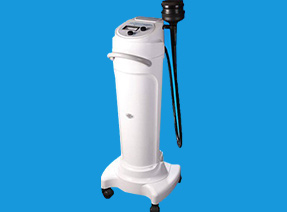
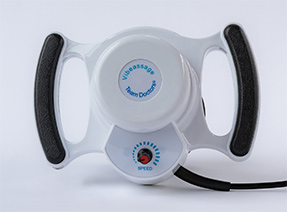
The Vibeassage Sport and the Vibeassage Pro featuring the TDX3 soft-as-the-hand Biomimetic Applicator Pad
https://www.teamdoctors.com/
✓ Get Dr. Stoxen’s #1 International Bestselling Books
Learn how to understand, examine, and reverse your TOS—without surgery.
https://drstoxen.com/1-international-best-selling-author/
✓ Check out Team Doctors Online Courses
Step-by-step video lessons, demonstrations, and self-treatment strategies.
https://teamdoctorsacademy.com/
✓ Schedule a Free Phone Consultation With Dr. Stoxen
Speak directly with him so he can review your case and guide you on your next steps.
https://drstoxen.com/appointment/
#ThoracicOutletSyndrome #FailedTOSSurgery #NonSurgicalRecovery #HumanSpringApproach #VascularCompression #ChronicPainRecovery #BiomechanicsMatters #TOSAwareness #MedicalFailure #HopeAfterSurgery
Medical Disclaimer
This article is provided for educational and informational purposes only. It is not intended to diagnose, treat, cure, or prevent any disease, nor is it intended to replace professional medical advice, diagnosis, or treatment.
Thoracic outlet syndrome and related nerve, vascular, and musculoskeletal conditions can present differently in each individual. Treatment decisions—including surgical and non-surgical options—must be made on a case-by-case basis in consultation with a qualified, licensed healthcare professional who is familiar with the patient’s complete medical history.
The experiences described in this article reflect individual outcomes and do not guarantee similar results for others. Surgical procedures, including thoracic outlet surgery and first rib resection, carry inherent risks, and outcomes vary based on many factors including diagnosis, timing, practitioner experience, and patient-specific anatomy and physiology.
Readers should not delay or discontinue medical care based on information contained in this article. Always seek the guidance of a qualified healthcare provider with any questions regarding symptoms, conditions, or treatment options.
Editor’s Note
This article explores a patient and family experience following thoracic outlet syndrome surgery and highlights the importance of comprehensive evaluation, informed decision-making, and second opinions when managing complex pain conditions.
The article also references the Human Spring Approach, a biomechanical evaluation and treatment framework developed by Dr James Stoxen, which emphasizes understanding the body as an integrated, dynamic spring system rather than a collection of isolated anatomical structures. The inclusion of this approach is intended to illustrate an alternative clinical perspective, not to discredit surgery or any specific medical specialty.
Mention of specific clinicians, evaluation models, or treatment philosophies does not constitute endorsement, medical advice, or a claim of superiority. Rather, it reflects the editorial goal of encouraging patients and families to seek clarity, explanation, and individualized assessment before pursuing irreversible interventions.
The editorial position of this publication is that understanding should precede intervention, especially in conditions where symptoms persist, worsen, or fail to respond to standard care.

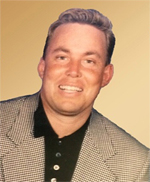
Dr James Stoxen DC., FSSEMM (hon) He is the president of Team Doctors®, Treatment and Training Center Chicago, one of the most recognized treatment centers in the world.
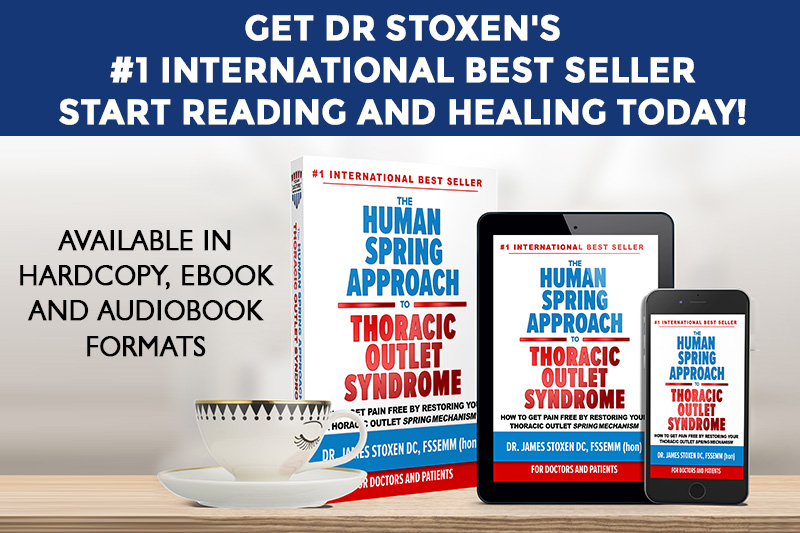
Dr Stoxen is a #1 International Bestselling Author of the book, The Human Spring Approach to Thoracic Outlet Syndrome. He has lectured at more than 20 medical conferences on his Human Spring Approach to Thoracic Outlet Syndrome and asked to publish his research on this approach to treating thoracic outlet syndrome in over 30 peer review medical journals.
He has been asked to submit his other research on the human spring approach to treatment, training and prevention in over 150 peer review medical journals. He serves as the Editor-in-Chief, Journal of Orthopedic Science and Research, Executive Editor or the Journal of Trauma and Acute Care, Chief Editor, Advances in Orthopedics and Sports Medicine Journal and editorial board for over 35 peer review medical journals.
He is a much sought-after speaker. He has given over 1000 live presentations and lectured at over 70 medical conferences to over 50,000 doctors in more than 20 countries. He has been invited to speak at over 300 medical conferences which includes invitations as the keynote speaker at over 50 medical conferences.
After his groundbreaking lecture on the Integrated Spring-Mass Model at the World Congress of Sports and Exercise Medicine he was presented with an Honorary Fellowship Award by a member of the royal family, the Sultan of Pahang, for his distinguished research and contributions to the advancement of Sports and Exercise Medicine on an International level. He was inducted into the National Fitness Hall of Fame in 2008 and the Personal Trainers Hall of Fame in 2012.
Dr Stoxen has a big reputation in the entertainment industry working as a doctor for over 150 tours of elite entertainers, caring for over 1000 top celebrity entertainers and their handlers. Anthony Field or the popular children’s entertainment group, The Wiggles, wrote a book, How I Got My Wiggle Back detailing his struggles with chronic pain and clinical depression he struggled with for years. Dr Stoxen is proud to be able to assist him.
Full Bio) Dr Stoxen can be reached directly at teamdoctors@aol.com