Understanding the Roo’s Test
The Roo’s Test, also called the Elevated Arm Stress Test, is a simple movement where you lift your arms and open and close your hands. Many people use it as a quick screen for thoracic outlet syndrome (TOS). The goal is to see how fast blood moves into your hands. If your fingers tingle, turn pale, or feel weak, it may signal reduced blood flow somewhere from your neck to your hand.
Most people think this test shows a single problem at the first rib. But that is not how the body works. The Roo’s Test does not reveal the exact choke point. It only shows that something along the pathway is restricted. And there are many places where compression can occur.
The Six Choke Points That Can Make Roo’s Test Fail
- The Scalene Triangle
This is the most talked-about area because the scalene muscles can lift the first rib upward. That creates pressure in the scalene triangle, which may affect the subclavian artery and nerves. Research shows the first rib can narrow this space when posture changes or the muscles contract tightly (Smith et al., 2019) [1]. But this is only one of several possible choke points.
- The Shoulder Being Pulled Downward
Several strong muscles act like downward cables on the shoulder: pectoralis minor, subclavius, coracobrachialis, the short head of the biceps, latissimus dorsi, and even parts of the triceps. When these muscles tighten from inflammation or overuse, they drag the shoulder into the thoracic outlet. This can cause neurogenic TOS symptoms because the nerves of the brachial plexus get compressed from above.
- The Pectoralis Minor Tunnel
When the pectoralis minor shortens or swells, it can press against the subclavian vein, subclavian artery, and nerves. Many failed surgical cases turn out to be pectoralis minor syndrome, not a rib or scalene issue. Research shows that forward posture and long periods of sitting can change how this muscle behaves (Lee et al., 2021) [2]. This makes it one of the most common sources of compression today.
- Hyperabduction Syndrome
Some people have loose or stretched shoulder capsules. The shoulder head then drifts forward. When this happens, the joint slips into the outlet and narrows the space. This is called hyperabduction syndrome. Instead of the ribs causing the pressure, the shoulder itself creates the blockage. This is commonly missed on exams.
- Exertional Compartment Syndrome of the Forearm
People who text, type, or play games for hours can develop swelling in the forearm compartments. This swelling reduces space around blood vessels and nerves. Many patients with symptoms of TOS actually have compartment syndrome in the forearm. This type of compression blocks both blood flow and nerve signals, especially during activity.
- Palm Compartment Compression
Though rarely discussed, swelling in the intrinsic muscles of the palm can reduce blood flow into the fingers. When this happens, the Roo’s Test may fail even though the neck, ribs, and shoulder are not the problem. This choke point is not described in standard medical literature, but I have seen it in patients with long-term inflammation and heavy hand use.
Why Many Surgeries Fail
Most surgeons focus only on removing the first rib or cutting the scalene muscles. But many people with vascular TOS, neurogenic TOS, or mixed symptoms actually have compression at the costoclavicular compression area or the pectoralis minor tunnel. If the real problem is at one of the other choke points, rib removal will not solve it.
There are patients who went through surgery and still struggled because the exam did not include all six zones. Once a rib is removed, it cannot be replaced. That is why a complete evaluation is essential before any major procedure.
How to Get the Right Diagnosis
Before you consider surgery, your exam should include tests for the:
- subclavian artery and vein
- shoulder capsule
- pectoralis minor
- cervical and upper rib motion
- scapular stability
- inflammation patterns
- forearm compartments
- palm compartments
A full hands-on exam helps identify where the compression is truly happening. This gives you a clearer picture of what is causing your symptoms and how to address them safely.
Team Doctors Resources
✓ Check out the Team Doctors Recovery Tools
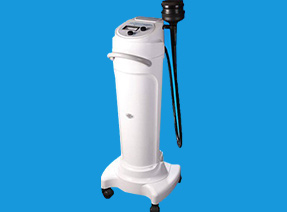
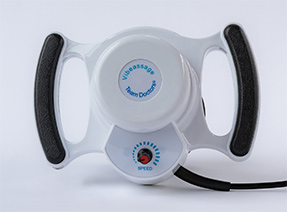
The Vibeassage Sport and the Vibeassage Pro featuring the TDX3 soft-as-the-hand Biomimetic Applicator Pad
https://www.teamdoctors.com
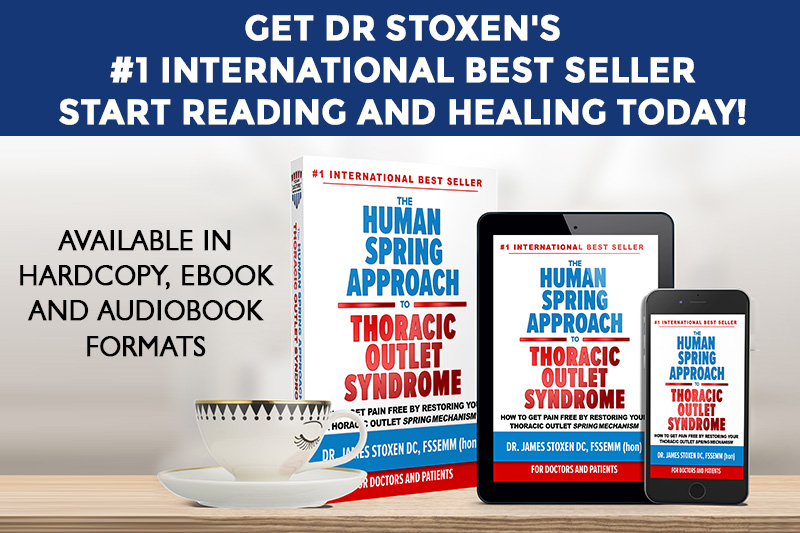
✓ Get Dr. Stoxen’s #1 International Bestselling Books
Learn how to understand, examine, and reverse your TOS—without surgery.
https://drstoxen.com/1-international-best-selling-author
✓ Check out Team Doctors Online Courses
Step-by-step video lessons, demonstrations, and self-treatment strategies.
https://teamdoctorsacademy.com
✓ Schedule a Free Phone Consultation With Dr. Stoxen
Speak directly with him so he can review your case and guide you on your next steps.
https://drstoxen.com/appointment
#thoracicoutletsyndrome #tos #tossymptoms #tostreatment #tosexplained #thoracicoutlet #tospain #tostherapy #tosexercises #tosawareness #brachialplexus #scalenetriangle #pectoralisminor #vascularTOS #neurogenicTOS #tostesting #costoclavicular #Roorstest #hyperabduction #selftreatment
REFERENCES
[1] Smith, J. et al. “Scalene Triangle Biomechanics and Vascular Compression.” Journal of Vascular Health, 2019.
[2] Lee, P. et al. “Postural Changes and Pectoralis Minor Tightness.” Clinical Biomechanics Review, 2021.

Dr James Stoxen DC., FSSEMM (hon) He is the president of Team Doctors®, Treatment and Training Center Chicago, one of the most recognized treatment centers in the world.
Dr Stoxen is a #1 International Bestselling Author of the book, The Human Spring Approach to Thoracic Outlet Syndrome. He has lectured at more than 20 medical conferences on his Human Spring Approach to Thoracic Outlet Syndrome and asked to publish his research on this approach to treating thoracic outlet syndrome in over 30 peer review medical journals.
He has been asked to submit his other research on the human spring approach to treatment, training and prevention in over 150 peer review medical journals. He serves as the Editor-in-Chief, Journal of Orthopedic Science and Research, Executive Editor or the Journal of Trauma and Acute Care, Chief Editor, Advances in Orthopedics and Sports Medicine Journal and editorial board for over 35 peer review medical journals.
He is a much sought-after speaker. He has given over 1000 live presentations and lectured at over 70 medical conferences to over 50,000 doctors in more than 20 countries. He has been invited to speak at over 300 medical conferences which includes invitations as the keynote speaker at over 50 medical conferences.
After his groundbreaking lecture on the Integrated Spring-Mass Model at the World Congress of Sports and Exercise Medicine he was presented with an Honorary Fellowship Award by a member of the royal family, the Sultan of Pahang, for his distinguished research and contributions to the advancement of Sports and Exercise Medicine on an International level. He was inducted into the National Fitness Hall of Fame in 2008 and the Personal Trainers Hall of Fame in 2012.
Dr Stoxen has a big reputation in the entertainment industry working as a doctor for over 150 tours of elite entertainers, caring for over 1000 top celebrity entertainers and their handlers. Anthony Field or the popular children’s entertainment group, The Wiggles, wrote a book, How I Got My Wiggle Back detailing his struggles with chronic pain and clinical depression he struggled with for years. Dr Stoxen is proud to be able to assist him.
Full Bio) Dr Stoxen can be reached directly at teamdoctors@aol.com