The Human Body Is Not a Machine — It Is a Living Spring System
A Simple Idea That Changes Everything
Most people grow up thinking of the body like a machine.
If something hurts, something must be “broken.”
If something feels tight, something must be “stuck.”
If something feels weak, something must be “worn out.”
This way of thinking seems logical. After all, machines wear out. Parts rub together. Things break. And when they do, you replace parts or cut things away.
But the human body is not a machine.
It is alive. It adapts. It reshapes itself. It protects itself. And most importantly, it stores and releases energy with every movement you make.
Dr. James Stoxen teaches something very different from the old mechanical view. He teaches that the body works more like a spring system than a lever system. This way of thinking is called the human spring model, and the clinical method built around it is called the human spring approach.
Instead of seeing the body as a set of rigid parts, this view sees the body as a spring system that is designed to:
- Absorb force
- Store energy
- Reuse energy
- Protect nerves and blood vessels
- Protect joints
- Reduce wear and tear
- Make movement efficient and smooth
In science, this way of understanding movement is sometimes called spring-based biomechanics or the integrated spring-mass model.
But you don’t need fancy words to understand the basic idea.
A spring bends.
A spring stores energy.
A spring releases energy.
A spring protects what is attached to it.
Your body does the same thing.
Why This Matters to Real People With Real Pain
Every step you take, every time you stand up, every time you lift your arm, your body uses:
- spring mechanics in human movement
- stretch-shortening cycle biomechanics
- elastic energy storage in the body
- energy recycling in human motion
- shock absorption biomechanics
You don’t feel this happening — when it works well.
But when this spring system starts to fail, you do feel it.
Pain.
Stiffness.
Tightness.
Burning.
Weakness.
Numbness.
Fatigue.
This breakdown is often what Dr. Stoxen calls spring failure and chronic pain.
And here is the key idea:
Most chronic pain is not caused by “broken parts.”
It is caused by loss of healthy spring function.
Your Body Is Full of Living Springs
When people hear the word “spring,” they often think of a metal coil.
But your body contains many types of biological springs in the body:
- Muscles that stretch and recoil
- Tendons that store and release energy
- Fascia that acts like a web of elastic tissue
- Foot arches that compress and rebound
- Spinal structures that act like stacked springs
This is sometimes described as a fascial spring network.
Some examples:
- Your spine behaves like a stack of compression springs in the spine
- Your foot works like a foot arch spring mechanism
- Many joints use torsional spring mechanics in joints (twisting springs)
- Your whole body works as a kinetic chain spring transfer system
All of this is part of suspension-based anatomy — meaning your bones are not stacked like bricks. They are suspended in soft tissues that are meant to stretch, rebound, and protect.
Why Space Matters Inside Your Body
Inside your body are important “tunnels” where nerves and blood vessels travel.
These spaces must stay open and flexible. This is sometimes called tunnel mechanics for nerves and blood vessels.
Healthy movement creates:
- joint decompression mechanics
- Natural spacing in joints
- Natural spacing in tissue tunnels
This is how the body protects:
- Nerves
- Arteries
- Veins
- Lymph vessels
When the spring system works, the body maintains this space automatically.
When the spring system fails, the body becomes:
- Compressed
- Rigid
- Crowded
- Tight
This changes biomechanical load distribution and increases pressure in places that were never meant to carry that load.
Stiff vs Flexible: A Key Balance
Every spring has two qualities:
- Stiffness
- Flexibility
In the body, this balance is called spring stiffness vs compliance.
Too stiff = no shock absorption
Too loose = no control
A healthy body constantly adjusts this through the nervous system. This is sometimes called neuromechanical spring control.
When this system is working well, movement feels:
- Light
- Smooth
- Easy
- Efficient
This is biomechanical energy efficiency in action.
When it fails, movement becomes:
- Heavy
- Hard
- Tiring
- Painful
The Old Way: The Lever Model
Traditional medicine often looks at the body like a system of levers and hinges.
This is the lever model vs spring model problem.
Levers are rigid.
Springs are elastic.
The lever model focuses on:
- Structure
- Parts
- Angles
- Position
The spring model focuses on:
- Motion
- Energy
- Elasticity
- Load sharing
- Shock absorption
The lever model is good for understanding bones.
But it is terrible at explaining chronic pain.
How Your Body Handles Impact
Every time your foot hits the ground, force travels upward.
If your springs are healthy, this force is managed by:
- impact attenuation biomechanics
- shock absorption biomechanics
- energy recycling in human motion
If your springs are not healthy, that force goes into:
- Joints
- Discs
- Nerves
- Blood vessels
- Sensitive tissues
Over time, this creates irritation, inflammation, and protective tightness.
The Hidden Network: Fascia and Force
Your body is wrapped in a continuous web of connective tissue called fascia.
This is a major part of the fascial spring network.
It helps:
- Spread force
- Store energy
- Protect structures
- Maintain posture
- Coordinate movement
This is a huge part of biomechanical load distribution.
When fascia becomes stiff, dehydrated, or glued down, the spring system loses its ability to work.
The Big Picture: The Body Is an Energy System
The human body is not designed to waste energy.
It is designed for:
- elastic energy storage in the body
- energy recycling in human motion
- spring mechanics in human movement
This is how walking, running, and even standing can be efficient instead of exhausting.
When this system fails, people often say:
“I get tired so easily.”
“My body feels heavy.”
“Everything feels tight.”
“I feel compressed.”
Why This Changes How We Think About Pain
In the human spring approach, pain is often a spring problem before it is a tissue problem.
That means:
- The system stopped absorbing force
- The system stopped sharing load
- The system stopped creating space
- The system became stiff and protective
This is why Dr. Stoxen focuses on restoring human spring function instead of just chasing symptoms.
This way of thinking is part of applied clinical biomechanics — using real biomechanical principles to guide real-world care.
A Word About Surgery and Big Decisions
This way of thinking is especially important for people dealing with nerve and blood vessel compression problems.
Many people today search for ways to:
- avoid thoracic outlet surgery
- Find thoracic outlet syndrome without surgery options
- Look for a natural treatment for thoracic outlet syndrome
- Explore non-surgical treatment for TOS
- Ask what is the best therapy for thoracic outlet syndrome
- Try conservative treatment for thoracic outlet syndrome
- Wonder can thoracic outlet syndrome heal naturally
- Learn how to fix thoracic outlet syndrome
- Search for the best non-surgical TOS treatment
- Look for alternatives to thoracic outlet surgery
This article is educational. It does not promise cures. It does not replace doctors. It does not tell anyone what they must do.
But it does explain the mechanical logic behind approaches that aim to:
- reduce compression without surgery
- restore shoulder space naturally
- improve blood flow without surgery
- relieve nerve compression naturally
The Patient Empowerment Principle
You wrote this, and it deserves to be the foundation of this entire work:
If you don’t understand how the body moves, how it protects itself, and how it creates and preserves space for your joints—and for the safe passage of nerves and blood vessels—then any doctor can tell you almost anything, and you’re forced to simply believe them.
That’s not informed consent. That’s blind trust.
An educated patient is not a difficult patient.
An educated patient is a protected patient.
This article exists for that reason.
Where the Vibeassage Fits In
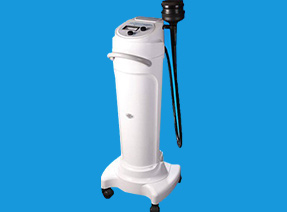
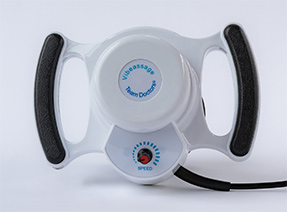
Dr. Stoxen uses tools like the Vibeassage Pro and Vibeassage Sport as part of a broader educational and self-care strategy.
These are not magic devices. They are not medical cures. They are tools that can be used by patients at home to:
- Encourage tissue motion
- Encourage circulation
- Support relaxation
- Support comfort
- Support awareness of the body
In the context of vibration and spring restoration, they are used to support the process of helping tissues behave more like healthy springs again.
How the Human Spring System Breaks Down Over Time
The Body Is Always Adapting — For Better or Worse
Your body is not static. It is always changing.
It adapts to how you sit.
It adapts to how you stand.
It adapts to how you walk.
It adapts to how you work.
It adapts to how you protect yourself from pain and stress.
In the human spring model, this constant adapting can either protect your body or slowly break down your body as a spring system.
At first, these changes are helpful. If something is irritated, the body tightens around it to protect it. This is normal. This is intelligent.
But when this protective state lasts too long, the spring system begins to change.
Springs that should stretch stop stretching.
Springs that should rebound stop rebounding.
Springs that should share load start dumping load into joints and sensitive tissues.
This is the early stage of spring failure and chronic pain.
From Elastic to Rigid: The Quiet Transition
Healthy movement depends on:
- spring mechanics in human movement
- stretch-shortening cycle biomechanics
- elastic energy storage in the body
- energy recycling in human motion
When tissues move less, they lose their ability to behave like springs.
Instead of stretching and recoiling, they begin to:
- Shorten
- Harden
- Stick together
- Lose water
- Lose glide
The fascial spring network slowly becomes more like glue than elastic.
This changes biomechanical load distribution throughout the body.
The Loss of Shock Absorption
One of the main jobs of the spring system is shock absorption biomechanics.
When your springs are healthy:
- Your foot absorbs impact
- Your spine distributes force
- Your muscles and fascia store energy
- Your joints are protected
This is called impact attenuation biomechanics.
When your springs are not healthy, the force goes somewhere else:
- Into joints
- Into discs
- Into nerves
- Into blood vessels
- Into sensitive tissues
Over time, this is exhausting for the body.
Compression Slowly Replaces Suspension
The body is built on suspension-based anatomy.
Your bones are not meant to be stacked and crushed together. They are meant to be suspended in elastic tissues.
As spring function is lost:
- The spine acts less like compression springs in the spine
- The foot loses its foot arch spring mechanism
- Joints lose torsional spring mechanics in joints
Instead of floating and rebounding, structures begin to settle and compress.
This reduces:
- joint decompression mechanics
- Natural space in tissue tunnels
- Natural movement between layers
Why Tunnels Get Crowded
Nerves and blood vessels travel through spaces in the body.
These spaces depend on:
- Movement
- Elasticity
- Postural changes
- Spring action
This is called tunnel mechanics for nerves and blood vessels.
When the spring system stiffens:
- Tunnels become narrower
- Tissues become thicker
- Sliding surfaces stop sliding
- Pressure slowly increases
This does not usually happen overnight.
It happens over months and years.
The Nervous System Locks Things Down
Your nervous system is always trying to protect you.
When it senses threat, pain, or overload, it increases muscle tension.
This is part of neuromechanical spring control.
In short bursts, this is good.
But when stress, posture, and irritation stay for too long, this protective tension becomes the new normal.
The body starts to treat stiffness as “safe.”
Unfortunately, stiffness kills springs.
Energy Becomes Expensive
A healthy body is efficient.
It uses:
- elastic energy storage in the body
- energy recycling in human motion
- biomechanical energy efficiency
When the spring system fails, the body must use muscle power instead of stored energy.
This makes movement:
- More tiring
- Less smooth
- Less coordinated
- More stressful
People often say:
“I get tired so easily now.”
“My body feels heavy.”
“Everything feels like work.”
The Chain Reaction Through the Whole Body
The body is a kinetic chain spring transfer system.
When one area loses spring function:
- Another area must work harder
- Another area gets overloaded
- Another area tightens up
This is how pain often shows up far away from the real cause.
The body is always trying to compensate.
The Lever Trap
Traditional thinking often falls into the lever model vs spring model trap.
It sees:
- A tight muscle → stretch it
- A weak muscle → strengthen it
- A painful joint → inject it or operate on it
But if the spring system is not working, these local fixes often do not last.
Because the spring-based biomechanics of the whole system are still broken.
When Protection Becomes the Problem
The body’s protective tension is meant to be temporary.
But when it becomes permanent:
- Movement gets smaller
- Tissues get stiffer
- Space gets reduced
- Load gets concentrated
This is how spring failure and chronic pain slowly develops without any single injury.
Why This Matters for Nerve and Blood Vessel Symptoms
In places like the neck, shoulder, and chest, many important structures pass through tight spaces.
When spring function is lost, people may begin to look for ways to:
- avoid thoracic outlet surgery
- Understand thoracic outlet syndrome without surgery
- Look for a natural treatment for thoracic outlet syndrome
- Try non-surgical treatment for TOS
- Ask what is the best therapy for thoracic outlet syndrome
- Explore conservative treatment for thoracic outlet syndrome
- Wonder can thoracic outlet syndrome heal naturally
- Learn how to fix thoracic outlet syndrome
- Search for the best non-surgical TOS treatment
- Look for alternatives to thoracic outlet surgery
From a spring perspective, these problems often involve:
- Loss of space
- Loss of movement
- Loss of elastic suspension
- Too much compression
- Too much guarding
The Slow Build-Up of Compression
As the spring system stiffens, people may begin looking for ways to:
- reduce compression without surgery
- restore shoulder space naturally
- improve blood flow without surgery
- relieve nerve compression naturally
These goals all point back to the same root problem:
Loss of healthy spring behavior in the tissues.
The Good News: Systems Can Be Retrained
The body learned stiffness.
Which means the body can learn movement again.
This is the foundation of restoring human spring function using applied clinical biomechanics.
It is not about forcing the body.
It is about teaching the system to feel safe moving again.
Where Vibration Fits In
One tool sometimes used in this process is gentle vibration.
In the context of vibration and spring restoration, vibration is not about force.
It is about:
- Encouraging movement
- Encouraging circulation
- Reducing protective guarding
- Reminding tissues how to move
Tools like the Vibeassage Pro and Vibeassage Sport are used by some patients at home as part of self-care routines focused on comfort, relaxation, and tissue awareness.
They are not treatments for disease.
They are support tools in a broader learning and movement process.
The Big Picture
Nothing here happens overnight.
Spring failure is slow.
Which is good news.
Because spring restoration is also possible — slowly, safely, and intelligently.
How the Human Spring Approach Guides Conservative, Non-Invasive Care
A Different Way to Look at the Problem
When people hurt, they usually want one thing:
“Fix the painful spot.”
That makes sense. But the human spring approach starts with a different question:
“Why did this area lose its space, movement, and spring in the first place?”
This is the heart of applied clinical biomechanics — not just naming what hurts, but understanding how the whole system is moving and sharing load.
The human spring model does not see the body as a stack of parts. It sees the body as a spring system that must:
- Absorb force
- Share load
- Store energy
- Release energy
- Protect nerves and blood vessels
- Maintain space
When that system stops working well, symptoms appear.
From Parts to Systems
Traditional thinking often focuses on one joint, one muscle, or one disc.
The spring-based view looks at:
- spring-based biomechanics
- integrated spring-mass model behavior
- kinetic chain spring transfer
- biomechanical load distribution
This means asking questions like:
- Where is movement lost?
- Where is stiffness excessive?
- Where is the body overworking?
- Where is space being lost?
Often, the painful area is not the real starting point.
The Goal: Restore Function, Not Just Silence Symptoms
In the spring view, the long-term goal is restoring human spring function.
That means supporting:
- spring mechanics in human movement
- stretch-shortening cycle biomechanics
- elastic energy storage in the body
- energy recycling in human motion
- shock absorption biomechanics
When these improve, the body often becomes:
- Easier to move
- Less guarded
- Less compressed
- Less tired
Why Conservative and Non-Invasive First Makes Sense
Many people today are trying to:
- avoid thoracic outlet surgery
- Explore thoracic outlet syndrome without surgery
- Look for a natural treatment for thoracic outlet syndrome
- Try non-surgical treatment for TOS
- Ask what is the best therapy for thoracic outlet syndrome
- Consider conservative treatment for thoracic outlet syndrome
- Wonder can thoracic outlet syndrome heal naturally
- Learn how to fix thoracic outlet syndrome
- Search for the best non-surgical TOS treatment
- Look for alternatives to thoracic outlet surgery
The human spring approach does not promise outcomes.
It simply follows a logical principle:
If a problem developed slowly from loss of motion, loss of space, and loss of elastic suspension, it makes sense to first explore ways to restore motion, restore space, and restore spring behavior.
What “Conservative Care” Means in This Context
People often use phrases like:
- conservative care for TOS
- physical rehabilitation for TOS
- non-invasive TOS treatment
- functional treatment for TOS
- manual therapy for TOS
- movement-based treatment TOS
- postural correction for TOS
- conservative approach to TOS
In the spring model, these are not random techniques.
They are all attempts to influence:
- joint decompression mechanics
- suspension-based anatomy
- tunnel mechanics for nerves and blood vessels
- spring stiffness vs compliance
- torsional spring mechanics in joints
- compression springs in the spine
- foot arch spring mechanism
- fascial spring network
In simple terms, they are all ways of trying to help tissues:
- Move better
- Slide better
- Share load better
- Create space more naturally
Why Posture Is Not Just About “Standing Up Straight”
In the spring view, posture is not a pose.
It is a dynamic balance of springs.
Good posture means:
- Forces are shared
- Springs are loaded evenly
- Tunnels stay open
- No one area is overworked
Bad posture is not “ugly.”
It is expensive in energy and stress.
It slowly changes:
- biomechanical load distribution
- impact attenuation biomechanics
- biomechanical energy efficiency
The Role of the Nervous System
Your nervous system decides:
- How much tension to use
- How stiff or relaxed tissues are
- How much protection is needed
This is part of neuromechanical spring control.
Conservative care often focuses on helping the nervous system:
- Feel safer
- Reduce unnecessary guarding
- Allow movement again
Why Force Is Usually the Wrong Tool
When springs are stiff, people often try to:
- Stretch harder
- Push harder
- Force things open
But stiff springs usually need:
- Time
- Gentle input
- Repeated safe movement
- Better coordination
Not more force.
Where Home Tools Fit In
Some people use simple tools at home to support comfort and tissue movement.
In the context of vibration and spring restoration, gentle vibration is sometimes used to:
- Encourage circulation
- Reduce protective muscle tone
- Increase awareness of tight areas
- Support relaxation
Devices like the Vibeassage Pro and Vibeassage Sport are examples of tools some patients use as part of home self-care routines.
They are not medical treatments.
They are not cures.
They are comfort and movement-support tools that can be used alongside education and movement work.
Why Education Is Part of the Treatment
As you wrote in your patient philosophy:
If you don’t understand how the body moves, how it protects itself, and how it creates and preserves space for your joints—and for the safe passage of nerves and blood vessels—then any doctor can tell you almost anything, and you’re forced to simply believe them.
The human spring approach believes that understanding:
- spring-based injury prevention
- spring mechanics in human movement
- The difference between compression and suspension
…helps people make calmer, smarter decisions about their own bodies.
Why Some People Want to Avoid Surgery
Many people search for ways to:
- avoiding surgery for arm pain
- treat TOS without surgery
- non-surgical recovery TOS
This does not mean surgery is never appropriate.
It means people want to fully understand:
- The mechanical causes
- The movement causes
- The postural causes
- The spring-system causes
Before making permanent decisions.
The Spring Logic of Space
Many conservative strategies aim to:
- reduce compression without surgery
- restore shoulder space naturally
- improve blood flow without surgery
- relieve nerve compression naturally
From a spring perspective, these goals are all related to:
- Improving motion
- Improving suspension
- Improving tissue glide
- Improving elastic behavior
What “Holistic” Really Means Here
Some people use phrases like:
- natural ways to treat TOS
- holistic treatment for thoracic outlet syndrome
- home treatment for thoracic outlet syndrome
- self-treatment for thoracic outlet syndrome
In the spring model, “holistic” simply means:
Looking at the whole movement system, not just the painful spot.
The Long View
Spring breakdown took time.
Spring restoration takes time.
But the body is adaptable.
That is its nature.
Living in a Way That Protects and Supports Your Human Spring System
This Is Not a Treatment Plan — It Is a Way of Thinking
The human spring approach is not just something you do for a few weeks.
It is a way of understanding your body for the rest of your life.
Once you understand the human spring model, you stop asking only:
“Where does it hurt?”
And you start asking:
“How is my spring system working today?”
Because your body as a spring system is always adapting to how you live, move, work, sit, and rest.
Movement Is the Language of the Spring System
Your body was built for:
- spring mechanics in human movement
- stretch-shortening cycle biomechanics
- elastic energy storage in the body
- energy recycling in human motion
- shock absorption biomechanics
When movement becomes too small, too limited, or too repetitive, the spring system slowly fades.
Life becomes more rigid.
The goal is not “exercise.”
The goal is keeping the springs alive.
Why Walking Is So Important
Walking is one of the purest expressions of:
- impact attenuation biomechanics
- biomechanical load distribution
- kinetic chain spring transfer
- biomechanical energy efficiency
Each step loads and unloads:
- The foot arch spring mechanism
- The legs
- The hips
- The spine
- The fascial system
Good walking keeps the fascial spring network moving.
Sitting: The Silent Spring Killer
Sitting for long periods slowly teaches the body:
- To stay compressed
- To stop using compression springs in the spine properly
- To reduce joint decompression mechanics
- To lose suspension-based anatomy behavior
This does not mean “never sit.”
It means don’t live there.
Posture as a Living System
Posture is not a pose.
It is a moving balance between:
- spring stiffness vs compliance
- torsional spring mechanics in joints
- Nervous system control
- Gravity
- Breathing
Good posture changes all day.
Bad posture stays the same all day.
Breathing Is a Spring Activity
Breathing is not just for oxygen.
It also moves:
- The rib cage
- The spine
- The fascia
- The pressure systems of the body
It affects:
- neuromechanical spring control
- Tissue tone
- Space in the chest and neck
- tunnel mechanics for nerves and blood vessels
Protecting Space Is a Daily Habit
Many people think space inside the body is fixed.
It is not.
Space is created and preserved by movement.
This is why people care about:
- reduce compression without surgery
- restore shoulder space naturally
- improve blood flow without surgery
- relieve nerve compression naturally
All of these depend on motion and spring behavior, not force.
Why Small Habits Matter More Than Big Events
Spring failure usually does not come from one accident.
It comes from:
- Years of sitting
- Years of stress
- Years of shallow breathing
- Years of limited movement
- Years of guarding
This is how spring failure and chronic pain slowly appears.
And this is also how it slowly improves.
A Smarter Way to Think About Prevention
The spring view supports:
- spring-based injury prevention
- Better load sharing
- Better movement variety
- Better recovery habits
Prevention is not about being careful.
It is about keeping the spring system working.
Where Home Care Fits In
Some people use gentle tools at home as part of comfort and recovery routines.
In the context of vibration and spring restoration, vibration is sometimes used to:
- Encourage circulation
- Encourage tissue motion
- Reduce protective tension
- Support relaxation
Devices like the Vibeassage Pro and Vibeassage Sport are examples of tools some people use at home for this purpose.
They are not medical treatments.
They are self-care tools that support awareness and comfort.
Thinking Clearly About Thoracic Outlet Problems
From a spring perspective, all of these are really about one thing:
How do we restore space, movement, and elastic suspension to a system that has become stiff and compressed?
This Is Not Anti-Medicine. It Is Pro-Understanding.
The human spring approach does not fight doctors.
It helps patients understand their own bodies so they can:
- Ask better questions
- Understand explanations
- Make calmer decisions
- Participate in their own recovery
The Core Philosophy, Restated
As you wrote:
If you don’t understand how the body moves, how it protects itself, and how it creates and preserves space for your joints—and for the safe passage of nerves and blood vessels—then any doctor can tell you almost anything, and you’re forced to simply believe them.
That’s not informed consent. That’s blind trust.
An educated patient is not a difficult patient.
An educated patient is a protected patient.
That idea is the heart of this entire approach.
The Big Picture
The human spring model is not about chasing pain.
It is about:
- Understanding spring-based biomechanics
- Understanding the integrated spring-mass model
- Respecting the body as a spring system
- Protecting movement
- Protecting space
- Protecting energy
A Lifetime Strategy, Not a Quick Fix
This way of thinking is not about:
- 10 visits
- 30 days
- A single device
- A single technique
It is about how you use your body for the rest of your life.
Final Thought
Your body is not broken.
It may be overloaded, compressed, guarded, and tired.
But it is still a living spring system.
And living systems can learn, adapt, and improve.
Team Doctors Resources
✓ Check out the Team Doctors Recovery Tools
The Vibeassage Sport and the Vibeassage Pro featuring the TDX3 soft-as-the-hand Biomimetic Applicator Pad
https://www.teamdoctors.com/
✓ Get Dr. Stoxen’s #1 International Bestselling Books
Learn how to understand, examine, and reverse your TOS—without surgery.
https://drstoxen.com/1-international-best-selling-author/
✓ Check out Team Doctors Online Courses
Step-by-step video lessons, demonstrations, and self-treatment strategies.
https://teamdoctorsacademy.com/
✓ Schedule a Free Phone Consultation With Dr. Stoxen
Speak directly with him so he can review your case and guide you on your next steps.
https://drstoxen.com/appointment/
#ThoracicOutletSyndrome #TOS #ArmNumbness #ShoulderPain #NerveCompression #PostureMatters #UpperExtremity #ChronicPainEducation #Biomechanics #MovementHealth #NeckPain #HandTingling #ClinicalObservation #ConservativeCare #RehabEducation #SoftTissue #VascularSymptoms #NeurologicalSymptoms #PatientEducation #TeamDoctors

Dr James Stoxen DC., FSSEMM (hon) He is the president of Team Doctors®, Treatment and Training Center Chicago, one of the most recognized treatment centers in the world.
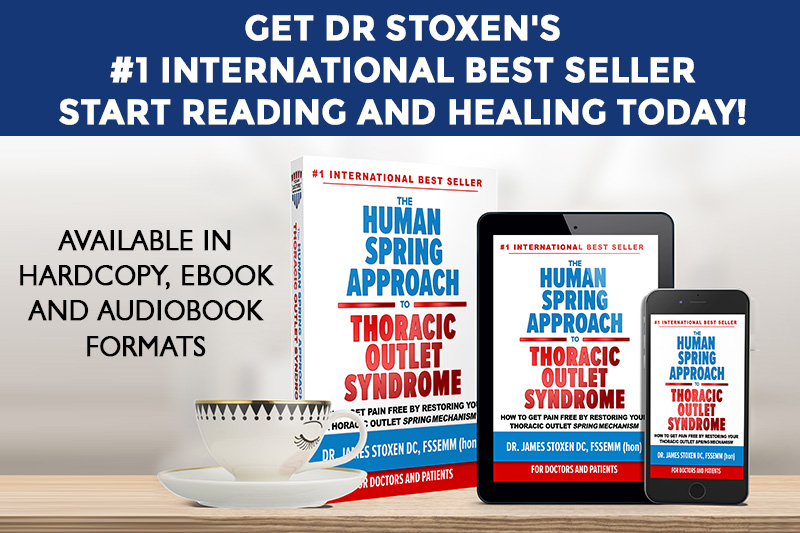
Dr Stoxen is a #1 International Bestselling Author of the book, The Human Spring Approach to Thoracic Outlet Syndrome. He has lectured at more than 20 medical conferences on his Human Spring Approach to Thoracic Outlet Syndrome and asked to publish his research on this approach to treating thoracic outlet syndrome in over 30 peer review medical journals.
He has been asked to submit his other research on the human spring approach to treatment, training and prevention in over 150 peer review medical journals. He serves as the Editor-in-Chief, Journal of Orthopedic Science and Research, Executive Editor or the Journal of Trauma and Acute Care, Chief Editor, Advances in Orthopedics and Sports Medicine Journal and editorial board for over 35 peer review medical journals.
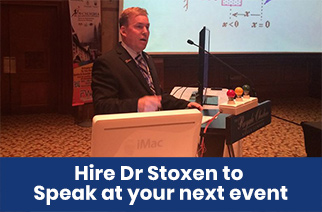
He is a much sought-after speaker. He has given over 1000 live presentations and lectured at over 70 medical conferences to over 50,000 doctors in more than 20 countries. He has been invited to speak at over 300 medical conferences which includes invitations as the keynote speaker at over 50 medical conferences.
After his groundbreaking lecture on the Integrated Spring-Mass Model at the World Congress of Sports and Exercise Medicine he was presented with an Honorary Fellowship Award by a member of the royal family, the Sultan of Pahang, for his distinguished research and contributions to the advancement of Sports and Exercise Medicine on an International level. He was inducted into the National Fitness Hall of Fame in 2008 and the Personal Trainers Hall of Fame in 2012.
Dr Stoxen has a big reputation in the entertainment industry working as a doctor for over 150 tours of elite entertainers, caring for over 1000 top celebrity entertainers and their handlers. Anthony Field or the popular children’s entertainment group, The Wiggles, wrote a book, How I Got My Wiggle Back detailing his struggles with chronic pain and clinical depression he struggled with for years. Dr Stoxen is proud to be able to assist him.
Full Bio) Dr Stoxen can be reached directly at teamdoctors@aol.com