The Human Spring: Why Your Body Is Not a Machine Made of Parts
Most people are taught to think about the human body like a machine made of solid parts. If something hurts, they are told that something must be “broken,” “worn out,” or “out of place.” Then they are told it must be fixed, removed, or fused.
Dr. James Stoxen looks at the body in a very different way.
He teaches that the human body is not built like a rigid machine. It is built more like a spring system. Springs are not meant to be stiff. They are meant to bend, store energy, and release energy. When springs move well, they protect what is inside them. When springs become stiff, weak, or jammed, stress builds up in the system.
This idea is what Dr. Stoxen calls the Human Spring approach.
Instead of asking only, “What part looks damaged?” he asks a different question:
“What part of the spring system is no longer moving, loading, or releasing properly?”
This difference in thinking becomes very important when we talk about back pain, neck pain, arm pain, leg pain, and especially when people are told they have things like a Herniated disc, Disc herniation, Bulging disc, Slipped disc, Ruptured disc, Protruding disc, or Disc protrusion.
Most patients are terrified when they hear these words. They imagine their spine is fragile or broken. But the truth is much more complicated—and much more hopeful.
The MRI Shock: When Pictures Do Not Match Pain
Many people first learn about their spine problem when they get an MRI. The report may list things like:
- Degenerative disc disease
- Annular tear
- Nerve root compression
- Spinal canal narrowing
- Foraminal stenosis
- Dural sac compression
- Disc extrusion or even Disc sequestration
When patients read these words, fear naturally follows.
But here is something extremely important that most people are never told.
A famous study from Japan found that about 30% of people who live perfectly healthy, pain-free lives have disc problems on MRI scans. These people had no pain. No symptoms. No limits in their lives.
Yet their scans showed:
- Many had Asymptomatic disc herniation
- Many had Disc protrusion large enough to touch the spinal cord covering
- Many had Spinal canal narrowing and Foraminal stenosis
- Many had findings that looked very serious on paper
And still, they felt perfectly fine.
This is what doctors call Incidental MRI findings. It is also part of a bigger problem known as Imaging–symptom mismatch.
An MRI shows structure.
It does not automatically show cause.
This is why doctors now talk about MRI disc findings and warn patients that images must be matched to real symptoms, not just feared.
This is also why the topic of Disc bulge vs herniation is so confusing. Many people are told they have a “bad disc” when in reality, millions of people have similar discs and feel great.
When Pain Goes Down the Arm or Leg
When pain travels, it gets even scarier.
Pain going down the leg is often called Sciatica. Pain traveling from the neck into the arm is often linked to Radiculopathy or Spinal nerve irritation. Doctors may also use terms like Nerve impingement or Nerve root compression.
If the problem is in the lower back, it might be called a Lumbar disc herniation.
If it is in the neck, it might be called a Cervical disc herniation.
Sometimes the pain is called Discogenic pain. Sometimes it is called Mechanical back pain. Sometimes it is called Inflammatory back pain.
The names are many. The fear is always the same.
But here is the key idea from the Human Spring approach:
Just because a nerve is irritated does not mean the spine is broken.
And just because a disc looks abnormal does not mean surgery is needed.
In a spring system, stiffness and loss of motion can create pressure and tension in many places—even far away from where the pain is felt.
Treating the Picture Instead of the Person
This is where modern medicine often goes wrong.
Someone has arm pain or leg pain. They get an MRI. The MRI shows a disc problem. The natural thought is:
“That must be the cause.”
But remember the Japan study. Millions of people have the same findings and no pain at all.
This is why Non-surgical disc treatment should always be discussed carefully before anyone talks about cutting, removing, or fusing parts of the spine.
Dr. Stoxen often explains it this way:
If you don’t understand the difference between structure and function, you end up treating an image instead of treating a human being.
The Big Fear: Cervical Fusion Surgery
Nowhere is this more important than in the neck.
Many patients are told about surgery and start searching online for:
- what is cervical fusion surgery
- do I need cervical fusion surgery
- cervical fusion surgery success rate
- cervical fusion surgery risks
- cervical fusion surgery complications
- cervical fusion pain after surgery
- cervical fusion recovery timeline
- how long does cervical fusion take to heal
- life after cervical fusion surgery
- neck mobility after cervical fusion
They also worry about:
- cervical fusion and chronic neck pain
- failed cervical fusion symptoms
- cervical fusion long-term problems
- cervical fusion and adjacent segment disease
And many people start asking:
- cervical fusion vs non-surgical treatment
- alternatives to cervical fusion surgery
- can cervical fusion be avoided
- is cervical fusion the only option
Some are told the surgery is for:
- cervical fusion for nerve pain
- cervical fusion for arm numbness
- cervical fusion for herniated disc
And then come the hardest questions:
- what happens if cervical fusion fails
- cervical fusion revision surgery
- cervical fusion impact on daily life
- sleeping after cervical fusion surgery
- working after cervical fusion surgery
- cervical fusion and shoulder pain
The smartest patients also ask:
- questions to ask before cervical fusion
- second opinion before cervical fusion
The Human Spring approach does not tell people what they “must” do. It teaches them how to think clearly before making permanent decisions.
A Simple Truth About Fusing a Spring
If you take a spring and weld part of it solid, that spring can no longer move the same way.
The human spine works the same way.
When one part stops moving, other parts must move more. Over time, that extra stress can create new problems. This is one reason doctors talk about adjacent segment disease after fusion.
Again, this is not an attack on surgery. It is simply physics.
Where the Vibeassage Pro and Vibeassage Sport Fit In
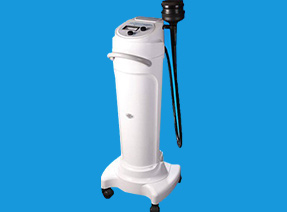
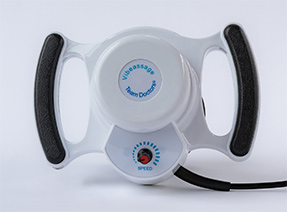
Dr. Stoxen uses tools like the Vibeassage Pro and Vibeassage Sport as part of helping patients relax, soften, and re-educate the body’s spring system.
These are not magic tools. They do not “fix discs.” They do not “cure” diseases.
They are self-care tools designed to help people:
- Improve comfort
- Reduce protective muscle tension
- Improve movement awareness
- And participate in their own recovery process
In the Human Spring approach, the goal is not to force the body. The goal is to help the body remember how to move like a spring again.
The Big Idea to Remember
Your body is not a stack of fragile parts.
It is a living, moving spring system.
Discs change over time. Bones change over time. That does not automatically mean pain. And it does not automatically mean surgery.
Why Pain Is Often Protection, Not Damage
One of the hardest things for people to understand is this simple idea:
Pain does not always mean something is broken.
Very often, pain means the body is trying to protect itself.
Your brain’s main job is not comfort. Its main job is survival. When it senses threat, overload, or strain, it turns on protection. That protection often shows up as muscle tightness, stiffness, and sometimes pain.
This is why someone can have terrible pain even when their MRI shows only small changes. And it is also why someone else can have a Herniated disc, Disc herniation, Bulging disc, or even a Protruding disc and feel just fine.
Doctors call this mismatch between pictures and symptoms Imaging–symptom mismatch. They also call many findings Incidental MRI findings, because they are often present without causing trouble.
When the Body Locks Itself Down
In the Human Spring way of thinking, the body is meant to move, bend, load, and rebound like a spring. But when the body feels threatened, it does the opposite.
It stiffens.
Muscles tighten. Joints lose motion. The spring system becomes more like a rigid rod. This is not a failure. It is a defense.
But here is the problem:
A stiff system cannot spread forces well. Pressure builds up in certain places.
Over time, this can lead to:
- Mechanical back pain from overload
- Inflammatory back pain from irritated tissues
- Or even Discogenic pain when discs are under stress
None of this requires something to be “torn apart.” It only requires too much load going through too little motion.
Why Nerves Start Complaining
When muscles tighten and joints stop moving normally, spaces inside the body can become smaller.
Nerves do not like tight spaces.
This is how people can develop:
- Spinal nerve irritation
- Nerve impingement
- Nerve root compression
If the irritation is in the low back and leg, it may be called Sciatica.
If it is in the neck and arm, it may be called Radiculopathy.
But here is something very important:
Nerves can be irritated by pressure from tight muscles and stiff joints — not only by discs.
This is why someone can have pain even when their scan does not show a big Disc extrusion or Disc sequestration.
And it is also why someone can have scary MRI findings like Dural sac compression, Spinal canal narrowing, or Foraminal stenosis and still live a normal, pain-free life.
The Disc Is Often the Scapegoat
Discs are easy to blame because they show up clearly on MRI reports.
People are told they have:
- A Slipped disc
- A Ruptured disc
- A Disc protrusion
- Or signs of Degenerative disc disease
Sometimes the report mentions an Annular tear. Sometimes it says Disc bulge vs herniation. Sometimes it labels it Lumbar disc herniation or Cervical disc herniation.
All of this sounds terrifying.
But remember the Japan study:
Many people have these same findings and no pain at all. This is called Asymptomatic disc herniation.
So the real question is not:
“What does the disc look like?”
The real question is:
“How is the whole spring system functioning?”
How the Spring Model Explains Chronic Pain
In a healthy spring system, motion is shared across many joints and tissues. No single part is overloaded.
In a stiff system, motion is stolen from some places and forced into others.
Over time, this creates:
- Local overload
- Tissue irritation
- Muscle guarding
- And pressure in tight spaces
The body responds by tightening even more. This creates a loop:
Stiffness → pressure → irritation → more stiffness → more pressure
Eventually, nerves may start to protest. Pain may spread. Strength and endurance may drop.
None of this requires a “broken” spine.
Why Surgery Is Often Discussed Too Soon
When someone has pain and an MRI shows a disc problem, the story seems simple:
“The disc is bad. Remove it or fuse the area.”
This is how people end up being told about what is cervical fusion surgery and start wondering do I need cervical fusion surgery.
They start reading about:
- cervical fusion surgery risks
- cervical fusion surgery complications
- cervical fusion surgery success rate
They worry about:
- cervical fusion pain after surgery
- cervical fusion recovery timeline
- how long does cervical fusion take to heal
- life after cervical fusion surgery
- neck mobility after cervical fusion
They also hear about:
- cervical fusion and chronic neck pain
- failed cervical fusion symptoms
- cervical fusion long-term problems
- cervical fusion and adjacent segment disease
This fear is not imaginary. It comes from understanding that fusing part of a spring system changes how the whole system works.
Asking Better Questions First
Before making permanent decisions, patients should understand the idea of:
- cervical fusion vs non-surgical treatment
- alternatives to cervical fusion surgery
- can cervical fusion be avoided
- is cervical fusion the only option
Some are told they need surgery for:
- cervical fusion for nerve pain
- cervical fusion for arm numbness
- cervical fusion for herniated disc
But many people never hear about careful Non-surgical disc treatment approaches that focus on restoring motion, reducing guarding, and improving how the spring system works.
This is why wise patients ask:
- questions to ask before cervical fusion
- And seek a second opinion before cervical fusion
Where the Human Spring Approach Fits
The Human Spring approach does not promise cures. It does not claim to reverse disease. It does not fight medicine or surgery.
It simply asks a better first question:
“Is this spring system moving, loading, and unloading the way it was designed to?”
Tools like the Vibeassage Pro and Vibeassage Sport are used to help people relax protective tension, improve body awareness, and participate in their own care.
They are part of a self-care and education process, not a replacement for medical judgment.
What Really Happens When You Fuse a Living Spring
When people hear the word “fusion,” it often sounds strong and safe. It sounds like something is being reinforced.
But in a system that is designed to move like a spring, fusion means something very specific:
It means part of the spring is no longer allowed to move.
In engineering, if you weld part of a spring solid, that spring still works—but not the same way. The stress has to go somewhere else.
The human spine works the same way.
This is why doctors now talk about cervical fusion and adjacent segment disease. When one level no longer moves, the levels above and below must move more. Over time, those levels can become overloaded.
This does not mean fusion is always wrong. It means it is permanent and mechanical, and it should be understood that way.
Why Some People Still Have Pain After Fusion
Many patients are shocked to learn that pain can remain even after surgery.
They search for:
- failed cervical fusion symptoms
- cervical fusion long-term problems
- Or they are told they may need cervical fusion revision surgery
Sometimes the problem is that the original pain was not coming from the disc alone. Remember:
- Many people have Herniated disc, Disc herniation, Bulging disc, or Disc protrusion and no pain.
- Many people have Asymptomatic disc herniation and live normal lives.
If the real driver of pain was stiffness, muscle guarding, or loss of motion in the spring system, then fusing bones does not fix that.
When Fusion Changes Daily Life
Before surgery, many people try to imagine what recovery will be like.
They search for:
- cervical fusion recovery timeline
- how long does cervical fusion take to heal
- life after cervical fusion surgery
- neck mobility after cervical fusion
They also worry about:
- sleeping after cervical fusion surgery
- working after cervical fusion surgery
- cervical fusion impact on daily life
- cervical fusion and shoulder pain
These are not small questions. The neck is not just a stack of bones. It is part of a whole-body balance and spring system.
When motion changes in one place, posture and load change everywhere.
Why Some People Need More Than One Surgery
If extra stress builds up at the levels next to a fusion, those levels may start showing:
- Degenerative disc disease
- Disc bulge vs herniation
- Disc extrusion or Disc sequestration
- Or new signs of Spinal canal narrowing or Foraminal stenosis
This is one reason some patients are told they need another operation later.
Again, this does not mean surgery was a mistake. It means mechanics always have consequences.
The Emotional Weight of “What If It Fails?”
Patients often ask:
- what happens if cervical fusion fails
This is not a negative question. It is a responsible question.
Any permanent change to the body deserves careful thought, clear understanding, and honest discussion.
That is why thoughtful patients seek a second opinion before cervical fusion and prepare a list of questions to ask before cervical fusion.
Understanding Why Surgery Is Recommended
Most people are told about fusion because they have:
- Nerve impingement
- Nerve root compression
- Spinal nerve irritation
- Radiculopathy
- Or Sciatica
And the MRI report may mention:
- Dural sac compression
- Spinal canal narrowing
- Foraminal stenosis
- Lumbar disc herniation or Cervical disc herniation
The story sounds logical:
“Something is pressing on a nerve. Remove motion. Lock it down. Stop the irritation.”
Sometimes this is appropriate. But sometimes the irritation is being driven by tension, posture, and stiffness more than by the disc itself.
The Problem With Treating Pictures Alone
This is where Imaging–symptom mismatch causes trouble.
Doctors see a disc problem. The patient has pain. The two get linked—even though millions of people have the same MRI disc findings and no pain at all.
These are called Incidental MRI findings.
This is how people can end up being treated for structure when the bigger problem is function.
The Human Spring Way of Thinking
The Human Spring approach does not argue with images. It simply says:
“Let’s also look at how the system is moving.”
Is the body:
- Stiff and guarded?
- Collapsing into poor posture?
- Losing motion in key joints?
- Overloading a few areas instead of sharing load?
If so, even the best surgery cannot fix the movement system.
Where Self-Care Fits In
Tools like the Vibeassage Pro and Vibeassage Sport are used to help people:
- Calm protective muscle tension
- Improve awareness of tight areas
- Support gentle, regular self-care
- And participate in restoring motion comfort
They do not replace doctors. They do not diagnose. They do not “fix discs.”
They support better movement and less guarding, which is part of helping a spring system work better.
How to Make Smart, Calm Decisions About Your Spine
By now, one idea should be very clear:
Your spine is not a fragile stack of parts.
It is part of a living, moving spring system.
That does not mean injuries never happen. It does not mean surgery is never needed. It does mean that decisions should be made carefully, calmly, and with a full understanding of how the body really works.
This is especially true when people are told they might need neck surgery.
Learning to Think in Options, Not Ultimatums
Many patients are frightened into believing they only have one choice.
They are told:
“This is your problem. This is the scan. This is the solution.”
But wise patients learn to ask better questions, including:
- Is this really a case of cervical fusion vs non-surgical treatment?
- Can cervical fusion be avoided in my situation?
- Is cervical fusion the only option right now?
They also ask whether there are alternatives to cervical fusion surgery that focus on movement, posture, and reducing protective tension before making permanent changes.
This is not delaying care. This is choosing wisely.
Understanding Why Symptoms Change
Many people are confused because their pain moves around.
One week it feels like Mechanical back pain. Another week it feels more like Inflammatory back pain. Sometimes it feels deep and central like Discogenic pain. Sometimes it shoots like Sciatica or Radiculopathy.
Their MRI may show a Herniated disc, Disc herniation, Bulging disc, Slipped disc, Protruding disc, or Disc protrusion. It may mention Degenerative disc disease, an Annular tear, or even Dural sac compression.
But symptoms change because the nervous system is reacting to stress, load, and protection — not just structure.
This is also why Imaging–symptom mismatch and Incidental MRI findings are so common in real life.
Why the Japan Study Matters So Much
The study showing that many people with Asymptomatic disc herniation live normal, pain-free lives should change how everyone thinks.
It proves something simple and powerful:
Discs can look bad and still behave well.
And people can hurt even when structure is not badly damaged.
This is why MRI disc findings must be interpreted carefully and always matched to the whole person, not just the picture.
How to Decide If Surgery Is Really Needed
Some people truly do need surgery. That is reality.
But before committing to something permanent, patients should understand the full picture:
- Why is surgery being recommended?
- Is it for cervical fusion for nerve pain, cervical fusion for arm numbness, or cervical fusion for herniated disc?
- Is there a real loss of safety or function happening right now?
They should also understand the possible future questions:
- what happens if cervical fusion fails
- The possibility of cervical fusion revision surgery
- And the long-term reality of cervical fusion and adjacent segment disease
This is not fear. This is informed consent.
Living With a Spring Mindset
The Human Spring approach is not a treatment. It is a way of understanding your body.
It teaches people to:
- Respect motion
- Reduce long-term stiffness
- Avoid living in guarded, tense postures
- And understand that comfort, movement, and load-sharing matter
Tools like the Vibeassage Pro and Vibeassage Sport fit into this as self-care tools — not cures, not medical devices that promise outcomes, but ways to support relaxation, body awareness, and daily movement habits.
Becoming a Better Medical Decision-Maker
The most powerful skill a patient can develop is thinking clearly under stress.
That means:
- Asking for a second opinion before cervical fusion
- Bringing a written list of questions to ask before cervical fusion
- Understanding the cervical fusion recovery timeline and how long does cervical fusion take to heal
- Thinking honestly about life after cervical fusion surgery, neck mobility after cervical fusion, and cervical fusion impact on daily life
It also means thinking about:
- sleeping after cervical fusion surgery
- working after cervical fusion surgery
- And the possibility of cervical fusion and shoulder pain
These are not negative thoughts. They are adult, responsible thoughts.
The Final, Most Important Message
Do not let fear make permanent decisions for you.
Do not let images replace understanding.
And do not forget that your body is a living spring system.
The Human Spring approach simply gives you a better mental model of how your body works, so you can make smarter, calmer, more confident decisions about your health.
Closing Thought
Treat the human being, not just the scan.
Restore movement before removing motion.
And always remember: you are not broken — you are adaptable.
Team Doctors Resources
✓ Check out the Team Doctors Recovery Tools
The Vibeassage Sport and the Vibeassage Pro featuring the TDX3 soft-as-the-hand Biomimetic Applicator Pad
https://www.teamdoctors.com/
✓ Get Dr. Stoxen’s #1 International Bestselling Books
Learn how to understand, examine, and reverse your TOS—without surgery.
https://drstoxen.com/1-international-best-selling-author/
✓ Check out Team Doctors Online Courses
Step-by-step video lessons, demonstrations, and self-treatment strategies.
https://teamdoctorsacademy.com/
✓ Schedule a Free Phone Consultation With Dr. Stoxen
Speak directly with him so he can review your case and guide you on your next steps.
https://drstoxen.com/appointment/
#ThoracicOutletSyndrome #TOS #ArmNumbness #ShoulderPain #NerveCompression #PostureMatters #UpperExtremity #ChronicPainEducation #Biomechanics #MovementHealth #NeckPain #HandTingling #ClinicalObservation #ConservativeCare #RehabEducation #SoftTissue #VascularSymptoms #NeurologicalSymptoms #PatientEducation #TeamDoctors

Dr James Stoxen DC., FSSEMM (hon) He is the president of Team Doctors®, Treatment and Training Center Chicago, one of the most recognized treatment centers in the world.
Dr Stoxen is a #1 International Bestselling Author of the book, The Human Spring Approach to Thoracic Outlet Syndrome. He has lectured at more than 20 medical conferences on his Human Spring Approach to Thoracic Outlet Syndrome and asked to publish his research on this approach to treating thoracic outlet syndrome in over 30 peer review medical journals.
He has been asked to submit his other research on the human spring approach to treatment, training and prevention in over 150 peer review medical journals. He serves as the Editor-in-Chief, Journal of Orthopedic Science and Research, Executive Editor or the Journal of Trauma and Acute Care, Chief Editor, Advances in Orthopedics and Sports Medicine Journal and editorial board for over 35 peer review medical journals.
He is a much sought-after speaker. He has given over 1000 live presentations and lectured at over 70 medical conferences to over 50,000 doctors in more than 20 countries. He has been invited to speak at over 300 medical conferences which includes invitations as the keynote speaker at over 50 medical conferences.
After his groundbreaking lecture on the Integrated Spring-Mass Model at the World Congress of Sports and Exercise Medicine he was presented with an Honorary Fellowship Award by a member of the royal family, the Sultan of Pahang, for his distinguished research and contributions to the advancement of Sports and Exercise Medicine on an International level. He was inducted into the National Fitness Hall of Fame in 2008 and the Personal Trainers Hall of Fame in 2012.
Dr Stoxen has a big reputation in the entertainment industry working as a doctor for over 150 tours of elite entertainers, caring for over 1000 top celebrity entertainers and their handlers. Anthony Field or the popular children’s entertainment group, The Wiggles, wrote a book, How I Got My Wiggle Back detailing his struggles with chronic pain and clinical depression he struggled with for years. Dr Stoxen is proud to be able to assist him.
Full Bio) Dr Stoxen can be reached directly at teamdoctors@aol.com