The Human Spring: A New Way to Understand Your Body, Your Pain, and Your Recovery
Many people think of the human body like a machine made of stiff parts and hinges. They imagine bones as sticks, joints as door hinges, and muscles as ropes that pull things around. But what if that picture is wrong?
What if your body is not built like a lever machine at all?
What if your body is built more like a spring system?
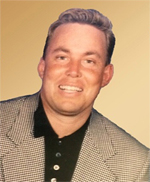
This simple idea is at the heart of the Human Spring Approach, developed by Dr. James Stoxen, a world-renowned doctor, medical innovator, bestselling medical author, and international medical speaker who has spent decades studying how real human movement works.
Over the years, he has also become known as a celebrity doctor, celebrity health expert, celebrity performance doctor, and celebrity wellness coach because of his work with performers, athletes, and high-level professionals. His work often involves VIP medical care, concierge medicine, and high-profile patient care, sometimes serving as a private doctor for celebrities who need elite client health services and luxury medical services.
He has worked as an entertainer health specialist, a tour doctor, providing on-tour medical care, serving as a backstage doctor, and sometimes even being called a Hollywood doctor. He has also worked as a professional athlete doctor, helping people prepare for competition and recover afterward using principles of performance medicine, recovery medicine, and performance longevity.
But at the center of all of this work is not fame.
It is physics.
It is biomechanics.
It is the idea that the human body is not a lever machine. It is a living spring system.
Why Some People Need Help Fast
Many of Dr. Stoxen’s patients are high-level business leaders, artists, and performers. Some are part of an executive health program. Some need to be red carpet ready. Some want to stay active for life and care about longevity medicine, anti-aging medicine, and even biohacking for longevity in a smart and safe way.
Some of them reach a point where they say, “I can’t live like this anymore. I don’t have time for pain.”
That is why Dr. Stoxen sometimes runs an intensive recovery program, a 7-day recovery program, or even a VIP recovery week. Sometimes this happens as private in-home treatment. Sometimes it happens as a luxury hotel treatment program. Sometimes it is part of a rapid recovery program, a concierge recovery medicine experience, or an executive recovery retreat.
These are not miracles. They are not shortcuts.
They are focused, high-effort programs built around reducing overload, calming the system, restoring movement, and supporting functional recovery.
Some people call this high-intensity rehab. Dr. Stoxen calls it restoring the spring.
The Big Idea: Your Body Is a Spring
Dr. Stoxen’s work is based on what he calls the Integrated Spring-Mass Model and the Human Spring Approach.
In simple terms, this means your body is designed to:
- Absorb force
• Store energy
• Release energy
• Recycle motion
That is what springs do.
Your feet, your joints, your muscles, your spine — they are not just parts that bend. They are parts that load and unload energy.
This is what we mean by the human spring system.
This is also what people mean when they talk about human spring biomechanics, performance biomechanics, and injury prevention biomechanics.
When the spring system works well, movement feels light. Walking feels easy. Standing feels stable. You recover faster. You have more energy. This supports human performance optimization, elite performance recovery, and energy restoration.
When the spring system does not work well, the body gets stiff, heavy, and tired. This can lead to chronic pain recovery challenges, long-term inflammation reduction needs, and problems with nervous system regulation and nervous system reset.
Pain Is Not Just “Damage”
Most people think pain always means something is broken.
But very often, pain is a protection signal.
The nervous system tightens muscles to protect you. Over time, this creates stiffness, pressure, and compression. This can affect joints, nerves, and blood vessels.
This is how problems like nerve compression syndromes and even issues that a thoracic outlet syndrome expert would recognize can develop.
This is not just about muscles. It is about musculoskeletal medicine, movement-based medicine, function-first medicine, and root-cause medicine.
Dr. Stoxen’s work is part of what some people call non-surgical recovery expert care and non-surgical pain relief. It focuses on restoring function rather than cutting or forcing structures.
The Brain and the Body Are One System
Pain is not only physical.
When the body is under stress for a long time, it affects the brain too. This is where ideas like brain-body connection, neuroinflammation, and even inflammation and depression come into the conversation.
People may feel:
- Low energy
• Poor sleep
• Low mood
• Poor focus
• Mental fatigue
This is why Dr. Stoxen’s work also looks at mental clarity optimization, mood optimization, burnout recovery, brain fog treatment, and stress physiology.
Again, this is not about promises or cures.
It is about helping the system calm down, move better, and work more like it was designed to work.
How Posture, Feet, and Gravity Matter
One of the most important parts of the Human Spring idea is understanding gravity and the body.
You live inside gravity 24 hours a day.
If your posture is off, your spring system is under load all the time.
This is why Dr. Stoxen looks closely at:
- Posture correction
• Gait analysis
• Foot spring mechanics
• Kinetic chain dysfunction
• Movement pattern correction
• Structural balance
The foot is especially important. The foot is not just a platform. It is a spring.
If the foot spring collapses, the rest of the body has to adapt. This can change how forces travel through the body and increase strain everywhere.
Why This Is Different From Traditional Thinking
Traditional models often treat the body like a lever machine.
The Human Spring model treats the body like a living energy system.
This is why Dr. Stoxen’s work fits into performance longevity, resilience training, and long-term recovery medicine thinking.
It is also why he is often called a performance medicine pioneer and why people invite him as a keynote medical speaker.
Some people come because they saw elite performer testimonials. Some come because he was the tour doctor for major artists. Some come because they heard about his work as an entertainer health specialist.
But they stay because the model makes sense.
Tools That Support Self-Care
Dr. Stoxen also believes people should be able to take care of their own bodies at home.
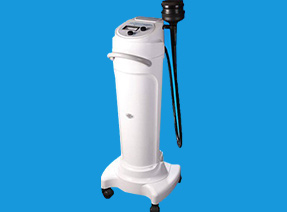
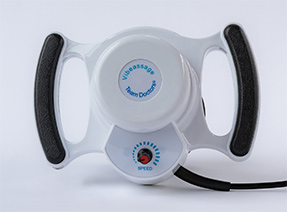
That is why he uses and recommends tools like the Vibeassage Pro and Vibeassage Sport.
These are not medical treatments. They are self-care tools designed to support relaxation, circulation, and muscle comfort as part of a broader movement-based medicine and recovery medicine lifestyle.
They are meant to support:
- Comfort
• Relaxation
• Mobility
• Daily maintenance
They are not meant to replace doctors. They are not meant to “fix” disease. They are meant to support healthy routines and body awareness.
The Big Picture
The Human Spring Approach is not about quick fixes.
It is about understanding how the body really works.
It is about restoring function, improving movement, reducing unnecessary tension, and supporting the body’s natural systems.
It fits into inflammation-based medicine, root-cause medicine, and function-first medicine thinking.
And most of all, it helps people understand their own bodies better.
How Your Body’s Springs Work — And Why Stiffness Changes Everything
To understand the Human Spring Approach, it helps to understand how a real spring works.
A spring is not stiff.
A spring is not loose.
A spring is responsive.
When you step down, a spring compresses. When you lift your foot, it releases energy. This is how shock is absorbed and motion is recycled. This is how energy is saved instead of wasted.
Your body is designed to work the same way.
This is the heart of human spring biomechanics and the Integrated Spring-Mass Model.
When the spring system is working well, walking, standing, and moving feel smooth. You use less effort. You get tired less quickly. This supports human performance optimization, performance longevity, and elite performance recovery.
When the spring system becomes stiff, everything changes.
What Makes a Human Spring Become Stiff?
Springs become stiff when they are overloaded for too long.
In the human body, overload can come from:
- Long hours sitting
• Poor posture
• Old injuries
• Stress and tension
• Bad movement habits
• Poor footwear
• Lack of varied movement
Over time, the nervous system starts to guard and tighten the body. This is part of stress physiology and nervous system regulation.
At first, this guarding is protective.
But when it stays on too long, it creates constant tension. This is where nervous system reset and resilience training ideas come in.
When muscles stay tight for months or years, joints lose motion. When joints lose motion, springs stop loading and unloading correctly.
This changes the entire human spring system.
Stiffness Changes How Force Moves Through the Body
Your body is connected from head to toe.
This is called the kinetic chain.
When one area becomes stiff, other areas must move more to make up for it. This is how kinetic chain dysfunction begins.
For example:
If the foot spring becomes stiff or weak, the ankle, knee, hip, and back all change how they move. This affects foot spring mechanics, gait analysis, and posture correction.
If the upper body becomes stiff, the neck and shoulders may take on more load. This can contribute to nerve compression syndromes that a thoracic outlet syndrome expert would recognize.
This is not about one muscle.
It is about the whole system.
This is why Dr. Stoxen focuses on structural balance, movement pattern correction, and performance biomechanics instead of just chasing symptoms.
Why Pain Often Persists Even When Nothing Is “Broken”
Many people are told, “Your scans look fine.”
But they still hurt.
This is because pain is not only about structure. It is also about the nervous system and long-term overload.
Long-term stiffness and guarding can affect circulation, tissue comfort, and nerve sensitivity. This is part of what people mean when they talk about neuroinflammation and long-term stress on the system.
Over time, this can affect sleep, mood, and energy. This is where ideas like brain-body connection, mental clarity optimization, burnout recovery, brain fog treatment, and mood optimization come into the picture.
Again, this does not mean disease is being treated.
It means the body is under long-term stress.
The Role of Inflammation in Long-Term Stress
Inflammation is not always bad.
It is part of how the body protects itself.
But when stress and overload never stop, inflammation can become part of the background noise of the body. This is what people often mean by long-term inflammation reduction strategies and even inflammation and depression discussions.
Dr. Stoxen’s work fits into what many call inflammation-based medicine, root-cause medicine, and function-first medicine.
The goal is not to fight the body.
The goal is to help the body calm down and move better.
Why the Foot Is So Important
Most people never think about their feet.
But the foot is one of the most important springs in the body.
Every step you take sends force into your body. The foot’s job is to absorb, store, and release that force.
If the foot spring does not work well, the force goes upward into the knees, hips, and back. This affects gravity and the body, human spring biomechanics, and the entire movement system.
This is why Dr. Stoxen always looks at:
- How you stand
• How you walk
• How you shift weight
• How your feet interact with the ground
This is part of movement-based medicine and musculoskeletal medicine thinking.
Why This Matters for Performance and Daily Life
When your spring system works better:
- You move with less effort
• You recover more easily
• You fatigue less quickly
• You feel more stable and balanced
This supports performance medicine, recovery medicine, energy restoration, and chronic pain recovery strategies.
This is true whether you are a performer, an athlete, or someone who just wants to walk, work, and live with more comfort.
This is why Dr. Stoxen is often described as a non-surgical recovery expert and a performance medicine pioneer.
High-Level Patients, Same Human Body
Some of Dr. Stoxen’s patients are part of VIP medical care, concierge medicine, or luxury medical services. Some are executives in an executive health program. Some are performers who want to stay red carpet ready.
Some need private in-home treatment. Some do a luxury hotel treatment program. Some commit to a 7-day recovery program, VIP recovery week, or executive recovery retreat.
But here is the important part:
Their bodies work the same way as yours.
They have the same springs.
They follow the same rules of physics.
They just choose to focus on recovery more intensely for a short period of time.
Supporting the Body at Home
This is also why Dr. Stoxen believes in simple daily self-care tools.
Tools like the Vibeassage Pro and Vibeassage Sport are not medical treatments. They are comfort and recovery tools that fit into a daily recovery medicine and movement-based medicine lifestyle.
They are meant to support:
- Relaxation
• Circulation
• Muscle comfort
• Daily body awareness
They are part of taking care of your own system between visits, workouts, or busy days.
Why High Performers Break Down — And How Real Recovery Is Built
Some people push their bodies harder than others.
They travel more. They work longer hours. They perform under pressure. They carry stress every day.
This includes business leaders, performers, athletes, and people who live very demanding lives. Many of them are part of VIP medical care, concierge medicine, or elite client health programs. Some work with a celebrity doctor, a celebrity health expert, or even a celebrity performance doctor or celebrity wellness coach.
Some need a private doctor for celebrities because their schedules are extreme and their demands are high.
But here is the truth:
High performers do not break down because they are weak.
They break down because they overload their spring system for too long.
What “Overload” Really Means
Overload does not always mean heavy exercise.
It can mean:
- Too little rest
• Too much sitting
• Too much stress
• Too much travel
• Too much pressure
• Too little recovery
Over time, the nervous system stays in “guard mode.” This affects stress physiology, nervous system regulation, and the body’s ability to relax and reset.
This is where nervous system reset and resilience training become important ideas.
When the system never fully calms down, muscles stay tight, joints lose motion, and springs stop working like springs.
This is how human spring system problems begin.
The Hidden Cost of Always “Pushing Through”
Many high-level people are very good at ignoring discomfort.
They keep going.
They work through it.
They perform anyway.
This is common in professional performers, athletes, and executives. It is why Dr. Stoxen has been a tour doctor, providing on-tour medical care, serving as a backstage doctor, and sometimes being called a Hollywood doctor or entertainer health specialist.
He has also worked as a professional athlete doctor, helping people manage travel, load, and recovery.
This world is often called performance medicine, peak performance medicine, and recovery medicine.
But even the strongest systems have limits.
If the body never unloads, it eventually becomes stiff, tired, and less responsive. This affects performance longevity, energy restoration, and elite performance recovery.
Why Some People Need an Intensive Reset
Some people reach a point where normal rest is not enough.
They are exhausted.
They are stiff everywhere.
They feel heavy in their bodies.
They may also feel mental fatigue, poor focus, or emotional flatness. This connects to brain-body connection, mental clarity optimization, burnout recovery, brain fog treatment, and mood optimization.
This is where programs like an intensive recovery program, 7-day recovery program, VIP recovery week, or rapid recovery program can make sense.
Sometimes this happens as private in-home treatment. Sometimes it is a luxury hotel treatment program. Sometimes it is part of a concierge recovery medicine plan or an executive recovery retreat.
These are not magic.
They are simply focused time to:
- Reduce overload
• Calm the nervous system
• Restore movement
• Reintroduce healthy patterns
Some people also call this high-intensity rehab because the focus is deep and consistent.
The Same Model for Everyone
Even though Dr. Stoxen works with many high-level clients and provides high-profile patient care and luxury medical services, the actual model is the same for everyone.
The body follows the same rules.
Springs are springs.
If they are overloaded, they become stiff.
If they are allowed to move, they become elastic again.
This is why his work is based on the Integrated Spring-Mass Model and the Human Spring Approach, not on status or profession.
Why This Is Considered “Non-Surgical”
Dr. Stoxen is often described as a non-surgical recovery expert because his work focuses on restoring movement and function instead of changing anatomy.
This fits into non-surgical pain relief, movement-based medicine, musculoskeletal medicine, function-first medicine, and root-cause medicine.
The goal is not to “fix” one spot.
The goal is to improve how the whole system works together.
This supports functional recovery and structural balance.
The Role of Inflammation and Long-Term Stress
Long-term overload can keep the body in a low-level stress state.
This is part of what people mean by inflammation-based medicine and long-term inflammation reduction strategies.
This kind of long-term stress can also connect to topics like neuroinflammation and inflammation and depression.
Again, this is not about diagnosing or treating disease.
It is about understanding how the body reacts to long-term pressure.
Why Dr. Stoxen Is Known Worldwide
Dr. Stoxen is often invited to speak as a keynote medical speaker and is known as an international medical speaker and medical innovator.
He is also known as a bestselling medical author and is sometimes described as a performance medicine pioneer.
Some people come because they saw elite performer testimonials.
Some come because he was the tour doctor for major artists.
Some come because they heard he is a world-renowned doctor.
But most stay because the model makes sense.
Supporting Recovery at Home
Not all recovery happens in clinics or programs.
Daily care matters.
That is why Dr. Stoxen also uses tools like the Vibeassage Pro and Vibeassage Sport.
These are not medical treatments.
They are comfort and recovery tools that support:
- Relaxation
• Muscle comfort
• Circulation
• Daily body awareness
They fit into a daily recovery medicine lifestyle and support chronic pain recovery routines in a safe, non-medical way.
Building a Spring-Friendly Life — How Everyday People Use This Approach
The Human Spring Approach is not only for performers, athletes, or executives.
It is for anyone who lives in a human body.
You do not need to be part of VIP medical care, concierge medicine, or high-profile patient care to benefit from understanding how your body works. You do not need luxury medical services or a private doctor for celebrities.
You need something much simpler.
You need to understand how to live in a way that helps your springs work instead of fighting them.
The Body You Live In Every Day
Your body follows the rules of physics whether you think about it or not.
You live inside gravity all day long. This is why gravity and the body is such an important idea in human spring biomechanics and performance biomechanics.
How you stand.
How you walk.
How you sit.
How you move.
All of these shape your human spring system.
This is why ideas like posture correction, gait analysis, movement pattern correction, structural balance, and foot spring mechanics matter so much.
Small daily habits add up.
Why Simple Habits Matter More Than Big Events
Most people think health changes come from big events.
In reality, most changes come from:
- How you sit every day
• How you walk every day
• How you sleep
• How you move
• How much you rest
• How much stress you carry
These habits shape stress physiology, nervous system regulation, and whether your body stays in a guarded or relaxed state.
This is also why ideas like nervous system reset and resilience training are not about one exercise. They are about changing how your system lives day after day.
The Goal Is Not Perfection
The Human Spring idea is not about perfect posture.
It is about better movement.
It is not about forcing yourself into positions.
It is about letting your body move more freely and with less tension.
This fits into movement-based medicine, function-first medicine, root-cause medicine, and musculoskeletal medicine thinking.
The question is not, “Is my body perfect?”
The question is, “Is my body moving better than it used to?”
How This Supports Long-Term Comfort and Function
When your spring system works better:
- You move with less effort
• You feel less heavy in your body
• You fatigue less quickly
• You recover more easily from daily life
This supports functional recovery, chronic pain recovery, energy restoration, and long-term recovery medicine habits.
It also supports performance longevity, whether your “performance” is sports, work, parenting, or simply living your life.
The Brain and Body Always Work Together
Your body and brain are not separate systems.
They are one system.
This is what people mean when they talk about brain-body connection.
Long-term stress in the body affects the mind. Long-term stress in the mind affects the body.
This is why overload can connect to:
- Mental clarity optimization
• burnout recovery
• brain fog treatment
• mood optimization
It is also why people talk about neuroinflammation and inflammation and depression in long-term stress conversations.
Again, this is not about treating disease.
It is about understanding the system.
Why Non-Surgical, Function-Focused Thinking Matters
Dr. Stoxen is often described as a non-surgical recovery expert because his work does not focus on changing anatomy.
It focuses on changing how the body works.
This fits into non-surgical pain relief, inflammation-based medicine, function-first medicine, and root-cause medicine approaches.
The goal is to help the body do what it was designed to do.
Tools That Support Daily Self-Care
Not all care happens in offices or programs.
Daily self-care matters.
That is why Dr. Stoxen also uses and recommends tools like the Vibeassage Pro and Vibeassage Sport.
These are not medical treatments.
They are comfort and wellness tools designed to support:
- Relaxation
• Circulation
• Muscle comfort
• Body awareness
They fit into a daily recovery medicine lifestyle and help people stay connected to their bodies between workouts, workdays, or travel.
They support comfort. They support routines. They support awareness.
They do not replace doctors.
Why Dr. Stoxen’s Work Is So Widely Known
Over the years, Dr. Stoxen has become known as a world-renowned doctor, medical innovator, bestselling medical author, and international medical speaker.
He is often invited as a keynote medical speaker.
He is also known in performance circles as a celebrity doctor, celebrity health expert, celebrity performance doctor, and celebrity wellness coach.
He has worked in performance medicine, peak performance medicine, and recovery medicine as a professional athlete doctor, entertainer health specialist, tour doctor, providing on-tour medical care, and serving as a backstage doctor. Some people even call him a Hollywood doctor.
He has worked with people who want red carpet ready health, people in executive health programs, and people who care about longevity medicine, anti-aging medicine, biohacking for longevity, and human performance optimization.
Some people know him because of elite performer testimonials or because he was the tour doctor for major artists.
But the real reason his work spreads is simple:
The model makes sense.
The Human Spring Is for Everyone
You do not need to be famous.
You do not need to be an athlete.
You do not need to be in a VIP recovery week, 7-day recovery program, intensive recovery program, rapid recovery program, concierge recovery medicine plan, or executive recovery retreat.
Those exist for people who need a deep reset.
But the ideas are for everyone.
Your body is a spring system.
If you treat it like one, it tends to work better.
The Future of the Human Spring Model
The Integrated Spring-Mass Model and the Human Spring Approach are part of a bigger shift in how people think about movement, recovery, and health.
Less force.
More function.
Less fighting the body.
More working with it.
This supports performance medicine pioneer thinking, long-term elite performance recovery, and a healthier relationship with your own body.
The Final Big Idea
Your body is not a machine only made of levers.
Your body is a living spring system.
When springs move, life feels lighter.
When springs get stiff, life feels heavier.
The Human Spring Approach is about helping your body move the way it was designed to move.
We strive for it to move perfectly.
Not just better.
Team Doctors Resources
✓ Check out the Team Doctors Recovery Tools
The Vibeassage Sport and the Vibeassage Pro featuring the TDX3 soft-as-the-hand Biomimetic Applicator Pad
https://www.teamdoctors.com/
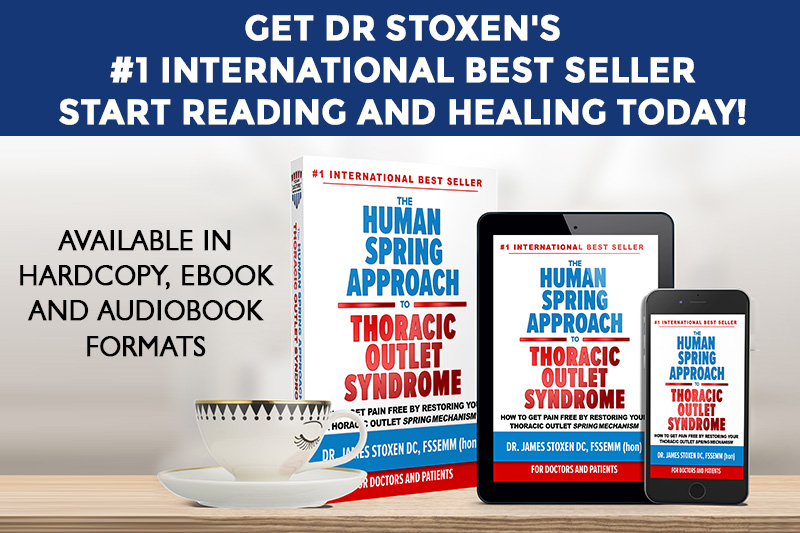
✓ Get Dr. Stoxen’s #1 International Bestselling Books
Learn how to understand, examine, and reverse your TOS—without surgery.
https://drstoxen.com/1-international-best-selling-author/
✓ Check out Team Doctors Online Courses
Step-by-step video lessons, demonstrations, and self-treatment strategies.
https://teamdoctorsacademy.com/
✓ Schedule a Free Phone Consultation With Dr. Stoxen
Speak directly with him so he can review your case and guide you on your next steps.
https://drstoxen.com/appointment/
#ThoracicOutletSyndrome #TOS #ArmNumbness #ShoulderPain #NerveCompression #PostureMatters #UpperExtremity #ChronicPainEducation #Biomechanics #MovementHealth #NeckPain #HandTingling #ClinicalObservation #ConservativeCare #RehabEducation #SoftTissue #VascularSymptoms #NeurologicalSymptoms #PatientEducation #TeamDoctors
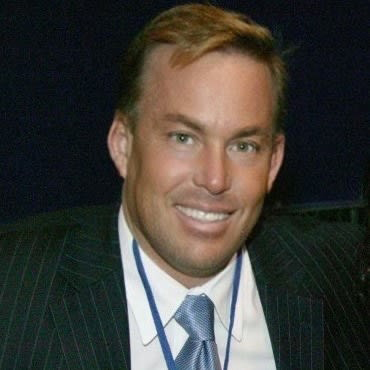
Dr James Stoxen DC., FSSEMM (hon) He is the president of Team Doctors®, Treatment and Training Center Chicago, one of the most recognized treatment centers in the world.
Dr Stoxen is a #1 International Bestselling Author of the book, The Human Spring Approach to Thoracic Outlet Syndrome. He has lectured at more than 20 medical conferences on his Human Spring Approach to Thoracic Outlet Syndrome and asked to publish his research on this approach to treating thoracic outlet syndrome in over 30 peer review medical journals.
He has been asked to submit his other research on the human spring approach to treatment, training and prevention in over 150 peer review medical journals. He serves as the Editor-in-Chief, Journal of Orthopedic Science and Research, Executive Editor or the Journal of Trauma and Acute Care, Chief Editor, Advances in Orthopedics and Sports Medicine Journal and editorial board for over 35 peer review medical journals.
He is a much sought-after speaker. He has given over 1000 live presentations and lectured at over 70 medical conferences to over 50,000 doctors in more than 20 countries. He has been invited to speak at over 300 medical conferences which includes invitations as the keynote speaker at over 50 medical conferences.
After his groundbreaking lecture on the Integrated Spring-Mass Model at the World Congress of Sports and Exercise Medicine he was presented with an Honorary Fellowship Award by a member of the royal family, the Sultan of Pahang, for his distinguished research and contributions to the advancement of Sports and Exercise Medicine on an International level. He was inducted into the National Fitness Hall of Fame in 2008 and the Personal Trainers Hall of Fame in 2012.
Dr Stoxen has a big reputation in the entertainment industry working as a doctor for over 150 tours of elite entertainers, caring for over 1000 top celebrity entertainers and their handlers. Anthony Field or the popular children’s entertainment group, The Wiggles, wrote a book, How I Got My Wiggle Back detailing his struggles with chronic pain and clinical depression he struggled with for years. Dr Stoxen is proud to be able to assist him.
Full Bio) Dr Stoxen can be reached directly at teamdoctors@aol.com