Many individuals want to understand why their symptoms feel complicated, widespread, or difficult to explain. In my clinical experience, one of the most important but overlooked contributors to upper body symptoms is the subclavius muscle. This article explores how this small but powerful structure can mimic Thoracic Outlet Syndrome and create patterns that confuse both patients and professionals.
The subclavius sits beneath the collarbone. When it becomes irritated or swollen, it can press against the nerves and vessels that pass through the outlet. This can mimic signs often attributed to nerve compression, venous congestion, or restricted arterial flow. Many individuals describe this area as extremely tender during examination.
Daily habits play a large role in activating the subclavius. Activities like driving, typing, or frequent cell phone use cause repeated activation. Over time, the muscle becomes fatigued. Fatigue leads to inflammation, and inflammation triggers the protective contractions often referred to as the splinting reflex. This process can spread across the neck, shoulder, and chest.
A unique feature of the subclavius is the way it affects multiple structures at once. When it contracts tightly, it can lift the first rib upward into the outlet. At the same time, it can pull the clavicle downward. This creates two forms of mechanical narrowing. Few muscles influence the thoracic outlet in such a direct, dual way. Many individuals report that this region is among the most painful during deep tissue evaluation.
Symptoms often resemble common patterns seen in Thoracic Outlet Syndrome. People may describe tingling in the arm, aching near the shoulder blade, tightness in the chest, or discomfort when raising the arms. These sensations arise because the guarding reflex activates not only the subclavius but also surrounding structures such as the anterior scalene, middle scalene, and posterior scalene.
Another factor that contributes to confusion is the presence of multiple choke points. In many cases, the upper body contains three primary areas where the outlet can narrow. These areas may involve different combinations of muscles. The inflammation that begins in one area often spreads. Individuals describe discomfort that moves through the shoulder, rib cage, neck, and upper arm.
In my clinical experience, tension often appears in at least a dozen muscles. These may include the trapezius, latissimus dorsi, short head biceps, coracobrachialis, and medial triceps. When these structures contract together, the pain becomes more complex. This leads many individuals to believe they have structural compression even when the primary issue is muscular.
The guarding reflex plays a major role in this process. When one area becomes irritated, the spinal cord sends a message to the surrounding muscles to brace the region. This bracing increases tension. As tension rises, muscles shift bones out of their natural positions. Many individuals describe how their shoulder feels dragged downward. This shift narrows the outlet and imitates signs seen in vascular compression or neurogenic TOS.
Inflammation adds to the complexity. As muscle fibers become irritated, they send stronger messages to the spinal cord. This creates more powerful contractions. Over time, individuals may feel symptoms spreading across the upper body. This cycle explains why so many people feel pain between the shoulder blades, along the ribs, and down the arm.
Surgical procedures often focus on structural or vascular concerns. Individuals may undergo first rib resection, scalenectomy, or other decompression procedures. These interventions can open a space in the outlet when medically necessary, especially in cases of vascular compression. However, many individuals describe continued discomfort afterward. This is because the broader muscular guarding pattern was not the target of the procedure.
Understanding the purpose of these procedures helps clarify expectations. Surgery typically widens a single anatomical opening to address blood flow concerns. It is not designed to address widespread muscular inflammation or the guarding patterns that develop across the upper body. When individuals expect surgery to resolve all symptoms, the difference between structural and muscular contributors becomes clearer after the procedure.
Inflammation mapping helps identify the full pattern. This method highlights where irritation has accumulated and which muscles are contributing to the overall tension. Many individuals express surprise when they realize how many structures are involved. Learning about these relationships helps explain why symptoms felt so widespread.
Recognizing the role of the subclavius also helps people understand the source of their discomfort. Because this muscle influences both the rib and the collarbone, its tension affects the mechanics of the entire region. This dual action makes it one of the most important structures to examine when symptoms mimic Thoracic Outlet Syndrome.
Understanding the anatomy and mechanics of the thoracic outlet empowers individuals to make sense of their symptoms. Education provides clarity and helps people recognize why certain patterns feel intense, persistent, or widespread. Exploring the broader network of muscles involved in upper body strain allows individuals to better understand their own experiences.
Team Doctors Resources
✓ Check out the Team Doctors Recovery Tools
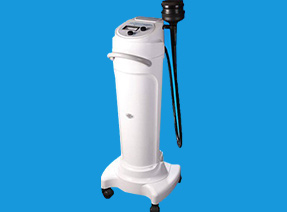
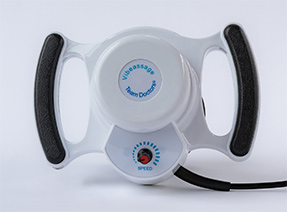
The Vibeassage Sport and the Vibeassage Pro featuring the TDX3 soft-as-the-hand Biomimetic Applicator Pad
https://www.teamdoctors.com/
✓ Get Dr. Stoxen’s #1 International Bestselling Books
Learn how to understand, examine, and reverse your TOS—without surgery.
https://drstoxen.com/1-international-best-selling-author/
✓ Check out Team Doctors Online Courses
Step-by-step video lessons, demonstrations, and self-treatment strategies.
https://teamdoctorsacademy.com/
✓ Schedule a Free Phone Consultation With Dr. Stoxen
Speak directly with him so he can review your case and guide you on your next steps.
https://drstoxen.com/appointment/
#thoracicoutletsyndrome #subclavius #tos #outletanatomy #nervecompression
#vascularcompression #musclespasms #upperbodypain #inflammationmapping
#scalenes #firstRib #upperextremitypain #teamdoctors #drstoxen #shouldermechanics
#neckpain #posturepatterns #movementhealth #painpatterns #upperbodytension
References
[1] Sanders, Richard J., and Julie A. Annest. “Thoracic Outlet Syndrome: A Review.” Neurologic Clinics, 2008.
https://doi.org/10.1016/j.ncl.2008.02.011
[2] Hooper, Thomas L., et al. “Thoracic Outlet Syndrome: A Controversial Clinical Condition.” 2010.
https://pubmed.ncbi.nlm.nih.gov/20090429/
[3] Braun, Robert M. “Pectoralis Minor Syndrome.” Hand Clinics, 2004.
https://doi.org/10.1016/j.hcl.2004.04.001
[4] Ellis, Michael R., et al. “Shoulder Girdle Biomechanics and Muscle Imbalance.” Journal of Bodywork and Movement Therapies, 2013.
https://pubmed.ncbi.nlm.nih.gov/23294686/

Dr James Stoxen DC., FSSEMM (hon) He is the president of Team Doctors®, Treatment and Training Center Chicago, one of the most recognized treatment centers in the world.
Dr Stoxen is a #1 International Bestselling Author of the book, The Human Spring Approach to Thoracic Outlet Syndrome. He has lectured at more than 20 medical conferences on his Human Spring Approach to Thoracic Outlet Syndrome and asked to publish his research on this approach to treating thoracic outlet syndrome in over 30 peer review medical journals.
He has been asked to submit his other research on the human spring approach to treatment, training and prevention in over 150 peer review medical journals. He serves as the Editor-in-Chief, Journal of Orthopedic Science and Research, Executive Editor or the Journal of Trauma and Acute Care, Chief Editor, Advances in Orthopedics and Sports Medicine Journal and editorial board for over 35 peer review medical journals.
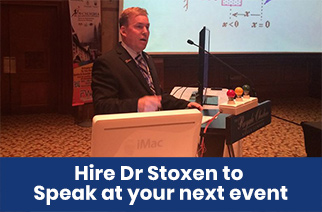
He is a much sought-after speaker. He has given over 1000 live presentations and lectured at over 70 medical conferences to over 50,000 doctors in more than 20 countries. He has been invited to speak at over 300 medical conferences which includes invitations as the keynote speaker at over 50 medical conferences.
After his groundbreaking lecture on the Integrated Spring-Mass Model at the World Congress of Sports and Exercise Medicine he was presented with an Honorary Fellowship Award by a member of the royal family, the Sultan of Pahang, for his distinguished research and contributions to the advancement of Sports and Exercise Medicine on an International level. He was inducted into the National Fitness Hall of Fame in 2008 and the Personal Trainers Hall of Fame in 2012.
Dr Stoxen has a big reputation in the entertainment industry working as a doctor for over 150 tours of elite entertainers, caring for over 1000 top celebrity entertainers and their handlers. Anthony Field or the popular children’s entertainment group, The Wiggles, wrote a book, How I Got My Wiggle Back detailing his struggles with chronic pain and clinical depression he struggled with for years. Dr Stoxen is proud to be able to assist him.
Full Bio) Dr Stoxen can be reached directly at teamdoctors@aol.com