The Inflammation–Splinting Loop in Chronic Thoracic Outlet Syndrome
Chronic Thoracic Outlet Syndrome is often discussed as a structural or anatomical problem, yet many individuals continue to struggle even when imaging appears mild or inconclusive. In my clinical experience, one of the most overlooked contributors is a self-perpetuating physiological pattern I describe as the inflammation reflex loop. This loop explains why symptoms can persist despite rest, therapy, or otherwise appropriate care, and why daily habits can rapidly reignite discomfort.
At the center of this process is inflammation driven muscle guarding. When soft tissues become chemically irritated, sensory receptors detect changes in pH, temperature, and metabolic byproducts. These signals are interpreted by the nervous system as potential injury. Rather than waiting for structural damage, the body responds preemptively through protective splinting.
This reaction is not voluntary. It is mediated through multiple spinal and supraspinal pathways described in neurological literature. These neuromuscular reflexes exist to stabilize and protect vulnerable regions. In the neck and shoulder complex, this typically results in increased tone within the scalene muscle tension, upper trapezius, levator scapulae, and deep cervical stabilizers.
Once this reflex engages, a predictable cycle unfolds. Inflammatory chemicals irritate local nerves. Those nerves signal danger. The spinal cord responds with reflexive muscle contraction to brace the region. Sustained contraction reduces local circulation, leading to muscle fatigue and ischemia. Fatigued fibers then release additional inflammatory mediators, which further stimulate nociceptors. The loop tightens.
Over time, these forces can mechanically alter regional alignment. Continuous contraction can elevate the first rib, narrow interscalene spaces, and increase pressure on neurovascular structures. This contributes to brachial plexus irritation and subclavian vessel compression, hallmark features associated with Thoracic Outlet Syndrome. Symptoms may include paresthesia, heaviness, temperature changes, or diffuse pain patterns that fluctuate throughout the day.
This mechanism also helps explain why chronic neck and shoulder pain often accompanies TOS. The issue is not limited to a single chokepoint. Instead, the entire cervical-thoracic junction becomes involved in a global guarding response. The body is not malfunctioning; it is executing a protective strategy that has failed to disengage.
A critical aspect of this loop is its sensitivity to posture and sustained positioning. The human head weighs approximately ten pounds. When upright alignment is compromised, that load must be supported by muscular effort rather than skeletal stacking. Activities such as prolonged phone use, gaming with forward head posture, or watching videos in bed increase demand on the scalene muscles. This leads to posture related nerve compression through sustained contraction rather than acute strain.
Even after inflammation is reduced through appropriate care, the loop can be reactivated quickly. A single night of poor positioning may be enough to reignite symptoms. This is why individuals often report feeling “set back” without any obvious injury. The reflex has simply been retriggered through gravity load mismanagement.
Understanding this process reframes how setbacks are interpreted. Persistent or recurrent symptoms are often labeled as treatment failure. In reality, they may represent behavior triggered symptom recurrence. If inflammation is not fully resolved, or if daily habits continuously reintroduce load, the nervous system has no reason to release its protective tone.
This also clarifies why passive approaches alone may have limited durability. Without addressing how the body interacts with gravity throughout the day, the reflexive loop remains primed. The goal is not constant correction, but developing awareness of positions that provoke sustained contraction and modifying them before inflammation accumulates.
When inflammation subsides and guarding decreases, notable changes occur. Muscles soften. Ribs settle inferiorly. Neural mobility improves. Circulatory dynamics normalize. Symptoms often diminish without forceful intervention. This pattern supports the concept of living in harmony with gravity rather than fighting it through effort or bracing.
Educational discussions like this aim to help individuals recognize the role of reflexive guarding in their own experience. By understanding how inflammation, posture, and neuromuscular responses interact, patients are better equipped to interpret flare-ups and respond appropriately. This perspective does not replace evaluation or care, but it provides a framework for understanding why chronic Thoracic Outlet Syndrome can be so persistent and why awareness is often a turning point in long-term management.
Team Doctors Resources
✓ Check out the Team Doctors Recovery Tools
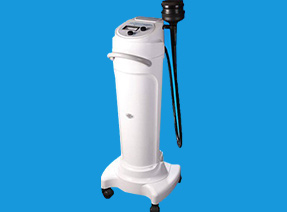
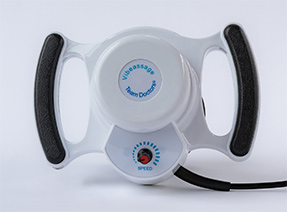
The Vibeassage® Sport and the Vibeassage® Pro featuring the TDX3 soft-as-the-hand Biomimetic Applicator Pad
https://www.teamdoctors.com/
✓ Get Dr. Stoxen’s #1 International Bestselling Books
Learn how to understand, examine, and reverse your TOS—without surgery.
https://drstoxen.com/1-international-best-selling-author/
✓ Check out Team Doctors Online Courses
Step-by-step video lessons, demonstrations, and self-treatment strategies.
https://teamdoctorsacademy.com/
✓ Schedule a Free Phone Consultation With Dr. Stoxen
Speak directly with him so he can review your case and guide you on your next steps.
https://drstoxen.com/appointment/
#ThoracicOutletSyndrome #TOS #ChronicPain #NeckPain #ShoulderPain #PostureAwareness #MuscleGuarding #InflammationLoop #NerveCompression #Biomechanics #HumanMovement #PainScience #Ergonomics #GravityAndPosture #NeuroMuscular #RepetitiveStrain #UpperExtremityPain #EducationOnly #TeamDoctors #DrStoxen
References
- Grieve, G. P. Common Vertebral Joint Problems. Churchill Livingstone, 2006.
- Lund, J. P., et al. “The Pain-Adaptation Model.” Pain, vol. 87, no. 3, 2000.
- Shacklock, M. Clinical Neurodynamics. Elsevier, 2005.
- Butler, D., and Moseley, L. Explain Pain. Noigroup Publications, 2013.

Dr James Stoxen DC., FSSEMM (hon) He is the president of Team Doctors®, Treatment and Training Center Chicago, one of the most recognized treatment centers in the world.
Dr Stoxen is a #1 International Bestselling Author of the book, The Human Spring Approach to Thoracic Outlet Syndrome. He has lectured at more than 20 medical conferences on his Human Spring Approach to Thoracic Outlet Syndrome and asked to publish his research on this approach to treating thoracic outlet syndrome in over 30 peer review medical journals.
He has been asked to submit his other research on the human spring approach to treatment, training and prevention in over 150 peer review medical journals. He serves as the Editor-in-Chief, Journal of Orthopedic Science and Research, Executive Editor or the Journal of Trauma and Acute Care, Chief Editor, Advances in Orthopedics and Sports Medicine Journal and editorial board for over 35 peer review medical journals.
He is a much sought-after speaker. He has given over 1000 live presentations and lectured at over 70 medical conferences to over 50,000 doctors in more than 20 countries. He has been invited to speak at over 300 medical conferences which includes invitations as the keynote speaker at over 50 medical conferences.
After his groundbreaking lecture on the Integrated Spring-Mass Model at the World Congress of Sports and Exercise Medicine he was presented with an Honorary Fellowship Award by a member of the royal family, the Sultan of Pahang, for his distinguished research and contributions to the advancement of Sports and Exercise Medicine on an International level. He was inducted into the National Fitness Hall of Fame in 2008 and the Personal Trainers Hall of Fame in 2012.
Dr Stoxen has a big reputation in the entertainment industry working as a doctor for over 150 tours of elite entertainers, caring for over 1000 top celebrity entertainers and their handlers. Anthony Field or the popular children’s entertainment group, The Wiggles, wrote a book, How I Got My Wiggle Back detailing his struggles with chronic pain and clinical depression he struggled with for years. Dr Stoxen is proud to be able to assist him.
Full Bio) Dr Stoxen can be reached directly at teamdoctors@aol.com