The Inflammation–Guarding–Splinting Loop Behind Chronic Thoracic Outlet Syndrome
In my clinical experience, one of the most overlooked mechanisms behind chronic pain—especially in Thoracic Outlet Syndrome—is the inflammation–guarding–splinting loop. This reflex-driven cycle is well documented across multiple scientific disciplines, yet most individuals suffering with persistent symptoms have never been taught how it works or why it keeps them trapped in long-term pain.
The thoracic outlet is a highly sensitive region. It contains major nerves, arteries, and veins that respond rapidly to changes in muscle tone and posture. When tissues in this area become irritated, the body does not wait for structural damage to occur. Instead, it activates a protective reflex designed to stabilize and defend the region.
The second major theory behind many TOS-related symptoms is chronic inflammation within the muscles and soft tissues surrounding the outlet. Inflammation alters the chemical environment of the tissue. Sensory nerves detect these chemical changes and interpret them as a threat. That information is sent to the spinal cord.
The spinal cord responds with a muscle guarding reflex. Surrounding muscles contract to brace the area and limit motion. This response is protective in the short term. It reduces movement and attempts to prevent further injury. However, when inflammation persists, the reflex does not shut off.
This is where the loop begins.
Poor posture, repetitive strain, or sustained positions fatigue the muscles supporting the neck and shoulder. Muscle fatigue creates micro-damage. That damage triggers inflammation. The nerves detect inflammation and signal distress. The spinal cord responds by increasing muscle contraction.
Those muscles then remain contracted for prolonged periods. Sustained contraction reduces blood flow, accelerates fatigue, and generates additional inflammatory byproducts. This amplifies the original signal. The spinal cord receives stronger danger messages and responds with even greater contraction.
Over time, this cycle intensifies. The inflammation–guarding loop becomes self-perpetuating. Muscle tone increases, joints stiffen, and soft tissues lose their ability to adapt. Eventually, the tightening forces are strong enough to alter structure.
In Thoracic Outlet Syndrome, this manifests as thoracic outlet compression. Guarded muscles elevate ribs, pull the shoulder girdle downward, or collapse space around the brachial plexus and subclavian vessels. What began as a protective reflex becomes a mechanical problem.
This explains why many individuals feel stuck in chronic pain even after receiving treatment. If care does not significantly reduce inflammation, the reflex loop remains active. Symptoms may temporarily improve, but the nervous system quickly reasserts protection.
Daily habits make this worse. Many people leave treatment feeling better, then go home and relax in positions that silently reactivate the loop. Reclining in bed or on a couch while scrolling on a phone may feel restful, but biomechanically it is demanding.
In these positions, the head often tilts forward or to the side. The scalene muscles must hold up a ten-pound head for extended periods. This sustained contraction rapidly fatigues the muscles. Fatigue creates inflammation. The loop restarts.
This is why I often tell patients that improvement can be undone without any injury. It can happen quietly, through posture alone. If the same loading patterns return, the nervous system responds the same way it always has.
Breaking this cycle requires more than treatment sessions. It requires learning to live in harmony with gravity. When posture supports skeletal balance, muscles can relax. When muscles relax, inflammation decreases. When inflammation decreases, the guarding reflex turns off.
Without this understanding, no amount of care—ten visits or one hundred—can overcome daily reactivation. Treatment removes inflammation temporarily. Habits determine whether it stays gone.
Education becomes the foundation of long-term improvement. When individuals understand how muscle guarding physically compresses the thoracic outlet, they begin to see their symptoms differently. Pain is no longer mysterious. It becomes predictable.
This awareness shifts patients from passive recipients of care to active participants in recovery. They start noticing how they sit at work, how they hold the steering wheel, how their shoulders rise under stress, and how their head drifts forward during concentration.
These adjustments are subtle, but they accumulate. Over time, reducing constant background inflammation allows muscles to release and mobility to return. The thoracic outlet opens not through force, but through reduced protective tension.
What I have consistently observed is that patients who internalize this loop make fewer dramatic changes, yet achieve more durable results. They stop chasing symptom relief and start managing the mechanism that creates symptoms.
Chronic pain in Thoracic Outlet Syndrome is rarely about a single structure. It is about a nervous system caught in protection mode. When inflammation is reduced and posture supports gravity instead of fighting it, the loop dissolves.
Understanding this process is often the turning point. It explains why progress stalled in the past and why it can now be sustained. When the loop is broken, the body no longer needs to guard—and space returns where compression once lived.
Team Doctors Resources
✓ Check out the Team Doctors Recovery Tools
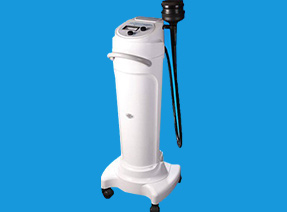
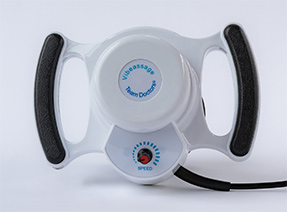
The Vibeassage® Sport and the Vibeassage® Pro featuring the TDX3 soft-as-the-hand Biomimetic Applicator Pad
https://www.teamdoctors.com/
✓ Get Dr. Stoxen’s #1 International Bestselling Books
Learn how to understand, examine, and reverse your TOS—without surgery.
https://drstoxen.com/1-international-best-selling-author/
✓ Check out Team Doctors Online Courses
Step-by-step video lessons, demonstrations, and self-treatment strategies.
https://teamdoctorsacademy.com/
✓ Schedule a Free Phone Consultation With Dr. Stoxen
Speak directly with him so he can review your case and guide you on your next steps.
https://drstoxen.com/appointment/
#ThoracicOutletSyndrome #TOS #ChronicPain #MuscleGuarding #InflammationLoop #PostureMatters #Biomechanics #NerveCompression #VascularCompression #ChronicInflammation #PainScience #MovementAwareness #SelfCareEducation #NonSurgicalCare #GravityAndPosture #TeamDoctors #DrStoxen #TOSRecovery #ChronicPainEducation #WhatWorks
References
- Lund, J. P., et al. “The Pain Adaptation Model.” Pain, 1991.
- Shacklock, M. Clinical Neurodynamics. Elsevier, 2005.
- Butler, D. S., and Moseley, G. L. Explain Pain. Noigroup Publications, 2013.
- Grieve, G. P. Common Vertebral Joint Problems. Churchill Livingstone, 2006.

Dr James Stoxen DC., FSSEMM (hon) He is the president of Team Doctors®, Treatment and Training Center Chicago, one of the most recognized treatment centers in the world.
Dr Stoxen is a #1 International Bestselling Author of the book, The Human Spring Approach to Thoracic Outlet Syndrome. He has lectured at more than 20 medical conferences on his Human Spring Approach to Thoracic Outlet Syndrome and asked to publish his research on this approach to treating thoracic outlet syndrome in over 30 peer review medical journals.
He has been asked to submit his other research on the human spring approach to treatment, training and prevention in over 150 peer review medical journals. He serves as the Editor-in-Chief, Journal of Orthopedic Science and Research, Executive Editor or the Journal of Trauma and Acute Care, Chief Editor, Advances in Orthopedics and Sports Medicine Journal and editorial board for over 35 peer review medical journals.
He is a much sought-after speaker. He has given over 1000 live presentations and lectured at over 70 medical conferences to over 50,000 doctors in more than 20 countries. He has been invited to speak at over 300 medical conferences which includes invitations as the keynote speaker at over 50 medical conferences.
After his groundbreaking lecture on the Integrated Spring-Mass Model at the World Congress of Sports and Exercise Medicine he was presented with an Honorary Fellowship Award by a member of the royal family, the Sultan of Pahang, for his distinguished research and contributions to the advancement of Sports and Exercise Medicine on an International level. He was inducted into the National Fitness Hall of Fame in 2008 and the Personal Trainers Hall of Fame in 2012.
Dr Stoxen has a big reputation in the entertainment industry working as a doctor for over 150 tours of elite entertainers, caring for over 1000 top celebrity entertainers and their handlers. Anthony Field or the popular children’s entertainment group, The Wiggles, wrote a book, How I Got My Wiggle Back detailing his struggles with chronic pain and clinical depression he struggled with for years. Dr Stoxen is proud to be able to assist him.
Full Bio) Dr Stoxen can be reached directly at teamdoctors@aol.com