The Overlooked Link Between Inflammation, Depression, and Chronic Pain
In my clinical experience, one of the most misunderstood topics in healthcare is the connection between inflammation and depression. When I first lectured internationally on this subject in 2012, only a few thousand scientific papers explored this relationship. At that time, the idea that inflammation could influence mood was still considered unconventional.
Within just one year, more than a thousand additional studies were published. Today, a simple search of medical databases reveals tens of thousands of papers examining the link between immune activation, inflammatory signaling, and mood disorders. This dramatic expansion reflects a growing scientific consensus: inflammation plays a significant role in emotional and cognitive health.
This discussion originates from a lecture series I delivered in 2018 across Scotland, Amsterdam, Istanbul, Tokyo, Dubai, Singapore, and Malaysia. Even then, research was accelerating rapidly. Since that time, evidence has continued to accumulate, reinforcing the idea that inflammation influences far more than joints and muscles.
To understand this connection, it helps to look at everyday experience. When you develop a cold or flu, your immune system becomes highly active. Inflammation rises throughout the body as immune cells release chemical messengers. During this period, most people feel exhausted, mentally foggy, unmotivated, and withdrawn.
This response is not psychological weakness. It is a biological program. Inflammatory signaling alters brain chemistry, reducing energy expenditure and encouraging rest. Reading becomes difficult. Concentration drops. Social interaction feels draining. This short-term, inflammation-driven low mood is often referred to as sickness behavior.
The critical difference appears when inflammation resolves. Once the infection clears, immune signaling quiets down. Energy returns. Mood lifts. Motivation improves. The depressive state fades naturally as inflammation subsides.
Problems arise when inflammation does not resolve.
In individuals with chronic inflammatory conditions, the immune system remains partially activated for months or years. This may occur due to persistent neck pain, Thoracic Outlet Syndrome, musculoskeletal overload, repetitive strain, allergies, food sensitivities, environmental exposures, or ongoing tissue irritation. In these cases, inflammatory signals never fully shut off.
In my clinical observation, individuals living with long-term inflammation frequently experience changes in mood that closely resemble traditional depression. Fatigue becomes persistent. Motivation declines. Cognitive clarity diminishes. Emotional resilience weakens. Yet the underlying driver may not originate in the mind.
Inflammation communicates directly with the brain and spinal cord. Immune messengers such as cytokines cross or influence the blood–brain barrier. These signals alter neurotransmitter systems involved in mood regulation, including pathways related to dopamine, serotonin, and norepinephrine.
This is where chronic pain conditions become especially relevant. When inflammation persists around sensitive structures like the cervical spine or thoracic outlet, the nervous system remains in a heightened state of alert. Over time, the brain adapts to this constant input. Emotional changes may follow not because of psychological trauma, but because of sustained physiological stress.
This perspective reframes many cases of depression associated with chronic pain. Emotional symptoms may not be the primary disorder. They may be downstream effects of an inflamed system.
Many individuals are surprised to discover that as inflammation decreases, mood often improves without directly targeting emotional symptoms. Energy returns. Mental fog clears. Motivation increases. This improvement can occur regardless of whether the inflammatory source is musculoskeletal, metabolic, allergic, or environmental.
This does not diminish the complexity of depression. Mood disorders are multifactorial. However, ignoring inflammation removes a critical piece of the puzzle—especially in individuals dealing with chronic pain or physical stress.
Thoracic Outlet Syndrome provides a clear example. Persistent compression, muscle guarding, and tissue irritation generate continuous inflammatory signaling. Over time, this can influence not only pain perception but also emotional state. Patients may describe feeling flat, disengaged, or mentally exhausted alongside their physical symptoms.
Understanding this connection reduces stigma. It validates the lived experience of individuals who feel emotionally depleted while managing chronic physical conditions. Their symptoms are not imagined. They are biologically plausible responses to prolonged immune activation.
The expanding body of research continues to support this model. Inflammation is now recognized as a contributor to depressed mood, fatigue, lack of motivation, and cognitive fog. These findings are reshaping how clinicians and researchers approach chronic illness.
This knowledge also changes priorities. Reducing inflammation becomes more than a pain-management strategy. It becomes a way to support emotional well-being, cognitive clarity, and resilience. Addressing inflammatory load may improve quality of life in ways that traditional approaches sometimes overlook.
It is important to emphasize that this discussion is educational. It does not replace individualized care or evaluation. Rather, it highlights a growing scientific understanding that bridges physical and emotional health.
As research continues to evolve, one message becomes increasingly clear: chronic inflammation affects the whole person. Treating it thoughtfully has implications far beyond symptom relief. It may help restore energy, motivation, and emotional balance in individuals who have struggled for years.
Understanding the inflammation–depression connection empowers patients and clinicians alike. It encourages a more integrated view of health—one that recognizes the deep connection between the immune system, the nervous system, and emotional experience.
Team Doctors Resources
✓ Check out the Team Doctors Recovery Tools
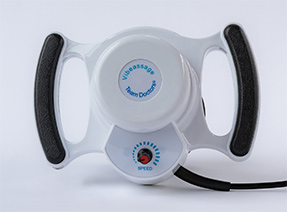
The Vibeassage® Sport and the Vibeassage® Pro featuring the TDX3 soft-as-the-hand Biomimetic Applicator Pad
https://www.teamdoctors.com/
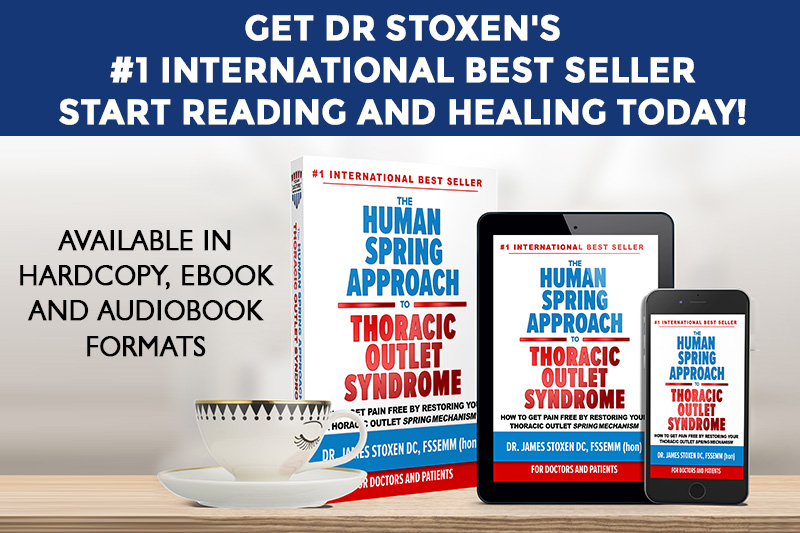
✓ Get Dr. Stoxen’s #1 International Bestselling Books
Learn how to understand, examine, and reverse your TOS—without surgery.
https://drstoxen.com/1-international-best-selling-author/
✓ Check out Team Doctors Online Courses
Step-by-step video lessons, demonstrations, and self-treatment strategies.
https://teamdoctorsacademy.com/
✓ Schedule a Free Phone Consultation With Dr. Stoxen
Speak directly with him so he can review your case and guide you on your next steps.
https://drstoxen.com/appointment/
#ChronicInflammation #DepressionAndInflammation #ChronicPain #ThoracicOutletSyndrome #TOS #MentalHealthAwareness #PainAndMood #NeuroImmunology #Fatigue #BrainFog #InflammationScience #WholeBodyHealth #MindBodyConnection #ChronicStress #PatientEducation #TeamDoctors #DrStoxen #HealthEducation #WhatWorks #InflammationResearch
References
- Dantzer, R., et al. “From Inflammation to Sickness and Depression.” Nature Reviews Neuroscience, 2008.
- Miller, A. H., and Raison, C. L. “The Role of Inflammation in Depression.” Nature Reviews Immunology, 2016.
- Slavich, G. M., and Irwin, M. R. “From Stress to Inflammation and Depression.” Psychological Bulletin, 2014.
- Felger, J. C., and Lotrich, F. E. “Inflammatory Cytokines in Depression.” Neuroscience, 2013.

Dr James Stoxen DC., FSSEMM (hon) He is the president of Team Doctors®, Treatment and Training Center Chicago, one of the most recognized treatment centers in the world.
Dr Stoxen is a #1 International Bestselling Author of the book, The Human Spring Approach to Thoracic Outlet Syndrome. He has lectured at more than 20 medical conferences on his Human Spring Approach to Thoracic Outlet Syndrome and asked to publish his research on this approach to treating thoracic outlet syndrome in over 30 peer review medical journals.
He has been asked to submit his other research on the human spring approach to treatment, training and prevention in over 150 peer review medical journals. He serves as the Editor-in-Chief, Journal of Orthopedic Science and Research, Executive Editor or the Journal of Trauma and Acute Care, Chief Editor, Advances in Orthopedics and Sports Medicine Journal and editorial board for over 35 peer review medical journals.
He is a much sought-after speaker. He has given over 1000 live presentations and lectured at over 70 medical conferences to over 50,000 doctors in more than 20 countries. He has been invited to speak at over 300 medical conferences which includes invitations as the keynote speaker at over 50 medical conferences.
After his groundbreaking lecture on the Integrated Spring-Mass Model at the World Congress of Sports and Exercise Medicine he was presented with an Honorary Fellowship Award by a member of the royal family, the Sultan of Pahang, for his distinguished research and contributions to the advancement of Sports and Exercise Medicine on an International level. He was inducted into the National Fitness Hall of Fame in 2008 and the Personal Trainers Hall of Fame in 2012.
Dr Stoxen has a big reputation in the entertainment industry working as a doctor for over 150 tours of elite entertainers, caring for over 1000 top celebrity entertainers and their handlers. Anthony Field or the popular children’s entertainment group, The Wiggles, wrote a book, How I Got My Wiggle Back detailing his struggles with chronic pain and clinical depression he struggled with for years. Dr Stoxen is proud to be able to assist him.
Full Bio) Dr Stoxen can be reached directly at teamdoctors@aol.com