Why Your Body Was Never Meant to Work Like a Machine
A Simple Question That Changes Everything
January 25, 2026
Dr. James Stoxen often asks doctors a simple question:
“If aging is what wears out your hip cartilage… why does only one hip wear out?”
A patient goes to the doctor with deep pain in one hip.
They take an X-ray and see that the cartilage in that hip is almost gone.
The patient then asks a very reasonable question:
“Why is it that my right hip has almost no cartilage left, but my left hip still looks thick and healthy?”
And very often the answer they are given is:
“Because you’re getting older.”
But that answer does not really make sense.
You are not aging on only one side of your body.
You are aging on both sides at the same time.
If aging alone were the real cause, both hips should look the same.
When only one side breaks down, that tells us something very important:
The cause is mechanical, not just about time.
It has to do with how the body is loaded, how it moves, and how stress travels through it.
This is where Dr. Stoxen’s work begins — with a different way of seeing the human body.
Not as a rigid machine.
But as a living, moving, adaptive spring system.
The Big Idea: Your Body Is Not a Lever — It Is a Spring
Most people are taught that the body works like a system of levers.
Bones are levers.
Muscles pull on them.
Joints are hinges.
This is called the lever model vs spring model debate in biomechanics.
Dr. Stoxen teaches that this old way of thinking is incomplete.
The human body is not just a lever system.
It is a body as a spring system.
This idea is called the human spring model, and the clinical application of it is called the human spring approach.
In engineering terms, Dr. Stoxen developed what he calls the integrated spring-mass model of the human body.
In simple words:
Your body is designed to store energy, recycle energy, and release energy — not just burn fuel like an engine.
This is what allows people to walk, run, jump, throw, and move for long periods of time without collapsing from exhaustion.
This is known in science as:
- spring-based biomechanics
- spring mechanics in human movement
- stretch-shortening cycle biomechanics
- elastic energy storage in the body
- energy recycling in human motion
Your body works more like a trampoline than like a crane.
Nature Uses Springs Everywhere
Look at a kangaroo.
It does not “muscle” every jump.
It loads its tendons like springs and releases the stored energy.
Humans are built the same way.
Inside your body are many biological springs in the body, including:
- The foot arches
- The Achilles tendon
- The fascia (connective tissue)
- The spinal discs
- The cartilage and joint structures
- The muscle-tendon units
Together, they form what Dr. Stoxen calls the fascial spring network.
This is why walking and running can be efficient instead of exhausting.
This is also why problems happen when this spring system stops working properly.
The Foot: Where the Spring System Begins
Your foot is not just a block of bones.
It is a living spring.
This is called the foot arch spring mechanism.
When your foot hits the ground, it is supposed to:
- Gently compress
- Spread the load
- Store energy
- Then release that energy back into your next step
This is part of impact attenuation biomechanics and shock absorption biomechanics.
When this system works well, forces are spread through the whole body using biomechanical load distribution and kinetic chain spring transfer.
When it does not work well, force concentrates in one place.
That is when wear and tear starts showing up in one knee, one hip, or one side of the back.
Springs, Not Sticks
Your spine is not a rigid pole.
It is a stacked spring system.
In engineering terms, it behaves like compression springs in the spine.
Your joints are not just hinges either.
They twist, glide, and absorb force using:
- torsional spring mechanics in joints
- spring stiffness vs compliance
- joint decompression mechanics
Some joints need to be stiffer.
Some need to be more flexible.
Health is about the right balance, not maximum tightness or maximum looseness.
Suspension, Not Stacking
Another key idea Dr. Stoxen teaches is suspension-based anatomy.
Your head, shoulders, ribs, and arms are not just stacked on top of each other.
They are suspended in soft tissues and springs.
This matters because inside your body are important tunnel mechanics for nerves and blood vessels.
Nerves and blood vessels travel through spaces, not solid pipes.
When spring suspension is healthy, these spaces stay open during movement.
When the spring system stiffens, collapses, or twists, those spaces can become smaller.
That does not mean something is “broken” — it means the suspension system is not working as well as it should.
Why One Side Breaks and the Other Doesn’t
Now let’s go back to the hip example.
If one hip loses cartilage and the other does not, that tells us:
- The load is not the same on both sides
- The movement pattern is not the same
- The spring system is not working the same on both sides
This is what Dr. Stoxen calls spring failure and chronic pain.
Not pain as a diagnosis.
Pain as a signal that the spring system is no longer distributing forces evenly.
Energy Efficiency: Why Springs Save You From Fatigue
A lever system must burn energy every time it moves.
A spring system recycles energy.
This is called biomechanical energy efficiency.
When your spring system works well:
- Walking feels easy
- Standing feels easy
- Stairs feel manageable
- Movement feels light
When it does not:
- Everything feels heavy
- Muscles feel tight and tired
- You fatigue faster
- You avoid movement without knowing why
The Nervous System Runs the Spring System
Your springs are not just mechanical.
They are controlled by your brain and nerves.
This is called neuromechanical spring control.
Your nervous system constantly adjusts:
- How stiff or soft your springs are
- How much protection to use
- How much force to absorb
- How much force to release
This is smart and protective.
But over time, stress, injury, fear, or overload can cause the system to stay too tight for too long.
What This Has To Do With Prevention
When you understand the body as a spring system, prevention becomes different.
You stop thinking only in terms of “strength” and start thinking in terms of:
- spring-based injury prevention
- Restoring elasticity
- Restoring motion
- Restoring load sharing
This is the core idea behind restoring human spring function and applied clinical biomechanics in Dr. Stoxen’s teaching.
Where Vibration Fits In
One tool Dr. Stoxen uses in his clinical and educational work is vibration.
In this context, vibration is not about “fixing” anything.
It is about vibration and spring restoration — helping tissues relax, move, and accept motion again.
This is why he developed tools like:
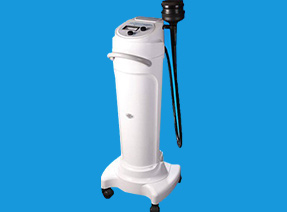
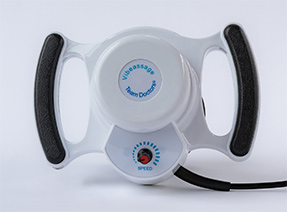
- Vibeassage Pro
- Vibeassage Sport
These are self-care massage and movement tools that people can use at home to:
- Explore tight areas
- Encourage motion
- Support relaxation
- Support circulation
- Support body awareness
They are not medical treatments.
They are movement and recovery tools that fit into a broader lifestyle and movement approach.
The Big Picture
Dr. Stoxen’s work is not about chasing symptoms.
It is about teaching people to understand their body as:
- A spring system
- A suspension system
- An energy recycling system
- A motion system
And most importantly:
A system that adapts.
Coming in PART 2:
- How the fascial spring network connects the whole body
- Why spring stiffness vs compliance changes how you feel
- How daily habits slowly change your spring system
- Why “support” is not the same as “restoration”
- How modern life interferes with natural spring mechanics
How Your Body’s Spring Network Connects Everything
The Hidden Web That Holds You Together
Most people think of the body as a collection of separate parts.
A knee is a knee.
A hip is a hip.
A shoulder is a shoulder.
But in real life, the body does not work in isolated pieces.
It works as a connected spring network.
Dr. Stoxen calls this the fascial spring network — a body-wide system of elastic tissues that connect your feet to your head.
This is one of the most important ideas in the human spring model and the human spring approach.
When one area tightens or stiffens, the tension does not stay local.
It spreads.
This is why a problem in the foot can slowly change the knee.
And the knee can slowly change the hip.
And the hip can slowly change the back and shoulders.
This is called kinetic chain spring transfer.
Why the Body Shares Load Instead of Stacking It
A healthy body spreads forces across many springs.
This is called biomechanical load distribution.
When you walk, run, or lift something, the force should:
- Enter the foot
- Spread through the legs
- Travel through the hips and spine
- And be shared across many tissues
This protects any one area from getting overloaded.
This is also part of shock absorption biomechanics and impact attenuation biomechanics.
When this system works, no single joint has to take all the stress.
When it does not work, one joint becomes the victim.
When Springs Become Too Stiff or Too Soft
Every spring has two basic qualities:
- How stiff it is
- How much it can stretch and return
In the body, this is called spring stiffness vs compliance.
Some tissues need to be firm.
Some need to be soft.
Some need to change depending on what you are doing.
Your nervous system controls this through neuromechanical spring control.
But stress, injury, fear of movement, or long-term habits can cause the body to:
- Stay too tight
- Or become too weak and unsupported
Either way, the spring system stops working smoothly.
The Spine Is a Stack of Springs, Not a Stack of Blocks
Your spine is not a rigid column.
It behaves like a chain of compression springs in the spine.
Each spinal segment should:
- Accept load
- Share load
- And release load
At the same time, your joints also twist and rotate using torsional spring mechanics in joints.
When these motions are lost, movement becomes stiff and forces stop spreading.
Then stress begins to concentrate.
Why “Space” Inside the Body Matters
Inside your body, nerves and blood vessels travel through spaces.
These spaces are protected by suspension-based anatomy.
This is where tunnel mechanics for nerves and blood vessels becomes important.
When the spring and suspension system is healthy:
- These spaces stay open during movement
- Tissues slide and adapt
- Nothing feels “crowded”
When the spring system stiffens and collapses:
- Those spaces can become smaller
- Movement feels tight
- The body starts guarding itself
Again, this does not mean something is “broken.”
It means the spring suspension system is not doing its job as well as it used to.
The Foot Is Still the Foundation
Everything still begins at the ground.
The foot arch spring mechanism is one of the most important springs in the entire body.
If the foot cannot:
- Accept load
- Store energy
- And release it smoothly
Then the rest of the body has to compensate.
That compensation always travels upward.
This is one of the clearest examples of spring mechanics in human movement and elastic energy storage in the body.
How Energy Is Supposed to Move Through You
In a healthy system, your body uses:
- stretch-shortening cycle biomechanics
- energy recycling in human motion
- biomechanical energy efficiency
This means:
You do not “muscle” every step.
You bounce, load, and release like a spring.
When this stops happening, movement becomes harder than it should be.
When the Spring System Starts to Fail
Dr. Stoxen describes many long-term problems as spring failure and chronic pain.
Not pain as a diagnosis.
But pain as a warning sign that the body is no longer sharing load properly.
When one spring collapses:
- Another spring must work harder
- That spring gets tired
- Then another area tightens to protect it
Over time, the whole system becomes:
- Less elastic
- More guarded
- More stiff
- Less efficient
Why the Lever Model Misses This
The old lever model vs spring model way of thinking looks at parts in isolation.
It asks:
“What muscle is weak?”
“What joint is damaged?”
“What structure is worn?”
The spring model asks a different question:
“Where did the load stop spreading?”
This is a systems way of thinking.
It is the foundation of spring-based biomechanics and the integrated spring-mass model.
Why Supporting Is Not the Same as Restoring
Modern life uses a lot of supports:
- Cushioned shoes
- Chairs
- Braces
- Backrests
- Orthotics
Support is not always bad.
But support does not restore spring function.
A spring gets healthy by:
- Moving
- Loading
- Unloading
- And adapting
This is the heart of restoring human spring function.
Where Gentle Tools Fit In
Dr. Stoxen often teaches that the body needs:
- Motion before strength
- Comfort before effort
- Elasticity before power
This is where tools like:
- Vibeassage Pro
- Vibeassage Sport
can be useful as self-care movement and recovery tools.
In this educational framework, vibration is used for:
- vibration and spring restoration
- Encouraging tissues to move
- Helping areas relax and soften
- Supporting body awareness
These are not medical treatments.
They are tools for exploration, movement, and recovery.
Why This Is About Daily Life, Not Just Exercise
Your spring system is shaped by:
- How you sit
- How you walk
- How you stand
- How you rest
- How you move all day long
Not just what you do for 30 minutes of exercise.
This is why the human spring approach is about lifestyle movement, not just workouts.
The Big Shift in Thinking
Instead of asking:
“What’s wrong with this part?”
You start asking:
“Where did the spring system stop working as a system?”
This is the mindset of applied clinical biomechanics in Dr. Stoxen’s work.
How Modern Life Slowly Turns Off Your Spring System
You Didn’t Lose Your Spring Overnight
No one wakes up one day and suddenly loses their body’s natural bounce.
The spring system fades slowly.
It changes a little each year.
And most people do not notice it happening.
This is one of the most important ideas in the human spring model and the human spring approach.
The body is always adapting.
If you live in a world that moves less, sits more, and stays in one position for long periods, your body adapts to that.
Unfortunately, it adapts by becoming:
- Stiffer
- Less elastic
- More guarded
- Less efficient
Flat Floors, Soft Shoes, and the Lost Foot Spring
For most of human history, people walked on:
- Uneven ground
- Dirt
- Grass
- Rocks
Today, we walk on flat, hard, perfect surfaces.
We also wear shoes that:
- Limit foot motion
- Reduce sensory feedback
- Change how the foot arch spring mechanism works
Over time, the foot stops behaving like a spring.
When that happens, the rest of the body must change too.
This affects spring mechanics in human movement, elastic energy storage in the body, and energy recycling in human motion.
Chairs Train Your Body to Forget How to Hold Itself
Chairs are comfortable.
But they also teach your body to stop supporting itself.
When you sit for many hours each day:
- Your hip springs stay shortened
- Your spine springs stop moving
- Your posture springs stop adapting
Remember, the spine behaves like compression springs in the spine, not like a rigid pole.
If those springs stop moving, the whole system becomes stiffer.
The Nervous System’s Job Is Protection
Your brain’s main job is to keep you safe.
It controls your spring system through neuromechanical spring control.
When it senses:
- Stress
- Fatigue
- Past injury
- Uncertainty
It increases muscle tension to protect you.
This is smart in the short term.
But when protection never turns off, the spring system slowly loses its elasticity.
This changes:
- spring stiffness vs compliance
- joint decompression mechanics
- torsional spring mechanics in joints
When Muscles Become Brakes Instead of Springs
Muscles are supposed to help load and unload springs.
But when they stay tense all the time, they act like brakes.
This reduces:
- shock absorption biomechanics
- impact attenuation biomechanics
- biomechanical energy efficiency
Movement starts to feel heavy.
Everything costs more effort.
Why Stress Affects Your Body
Stress is not just emotional.
It is physical.
Your nervous system does not separate the two very well.
Long-term stress teaches the body to:
- Stay guarded
- Stay braced
- Stay tight
This slowly changes the fascial spring network and how load moves through the body using kinetic chain spring transfer.
How One Stiff Area Spreads to the Whole Body
Remember biomechanical load distribution.
If one area stops moving well, load has to go somewhere else.
That somewhere else eventually gets overloaded.
This is how spring failure and chronic pain develops — not as a sudden event, but as a slow system-wide change.
Why This Does Not Show Up on Scans at First
Early spring-system problems do not show up on X-rays or MRIs.
Because the problem is not “broken parts.”
It is how parts are working together.
This is one reason the lever model vs spring model way of thinking misses the early stages.
The Body Becomes a Stack Instead of a Suspension
In a healthy system, the body works through suspension-based anatomy.
But as stiffness increases, the body starts to behave more like:
- A stack of blocks
- Instead of a hanging, adaptive spring system
This affects the tunnel mechanics for nerves and blood vessels by changing how space is maintained during movement.
Why People Feel “Compressed”
Many people describe feeling:
- Squished
- Compressed
- Tight
- Jammed
From a spring-system view, this is about joint decompression mechanics and lost elastic motion.
Again, this is not about something being “broken.”
It is about something being stuck.
How the Body Forgets How to Recycle Energy
A healthy system uses:
- stretch-shortening cycle biomechanics
- energy recycling in human motion
- elastic energy storage in the body
A stiff system must muscle everything.
That is exhausting.
Why Modern Exercise Sometimes Makes This Worse
Many exercise programs focus on:
- Forcing
- Bracing
- Holding
- Straining
This can make the body stronger but less springy.
Strength without elasticity does not restore the body as a spring system.
The Role of Gentle Input
Before the body can move well, it often needs to feel safe.
This is why Dr. Stoxen uses gentle tools and movement first.
In this educational context, tools like:
- Vibeassage Pro
- Vibeassage Sport
are used as self-care tools to:
- Encourage motion
- Support relaxation
- Improve body awareness
- Support vibration and spring restoration
Not as medical treatments.
Not as cures.
But as ways to start a conversation with the nervous system.
The Goal Is Not Forcing — It Is Allowing
The human spring approach is not about forcing flexibility or forcing strength.
It is about:
- Letting springs move again
- Letting load spread again
- Letting the system trust movement again
This is the practical side of restoring human spring function and applied clinical biomechanics.
How to Live in a Way That Protects and Supports Your Human Spring
A Different Way to Think About Your Body
If you take only one idea from this entire article, let it be this:
Your body is not a rigid machine made of parts.
It is a living, adaptive body as a spring system.
This is the heart of the human spring model and the human spring approach taught by Dr. James Stoxen.
When you see your body this way, everything changes:
- You stop thinking only about strength
- You stop thinking only about posture
- You stop thinking only about “fixing” parts
And you start thinking about:
- Motion
- Load sharing
- Elasticity
- And system-wide cooperation
The Goal Is Not Perfect — The Goal Is Adaptive
A healthy spring is not perfectly stiff or perfectly loose.
It constantly adjusts.
This balance is described by spring stiffness vs compliance.
Your nervous system controls this through neuromechanical spring control.
Some days you are naturally more flexible.
Some days you are naturally more guarded.
This is normal.
The goal is not to force change.
The goal is to support adaptability.
Movement Is Nutrition for Your Spring System
Springs stay healthy by being used.
Gentle, regular movement supports:
- spring mechanics in human movement
- elastic energy storage in the body
- energy recycling in human motion
- stretch-shortening cycle biomechanics
This does not mean intense workouts.
It means:
- Walking
- Shifting positions
- Changing posture
- Moving often
Think in Systems, Not in Parts
Instead of asking:
“What’s wrong with my knee?”
Try asking:
“Where did the load stop spreading?”
This is spring-based biomechanics thinking.
It is based on:
- biomechanical load distribution
- kinetic chain spring transfer
- fascial spring network cooperation
Protecting Space Inside the Body
Healthy movement protects:
- joint decompression mechanics
- suspension-based anatomy
- tunnel mechanics for nerves and blood vessels
This does not mean stretching aggressively.
It means moving in ways that allow space to exist during motion.
Why the Foot Still Matters Every Day
Your foot arch spring mechanism is still your foundation.
Small changes in how your foot interacts with the ground affect:
- impact attenuation biomechanics
- shock absorption biomechanics
- The entire spring chain above it
Strength Is Not the Same as Spring Health
You can be very strong and still have a poor spring system.
Remember the lever model vs spring model difference.
Strength without elasticity does not support:
- biomechanical energy efficiency
- Or long-term movement comfort
Understanding Stiffness and Guarding
Long-term tension changes:
- torsional spring mechanics in joints
- compression springs in the spine
- Whole-body spring behavior
This is often part of spring failure and chronic pain — not as a diagnosis, but as a pattern of lost motion and lost load sharing.
Why Gentle Inputs Matter
Sometimes the body needs permission before it needs effort.
This is where gentle self-care tools fit in.
In Dr. Stoxen’s educational framework, tools like:
- Vibeassage Pro
- Vibeassage Sport
are used to support:
- vibration and spring restoration
- Relaxation
- Motion
- Awareness
- Comfort
They are not medical devices for treating disease in this context.
They are movement and recovery tools that help people reconnect with their bodies.
The Goal: Restoring, Not Forcing
The long-term aim is restoring human spring function.
Not forcing flexibility.
Not forcing strength.
Not forcing posture.
But allowing the system to:
- Share load again
- Move again
- Adapt again
This is the practical meaning of applied clinical biomechanics in everyday life.
The Big Picture Philosophy
When you live according to the spring model:
- You move more often
- You sit less
- You change positions more
- You respect comfort signals
- You build resilience instead of fighting your body
Returning to the Hip Question
Let’s go back to Dr. Stoxen’s original question:
“If aging wears out cartilage, why does only one hip wear out?”
Because aging is not the real cause.
Mechanics are.
How load moves.
How springs work.
How the system adapts.
When you change the way you see the body, you change the way you live in it.
A New Relationship With Your Body
You are not a machine.
You are not a stack of parts.
You are a living spring system.
And that is good news.
Because spring systems can:
- Adapt
- Recover
- Reorganize
- And improve how they work
At any age.
Final Thought
The human spring approach is not a treatment.
It is a way of understanding yourself.
And understanding always comes before change.
Team Doctors Resources
✓ Check out the Team Doctors Recovery Tools
The Vibeassage Sport and the Vibeassage Pro featuring the TDX3 soft-as-the-hand Biomimetic Applicator Pad
https://www.teamdoctors.com/
✓ Get Dr. Stoxen’s #1 International Bestselling Books
Learn how to understand, examine, and reverse your TOS—without surgery.
https://drstoxen.com/1-international-best-selling-author/
✓ Check out Team Doctors Online Courses
Step-by-step video lessons, demonstrations, and self-treatment strategies.
https://teamdoctorsacademy.com/
✓ Schedule a Free Phone Consultation With Dr. Stoxen
Speak directly with him so he can review your case and guide you on your next steps.
https://drstoxen.com/appointment/
#KneeReplacement #TotalKneeReplacement #KneeSurgery #KneeArthroplasty #JointReplacement #PostSurgeryRecovery #KneePainRelief #OrthopedicSurgery #RehabJourney #MobilityRestored #DegenerativeJointDisease #Osteoarthritis #JointPain #ChronicJointPain #CartilageLoss #ArthritisPain #JointHealth #JointDegeneration #PainAndStiffness #ArthritisAwareness

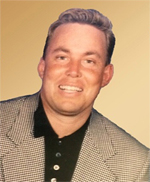
Dr James Stoxen DC., FSSEMM (hon) He is the president of Team Doctors®, Treatment and Training Center Chicago, one of the most recognized treatment centers in the world.
Dr Stoxen is a #1 International Bestselling Author of the book, The Human Spring Approach to Thoracic Outlet Syndrome. He has lectured at more than 20 medical conferences on his Human Spring Approach to Thoracic Outlet Syndrome and asked to publish his research on this approach to treating thoracic outlet syndrome in over 30 peer review medical journals.
He has been asked to submit his other research on the human spring approach to treatment, training and prevention in over 150 peer review medical journals. He serves as the Editor-in-Chief, Journal of Orthopedic Science and Research, Executive Editor or the Journal of Trauma and Acute Care, Chief Editor, Advances in Orthopedics and Sports Medicine Journal and editorial board for over 35 peer review medical journals.
He is a much sought-after speaker. He has given over 1000 live presentations and lectured at over 70 medical conferences to over 50,000 doctors in more than 20 countries. He has been invited to speak at over 300 medical conferences which includes invitations as the keynote speaker at over 50 medical conferences.
After his groundbreaking lecture on the Integrated Spring-Mass Model at the World Congress of Sports and Exercise Medicine he was presented with an Honorary Fellowship Award by a member of the royal family, the Sultan of Pahang, for his distinguished research and contributions to the advancement of Sports and Exercise Medicine on an International level. He was inducted into the National Fitness Hall of Fame in 2008 and the Personal Trainers Hall of Fame in 2012.
Dr Stoxen has a big reputation in the entertainment industry working as a doctor for over 150 tours of elite entertainers, caring for over 1000 top celebrity entertainers and their handlers. Anthony Field or the popular children’s entertainment group, The Wiggles, wrote a book, How I Got My Wiggle Back detailing his struggles with chronic pain and clinical depression he struggled with for years. Dr Stoxen is proud to be able to assist him.
Full Bio) Dr Stoxen can be reached directly at teamdoctors@aol.com