The Human Spring: Why Your Body Was Designed to Bend, Breathe, and Recover
A Different Way to Understand the Human Body
Most people grow up learning that the human body works like a machine made of levers. Bones are described as rigid sticks, joints as hinges, and muscles as motors that pull things around.
This way of thinking has been taught for a long time, and in some situations it seems to work. But it does not fully explain why the body is so good at absorbing shock, saving energy, and protecting itself when it is healthy.
Dr. Stoxen teaches a different way of looking at the body. He explains that the body behaves much more like a system of springs than a system of levers. A spring is made to bend, stretch, and return to its shape. When springs work well, they protect what is inside them. When springs become stiff or twisted, they stop doing their job.
Your Body Was Built to Move, Not to Lock Up
Your feet, your spine, your rib cage, and your shoulders were not built to be stiff. They were built to move, flex, and return.
This is how the body spreads out force instead of letting it hit one spot too hard. It is also how people can walk, breathe deeply, sing, work, and live without thinking about pain all day. When this spring system is healthy, movement feels easy.
When it starts to stiffen and lose motion, the body has to work harder, and discomfort slowly begins to appear.
The Rib Cage Is a Moving Spring, Not a Rigid Box
Many people think the rib cage is just a hard cage that protects the heart and lungs. In reality, the rib cage is a moving structure. Every deep breath requires the ribs to lift and rotate.
When you walk, your rib cage moves. When you speak for a long time or sing, it moves even more. The small muscles in the neck and upper chest, including the scalene muscles, are part of this breathing and posture system. They are not useless tissue. They are working parts of normal human movement.
Why Removing Breathing Structures Is a Serious Decision
This is why Dr. Stoxen has always been concerned when people talk about first rib resection or first rib surgery as if they are simple mechanical fixes. Nothing in the body is there by accident. Anything that plays a role in breathing and posture has an important job. On January 14, 2026, this idea was stated very clearly: the rib cage and the scalene muscles are essential for breathing, especially during deep breathing needed for walking, singing, or even long conversations.
These structures are not extra parts. They are active parts of normal breathing and posture. Removing them does not fix why the system stopped working properly. It only removes parts that were still trying to do their job.
How Most People First Encounter the Idea of Surgery
Most people do not start out thinking about surgery. They start with pain, numbness, weakness, or strange feelings in an arm or hand. When the problem does not go away, worry begins to grow.
People search for answers and quickly find terms like thoracic outlet surgery, thoracic outlet syndrome surgery, or TOS surgery. Some are told they might need neurogenic thoracic outlet syndrome surgery or a transaxillary first rib resection. Once those words appear, it is natural to start reading about thoracic outlet surgery recovery, thoracic outlet syndrome surgery recovery, or first rib resection recovery.
It is also natural to worry about thoracic outlet surgery complications, thoracic outlet syndrome surgery complications, or first rib resection complications, and to look up thoracic outlet surgery success rate, thoracic outlet syndrome surgery results, thoracic outlet syndrome surgery risks, thoracic outlet surgery scars, and even thoracic outlet syndrome surgery cost.
Fear Does Not Mean Surgery Is the Only Answer
None of this means surgery is always wrong. It means people are scared and looking for relief from something that is affecting their life. Pain in the arm or shoulder can change how a person sleeps, works, and lives.
But Dr. Stoxen noticed something important over many decades of studying human movement: many of these problems do not begin because a body part is broken. They begin because the body’s spring system has slowly lost its normal motion.
The Difference Between a Broken Part and a Stuck Spring
A broken bone is a structural problem. A stiff, twisted, or guarded spring is a function problem. If a door spring stops working, you do not remove the door. You try to restore how the spring works. In the body, long-term stress, old injuries, inflammation, poor posture, shallow breathing, and muscle guarding can slowly change how the spring system behaves.
Over time, the body can start to hold itself in a compressed or twisted position. Space inside the body can become smaller, not because the body was built wrong, but because it is being held in the wrong position for too long.
Why “Compression” Is Often Really a Tension Problem
This is one reason people are sometimes told they need thoracic outlet syndrome surgery results to fix a “space problem,” when the real issue may be long-standing tension and posture problems. When someone undergoes thoracic outlet surgery, the body is changed forever.
That is why people worry so much about recovery and long-term effects. These are serious decisions, and they deserve serious thought.
What the Human Spring Approach Actually Looks At
The Human Spring Approach starts from a different place. It does not start by asking what should be removed. It starts by asking what stopped moving the way it was designed to move.
It looks at how a person breathes, how they stand, how they walk, how their shoulders hang, how their rib cage moves, and how their spine handles everyday forces. It does not diagnose disease and it does not replace medical care. It simply studies how the body behaves as a living spring system.
Where Simple Self-Care Tools Fit Into This Picture
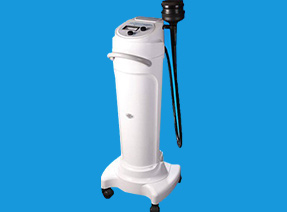
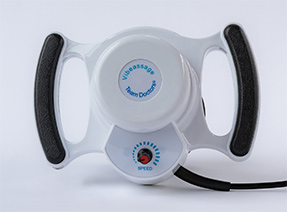
Over the years, Dr. Stoxen also designed tools like the Vibeassage Pro and the Vibeassage Sport. These are not medical treatments and they do not cure anything. They are self-care tools meant for comfort and relaxation, similar in purpose to other massage or wellness devices.
In the Human Spring way of thinking, helping tight, guarded muscles relax can sometimes make it easier for the body to move in a more natural way again.
Why Patients Feel Lost in the Medical System
One of the most frustrating parts for patients is trying to figure out who to talk to. People search for a thoracic outlet syndrome specialist, the best doctor for thoracic outlet syndrome, or a TOS expert near me. They wonder who treats thoracic outlet syndrome and look for a doctor who understands thoracic outlet syndrome.
They may try to find thoracic outlet specialist offices or go for a TOS specialist evaluation. Some are sent to a vascular thoracic outlet specialist, others to a neurologist for arm nerve pain, or a shoulder nerve pain specialist, or asked to choose between an orthopedic vs vascular TOS specialist. Many are just looking for a specialist for arm nerve pain, a nerve compression specialist, or the best doctor for arm numbness.
The Search for Someone Who Actually Understands the Problem
Others are simply trying to find a doctor for chronic arm pain, a specialist for unexplained arm pain, or to get a second opinion arm pain visit. They search for a TOS clinic near me, an expert in thoracic outlet syndrome, a TOS evaluation center, an advanced TOS treatment center, or a full thoracic outlet syndrome care team, hoping to finally get the best care for thoracic outlet syndrome from someone who actually understands TOS.
A Different Starting Point Before Big Decisions
All of this confusion shows that people are not just looking for a procedure. They are looking for understanding. The Human Spring Approach offers a different way to think about the body before making big, permanent decisions. It starts by respecting the fact that the body was designed to move, bend, and breathe as a spring system, not as a rigid machine.
What Comes Next
Why “Compression” Is Often a Tension Problem, Not a Space Problem
Why Symptoms Can Change Even When Nothing “Structural” Has Changed
One of the strangest and most confusing things for people with arm, neck, or shoulder symptoms is that the problem does not always stay the same. Some days are better. Some days are worse. Some movements feel fine in the morning and terrible at night. If something were truly broken or missing, symptoms would usually stay the same all the time. The fact that symptoms change tells us something important: much of what is happening is related to how the body is being held and used, not just how it is built.
This is one reason people can be told they might need thoracic outlet syndrome surgery or TOS surgery, yet still notice that their symptoms change with posture, stress, fatigue, or even breathing. A structure that is truly too small does not change size from hour to hour. But muscle tension and body position change all the time.
How the Body Creates Its Own “Compression”
The body is very good at protecting itself. When something hurts or feels unsafe, muscles tighten automatically. This is called guarding. Guarding is useful in the short term, but when it stays for months or years, it starts to change how the body holds itself. The shoulders may lift and roll forward. The rib cage may stop moving well. The neck may stiffen. Over time, this can make the space between different tissues smaller, not because the bones moved, but because the spring system stopped expanding and relaxing the way it should.
This is how a tension problem can slowly look like a space problem.
Why the Shoulder and Rib Cage Are Meant to Hang and Float
In a healthy body, the shoulders do not clamp down on the rib cage. They hang and float, supported by muscles that are meant to move, not to freeze. The rib cage is supposed to rise and fall with each breath.
When this natural motion is lost, everything in the area has to pass through a tighter, stiffer space. This is one of the reasons people start hearing terms like thoracic outlet surgery, first rib resection, or first rib surgery during medical visits.
But again, the important question is not only how much space there is. The important question is whether the spring system that normally creates and protects that space is still working.
Why Imaging Does Not Always Tell the Whole Story
Scans and tests can show bones, discs, and large structures. They do not always show how stiff, guarded, or overloaded the soft tissues are. This is one reason two people can have similar-looking images and feel very different. It is also why someone can be told they might need thoracic outlet syndrome surgery results even when their symptoms rise and fall during the day.
When the body is treated like a frozen structure instead of a living spring, important parts of the story can be missed.
Why Surgery Can Never Be a Small Decision
When someone considers thoracic outlet surgery or neurogenic thoracic outlet syndrome surgery, they naturally start reading about thoracic outlet surgery recovery, thoracic outlet syndrome surgery recovery, and thoracic outlet syndrome surgery recovery time.
\They also worry about thoracic outlet surgery complications, thoracic outlet syndrome surgery complications, and first rib resection complications. These concerns are reasonable, because surgery permanently changes the body.
Even people who are told about the thoracic outlet surgery success rate often still feel uncertain, because success can mean different things to different people. Some also worry about thoracic outlet surgery scars, thoracic outlet syndrome surgery risks, or the long-term effects years down the road.
Others have to think about thoracic outlet syndrome surgery cost, which can add another layer of stress to an already difficult situation.
Why the Human Spring Approach Asks a Different First Question
The Human Spring Approach does not begin by asking what should be removed. It begins by asking how the body is functioning as a spring system. It looks at breathing, posture, movement, and how forces travel through the body during daily life. It asks whether the rib cage is moving, whether the shoulders are floating, and whether the spine is loading and unloading force smoothly.
This way of thinking does not diagnose disease and does not replace medical care. It simply looks at whether the body is behaving like a healthy, flexible spring or like a stiff, guarded structure.
How Long-Term Tension Changes the Shape of the Body
When muscles stay tight for a long time, they do not just feel tight. They slowly change how the body holds itself. The chest can sink. The shoulders can roll forward. The head can drift forward. The rib cage can stop expanding fully. None of this happens overnight. It happens so slowly that most people do not notice it until symptoms become hard to ignore.
By the time someone is searching for a thoracic outlet syndrome specialist or the best doctor for thoracic outlet syndrome, these patterns have often been in place for years.
Why So Many People Feel Lost When Looking for Help
People often do not know where to go. They search for a TOS expert near me or wonder who treats thoracic outlet syndrome. They look for a doctor who understands thoracic outlet syndrome and try to find thoracic outlet specialist clinics that will really listen.
They may be sent for a TOS specialist evaluation and then referred to a vascular thoracic outlet specialist or a neurologist for arm nerve pain. Some are told to see a shoulder nerve pain specialist, while others are asked to choose between an orthopedic vs vascular TOS specialist.
All of this can be overwhelming, especially when the pain is already exhausting.
The Many Names for the Same Search for Answers
Some people are simply looking for a specialist for arm nerve pain or a nerve compression specialist. Others search for the best doctor for arm numbness or a doctor for chronic arm pain. Many just want a specialist for unexplained arm pain or a second opinion arm pain visit to make sure nothing important is being missed.
This is why people also look for a TOS clinic near me, an expert in thoracic outlet syndrome, a TOS evaluation center, an advanced TOS treatment center, or a full thoracic outlet syndrome care team. Everyone is hoping to find the best care for thoracic outlet syndrome from someone who actually understands TOS.
Where Simple Self-Care Fits Into a Bigger Picture
Dr. Stoxen has always believed that people should be able to take part in caring for their own bodies. This is one reason he designed tools like the Vibeassage Pro and the Vibeassage Sport. These are not medical devices and they do not treat disease.
They are simple self-care tools meant for comfort and relaxation. In the Human Spring way of thinking, anything that helps reduce long-held muscle tension can make it easier for the body to move more normally again.
Why Restoring Movement Is Often More Important Than Creating Space
If the spring system starts moving again, the body often begins to create its own space naturally. This does not mean that every problem can or should be handled without medical care. It does mean that movement, breathing, and posture deserve serious attention before permanent changes are made.
What Comes Next
In Part 3, we will explore how the body slowly adapts to stress and injury over time, why people often do not notice the changes until much later, and how small daily habits can slowly stiffen or restore the human spring.
How the Body Slowly Adapts, and Why Problems Often Appear Years Later
Why the Body Changes So Slowly That You Do Not Notice
One of the most important things to understand about the human body is that it is very good at adapting. When something is uncomfortable, the body does not usually break right away. It adjusts. It shifts. It finds a way to keep going. This is a wonderful ability, but it also hides problems for a long time. A person can change how they stand, how they breathe, and how they move without even realizing it. By the time pain or strange symptoms appear, these changes may have been building up for many years.
This is why someone can live a normal life for a long time and then suddenly find themselves searching for terms like thoracic outlet syndrome surgery or TOS surgery, wondering how things got this far.
How Small Daily Habits Slowly Stiffen the Spring System
Most of the changes that stiffen the body’s spring system do not come from one big injury. They come from small, repeated stresses. Sitting for long hours, looking down at screens, breathing shallowly, carrying stress in the shoulders, or protecting an old injury all change how the body holds itself. Little by little, the rib cage may move less. The shoulders may creep forward. The neck may lose its easy motion. None of this feels dramatic at first, but over time the spring system becomes less flexible and less protective.
Why the Body Can Feel Fine Right Up Until It Doesn’t
Because the body adapts so well, many people feel “mostly fine” for years. They may have a stiff neck sometimes or a sore shoulder once in a while, but nothing that seems serious. Then one day, the symptoms become harder to ignore. An arm may start to feel weak, tingly, or heavy. Sleep may become difficult. Work may become uncomfortable. This is often when people begin hearing about things like thoracic outlet surgery or first rib resection, even though the real story started long before that.
How Guarding Becomes a Habit the Body Forgets to Turn Off
When something hurts, muscles tighten to protect it. This is normal and helpful at first. But if the pain or stress never fully goes away, the muscles may stay tight all the time. After a while, this does not even feel like tension anymore. It feels normal. The body forgets what relaxed, easy movement is supposed to feel like. The spring system becomes more like a stiff brace than a flexible shock absorber.
This long-term guarding is one of the main reasons people can be told they might need thoracic outlet syndrome surgery results even though no single injury caused the problem.
Why “Space” Problems Often Begin as “Movement” Problems
When the rib cage stops moving well and the shoulders stop floating, the area where nerves and blood vessels pass through can become tighter. This does not mean the bones suddenly moved into the wrong place. It means the soft tissues stopped allowing normal motion. Over time, this can look and feel like a space problem, even though it began as a movement problem.
This is one reason Dr. Stoxen has always urged caution before decisions like thoracic outlet surgery or neurogenic thoracic outlet syndrome surgery are made. Changing the structure of the body does not automatically restore the lost movement patterns that caused the problem in the first place.
Why People Worry So Much About Recovery and Long-Term Effects
Once surgery is mentioned, people naturally start thinking about thoracic outlet surgery recovery, thoracic outlet syndrome surgery recovery, and thoracic outlet syndrome surgery recovery time. They also worry about thoracic outlet surgery complications, thoracic outlet syndrome surgery complications, and first rib resection complications. These worries are not signs of weakness. They are signs that people understand, deep down, that the body is not a machine with simple replaceable parts.
Some also think about thoracic outlet surgery success rate, thoracic outlet syndrome surgery risks, or what thoracic outlet surgery scars might mean for them long term. Others are stressed by the thoracic outlet syndrome surgery cost. All of this adds to the emotional weight of the decision.
How the Human Spring Approach Looks at the Whole Story
The Human Spring Approach tries to understand how a person arrived where they are, not just where they are right now. It looks at breathing patterns, posture, walking, and how the body handles daily forces. It asks whether the spring system has been slowly stiffening for years and whether that stiffness can be gently reversed by restoring movement and reducing long-held tension.
This approach does not promise cures and does not replace medical care. It simply offers a way to look at the body that respects how it adapts over time.
Why So Many People Are Still Searching for the Right Doctor
By the time symptoms are severe, people are often exhausted and confused. They search for a thoracic outlet syndrome specialist, the best doctor for thoracic outlet syndrome, or a TOS expert near me. They ask who treats thoracic outlet syndrome and hope to find a doctor who understands thoracic outlet syndrome. They try to find thoracic outlet specialist clinics that will really listen and may go for a TOS specialist evaluation.
Some are sent to a vascular thoracic outlet specialist. Others see a neurologist for arm nerve pain or a shoulder nerve pain specialist. Some are told to choose between an orthopedic vs vascular TOS specialist. The path is rarely simple.
The Many Different Ways People Describe the Same Problem
Many people are not even sure what to call what they are feeling. They look for a specialist for arm nerve pain, a nerve compression specialist, or the best doctor for arm numbness. Others just want a doctor for chronic arm pain or a specialist for unexplained arm pain. Some ask for a second opinion arm pain visit because they want to be sure they are not missing something important.
This is why people also look for a TOS clinic near me, an expert in thoracic outlet syndrome, a TOS evaluation center, an advanced TOS treatment center, or a full thoracic outlet syndrome care team. Everyone wants the best care for thoracic outlet syndrome from someone who actually understands TOS.
How Simple Self-Care Can Support the Body’s Natural Design
Dr. Stoxen believes that people should be active participants in caring for their own bodies. This is why he created tools like the Vibeassage Pro and the Vibeassage Sport. These are not treatments and do not fix medical conditions. They are simple self-care tools meant for comfort and relaxation. When muscles that have been tight for a long time begin to relax, the body sometimes finds it easier to move in a more natural way again.
Why Time and Patience Matter More Than Quick Fixes
Because these changes happen slowly, they also tend to improve slowly. The body has to relearn how to move, breathe, and carry itself. There is rarely a single moment when everything suddenly changes. Instead, there is usually a gradual return toward easier, freer movement.
What Comes Next
In Part 4, we will bring everything together and talk about how people can think more clearly about their options, how to ask better questions, and how to make decisions that respect both the structure and the function of the human spring.
Making Wise Decisions and Respecting How the Human Spring Was Designed
Why Big Health Decisions Deserve a Calm, Clear Mind
When someone has been in pain for a long time, it is very hard to think calmly. Sleep is poor. Worry is constant. Daily life becomes smaller. By the time words like thoracic outlet surgery or thoracic outlet syndrome surgery enter the conversation, many people are already tired and scared. This is normal. But big, permanent decisions should be made with the clearest head possible, not in a moment of panic.
The Human Spring way of thinking does not tell anyone what choice to make. It simply tries to slow the process down and make sure the whole story is being considered, not just one part of it.
Why It Is Reasonable to Ask for Time and Better Explanations
When someone is told they might need TOS surgery, neurogenic thoracic outlet syndrome surgery, or a first rib resection, it is fair to ask questions. It is fair to want to understand what is being changed in the body and why. It is also fair to want to understand what recovery might look like, including thoracic outlet surgery recovery, thoracic outlet syndrome surgery recovery, or first rib resection recovery, and how long thoracic outlet syndrome surgery recovery time might be.
It is also reasonable to ask about possible downsides, including thoracic outlet surgery complications, thoracic outlet syndrome surgery complications, or first rib resection complications, and to think about thoracic outlet surgery scars, thoracic outlet syndrome surgery risks, and even thoracic outlet syndrome surgery cost. These are not negative questions. They are responsible questions.
Why “Success” Can Mean Different Things to Different People
When people read about thoracic outlet surgery success rate or thoracic outlet syndrome surgery results, it is important to remember that numbers do not tell the whole story. One person may feel much better. Another may feel only a little better. Another may still have limits. Bodies are not machines, and results are not always simple or predictable.
This does not mean surgery is never helpful. It means expectations should be realistic and based on a full understanding of what is being changed in the body.
Why a Second Opinion Is Often a Wise Step
When decisions are this big, many people feel better getting another perspective. That is why searches like thoracic outlet syndrome second opinion or second opinion arm pain are so common. Wanting another set of eyes on the problem is not a sign of doubt or weakness. It is a sign of careful thinking.
Some people are told to see a thoracic outlet syndrome specialist. Others look for the best doctor for thoracic outlet syndrome or a TOS expert near me. They wonder who treats thoracic outlet syndrome and hope to find a doctor who understands thoracic outlet syndrome. They try to find thoracic outlet specialist clinics and may go through a TOS specialist evaluation.
Why the Medical Path Can Feel So Complicated
Some people are sent to a vascular thoracic outlet specialist. Others see a neurologist for arm nerve pain or a shoulder nerve pain specialist. Some are asked to choose between an orthopedic vs vascular TOS specialist. Others are told to see a specialist for arm nerve pain or a nerve compression specialist. Many are just trying to find the best doctor for arm numbness or a doctor for chronic arm pain.
It is also common for people to look for a specialist for unexplained arm pain, an expert in thoracic outlet syndrome, a TOS evaluation center, an advanced TOS treatment center, or even a full thoracic outlet syndrome care team. They search for a TOS clinic near me and hope they will finally find the best care for thoracic outlet syndrome from someone who actually understands TOS.
All of this shows how complex and confusing these problems can be.
Why the Human Spring Approach Tries to Bring Simplicity Back
The Human Spring Approach does not try to replace doctors or medical tests. It does not claim to treat disease. It simply brings attention back to something very basic: the body is a moving, breathing spring system. When that system loses motion, flexibility, and balance, many strange and uncomfortable things can begin to happen.
Before changing the structure of the body, it makes sense to ask whether the spring system is still being allowed to work the way it was designed to work.
Why Self-Care Is Not About Replacing Medical Care
Dr. Stoxen has always believed that people should be able to participate in caring for their own bodies. This is why he developed tools like the Vibeassage Pro and the Vibeassage Sport. These are not medical treatments and they do not cure conditions. They are simple self-care tools meant for comfort and relaxation, much like other wellness or massage tools.
In the Human Spring way of thinking, helping tight, overworked muscles relax can sometimes make it easier for the body to move in a more natural way again. This is about supporting normal movement and comfort, not about treating disease.
Why Restoring Movement Is a Gentle, Patient Process
Because the body adapts slowly over many years, it also usually returns toward easier movement slowly. There is rarely a single moment when everything suddenly changes. More often, there is a gradual process of noticing small improvements in how the body feels and moves.
This is one reason quick, dramatic solutions are not always the best fit for problems that developed over a long time.
Why Respecting the Body’s Design Matters
The rib cage, the shoulders, the spine, and the breathing muscles were not designed to be removed or locked in place. They were designed to move, flex, and protect the delicate structures that pass through them. The Human Spring Approach is built on respect for that design.
This does not mean that medical procedures never have a place. It means that understanding function should always come before changing structure.
How to Think More Clearly About Your Own Situation
Every person’s body and history are different. Some people have clear injuries. Some have long histories of tension and guarding. Some have a mix of both. The most important thing is not to rush. It is to ask good questions, get good explanations, and make decisions that make sense for your own life and values.
A Final Thought About the Human Spring
Your body is not a machine made of stiff parts. It is a living spring system designed to bend, breathe, and recover. When that system is respected and supported, it often works far better than most people realize.
Understanding this does not tell you what choice to make. But it does give you a calmer, wiser way to think about your choices.
And sometimes, that is the most important step of all.
Team Doctors Resources
✓ Check out the Team Doctors Recovery Tools
The Vibeassage Sport and the Vibeassage Pro featuring the TDX3 soft-as-the-hand Biomimetic Applicator Pad
https://www.teamdoctors.com/
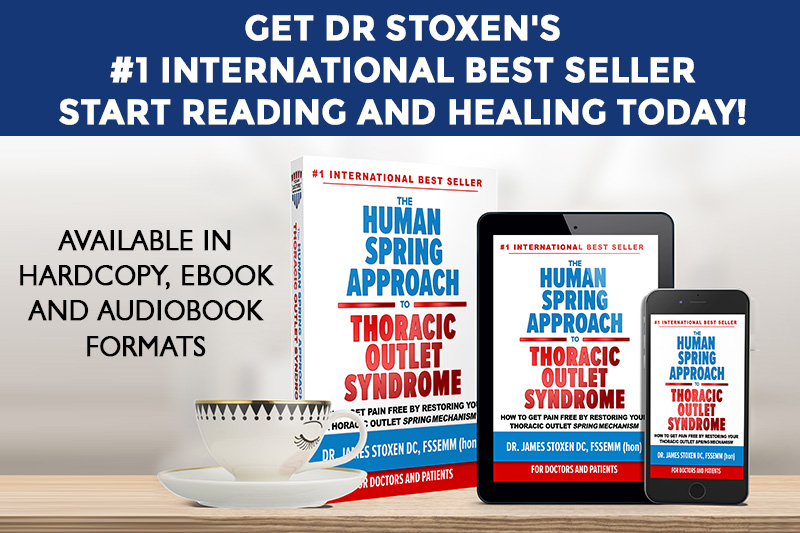
✓ Get Dr. Stoxen’s #1 International Bestselling Books
Learn how to understand, examine, and reverse your TOS—without surgery.
https://drstoxen.com/1-international-best-selling-author/
✓ Check out Team Doctors Online Courses
Step-by-step video lessons, demonstrations, and self-treatment strategies.
https://teamdoctorsacademy.com/
✓ Schedule a Free Phone Consultation With Dr. Stoxen
Speak directly with him so he can review your case and guide you on your next steps.
https://drstoxen.com/appointment/
#ThoracicOutletSyndrome #TOS #ArmNumbness #ShoulderPain #NerveCompression #PostureMatters #UpperExtremity #ChronicPainEducation #Biomechanics #MovementHealth #NeckPain #HandTingling #ClinicalObservation #ConservativeCare #RehabEducation #SoftTissue #VascularSymptoms #NeurologicalSymptoms #PatientEducation #TeamDoctors

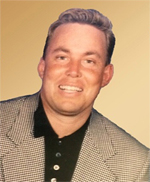
Dr James Stoxen DC., FSSEMM (hon) He is the president of Team Doctors®, Treatment and Training Center Chicago, one of the most recognized treatment centers in the world.
Dr Stoxen is a #1 International Bestselling Author of the book, The Human Spring Approach to Thoracic Outlet Syndrome. He has lectured at more than 20 medical conferences on his Human Spring Approach to Thoracic Outlet Syndrome and asked to publish his research on this approach to treating thoracic outlet syndrome in over 30 peer review medical journals.
He has been asked to submit his other research on the human spring approach to treatment, training and prevention in over 150 peer review medical journals. He serves as the Editor-in-Chief, Journal of Orthopedic Science and Research, Executive Editor or the Journal of Trauma and Acute Care, Chief Editor, Advances in Orthopedics and Sports Medicine Journal and editorial board for over 35 peer review medical journals.
He is a much sought-after speaker. He has given over 1000 live presentations and lectured at over 70 medical conferences to over 50,000 doctors in more than 20 countries. He has been invited to speak at over 300 medical conferences which includes invitations as the keynote speaker at over 50 medical conferences.
After his groundbreaking lecture on the Integrated Spring-Mass Model at the World Congress of Sports and Exercise Medicine he was presented with an Honorary Fellowship Award by a member of the royal family, the Sultan of Pahang, for his distinguished research and contributions to the advancement of Sports and Exercise Medicine on an International level. He was inducted into the National Fitness Hall of Fame in 2008 and the Personal Trainers Hall of Fame in 2012.
Dr Stoxen has a big reputation in the entertainment industry working as a doctor for over 150 tours of elite entertainers, caring for over 1000 top celebrity entertainers and their handlers. Anthony Field or the popular children’s entertainment group, The Wiggles, wrote a book, How I Got My Wiggle Back detailing his struggles with chronic pain and clinical depression he struggled with for years. Dr Stoxen is proud to be able to assist him.
Full Bio) Dr Stoxen can be reached directly at teamdoctors@aol.com