The Human Body Is Not Engineered Like a Robotic (What Robot Engineers got Wrong)
It Was Built Like a Living Spring
Most people think of the human body like a machine made of parts. If something hurts, they think one part must be “broken.” A disc. A joint. A muscle. A nerve.
But your body does not work like a car.
Your body works more like a spring.
A spring does not move by pushing hard like a lever. A spring works by loading, storing energy, and then releasing it again. This is how pogo sticks work. This is how bows and arrows work. And this is how your body was designed to work.
In science, this idea is often described using the Spring-mass model and the Human spring model. These models help explain how the body uses Shock absorption, Energy storage and return, and Elastic recoil every time you take a step.
When your body is working well, walking does not feel hard. You are not “muscling” yourself forward. Instead, your body uses Energy recycling through Elastic tissues, Passive elastic structures, and Tendon energy storage. This is also known as the Stretch-shortening cycle.
This is why a healthy person can walk a long distance without feeling exhausted. The body is not fighting gravity. It is working with gravity.
But when the spring system starts to break down, everything changes.
Your Relationship With Gravity Shapes Your Health
Every time your foot hits the ground, gravity sends force up through your body. That force is measured in science as Ground reaction force and Impact loading rate. Your body is supposed to handle this force using Vertical oscillation, Leg stiffness, and the balance between Compliance vs stiffness.
If your spring system is working well, this force is:
- Absorbed
- Spread out
- Recycled
- And returned back into your next step
But if your spring system is stiff, weak, or collapsed, that same force becomes stress.
That stress does not disappear.
It travels.
It moves through the Kinetic chain, through Closed-chain biomechanics, through Joint coupling, and through the entire Whole-body spring system.
This is why pain often shows up far away from where the real problem started.
Walking Is Not Just Walking
In medicine and movement science, walking is called Human gait. Studying it is called Gait analysis or a Gait study.
When experts look at walking, they look at Walking biomechanics, the Gait cycle, the Stance phase, the Swing phase, the Double support phase, and Single limb support.
They also measure:
- Step length
- Stride length
- Cadence
- Walking speed
- Temporal-spatial parameters
- Spatiotemporal gait analysis
They may also look at Kinematic analysis (how things move) and Kinetic analysis (the forces involved).
But here is the key idea:
Walking is not just movement.
Walking is a full-body loading and unloading of your spring system.
Every step tests:
- Your foot spring
- Your ankle spring
- Your knee spring
- Your hip spring
- Your spine spring
If one part is not doing its job, the others have to compensate.
This creates Load transfer, Torsional stress, and eventually Load path distortion.
The Foot: The Beginning of the Spring System
Most people never think about their feet unless they hurt.
But in the Human Spring Model, the foot is not just a platform.
It is a spring.
The foot has an arch called the Medial longitudinal arch. It works with the Windlass mechanism, Midfoot collapse, Rearfoot eversion, Forefoot abduction, First ray function, and Hallux dorsiflexion to store and release energy.
The foot also controls:
- Pronation and Supination
- Overpronation
- Arch collapse
- Subtalar joint mechanics
- Midtarsal joint locking/unlocking
The ankle must move through Ankle dorsiflexion and Ankle plantarflexion. The lower leg rotates through Tibial internal rotation and Tibial external rotation.
When this system works well, the foot behaves like a powerful, flexible spring.
When it does not, the body starts to lose:
- Elastic recoil
- Energy recycling
- Shock absorption
This is the beginning of what can be called Loss of elastic recoil, Spring stiffness syndrome, and eventually Spring stiffness instead of Spring compliance.
When the Spring System Starts to Fail
When the foot spring weakens, the problem does not stay in the foot.
The body begins to show:
- Energy leak
- Mechanical inefficiency
- Collapse of suspension system
- Vertical spring failure
- Torsional spring failure
This affects the entire Foot suspension system and then the entire Whole-body spring system.
The hips may develop Hip extension deficit. The pelvis may show abnormal Pelvic rotation and Pelvic tilt. The upper body may show Trunk rotation during gait and Arm swing asymmetry.
The normal Cross-pattern gait and Contralateral loading begin to break down.
Instead of smooth motion, the body becomes stiff and guarded.
The Brain and the Spring System
Walking is not just mechanical. It is also neurological.
Your brain uses Neuromuscular control, Motor patterns, and Central pattern generators to control movement. It depends on Proprioception, Balance control, and Postural control.
When the spring system is healthy, walking is smooth, balanced, and automatic. This shows up as good Gait symmetry and low Gait variability.
When the system is not healthy, the brain starts to protect you.
This can show up as:
- Antalgic gait (pain-avoiding walking)
- Guarded gait
- Asymmetric gait
- Compensation patterns
- Pain-avoidance gait
Over time, this can become:
- Degenerative gait
- Fatigue-related gait changes
- Fall-risk gait
- Elderly gait changes
And in some conditions:
- Ataxic gait
- Spastic gait
- Trendelenburg gait
- Steppage gait
- Parkinsonian gait
Why Many Chronic Problems Never Really Get Solved
Many people develop problems like:
- Low back pain
- Plantar fasciitis
- Flat feet
- High arches
- Knee osteoarthritis
- Hip osteoarthritis
- Sciatica
- Achilles tendinopathy
- Stress fractures
- Diabetic neuropathy
- Stroke gait
- Parkinson’s disease gait
- Multiple sclerosis gait
Very often, the treatment focuses on the painful area only.
But the Breakdown of energy recycling and the Load path distortion usually started somewhere else—often in the foot and gait.
This is why people can try:
- Exercises
- Therapy
- Adjustments
- Injections
- Medications
And still not feel truly fixed.
The spring system itself was never fully addressed.
How Modern Gait Observation Changed Everything
In the past, serious 3D gait analysis required expensive labs, Motion capture, Force plates, Pressure plates, and Plantar pressure mapping systems.
Today, we also have:
- In-shoe pressure sensors
- Wearable gait sensors
- IMU sensors
- Video gait analysis
- Treadmill gait analysis
- Overground gait analysis
And sometimes, something as simple as a smartphone camera is enough to see the main problem.
What matters is not the gadget.
What matters is knowing what you are looking for.
The Human Spring Perspective
Dr. James Stoxen’s Human Spring Approach looks at walking differently.
Instead of asking, “Where does it hurt?”
It asks:
“How is this person interacting with gravity?”
“How is their spring system loading and unloading?”
“Where is the spring system stiff, collapsed, or leaking energy?”
When you look at walking this way, you begin to see:
- The Energy storage and return problem
- The Shock absorption problem
- The Elastic recoil problem
And most importantly:
You stop chasing pain.
You start understanding the system.
A Gentle Word About Tools
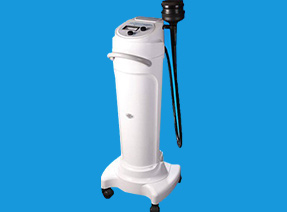
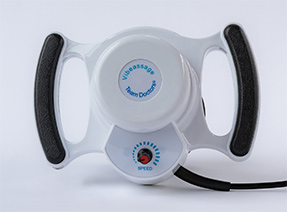
In Dr. Stoxen’s work, tools like the Vibeassage Pro and Vibeassage Sport are used as self-care tools to help people relax, loosen, and care for their bodies at home.
They are not magic.
They do not “cure” diseases.
They are tools people can use to:
- Help muscles relax
- Improve comfort
- Support recovery routines
- Feel better in their own bodies
They are part of a care process, not a medical promise.
Pain Is Often the End of the Story, Not the Beginning
Most people think pain starts where it hurts.
If their lower back hurts, they think the problem is in the lower back.
If their heel hurts, they think the problem is in the heel.
If their neck hurts, they think the problem is in the neck.
But in the Human Spring Model, pain is usually the last chapter, not the first.
The real story often starts much earlier, much lower, and much more quietly—inside the way a person walks.
This is why Gait analysis and a Gait study are so important. They help us see how Human gait and Walking biomechanics are really working, not just how a body looks when it is standing still.
The Hidden Forces in Every Step
Every step you take moves through the Gait cycle, including the Stance phase, Swing phase, Double support phase, and Single limb support.
During these moments, your body must manage:
- Ground reaction force
- Impact loading rate
- Vertical oscillation
- Leg stiffness
- The balance between Compliance vs stiffness
A healthy body uses Shock absorption, Energy storage and return, Elastic recoil, and the Stretch-shortening cycle to handle these forces.
But if the spring system is stiff, weak, or collapsed, the body begins to lose Energy recycling. This creates an Energy leak and Mechanical inefficiency.
The force still goes somewhere.
It just goes into places that were never meant to carry it.
How the Foot Starts the Chain Reaction
The foot is the first spring that meets the ground.
If there is Arch collapse, Overpronation, or poor control of Pronation and Supination, the Medial longitudinal arch can no longer work well with the Windlass mechanism.
This often comes with:
- Midfoot collapse
- Rearfoot eversion
- Forefoot abduction
- Poor First ray function
- Limited Hallux dorsiflexion
The ankle may lose normal Ankle dorsiflexion or Ankle plantarflexion. The lower leg may be forced into too much Tibial internal rotation or lose normal Tibial external rotation.
The Subtalar joint mechanics and Midtarsal joint locking/unlocking no longer time correctly.
The foot stops acting like a spring and starts acting like a loose, collapsing platform.
This is the beginning of Loss of elastic recoil.
When the Load Path Changes, the Body Must Compensate
When the foot spring fails, the body still has to move forward.
So it cheats.
The force moves up the Kinetic chain through Closed-chain biomechanics and Joint coupling, but now along a distorted route called Load path distortion.
Instead of smooth Load transfer, the body experiences:
- Torsional stress
- Uneven loading
- Twisting
- Shearing
This is how Torsional spring failure and Vertical spring failure begin.
The Foot suspension system no longer protects the rest of the body.
The Whole-body spring system starts to break down.
What This Looks Like in the Hips, Pelvis, and Spine
As the force moves upward, the hips may lose normal motion and develop Hip extension deficit.
The pelvis may begin to show abnormal Pelvic rotation and Pelvic tilt.
The trunk may start to show excessive or reduced Trunk rotation during gait.
The arms may stop swinging evenly, creating Arm swing asymmetry.
Normal Cross-pattern gait and Contralateral loading begin to disappear.
This is not random.
This is the body trying to keep you moving forward with a broken spring system.
The Brain Steps In to Protect You
Your nervous system is always watching.
It uses Neuromuscular control, Motor patterns, Central pattern generators, Proprioception, Balance control, and Postural control to keep you safe.
When it senses too much stress or threat, it does not wait for damage.
It tightens muscles.
It changes movement.
It protects.
This is how Muscle guarding begins, even if you do not feel pain yet.
From Guarding to Pain-Avoidance Walking
As guarding continues, walking slowly changes.
You may begin to show:
- Antalgic gait
- Guarded gait
- Asymmetric gait
- Compensation patterns
- Pain-avoidance gait
You may shorten your Step length or Stride length. Your Cadence or Walking speed may change. Your Temporal-spatial parameters and Spatiotemporal gait analysis would no longer look balanced.
You may develop more Gait variability and less Gait symmetry.
At first, this is subtle.
Over time, it becomes your new normal.
Predictable Inflammation Patterns
Muscles that are overworked become irritated.
Irritated tissues develop inflammation.
This is not random.
Because movement patterns are not random.
The same distorted Load transfer creates the same Compensation patterns again and again.
This is why certain people tend to get:
- Plantar fasciitis
- Achilles tendinopathy
- Knee osteoarthritis
- Hip osteoarthritis
- Low back pain
- Sciatica
- Stress fractures
And in some cases, walking changes linked to:
- Diabetic neuropathy
- Stroke gait
- Parkinson’s disease gait
- Multiple sclerosis gait
The pattern of stress predicts the pattern of irritation.
When Time and Fatigue Make Everything Worse
As the spring system becomes less efficient, walking costs more energy.
This creates:
- Fatigue-related gait changes
- More stiffness
- Less motion
- More guarding
Over years, this can turn into:
- Degenerative gait
- Fall-risk gait
- Elderly gait changes
The body is not “just aging.”
It is slowly losing its spring.
Why Imaging Often Misses the Real Problem
Many people get X-rays or MRIs.
They are told:
“You have disc problems.”
“You have arthritis.”
“You have degeneration.”
But pictures only show structure.
They do not show:
- Energy recycling
- Shock absorption
- Elastic recoil
- Load path distortion
They do not show how you walk.
They do not show how you interact with gravity.
Two people can have the same MRI and completely different pain stories.
The difference is not the picture.
The difference is the spring system.
Seeing the Pattern Changes Everything
When a practitioner watches walking using Video gait analysis, Overground gait analysis, Treadmill gait analysis, or even simple video, they are not just watching feet.
They are watching:
- The timing of the spring system
- The loading and unloading
- The twists and turns
- The places where energy is lost
In advanced settings, tools like Motion capture, Force plates, Pressure plates, Plantar pressure mapping, In-shoe pressure sensors, Wearable gait sensors, and IMU sensors can add more detail.
But the most important thing is the pattern.
From “Where Does It Hurt?” to “Why Is It Overloaded?”
This is the great shift.
Instead of asking:
“Where does it hurt?”
The Human Spring Approach asks:
“Why is this area being overloaded every step?”
“Where did the spring system fail first?”
“When did Breakdown of energy recycling begin?”
This turns pain from a mystery into a mechanical story.
A Gentle Note About Care and Self-Care
In this approach, tools like the Vibeassage Pro and Vibeassage Sport are used as part of daily self-care routines to help muscles relax and stay comfortable.
They are not treatments for diseases.
They are tools people use to support their bodies while they work on:
- Better movement
- Better walking patterns
- Better spring function
Where We Go Next
In Part 3, we will explain clearly:
- How this approach is different from traditional physical therapy
- Why chasing pain is not the same as fixing the spring system
- How looking at walking changes the entire strategy of care
Two Very Different Ways of Looking at the Human Body
When most people think about care for pain, they imagine a very simple process:
Find what hurts.
Treat the place that hurts.
Hope it gets better.
This way of thinking comes from seeing the body like a machine made of parts.
If a hinge squeaks, you oil the hinge.
If a bolt is loose, you tighten the bolt.
If a part looks worn, you replace the part.
This is what we can call a lever-based way of thinking.
But the human body is not built like a machine of levers.
It is built like a spring system.
And that changes everything.
The Lever Model vs the Spring Model
In the lever way of thinking, movement is created by muscles pulling on bones like ropes on sticks.
In the Human spring model and the Spring-mass model, movement is created by loading, storing, and releasing energy.
A lever spends energy.
A spring recycles energy.
That is why healthy movement feels light and efficient instead of heavy and exhausting.
This is also why concepts like Shock absorption, Energy storage and return, Elastic recoil, Stretch-shortening cycle, and Energy recycling matter so much.
Traditional thinking often focuses on:
- Individual muscles
- Individual joints
- Individual painful spots
The Human Spring Approach focuses on:
- The Whole-body spring system
- The Foot suspension system
- The Kinetic chain and Closed-chain biomechanics
- How force moves through the body during Human gait
Why Looking at Walking Changes the Entire Strategy
In many clinics, people lie down on tables and get tested.
But life does not happen lying down.
Life happens standing, walking, lifting, and moving.
That is why Gait analysis and a Gait study are so important.
By watching Walking biomechanics, the Gait cycle, Stance phase, Swing phase, Double support phase, and Single limb support, you can see how the body really handles:
- Ground reaction force
- Impact loading rate
- Vertical oscillation
- Leg stiffness
- Compliance vs stiffness
You can see where Energy leak, Mechanical inefficiency, and Load path distortion are happening.
You can see where Loss of elastic recoil, Vertical spring failure, and Torsional spring failure begin.
This is very different from only testing parts in isolation.
The Foot Is Not Just a Place to Stand
In many systems, the foot is treated like a block at the bottom of the body.
In the Human Spring Approach, the foot is treated like the main spring.
The Medial longitudinal arch, Windlass mechanism, Subtalar joint mechanics, and Midtarsal joint locking/unlocking are not just anatomy words.
They describe a living energy system.
If there is Arch collapse, Overpronation, poor control of Pronation and Supination, Midfoot collapse, Rearfoot eversion, or Forefoot abduction, then:
- First ray function
- Hallux dorsiflexion
- Ankle dorsiflexion and Ankle plantarflexion
- Tibial internal rotation and Tibial external rotation
All start to lose their proper timing.
This is the beginning of Spring stiffness syndrome and Loss of elastic recoil.
Why Treating the Painful Spot Often Fails
Imagine a car with bad wheel alignment.
The tire wears out on one side.
You can keep replacing the tire.
But if you never fix the alignment, the new tire wears out again.
This is how many people are treated.
They have:
- Plantar fasciitis
- Achilles tendinopathy
- Knee osteoarthritis
- Hip osteoarthritis
- Low back pain
- Sciatica
- Stress fractures
The treatment is aimed at the sore place.
But the real cause is often the Load transfer and Compensation patterns created by a broken spring system.
Why Imaging Does Not Tell the Whole Story
X-rays and MRIs are very good at showing structure.
They are not good at showing:
- Energy storage and return
- Elastic recoil
- Shock absorption
- Energy recycling
- Load path distortion
Two people can have the same MRI and very different pain.
The difference is how they move.
The difference is how they walk.
The difference is their Human gait.
The Role of the Brain and Protection
The nervous system uses Neuromuscular control, Motor patterns, Central pattern generators, Proprioception, Balance control, and Postural control to keep you safe.
When it senses threat, it changes movement.
This is how:
- Muscle guarding
- Guarded gait
- Antalgic gait
- Pain-avoidance gait
- Asymmetric gait
Develop over time.
Traditional care often tries to “stretch what is tight” and “strengthen what is weak” without always asking:
“Why did the brain tighten this in the first place?”
The Pattern Is More Important Than the Part
In the Human Spring Approach, the main question is not:
“Which muscle is tight?”
The main question is:
“Which part of the spring system is failing to load and unload correctly?”
This is why we look at:
- Step length
- Stride length
- Cadence
- Walking speed
- Temporal-spatial parameters
- Spatiotemporal gait analysis
- Gait symmetry and Gait variability
We look at:
- Pelvic rotation
- Pelvic tilt
- Trunk rotation during gait
- Arm swing asymmetry
- Cross-pattern gait
- Contralateral loading
We look at the pattern first.
Old Tools, New Vision
In the past, detailed gait labs used Motion capture, Force plates, Pressure plates, and Plantar pressure mapping.
Today, we also have:
- In-shoe pressure sensors
- Wearable gait sensors
- IMU sensors
- 3D gait analysis
- Video gait analysis
- Treadmill gait analysis
- Overground gait analysis
But the most important tool is not the technology.
It is the model you use to understand what you are seeing.
Where Physical Therapy and the Human Spring Approach Differ
Many physical therapists do excellent work.
But most systems are still built around:
- Local pain
- Local strength
- Local flexibility
- Local structure
The Human Spring Approach is built around:
- Global load handling
- Spring behavior
- Energy flow
- Whole-body coordination
It asks:
“Is this person living in harmony with gravity?”
Or:
“Are they fighting gravity with a broken spring system?”
A Word About Self-Care Tools
In this approach, tools like the Vibeassage Pro and Vibeassage Sport are used as comfort and recovery tools.
They are not medical treatments.
They do not diagnose, treat, or cure disease.
They are tools people can use at home to:
- Help muscles relax
- Support daily recovery
- Feel more comfortable in their bodies
While they work on restoring better movement and walking habits.
The Big Shift in Thinking
Traditional thinking often asks:
“What part is damaged?”
The Human Spring Approach asks:
“What part of the spring system stopped working right first?”
That one question changes the entire strategy.
The Goal Is Not to “Fix a Part”
The Goal Is to Restore a System
By now, you can see that the Human Spring Approach is not about chasing pain from place to place.
It is about restoring how the Whole-body spring system works.
Pain usually shows up at the end of a long chain of events:
- First comes Loss of elastic recoil
- Then Energy leak and Mechanical inefficiency
- Then Load path distortion
- Then Muscle guarding and stiffness
- And finally, irritation and discomfort in places like the back, hip, knee, or foot
So the long-term solution is not to fight the last link in the chain.
The long-term solution is to slowly rebuild how the body handles gravity.
Small Daily Forces Shape the Body More Than Big Treatments
Your body takes thousands of steps every day.
That means your Human gait is shaping your body thousands of times per day.
This is why Gait analysis and a Gait study are so powerful. They show how your body is really dealing with:
- Ground reaction force
- Impact loading rate
- Vertical oscillation
- Leg stiffness
- The balance between Compliance vs stiffness
They also show how well your body is using:
- Shock absorption
- Energy storage and return
- Elastic recoil
- The Stretch-shortening cycle
- Energy recycling
You do not change your body only with appointments.
You change it with how you move every day.
Rebuilding the Spring Starts at the Ground
In the Human Spring Approach, the Foot suspension system is the foundation.
The Medial longitudinal arch, Windlass mechanism, Subtalar joint mechanics, and Midtarsal joint locking/unlocking are not just anatomy.
They are the beginning of your body’s spring.
When the foot is working better, things like:
- Pronation and Supination
- Overpronation
- Arch collapse
- Midfoot collapse
- Rearfoot eversion
- Forefoot abduction
- First ray function
- Hallux dorsiflexion
- Ankle dorsiflexion and Ankle plantarflexion
- Tibial internal rotation and Tibial external rotation
Begin to organize themselves more naturally.
This is not about forcing anything.
It is about letting the spring work again.
When the Base Improves, the Whole Chain Improves
As the foot spring begins to behave better, the rest of the Kinetic chain begins to calm down.
You often see improvements in:
- Hip extension deficit
- Pelvic rotation
- Pelvic tilt
- Trunk rotation during gait
- Arm swing asymmetry
- Cross-pattern gait
- Contralateral loading
This improves:
- Load transfer
- Reduces Torsional stress
- And slowly corrects Load path distortion
This is how the Whole-body spring system begins to feel lighter and less stiff.
The Nervous System Learns From Repetition
Your brain controls movement using:
- Neuromuscular control
- Motor patterns
- Central pattern generators
- Proprioception
- Balance control
- Postural control
It does not change from one good day.
It changes from repetition.
As walking becomes easier and more symmetrical, you begin to see:
- Less Gait variability
- Better Gait symmetry
- More natural Step length and Stride length
- Better Cadence and Walking speed
- Healthier Temporal-spatial parameters and Spatiotemporal gait analysis
Over time, the brain no longer needs as much protection.
This is how Guarded gait, Antalgic gait, Pain-avoidance gait, and Asymmetric gait can slowly soften.
This Is Not a Quick-Fix Mindset
The Human Spring Approach is not based on “cracking,” “forcing,” or “overpowering” the body.
It is based on:
- Letting tissues calm down
- Letting movement improve
- Letting the nervous system feel safer
- Letting the spring system slowly restore function
This is why it fits well with long-term, sustainable self-care.
The Role of Observation and Simple Technology
Sometimes, watching walking with Video gait analysis, Overground gait analysis, or Treadmill gait analysis is enough to see the main pattern.
In more detailed settings, tools like:
- Motion capture
- Force plates
- Pressure plates
- Plantar pressure mapping
- In-shoe pressure sensors
- Wearable gait sensors
- IMU sensors
- 3D gait analysis
Can add more detail.
But again, the most important thing is not the machine.
It is understanding the pattern.
Why This Approach Is So Different From Chasing Diagnoses
Many people collect labels:
- Plantar fasciitis
- Achilles tendinopathy
- Knee osteoarthritis
- Hip osteoarthritis
- Low back pain
- Sciatica
- Stress fractures
- Diabetic neuropathy
- Stroke gait
- Parkinson’s disease gait
- Multiple sclerosis gait
Those labels describe where the problem shows up.
They do not always explain why the load keeps going there.
The Human Spring Approach stays focused on:
- Breakdown of energy recycling
- Energy leak
- Mechanical inefficiency
- Vertical spring failure
- Torsional spring failure
- Collapse of suspension system
Instead of only the name of the sore place.
A Gentle Word About Daily Self-Care
In this system, tools like the Vibeassage Pro and Vibeassage Sport are used as comfort and recovery tools.
They are not medical treatments.
They do not diagnose or cure disease.
They are tools people may choose to use at home to:
- Help muscles relax
- Support daily comfort
- Encourage circulation and ease
- Make it easier to keep moving
They are part of a routine, not a promise.
The Big Idea: Learning to Live in Better Harmony With Gravity
Every step you take is a conversation with gravity.
When your spring system works well, that conversation is friendly.
When it does not, that conversation becomes a fight.
The Human Spring Approach is about:
- Changing that relationship
- Letting the body absorb force instead of resisting it
- Letting movement become easier instead of heavier
What This Means for Real Life
It means progress often looks like:
- Walking feels easier
- Standing feels less tiring
- Movement feels less stiff
- The body feels more “springy” and less “rusty”
Not because something was forced.
But because the system is working better.
A Final Perspective
The body is not a stack of broken parts.
It is a living, adaptive spring system.
When you understand that, you stop asking:
“What is wrong with this one piece?”
And you start asking:
“How can I help this system work better with gravity again?”
That change in thinking is often the real beginning of long-term improvement.
Closing Thought
The Human Spring Approach is not about doing more to your body.
It is about teaching your body to do what it was designed to do again.
And that is a very different—and much gentler—path forward.
Team Doctors Resources
✓ Check out the Team Doctors Recovery Tools
The Vibeassage Sport and the Vibeassage Pro featuring the TDX3 soft-as-the-hand Biomimetic Applicator Pad
https://www.teamdoctors.com/
✓ Get Dr. Stoxen’s #1 International Bestselling Books
Learn how to understand, examine, and reverse your TOS—without surgery.
https://drstoxen.com/1-international-best-selling-author/
✓ Check out Team Doctors Online Courses
Step-by-step video lessons, demonstrations, and self-treatment strategies.
https://teamdoctorsacademy.com/
✓ Schedule a Free Phone Consultation With Dr. Stoxen
Speak directly with him so he can review your case and guide you on your next steps.
https://drstoxen.com/appointment/
#TOSAwareness #ThoracicOutletSyndrome #ChronicPainLife #Numbness #Tingling #Weakness #HeavyArm #BurningPain #NeckTension #ShoulderTightness #PainJourney #InvisibleIllness #PainScience #BodyMechanics #Rehab

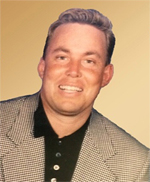
Dr James Stoxen DC., FSSEMM (hon) He is the president of Team Doctors®, Treatment and Training Center Chicago, one of the most recognized treatment centers in the world.
Dr Stoxen is a #1 International Bestselling Author of the book, The Human Spring Approach to Thoracic Outlet Syndrome. He has lectured at more than 20 medical conferences on his Human Spring Approach to Thoracic Outlet Syndrome and asked to publish his research on this approach to treating thoracic outlet syndrome in over 30 peer review medical journals.
He has been asked to submit his other research on the human spring approach to treatment, training and prevention in over 150 peer review medical journals. He serves as the Editor-in-Chief, Journal of Orthopedic Science and Research, Executive Editor or the Journal of Trauma and Acute Care, Chief Editor, Advances in Orthopedics and Sports Medicine Journal and editorial board for over 35 peer review medical journals.
He is a much sought-after speaker. He has given over 1000 live presentations and lectured at over 70 medical conferences to over 50,000 doctors in more than 20 countries. He has been invited to speak at over 300 medical conferences which includes invitations as the keynote speaker at over 50 medical conferences.
After his groundbreaking lecture on the Integrated Spring-Mass Model at the World Congress of Sports and Exercise Medicine he was presented with an Honorary Fellowship Award by a member of the royal family, the Sultan of Pahang, for his distinguished research and contributions to the advancement of Sports and Exercise Medicine on an International level. He was inducted into the National Fitness Hall of Fame in 2008 and the Personal Trainers Hall of Fame in 2012.
Dr Stoxen has a big reputation in the entertainment industry working as a doctor for over 150 tours of elite entertainers, caring for over 1000 top celebrity entertainers and their handlers. Anthony Field or the popular children’s entertainment group, The Wiggles, wrote a book, How I Got My Wiggle Back detailing his struggles with chronic pain and clinical depression he struggled with for years. Dr Stoxen is proud to be able to assist him.
Full Bio) Dr Stoxen can be reached directly at teamdoctors@aol.com