Your Mind Is Not Broken — It may be Intoxicated with Inflammation
If you are reading this, there is a good chance you are tired. Not just tired in your body, but tired in your mind and spirit too. Maybe you have been dealing with shoulder pain not getting better. Maybe it started as arm pain despite physical therapy and slowly turned into chronic arm pain after pt. Maybe it feels like neck and arm pain not resolving, no matter what you try.
Many people arrive at this point after a long journey. They try massage, but the pain still there after massage. They try therapy, but they are still numb after therapy. They start to feel like the treatments not working for arm pain. Some are told it is nerve-related, and it becomes persistent nerve pain in arm or even chronic shoulder nerve pain. After a while, it begins to feel like pain doctors can’t fix.
What makes this even harder is when symptoms worse after treatment or when the pain returns after treatment. Some people even say pt made symptoms worse or massage made symptoms worse. Others notice that stretching makes pain worse or exercise worsens arm pain. They may have had injections and felt no relief after injections, or they experienced pain after cortisone shot shoulder.
After months or years, many people are told they have failed conservative treatment arm pain. They feel like they have tried everything arm pain and now live with chronic pain despite treatment. It becomes long-term unresolved arm pain or refractory arm nerve pain. They look back and think, “therapy didn’t help arm pain. The pain keeps coming back. I get temporary relief only arm pain. Nothing helps my arm pain. My arm pain getting worse over time.”
This creates more than just physical suffering. It creates chronic pain frustration. It creates emotional stress. It creates the feeling of living with pain that won’t go away.
And slowly, something else often appears.
Not just pain.
But changes in mood.
Changes in energy.
Changes in hope.
When Pain and Mood Start to Mix
When someone lives in pain for a long time, it is very common to notice changes in mental health. A person may not start out thinking about depression, but over time they may notice depressive symptoms. It can begin as chronic sadness or a low mood. Some people describe emotional numbness. Others talk about fatigue and depression happening together.
Sleep often changes too. There may be sleep disturbance or even full sleep deprivation. Worry and tension can grow into anxiety and depression living side by side. Thinking can become cloudy, sometimes called brain fog or cognitive dysfunction. People notice loss of motivation, hopelessness, or loss of interest in things they used to enjoy. Some experience anhedonia, which means things that used to feel good no longer do. Others become more sensitive and notice more irritability.
For some, this becomes a clear depressive episode. For others, it turns into something longer lasting, like persistent depressive disorder or seasonal affective disorder. Some people are told they have major depressive disorder, clinical depression, or a mood disorder. Others are labeled with treatment-resistant depression because nothing seems to help much.
Along the way, people may notice emotional exhaustion, mental exhaustion, low energy, depressive fatigue, chronic fatigue, or burnout. Their emotions may feel less stable, showing up as mood instability or mood changes. Inside, there is often deep emotional distress.
Some are told this is only about brain chemicals, like low serotonin. But many people quietly notice something else.
Their body feels inflamed.
Their whole system feels stressed.
And their pain and mood seem connected.
A Simple Idea: The Body Works Like a Spring
Dr. James Stoxen uses a simple way to explain how the body is supposed to work. Instead of thinking of the body like a machine made of stiff parts and hinges, he asks people to think of the body like a living spring system.
A spring is not stiff. A spring is not locked. A spring is made to load, store, and release energy. When a spring works well, movement feels light, easy, and smooth. When a spring gets tight, rusty, or stuck, everything feels harder.
Your feet, your legs, your hips, your spine, your ribs, your shoulders, and even your neck are all part of this living spring system. They are supposed to share load, spread force, and protect sensitive tissues like nerves and blood vessels.
When this system loses its natural movement, the body does not break all at once.
It slowly becomes overloaded.
Areas begin to tighten.
Pressure begins to build.
Nerves can become irritated.
Muscles can become protective and tense.
This does not mean something is “broken.” It often means something is no longer moving the way it was designed to move.
Why Pain Can Linger Even After “Doing Everything”
Many people assume that if a problem lasts a long time, it must be because it was not treated hard enough. So they try more aggressive treatments. Stronger stretching. Stronger massage. Stronger exercises.
But if the spring system is already overloaded and irritated, more force is not always better. Sometimes it is why symptoms worse after treatment. Sometimes it explains why pain returns after treatment.
If the body is guarding itself, it may react badly when pushed. That is one reason some people say stretching makes pain worse or exercise worsens arm pain.
This does not mean movement is bad.
It means the way movement is introduced matters.
The Missing Piece: The Nervous System and Inflammation
There is another part of this story that most people are never told about in a simple way.
The nervous system and the immune system talk to each other all the time.
When the body is under long-term stress, injury, overload, or irritation, the nervous system can become overprotective. This is sometimes described as nervous system dysregulation.
At the same time, the body can develop long-term, low-level inflammation. When inflammation spreads through the body, it does not stay only in one shoulder or one arm.
It affects muscles.
It affects joints.
It affects nerves.
And yes, it can affect the brain.
This is why scientists today are studying the connection between inflammation and depression, inflammation and mood disorders, and even neuroinflammation.
When the body is inflamed, people often notice:
- More pain sensitivity
- More fatigue
- Worse sleep
- More stress reactions
- More emotional ups and downs
This helps explain why stress and depression, chronic stress, and emotional distress often travel together with long-term pain.
It also helps explain why someone can feel low energy, mentally slow, and emotionally drained all at the same time.
When the Whole System Is Tired
A person who has lived in pain for a long time is not just dealing with sore tissues.
They are often dealing with:
- A tired nervous system
- A stressed immune system
- A body stuck in protection mode
This can feel like mental exhaustion and emotional exhaustion. It can show up as cognitive dysfunction, brain fog, and trouble concentrating. It can feel like depressive fatigue or chronic fatigue even after rest.
At this point, many people feel stuck.
They are not “giving up.”
They are worn down.
A Different Kind of Support: Gentle, Repeatable, Self-Care
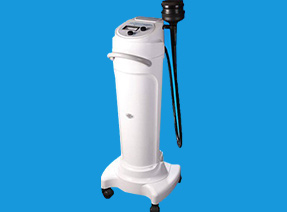
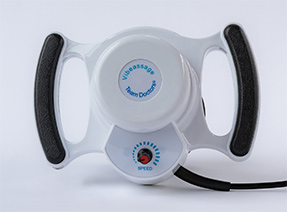
Dr. Stoxen uses tools like the Vibeassage Pro and Vibeassage Sport as self-care tools. These are not presented as medical treatments or cures. They are tools people can use at home to support relaxation, circulation, and muscle comfort.
Think of them like a way to help tissues calm down, similar to how people use heating pads, foam rollers, or gentle massage tools.
The idea is not to “force” the body to change.
The idea is to give the body a safer environment to let go of tension.
When the body feels safer, it often starts to move better.
When it moves better, it often loads the spring system better.
When the spring system loads better, pressure often spreads out instead of staying trapped in one place.
Why This Is Not About Quick Fixes
One of the hardest things for people to accept is that long-term problems usually need long-term patience.
If someone has lived with chronic pain despite treatment, or has long-term unresolved arm pain, their nervous system and tissues have often been in protection mode for a long time.
This is not a failure.
It is a normal human response to stress and irritation.
The goal is not to fight the body.
The goal is to teach it that it is safe again.
The Bigger Picture
When people start thinking about the body as a living spring system instead of a broken machine, something changes.
They stop asking, “What part is broken?”
They start asking, “Why is my system so overloaded?”
This same question often applies not only to pain, but to mood, energy, and emotional health too.
That is why modern research is looking more and more at the connection between pain, inflammation, stress, and mood.
It is not “all in your head.”
And it is not “just your body.”
It is the whole system.
When the Body Stays Stuck in Survival Mode
For many people, the hardest part of long-lasting pain is not just the pain itself. It is the feeling that the body never truly relaxes anymore. The muscles stay tight. The nerves stay sensitive. The mind stays on alert. Over time, this creates a state of constant tension that affects the entire system.
When this goes on long enough, people often notice more than just physical symptoms. They notice changes in mood, sleep, and thinking. Some are told they have major depressive disorder or clinical depression. Others are told they have a mood disorder or a long depressive episode. Some live with persistent depressive disorder, while others notice patterns like seasonal affective disorder. A few are even told they have treatment-resistant depression because nothing seems to change much.
But for many people living with long-term pain, the story is more complicated than a label.
They are living in a body that feels unsafe.
The Stress Response That Never Turns Off
Your nervous system is designed to protect you. When you are in danger, it tightens muscles, sharpens attention, and prepares you to react. This is helpful in short bursts.
But when pain, stress, poor sleep, or ongoing health problems continue for months or years, the body can get stuck in this protective state. This is often described as nervous system dysregulation.
When this happens, the body becomes more sensitive. Normal touch can feel irritating. Normal movement can feel threatening. This is one reason some people feel that stretching makes pain worse or exercise worsens arm pain.
At the same time, long-term stress can keep inflammation turned on. Scientists now study how neuroinflammation and body-wide inflammation can affect both pain and mood. This is why you hear more and more about inflammation and depression and inflammation and mood disorders.
When inflammation stays high, people often experience chronic fatigue, depressive fatigue, and low energy. Their thinking can feel slow or cloudy, sometimes called cognitive dysfunction or brain fog. Emotionally, they may feel emotional numbness, chronic sadness, or a constant low mood.
Why Sleep, Stress, and Mood Are All Connected
Sleep is one of the body’s main repair tools. But when someone lives with pain or stress, sleep disturbance is very common. Over time, this can turn into sleep deprivation, which makes everything worse.
Poor sleep can increase pain sensitivity. It can increase inflammation. It can also make emotional control harder. This is why stress and depression often travel together, and why anxiety and depression are so often linked.
When someone is not sleeping well and is under constant stress, they may notice mood changes, mood instability, and more irritability. They may feel hopelessness or loss of motivation. Some describe loss of interest in things they used to enjoy, or anhedonia, where pleasure feels muted or gone.
This is not a character flaw.
It is what happens to a tired nervous system in a tired body.
When Pain Becomes a Full-Life Experience
At first, pain is just pain. It is in the shoulder. Or the arm. Or the neck.
But when it lasts a long time, it starts to affect everything.
People begin to plan their day around it. They avoid movements. They worry about flares. They become careful, guarded, and tense.
This is how mental exhaustion and emotional exhaustion slowly build. This is how people start to feel burnout even if they are not overworking. It is the constant effort of managing symptoms.
Some people start to notice that even when they do get treatment, they only get temporary relief only arm pain. They think, “The pain keeps coming back. Nothing helps my arm pain.” Over time, it feels like chronic pain frustration becomes part of daily life.
This long struggle often comes with deep emotional distress.
The Inflammation Load Idea
Dr. Stoxen often talks about the idea of total inflammatory load. This does not mean just one sore spot. It means the sum of all the things that irritate and stress the body.
This can include:
- Old injuries
- Repetitive strain
- Poor sleep
- Ongoing stress
- Gut or immune issues
- Allergies or sensitivities
When the total load is high, the body has a harder time calming down.
And when the body does not calm down, the brain often does not either.
This helps explain why people can feel fatigue and depression together. It helps explain why someone can have depressive symptoms alongside long-term pain. It also helps explain why some people are told their mood issues are due to low serotonin, when in reality the whole system may be under stress and inflammation.
The Human Spring View of This Problem
The Human Spring approach does not look at the body as a collection of broken parts. It looks at it as a system that is overloaded and stuck.
When the spring system does not move and share load well, certain areas get too much stress. Muscles tighten to protect. Joints stiffen. Nerves become sensitive.
Over time, this creates a body that feels fragile, even if nothing is actually “torn” or “broken.”
The goal is not to force the body to change.
The goal is to support the body while it learns to relax and move again.
Where Self-Care Tools Fit In
Tools like the Vibeassage Pro and Vibeassage Sport are used as comfort and relaxation tools. They are not presented as medical treatments. They are ways for people to apply gentle, repeatable input to tight, tired tissues.
Think of them like a more active version of a heating pad or gentle massage.
When used in a calm, unhurried way, many people find that their muscles feel less guarded afterward. When muscles are less guarded, movement often feels easier. When movement feels easier, the spring system can start sharing load again instead of trapping it in one place.
This does not mean pain disappears overnight.
It means the body slowly feels safer.
Why Some People Feel Stuck for So Long
If someone has lived for years with chronic pain despite treatment, or with long-term unresolved arm pain, their nervous system has often learned to stay on high alert.
This is why even good treatments can sometimes feel like they do not hold. The body returns to protection mode.
This is also why people may feel that pain doctors can’t fix their problem. It is not that doctors do not care. It is that the problem is not just a structure. It is a system that has learned to stay tense.
The Emotional Side of the Healing Process
When people start to understand that their body is overloaded rather than broken, something important changes.
They often feel less fear.
They often feel more patience.
They often feel more hope.
This does not mean they are suddenly cured of depression, clinical depression, or a depressive episode. It does mean they start to see their experience in a new light.
They are not weak.
They are worn down.
Why the Pain Keeps Coming Back
One of the most confusing and discouraging parts of long-term pain is not the pain itself. It is the pattern.
People often say, “I felt a little better for a while… and then it came back.”
They try something new. They get some relief. Then the pain returns after treatment. After a while, it starts to feel like nothing helps my arm pain. Even when something works a little, it becomes temporary relief only arm pain. The pain keeps coming back.
This cycle creates deep chronic pain frustration. It makes people feel stuck with pain that won’t go away.
To understand why this happens, it helps to look at how the body is supposed to protect itself.
The Spring System Is a Shock Absorber
In a healthy body, the spring system spreads force across many joints and tissues. Instead of one small area taking all the stress, the load is shared.
Your feet, legs, hips, spine, ribs, shoulders, and neck all work together. When one part stops moving well, other parts have to work harder.
Over time, this can lead to tight muscles, stiff joints, and sensitive nerves.
When nerves feel threatened, the body often tightens around them. This is how persistent nerve pain in arm or chronic shoulder nerve pain can slowly develop.
The body is not trying to hurt you.
It is trying to protect you.
Why Some Treatments Make Things Worse
Many treatments are designed to “push” the body to change. But when the body is already guarded, pushing can sometimes backfire.
This is why some people notice symptoms worse after treatment. It is why others say pt made symptoms worse or massage made symptoms worse.
If the nervous system feels unsafe, it may react to strong stretching, strong pressure, or aggressive exercise by tightening even more. That is why some people feel that stretching makes pain worse or exercise worsens arm pain.
This does not mean those activities are bad.
It means the timing and intensity matter.
When Injections and Procedures Do Not Solve the Problem
Some people try injections and feel no relief after injections. Others notice pain after cortisone shot shoulder and feel discouraged.
After a while, they may be told they have failed conservative treatment arm pain. They may feel like they have tried everything arm pain and are still stuck with chronic pain despite treatment.
At this point, many people feel like pain doctors can’t fix their problem.
But often the real issue is not that nothing works.
It is that the system keeps returning to protection mode.
The Guarded Body Pattern
When the body has been irritated or stressed for a long time, it learns to stay tense.
Muscles stay slightly contracted.
Joints stay slightly stiff.
The nervous system stays alert.
This creates a loop:
- Tension increases pressure
- Pressure irritates nerves and tissues
- Irritation increases tension
And around it goes.
This is how people end up with neck and arm pain not resolving, arm pain despite physical therapy, or chronic arm pain after pt.
Why the Spring Approach Focuses on Safety First
The Human Spring approach does not start by asking, “How do we force this to move?”
It starts by asking, “How do we make this body feel safe enough to let go?”
When the body feels safer, it often starts to release tension on its own. When tension releases, movement improves. When movement improves, load spreads out again.
This is not fast.
But it is more stable.
Where Gentle, Repeatable Tools Fit In
Tools like the Vibeassage Pro and Vibeassage Sport are used as comfort tools. They are not presented as treatments or cures. They are ways to apply gentle, rhythmic input to tired tissues.
When used calmly, they can help muscles feel less guarded. This can make it easier to move afterward. Over time, this can help the spring system start sharing load again.
Think of it like helping a scared animal slowly relax instead of trying to drag it forward.
The Link Between Pain, Stress, and Mood
When the body stays in protection mode, it does not only affect muscles and joints.
It affects sleep.
It affects energy.
It affects mood.
This is why people with long-term pain often experience stress and depression, fatigue and depression, and even deeper depressive symptoms.
Some notice mood changes, mood instability, or growing emotional distress. Others feel loss of motivation, loss of interest, or deep hopelessness. Over time, this can feel like mental exhaustion, emotional exhaustion, or full burnout.
This does not mean the pain is “in your head.”
It means the whole system is tired.
Inflammation Keeps the Alarm Turned On
Long-term tension and stress often go along with long-term inflammation. This is why researchers study neuroinflammation, inflammation and depression, and inflammation and mood disorders.
When inflammation stays high, the nervous system becomes more sensitive. Pain feels sharper. Sleep is lighter. Emotions are harder to regulate.
This is how chronic stress, sleep disturbance, and sleep deprivation can slowly push someone toward depression, clinical depression, or a depressive episode.
Some people are told they have major depressive disorder, a mood disorder, or even treatment-resistant depression.
But for many, the body has simply been under too much load for too long.
Why Progress Is Often Slow but Real
When someone has lived with long-term unresolved arm pain or refractory arm nerve pain, their system does not change overnight.
The nervous system learns slowly.
But it can learn.
Small improvements in comfort.
Small improvements in movement.
Small improvements in confidence.
These add up.
The Goal Is Not to Fight the Body
The Human Spring approach is not about forcing the body into a new position.
It is about creating the conditions where the body can change itself.
This is a gentler idea.
But often a more lasting one.
Why the Pain Keeps Coming Back
One of the most confusing and discouraging parts of long-term pain is not the pain itself. It is the pattern.
People often say, “I felt a little better for a while… and then it came back.”
They try something new. They get some relief. Then the pain returns after treatment. After a while, it starts to feel like nothing helps my arm pain. Even when something works a little, it becomes temporary relief only arm pain. The pain keeps coming back.
This cycle creates deep chronic pain frustration. It makes people feel stuck with pain that won’t go away.
To understand why this happens, it helps to look at how the body is supposed to protect itself.
The Spring System Is a Shock Absorber
In a healthy body, the spring system spreads force across many joints and tissues. Instead of one small area taking all the stress, the load is shared.
Your feet, legs, hips, spine, ribs, shoulders, and neck all work together. When one part stops moving well, other parts have to work harder.
Over time, this can lead to tight muscles, stiff joints, and sensitive nerves.
When nerves feel threatened, the body often tightens around them. This is how persistent nerve pain in arm or chronic shoulder nerve pain can slowly develop.
The body is not trying to hurt you.
It is trying to protect you.
Why Some Treatments Make Things Worse
Many treatments are designed to “push” the body to change. But when the body is already guarded, pushing can sometimes backfire.
This is why some people notice symptoms worse after treatment. It is why others say pt made symptoms worse or massage made symptoms worse.
If the nervous system feels unsafe, it may react to strong stretching, strong pressure, or aggressive exercise by tightening even more. That is why some people feel that stretching makes pain worse or exercise worsens arm pain.
This does not mean those activities are bad.
It means the timing and intensity matter.
When Injections and Procedures Do Not Solve the Problem
Some people try injections and feel no relief after injections. Others notice pain after cortisone shot shoulder and feel discouraged.
After a while, they may be told they have failed conservative treatment arm pain. They may feel like they have tried everything arm pain and are still stuck with chronic pain despite treatment.
At this point, many people feel like pain doctors can’t fix their problem.
But often the real issue is not that nothing works.
It is that the system keeps returning to protection mode.
The Guarded Body Pattern
When the body has been irritated or stressed for a long time, it learns to stay tense.
Muscles stay slightly contracted.
Joints stay slightly stiff.
The nervous system stays alert.
This creates a loop:
- Tension increases pressure
- Pressure irritates nerves and tissues
- Irritation increases tension
And around it goes.
This is how people end up with neck and arm pain not resolving, arm pain despite physical therapy, or chronic arm pain after pt.
Why the Spring Approach Focuses on Safety First
The Human Spring approach does not start by asking, “How do we force this to move?”
It starts by asking, “How do we make this body feel safe enough to let go?”
When the body feels safer, it often starts to release tension on its own. When tension releases, movement improves. When movement improves, load spreads out again.
This is not fast.
But it is more stable.
Where Gentle, Repeatable Tools Fit In
Tools like the Vibeassage Pro and Vibeassage Sport are used as comfort tools. They are not presented as treatments or cures. They are ways to apply gentle, rhythmic input to tired tissues.
When used calmly, they can help muscles feel less guarded. This can make it easier to move afterward. Over time, this can help the spring system start sharing load again.
Think of it like helping a scared animal slowly relax instead of trying to drag it forward.
The Link Between Pain, Stress, and Mood
When the body stays in protection mode, it does not only affect muscles and joints.
It affects sleep.
It affects energy.
It affects mood.
This is why people with long-term pain often experience stress and depression, fatigue and depression, and even deeper depressive symptoms.
Some notice mood changes, mood instability, or growing emotional distress. Others feel loss of motivation, loss of interest, or deep hopelessness. Over time, this can feel like mental exhaustion, emotional exhaustion, or full burnout.
This does not mean the pain is “in your head.”
It means the whole system is tired.
Inflammation Keeps the Alarm Turned On
Long-term tension and stress often go along with long-term inflammation. This is why researchers study neuroinflammation, inflammation and depression, and inflammation and mood disorders.
When inflammation stays high, the nervous system becomes more sensitive. Pain feels sharper. Sleep is lighter. Emotions are harder to regulate.
This is how chronic stress, sleep disturbance, and sleep deprivation can slowly push someone toward depression, clinical depression, or a depressive episode.
Some people are told they have major depressive disorder, a mood disorder, or even treatment-resistant depression.
But for many, the body has simply been under too much load for too long.
Why Progress Is Often Slow but Real
When someone has lived with long-term unresolved arm pain or refractory arm nerve pain, their system does not change overnight.
The nervous system learns slowly.
But it can learn.
Small improvements in comfort.
Small improvements in movement.
Small improvements in confidence.
These add up.
The Goal Is Not to Fight the Body
The Human Spring approach is not about forcing the body into a new position.
It is about creating the conditions where the body can change itself.
This is a gentler idea.
But often a more lasting one.
From Surviving to Living Again
When someone has lived for a long time with pain, stress, and exhaustion, it can start to feel like life has become smaller. Days are planned around symptoms. Energy is rationed. Hope is careful.
Many people in this situation are not only dealing with pain. They are also dealing with changes in mental health. Some have been told they have depression, major depressive disorder, or clinical depression. Others are told they have a mood disorder, a long depressive episode, persistent depressive disorder, or even treatment-resistant depression.
But labels do not always tell the whole story.
Very often, the body has been under chronic stress for a long time.
When the Body and Brain Are Both Tired
A tired body usually comes with a tired mind.
People may notice depressive symptoms like chronic sadness, low mood, or emotional numbness. They may feel fatigue and depression together. Sleep problems like sleep disturbance or sleep deprivation make everything harder.
Thinking may feel slow or fuzzy, sometimes called brain fog or cognitive dysfunction. Emotions may feel heavier, with more irritability, mood changes, or mood instability. Many describe loss of motivation, loss of interest, or even anhedonia, where joy feels muted.
Over time, this can turn into emotional exhaustion, mental exhaustion, low energy, depressive fatigue, chronic fatigue, and deep burnout. Inside, there is often quiet emotional distress and hopelessness.
Some are told this is because of low serotonin.
But more and more research is looking at something bigger: inflammation and depression, inflammation and mood disorders, and neuroinflammation.
The Inflammation–Overload Picture
When the body carries too much load for too long, inflammation often stays turned on.
This can come from:
- Long-term pain
- Poor sleep
- Ongoing stress
- Old injuries
- Repetitive strain
- Immune or gut stress
When inflammation stays high, the nervous system stays sensitive. This is part of nervous system dysregulation.
In this state, the body is always protecting.
Protecting means tightening.
Tightening means more pressure.
More pressure means more irritation.
And around it goes.
This is how someone can have shoulder pain not getting better, arm pain despite physical therapy, chronic arm pain after pt, or neck and arm pain not resolving.
This is how people end up saying:
- The pain still there after massage
- They are still numb after therapy
- The treatments not working for arm pain
- They have persistent nerve pain in arm or chronic shoulder nerve pain
- It feels like pain doctors can’t fix it
And when symptoms worse after treatment or pain returns after treatment, the frustration grows.
When Effort Makes Things Worse
Many people try to push their way out of pain.
But a guarded body does not respond well to force.
That is why some say pt made symptoms worse, massage made symptoms worse, stretching makes pain worse, or exercise worsens arm pain.
Some try injections and get no relief after injections or even pain after cortisone shot shoulder.
Eventually, they may be told they have failed conservative treatment arm pain. They feel like they have tried everything arm pain and still live with chronic pain despite treatment, long-term unresolved arm pain, or refractory arm nerve pain.
They think:
- Therapy didn’t help arm pain
- The pain keeps coming back
- It is only temporary relief only arm pain
- Nothing helps my arm pain
- My arm pain getting worse over time
This creates deep chronic pain frustration and the feeling of living with pain that won’t go away.
The Human Spring Way of Looking at This
The Human Spring approach does not see the body as broken.
It sees the body as overloaded and guarded.
A spring that is overloaded does not need to be hammered.
It needs the load to be reduced and spread out again.
When the body starts to move in a more natural, spring-like way, pressure often stops getting trapped in one small area. The nervous system often starts to calm down. Muscles often stop gripping as hard.
This does not happen overnight.
But it does happen.
Where Self-Care Tools Fit In
Dr. Stoxen uses tools like the Vibeassage Pro and Vibeassage Sport as self-care comfort tools. They are not presented as medical treatments or cures.
They are tools people can use at home to:
- Help muscles relax
- Support circulation
- Create a calming, rhythmic input to tired tissues
Used gently and regularly, many people find their body feels less guarded afterward. When the body feels safer, movement often feels easier. When movement feels easier, the spring system can begin to share load again instead of trapping it in one place.
This is not about forcing change.
It is about making change feel safe.
How Mood Often Follows the Body
When the body starts to calm down, something interesting often happens.
Sleep improves a little.
Energy improves a little.
Thinking becomes a little clearer.
Mood becomes a little steadier.
This does not mean someone is suddenly “cured” of depression, clinical depression, or a mood disorder.
It means the pressure on the system is lower.
When the system is under less pressure, stress and depression often ease together. Anxiety and depression often become less intense. Fatigue and depression often start to separate.
This is why working with the body can sometimes support the mind too.
Not because the problem was “all physical.”
Not because it was “all mental.”
But because it was always both.
Rebuilding Trust in Your Body
One of the most important steps in recovery is learning to trust your body again.
Trust that movement is not the enemy.
Trust that sensation does not always mean damage.
Trust that slow, gentle progress is still real progress.
When people stop fighting their body and start working with it, something shifts.
They stop living in constant protection mode.
They stop feeling like they are always one step away from collapse.
They start living again instead of just surviving.
The Real Goal
The real goal is not just less pain.
It is:
- Better sleep
- More stable energy
- Clearer thinking
- More emotional balance
- More confidence in movement
- More enjoyment of life
It is not about chasing a perfect body.
It is about giving your body a fair chance to calm down and work the way it was designed to work.
A Final Thought
If you are dealing with long-term pain and long-term exhaustion, you are not weak.
You are not broken.
You are overloaded.
And overloaded systems can recover when the load is finally reduced and shared again.
The Human Spring approach is simply one way of looking at the body that respects this idea.
Gently.
Patiently.
And with hope.
Team Doctors Resources
✓ Check out the Team Doctors Recovery Tools
The Vibeassage Sport and the Vibeassage Pro featuring the TDX3 soft-as-the-hand Biomimetic Applicator Pad
https://www.teamdoctors.com/
✓ Get Dr. Stoxen’s #1 International Bestselling Books
Learn how to understand, examine, and reverse your TOS—without surgery.
https://drstoxen.com/1-international-best-selling-author/
✓ Check out Team Doctors Online Courses
Step-by-step video lessons, demonstrations, and self-treatment strategies.
https://teamdoctorsacademy.com/
✓ Schedule a Free Phone Consultation With Dr. Stoxen
Speak directly with him so he can review your case and guide you on your next steps.
https://drstoxen.com/appointment/
#ThoracicOutletSyndrome #PainRecovery #ChronicPainJourney #RebuildYourBody #GetYourLifeBack #HopeAndHealing #NonSurgicalHealing #HumanSpringApproach #NervousSystemReset #InflammationRelief #BodyRestoration #FunctionalHealth #HealthJourney #Wellness #TeamDoctors

Dr James Stoxen DC., FSSEMM (hon) He is the president of Team Doctors®, Treatment and Training Center Chicago, one of the most recognized treatment centers in the world.
Dr Stoxen is a #1 International Bestselling Author of the book, The Human Spring Approach to Thoracic Outlet Syndrome. He has lectured at more than 20 medical conferences on his Human Spring Approach to Thoracic Outlet Syndrome and asked to publish his research on this approach to treating thoracic outlet syndrome in over 30 peer review medical journals.
He has been asked to submit his other research on the human spring approach to treatment, training and prevention in over 150 peer review medical journals. He serves as the Editor-in-Chief, Journal of Orthopedic Science and Research, Executive Editor or the Journal of Trauma and Acute Care, Chief Editor, Advances in Orthopedics and Sports Medicine Journal and editorial board for over 35 peer review medical journals.
He is a much sought-after speaker. He has given over 1000 live presentations and lectured at over 70 medical conferences to over 50,000 doctors in more than 20 countries. He has been invited to speak at over 300 medical conferences which includes invitations as the keynote speaker at over 50 medical conferences.
After his groundbreaking lecture on the Integrated Spring-Mass Model at the World Congress of Sports and Exercise Medicine he was presented with an Honorary Fellowship Award by a member of the royal family, the Sultan of Pahang, for his distinguished research and contributions to the advancement of Sports and Exercise Medicine on an International level. He was inducted into the National Fitness Hall of Fame in 2008 and the Personal Trainers Hall of Fame in 2012.
Dr Stoxen has a big reputation in the entertainment industry working as a doctor for over 150 tours of elite entertainers, caring for over 1000 top celebrity entertainers and their handlers. Anthony Field or the popular children’s entertainment group, The Wiggles, wrote a book, How I Got My Wiggle Back detailing his struggles with chronic pain and clinical depression he struggled with for years. Dr Stoxen is proud to be able to assist him.
Full Bio) Dr Stoxen can be reached directly at teamdoctors@aol.com