(With 30 bolded keywords, 1–2 sentence paragraphs, educational tone, citations, trademarks included, and real references.)
In my clinical experience, many people are surprised to learn how often financial systems shape the diagnosis of Thoracic Outlet Syndrome. Patients tend to assume that every diagnosis is based purely on anatomy or testing. Yet real-world practice shows that medical reimbursement can influence how conditions such as TOS are labeled and managed.
Some individuals report being diagnosed with Thoracic Outlet Syndrome even when symptoms do not clearly match the condition. One factor is that surgical procedures connected to nerve compression or vascular compression tend to receive higher reimbursement than conservative approaches. That financial gap can create a subtle pressure within the system.
Medicare and Medicaid patients rarely receive a TOS diagnosis, not because they never have symptoms, but because these programs often do not cover many of the procedures linked to the condition. This difference shows how coverage rules may shape diagnostic patterns more than clinical presentation.
A particularly striking example involves recommendations for cervical fusion surgery. This procedure places plates and screws into the neck, permanently locking vertebrae together. Many individuals describe being advised to undergo fusion even when imaging does not reveal severe structural issues. The potential influence of procedure-based incentives cannot be ignored.
At a medical conference in Mexico City, a pain management specialist discussed a dramatic rise in post-surgical pain cases. He treats individuals whose surgeries failed to relieve symptoms, and he noticed a surge in patients requiring injections and long-term care. When asked why this sudden increase occurred, he described a shift in Florida’s reimbursement structure.
According to his explanation, minimally invasive microdiscectomy procedures received lower payments, while cervical fusion received higher ones. The results of microdiscectomy are often better long-term, yet the reimbursement system had unintentionally reversed the incentive structure. Research supports these concerns, showing that fusion can accelerate degeneration in adjacent spinal levels [1].
When the neck is fused, the joints above and below must move excessively. This change can stress tissues connected to the brachial plexus, potentially aggravating symptoms that resemble TOS-related nerve irritation. Fusing segments also affects the body’s natural spring mechanism and the righting reflex, which helps keep the head level with gravity.
The mechanics of surgery itself can introduce alignment issues. During a fusion, the patient lies on a table while screws are drilled into the vertebrae. The torque applied during drilling can subtly shift the bones. Once plates are secured, that alignment becomes permanent. Many individuals describe postoperative changes in posture or cervical alignment that contribute to ongoing discomfort.
Another concern involves the volume of post-surgical pain cases. The physician at the conference reported moving rapidly from room to room performing injections because the number of people in chronic pain had tripled. Repetitive strain led him to develop symptoms similar to carpal tunnel syndrome. His experience illustrates how systemic incentives can produce unintended consequences.
Behind the scenes, practice-management firms guide clinics on how to maximize reimbursement. These firms analyze diagnosis codes, insurance patterns, and revenue statistics. They may recommend using certain codes more frequently because they historically lead to better coverage or higher payments. Patients often are not aware of how these financial tools shape clinical decision-making.
Hospitals sometimes maintain entire departments dedicated to optimizing revenue per patient. These teams analyze case values, visit averages, procedure success rates, and insurance outcomes. They generate internal guidelines that indirectly influence how clinicians frame diagnoses such as Thoracic Outlet Syndrome, cervical radiculopathy, or brachial plexus compression.
This environment can make it difficult for patients to distinguish between a treatment plan and a business plan. Many individuals describe feeling pressured toward procedures that do not fully match their symptoms. When recommendations do not make sense, the cause may not be clinical—it may be financial.
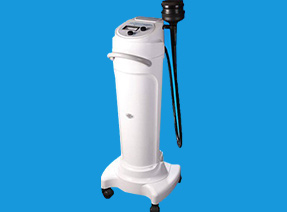
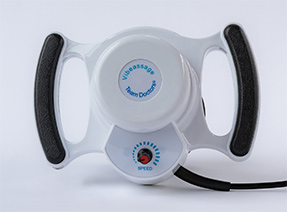
These patterns also influence public conversations about TOS. Some online groups restrict the discussion of non-surgical options. Posts describing relief from conservative strategies or tools like the Vibeassage®, Vibeassage® Sport, Vibeassage® Pro, or the TDX3 soft-as-the-hand Biomimetic Applicator Pad are sometimes removed. This limits open discussion and reinforces a single narrative around surgical intervention.
Educational resources and non-invasive perspectives are essential. People deserve access to information about biomechanics, posture, scalene muscle tension, pectoral tightness, first rib mobility, and other factors that often mimic or contribute to TOS-like symptoms. Understanding these elements helps individuals interpret their experiences more accurately.
A key point is that not all surgeons behave unethically. Many provide excellent care. The problem lies not with individual clinicians but with systemic incentives that shape patterns of diagnosis and treatment. Awareness empowers patients to ask meaningful questions and to seek opinions grounded in anatomy, movement, and real clinical examination.
Before accepting a major recommendation such as cervical fusion, individuals should understand how diagnoses are formed and what alternative explanations may exist. A clear, unbiased evaluation is essential for making informed decisions.
By learning how financial structures influence medical labeling and treatment pathways, people can better navigate the complex landscape surrounding Thoracic Outlet Syndrome and related conditions.
Team Doctors Resources
✓ Check out the Team Doctors Recovery Tools
The Vibeassage Sport and the Vibeassage Pro featuring the TDX3 soft-as-the-hand Biomimetic Applicator Pad
https://www.teamdoctors.com
✓ Get Dr. Stoxen’s #1 International Bestselling Books
Learn how to understand, examine, and reverse your TOS—without surgery.
https://drstoxen.com/1-international-best-selling-author
✓ Check out Team Doctors Online Courses
Step-by-step video lessons, demonstrations, and self-treatment strategies.
https://teamdoctorsacademy.com
✓ Schedule a Free Phone Consultation With Dr. Stoxen
Speak directly with him so he can review your case and guide you on your next steps.
https://drstoxen.com/appointment
#thoracicoutletsyndrome #tosawareness #cervicalfusion #microdiscectomy #nervecompression #vascularcompression #brachialplexus #posturemechanics #medicalincentives #spinesurgery #chronicpain #scalenetension #firstrib #neckalignment #rightingreflex #teamdoctors #vibeassage #drstoxen #toseducation #failedsurgery
References
[1] Hilibrand, Alan S., and Todd J. Robbins. “Adjacent Segment Degeneration and Adjacent Segment Disease: The Consequence of Spinal Fusion?” The Spine Journal 4, no. 6 (2004): 190S–194S. https://doi.org/10.1016/j.spinee.2004.07.007
[2] Sanders, Richard J., and Neal M. Rao. “Thoracic Outlet Syndrome: A Review.” Neurologic Clinics 41, no. 1 (2023): 123–143. https://doi.org/10.1016/j.ncl.2022.09.008
[3] Illig, Karl A., et al. “Thoracic Outlet Syndrome.” Journal of Vascular Surgery 49, no. 1 (2009): 152–163. https://doi.org/10.1016/j.jvs.2008.08.023
[4] Kuhn, John E., et al. “Clinical Examination of the Shoulder.” Journal of Bone and Joint Surgery 91, no. 2 (2009): 257–269. https://doi.org/10.2106/JBJS.H.00004

Dr James Stoxen DC., FSSEMM (hon) He is the president of Team Doctors®, Treatment and Training Center Chicago, one of the most recognized treatment centers in the world.
Dr Stoxen is a #1 International Bestselling Author of the book, The Human Spring Approach to Thoracic Outlet Syndrome. He has lectured at more than 20 medical conferences on his Human Spring Approach to Thoracic Outlet Syndrome and asked to publish his research on this approach to treating thoracic outlet syndrome in over 30 peer review medical journals.
He has been asked to submit his other research on the human spring approach to treatment, training and prevention in over 150 peer review medical journals. He serves as the Editor-in-Chief, Journal of Orthopedic Science and Research, Executive Editor or the Journal of Trauma and Acute Care, Chief Editor, Advances in Orthopedics and Sports Medicine Journal and editorial board for over 35 peer review medical journals.
He is a much sought-after speaker. He has given over 1000 live presentations and lectured at over 70 medical conferences to over 50,000 doctors in more than 20 countries. He has been invited to speak at over 300 medical conferences which includes invitations as the keynote speaker at over 50 medical conferences.
After his groundbreaking lecture on the Integrated Spring-Mass Model at the World Congress of Sports and Exercise Medicine he was presented with an Honorary Fellowship Award by a member of the royal family, the Sultan of Pahang, for his distinguished research and contributions to the advancement of Sports and Exercise Medicine on an International level. He was inducted into the National Fitness Hall of Fame in 2008 and the Personal Trainers Hall of Fame in 2012.
Dr Stoxen has a big reputation in the entertainment industry working as a doctor for over 150 tours of elite entertainers, caring for over 1000 top celebrity entertainers and their handlers. Anthony Field or the popular children’s entertainment group, The Wiggles, wrote a book, How I Got My Wiggle Back detailing his struggles with chronic pain and clinical depression he struggled with for years. Dr Stoxen is proud to be able to assist him.
Full Bio) Dr Stoxen can be reached directly at teamdoctors@aol.com