How a Assignment with the Wiggles Tour Helped Inspire a Second Important Reason to Reduce Inflammation – Depression
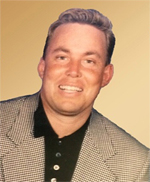
Many people first heard about Anthony Field through The Wiggles.
If you have ever seen The Wiggles, you know they are one of the most famous groups in the world for children’s music and kids entertainment. They started in Wiggles Australia, and over time they became a global name. The group is often called the Wiggles band, and Anthony is known as the Blue Wiggle.
Along with Anthony Field, the original group included Greg Page, Murray Cook, and Jeff Fatt. These men are often called the Wiggles founders. Together, they built something much bigger than just a band. They created a world full of songs, stories, and characters that children all over the world love.
Most parents recognize the Wiggles songs right away. Songs like Fruit Salad Yummy Yummy, Hot Potato, and Big Red Car became part of family life in many homes. Kids also fell in love with characters like Dorothy the Dinosaur, Captain Feathersword, Wags the Dog, and Henry the Octopus.
Over the years, there were many new faces too, including Emma Wiggle. The group made countless Wiggles albums, ran a long-running Wiggles TV show, sold Wiggles merchandise, and performed in packed Wiggles concerts, Wiggles live shows, and worldwide Wiggles tour events.
Today, when people talk about the Wiggles history and the Wiggles legacy, they are talking about one of the most successful children’s groups of all time.
But what most fans never saw was what was happening backstage.
Life Behind the Curtain
Performing may look easy from the audience. But behind the scenes, touring is hard work. Traveling, lifting equipment, repeating the same movements, and performing high-energy shows again and again can put a lot of stress on the body.
This is true for many elite performers, musicians, and stage professionals. Over time, many deal with discomfort, stiffness, and movement problems. This is part of the hidden world of performance health, stage performance, and endurance touring.
This is also where the idea of backstage medicine and the role of a tour doctor comes in. The goal is not to make medical promises, but to help performers support their bodies, keep moving well, and stay as comfortable and functional as possible while doing very demanding work.
In this world, issues like musician injury, musculoskeletal recovery, and general rehabilitation breakthrough stories are common topics of conversation.
And this is where Dr. James Stoxen’s story with Anthony Field begins.
Meeting Anthony Field Backstage
When Dr. Stoxen first met Anthony Field, Anthony had already talked publicly about his struggles. He had spoken on television and in his own book about dealing with long-term pain and emotional stress. Because he shared this story himself, it is part of the public record.
At that time, Anthony’s routine was simple, but not easy.
He told Dr. Stoxen something like this:
“Just set your table next to the stage. I’ll need work before the show. My back will probably tighten up during the show, so I’ll need help again. Then again after the show. Then again before the second show. Then again after that.”
This was his normal.
This kind of cycle is something many performers quietly accept. They just try to get through the show.
This is also where ideas like pain-free performance, performer longevity, and tour healthcare start to matter—not as promises, but as goals people hope for.
A Different Way of Looking at the Body
Instead of only thinking about quick, short-term relief, Dr. Stoxen was already working with a different idea. He calls it the human spring system.
The basic idea is simple and easy to understand:
The human body is not just a stack of rigid parts. It is more like a system of living springs. These springs help us store energy, release energy, absorb shock, and move smoothly.
When these “springs” become stiff, overloaded, or irritated, movement becomes harder and more stressful.
This is where ideas like functional biomechanics, movement restoration, gait analysis, and spinal health come in. They are not about making medical claims. They are about understanding how the body moves and how stress builds up over time.
Dr. Stoxen also pays a lot of attention to inflammation reduction, not as a cure, but as a way to support comfort, mobility, and daily function.
Watching How Someone Walks
When Anthony walked up to him, Dr. Stoxen didn’t start with machines or tests. He simply watched him walk.
This is part of gait analysis—observing how the body moves in real life.
Based on how Anthony walked, Dr. Stoxen said something like:
“You probably have stress or discomfort in your right foot, your right knee, and your right hip.”
Anthony was surprised. He said, “How do you know that?”
The answer was simple: movement patterns often tell a story.
When one part of the body is under strain, other parts often work harder to make up for it.
This is part of how nerve compression relief, holistic treatment, and performance optimization are approached in Dr. Stoxen’s educational model—not as promises, but as goals for better balance and movement.
A Different Kind of Session
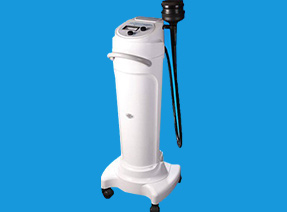
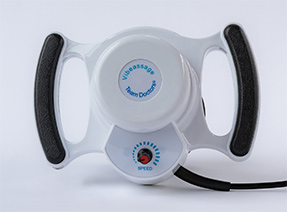
Instead of doing what Anthony expected, Dr. Stoxen used vibration therapy with a device called the Vibeassage.
Today, people may also hear about the Vibeassage Pro and Vibeassage Sport. These are tools designed for self-massage and muscle relaxation at home. They are not medical devices for treating disease. They are wellness tools meant to support comfort, relaxation, and movement.
Dr. Stoxen worked with Anthony using this approach for about an hour and a half at first. Over the next two days, the total time added up to several hours.
And something important happened:
He did not do what Anthony expected.
No “crack.” No quick fix.
Anthony was not happy at first.
Then Something Interesting Happened
When Anthony stood up, he was still annoyed.
But as he started moving around backstage, he noticed something.
He could move more freely.
He started joking around and doing little dance moves.
Then he stopped and said something like:
“My back feels completely different. What did you do?”
The answer was simple and honest:
The goal was not to “fix” anything. The goal was to support the body, reduce overload, and help the human spring system move more freely by addressing tension and irritation.
This is the heart of non-surgical pain relief as a concept—not a promise, not a cure, but a supportive, conservative, movement-based approach.
More Than Just Physical
Over time, Anthony continued to work with Dr. Stoxen during tours. Dr. Stoxen traveled with the group to different cities and helped support many performers.
Anthony later shared publicly that for many years he felt better not just physically, but also emotionally. He talked about being free from the heavy feelings that had followed him for a long time.
This is where terms like depression recovery and anxiety relief must be used very carefully.
No device, no method, and no person can claim to treat or cure these conditions.
But it is very well known that when people move better, sleep better, and feel less physical stress, their quality of life can improve.
That is the context in which these words are used here.
What This Story Really Teaches
This story is not about miracles.
It is not about promises.
It is about a change in perspective.
It is about looking at the body as a living, moving system instead of a collection of parts.
It is about supporting:
- Spinal health
- Functional biomechanics
- Movement restoration
- Performance health
- Performer longevity
And doing it in a safe, conservative, supportive way.
From Celebrity Patients to Everyday People
Over the years, Dr. Stoxen has worked with many celebrity patients and performers. But the same ideas are meant for everyday people too.
The tools and ideas—like the Vibeassage, Vibeassage Pro, and Vibeassage Sport—are meant to help people take part in their own daily body care routines in a simple, non-invasive way.
They are not treatments. They are self-care and wellness tools.
Where This Leads Next
The experience with Anthony Field and The Wiggles helped shape a whole way of thinking about the body, movement, and long-term function.
It helped form what Dr. Stoxen now calls the human spring system approach.
What the “Human Spring System” Means in Simple Words
To understand Dr. James Stoxen’s work, you first need to understand a very simple idea:
Your body is not built like a machine made of stiff metal parts.
Your body is built more like a system of living springs.
Dr. Stoxen calls this the human spring system.
A spring has three main jobs:
- It stores energy
- It releases energy
- It absorbs shock
Your body does all three every time you walk, bend, reach, or turn.
When you walk, your feet, legs, hips, spine, and even your shoulders gently load and unload like springs. This is part of functional biomechanics—a big phrase that simply means “how your body moves in real life.”
Why Movement Is Meant to Be Easy
In a healthy body, movement is smooth and efficient.
You don’t have to think about every step.
You don’t have to brace or tighten everything.
Your body just moves.
This is what people mean when they talk about movement restoration and spinal health—not as medical treatment, but as a return to easier, more natural movement.
But over time, many things can interfere with this:
- Too much sitting
- Too little movement in different directions
- Repeating the same motions every day
- Stress and tension
- Old injuries
- Long travel and long workdays
This is especially true for elite performers, touring musicians, and people involved in stage performance and endurance touring, like members of The Wiggles and other traveling shows.
How Overload Builds Up in the Body
When the body is used the same way over and over, some areas start doing too much work.
Other areas start doing too little.
This creates imbalance.
Over time, the “springs” in the body don’t bounce as easily. They start to feel stiff, tight, or sore.
This is where ideas like inflammation reduction and musculoskeletal recovery come in—not as medical claims, but as ways to describe helping the body calm down and move more comfortably again.
When tissues stay irritated for too long, the body often starts to protect itself by tightening muscles. This can change posture and movement patterns.
Those changes can sometimes increase pressure in certain areas. This is why people talk about nerve compression relief and holistic treatment—not as cures, but as goals for improving overall comfort and movement balance.
Why How You Walk Matters
One of the easiest ways to see how the body is working is to watch how someone walks.
This is called gait analysis.
You don’t need fancy machines to learn a lot. Sometimes just watching is enough.
If someone limps, shifts their weight, or moves stiffly, it often means one part of the body is working harder to protect another part.
That is exactly what happened when Dr. Stoxen first watched Anthony Field walk backstage during a Wiggles tour.
Anthony was known around the world as part of The Wiggles, the famous Wiggles band from Wiggles Australia, loved for children’s music and kids entertainment.
Fans knew him as the Blue Wiggle, performing songs like Fruit Salad Yummy Yummy, Hot Potato, and Big Red Car, alongside Greg Page, Murray Cook, and Jeff Fatt.
But behind the scenes, his body was under a lot of stress.
The Body Works as a Chain
Your foot affects your knee.
Your knee affects your hip.
Your hip affects your spine.
Your spine affects your shoulders and neck.
Nothing works alone.
This is a key idea in functional biomechanics and movement restoration.
When one part of the chain is not moving well, other parts have to work harder. Over time, this can lead to more stiffness and discomfort.
This is why Dr. Stoxen did not just look at Anthony’s back. He looked at how his whole body moved.
A Gentle Way to Support the Body
Instead of forcing the body or trying to “push through” tight areas, Dr. Stoxen uses gentle tools and methods to encourage the body to relax and move more easily.
One of these tools is vibration therapy using devices like the Vibeassage, Vibeassage Pro, and Vibeassage Sport.
These are not medical treatment devices.
They are self-massage and wellness tools designed to help:
- Relax tight muscles
- Improve comfort
- Support daily movement
- Encourage body awareness
Many people use similar tools at home as part of simple self-care routines, just like stretching or using a foam roller.
Why Relaxing Muscles Matters
When muscles stay tight for too long, they can make joints move less freely.
When joints move less freely, the “spring system” of the body does not work as well.
This can make movement feel heavier and more tiring.
Supporting relaxation and comfort is one way to support:
- Performance health
- Performer longevity
- Performance optimization
Again, these are not promises. They are goals.
From Performers to Everyday People
Dr. Stoxen has worked with many celebrity patients, musicians, and performers as part of tour healthcare.
But the same ideas apply to everyone:
- Office workers
- Parents
- Teachers
- Tradespeople
- Retired people
- Anyone who wants to move more easily
You do not need to be on a Wiggles tour or doing Wiggles live shows to benefit from better movement habits.
The Bigger Picture: Body and Mind
It is well known that long-term physical stress can affect how people feel emotionally.
This is why people often talk about anxiety relief and depression recovery when discussing overall wellness.
To be very clear:
No device and no method here claims to treat or cure anxiety or depression.
But many people notice that when their bodies feel less tense and they move more easily, their mood, sleep, and energy often improve too.
This is part of looking at the person as a whole, which is sometimes called a holistic treatment approach.
Why This Is a “Non-Surgical” Philosophy
Dr. Stoxen’s work fits into what many people call non-surgical pain relief.
That does not mean it replaces doctors or medical care.
It means:
- Starting with conservative
- Low-risk
- Self-care and movement-based ideas
The goal is to support the body’s natural movement and comfort before considering more aggressive options.
The Real Lesson from the Wiggles Story
The story of Anthony Field and The Wiggles is not really about fame.
It is about learning to see the body differently.
It is about understanding that:
- The body is a system, not a pile of parts
- Movement patterns matter
- Gentle, regular care adds up over time
- Small daily habits can make a big difference
This way of thinking grew from years of working with performers, musicians, and everyday people.
It is part of what people now call a rehabilitation breakthrough in thinking—not because it is magic, but because it changes how we look at the problem.
How Modern Life Slowly Stiffens the Human Spring System
Most people are not injured in one big accident.
Instead, their bodies slowly change over time.
Think about modern life:
- Sitting for long hours
- Looking down at phones and screens
- Driving a lot
- Repeating the same movements at work
- Not moving in many different ways
All of this slowly teaches the body to move less.
When the body moves less, the “spring system” of the body starts to lose its bounce.
This is true for office workers, parents, and also for elite performers who do a lot of stage performance and endurance touring—like the performers in The Wiggles and other touring shows.
Even though audiences see fun, energy, and smiles at Wiggles concerts, Wiggles live shows, and during a Wiggles tour, the physical work behind the scenes is very real.
The Hidden Work of Performing
Members of the Wiggles band—from Anthony Field (the Blue Wiggle) to Greg Page, Murray Cook, Jeff Fatt, and later performers like Emma Wiggle—had to do the same songs and movements again and again.
Songs like Fruit Salad Yummy Yummy, Hot Potato, and Big Red Car look simple, but doing them hundreds of times on tour is demanding.
Add travel, different beds, long days, and stress, and you can see why musician injury, stiffness, and general wear and tear are common topics in performance health and tour healthcare.
This is not just part of Wiggles history or the Wiggles legacy. It is true for almost every touring group in children’s music and kids entertainment.
How Small Problems Add Up
When one part of the body gets tight, another part starts to work harder.
When that part works harder, it gets tired or sore.
Then another part starts helping.
This is how the body slowly changes its movement patterns.
This is why gait analysis and functional biomechanics matter. They help us understand how the body adapts and compensates.
Over time, these changes can make the body feel:
- Heavy
- Stiff
- Less flexible
- Easier to irritate
This is where people start talking about inflammation reduction, musculoskeletal recovery, and movement restoration—not as treatments, but as goals for getting back to easier movement.
The Body Is Always Adapting
Your body is very smart.
If something hurts or feels stressed, it tries to protect you.
It does this by tightening muscles and changing how you move.
That protection is useful in the short term.
But if it stays for months or years, it can make the “spring system” of the body less flexible.
This can sometimes increase pressure in certain areas, which is why people talk about nerve compression relief and holistic treatment in a general wellness sense.
Again, these are not medical claims. They are ways of describing comfort, balance, and easier movement.
Simple Daily Support Instead of Big Interventions
Dr. James Stoxen’s approach fits into what many people call non-surgical pain relief.
That does not mean avoiding doctors.
It means starting with:
- Simple movement
- Gentle self-care
- Good daily habits
- Low-risk tools
The goal is to support the body instead of fighting it.
Using Simple Tools at Home
One of the tools Dr. Stoxen often teaches people to use is vibration therapy with devices like the Vibeassage, Vibeassage Pro, and Vibeassage Sport.
These are:
- Not medical treatment devices
- Not cure devices
- Not replacements for healthcare
They are self-massage and wellness tools meant to be used at home to:
- Relax tight areas
- Support daily comfort
- Help you become more aware of your body
- Encourage regular self-care
Many people use them the same way they use stretching, walking, or gentle exercise.
How a Simple Routine Might Look
A simple daily routine might include:
- A short walk
- Light stretching
- A few minutes of gentle self-massage with a Vibeassage Pro or Vibeassage Sport
- Paying attention to posture and breathing
This kind of routine is not about “fixing” anything.
It is about maintaining your body the way you maintain your car, your teeth, or your home.
Small, regular care adds up.
Why This Matters for Long-Term Movement
People who move more easily often find it easier to:
- Stay active
- Do the things they enjoy
- Travel
- Work
- Play with their kids or grandkids
This is what people mean when they talk about performer longevity, performance optimization, and pain-free performance—not as guarantees, but as hopes and goals.
This is true for famous performers and for everyday people.
From Celebrity Patients to Normal Families
Over the years, Dr. Stoxen has worked with many celebrity patients and touring performers as part of tour healthcare.
But most people using these ideas today are just regular people who want to:
- Feel less stiff
- Move more easily
- Take better care of their bodies
They are not trying to be stars.
They are trying to live normal, active lives.
The Mind and the Body Are Connected
It is also widely known that physical stress and tension can affect how people feel emotionally.
This is why people often use phrases like anxiety relief and depression recovery in wellness conversations.
To be clear:
No tool and no routine here claims to treat or cure mental health conditions.
But many people notice that when their bodies feel calmer and move better, their sleep, mood, and energy often improve too.
That is part of looking at the whole person, not just one body part.
Why This Approach Is Gentle and Conservative
Dr. Stoxen’s work is built around:
- Education
- Self-awareness
- Safe, conservative habits
- Supporting the human spring system instead of forcing it
This fits into a broader idea of holistic treatment and non-surgical pain relief—always as support, never as replacement for proper medical care.
The Wiggles Story Comes Back Again
The story of Anthony Field and The Wiggles is a great example of how:
- Repetitive work stresses the body
- Small changes can make a big difference
- Supporting the whole system works better than chasing one sore spot
That story is part of Wiggles history, but the lesson applies to everyone.
A New Way to Think About Your Body, Your Movement, and Your Future
By now, you can see that this story is not really about fame.
It is not really about The Wiggles, Anthony Field, or even the Wiggles band, though their story is an important part of Wiggles history and the Wiggles legacy.
It is really about a new way of thinking about the human body.
Dr. James Stoxen calls this way of thinking the human spring system.
Your Body Is Not a Machine
Many people think of the body like a machine made of hard parts.
But the body works more like a system of living springs.
These springs help you:
- Absorb shock
- Store energy
- Release energy
- Move smoothly and easily
This is the simple idea behind functional biomechanics and movement restoration.
When the springs of the body move well, everyday life feels easier.
When they get stiff and overloaded, everything feels harder.
Why This Matters in Real Life
This matters if you are:
- A parent
- A worker
- A traveler
- A retiree
- A performer
- Or someone who just wants to stay active
It matters for elite performers doing stage performance and endurance touring, and it matters for people who just want to walk, garden, or play with their kids.
It is why ideas like spinal health, performance health, and musculoskeletal recovery are really about how you live your daily life, not just about fixing problems.
The Lesson from the Wiggles Story
The story of Anthony Field, the Blue Wiggle, and The Wiggles shows us something important.
The group—founded by Greg Page, Murray Cook, Jeff Fatt, and Anthony—became famous for children’s music and kids entertainment. They created beloved songs like Fruit Salad Yummy Yummy, Hot Potato, and Big Red Car, and characters like Dorothy the Dinosaur, Captain Feathersword, Wags the Dog, and Henry the Octopus.
They made many Wiggles albums, starred in the Wiggles TV show, sold Wiggles merchandise, and performed in countless Wiggles concerts, Wiggles live shows, and on every Wiggles tour.
They built something lasting. That is the Wiggles legacy.
But behind the fun, the work was physically demanding.
Like many performers, Anthony dealt with the hidden cost of performing.
His story helped show that the body needs support, not just quick fixes.
From Backstage to Everyday Life
What started as backstage medicine, tour healthcare, and work as a tour doctor with performers turned into a bigger idea that applies to everyone.
Dr. Stoxen’s goal was never to chase pain from one place to another.
It was to support the whole system.
That is why he looks at gait analysis, posture, and overall movement patterns instead of only one sore spot.
This is part of holistic treatment thinking—not as medical care, but as whole-person support.
Where Tools Fit In
Tools like vibration therapy devices — the Vibeassage, Vibeassage Pro, and Vibeassage Sport — are part of this picture.
They are:
- Not medical devices for treating disease
- Not cures
- Not replacements for doctors
They are self-care and wellness tools designed to help people:
- Relax tight areas
- Support daily comfort
- Build simple routines
- Pay attention to their bodies
Used gently and safely, they can be part of a daily habit, just like stretching or walking.
Small Habits, Big Long-Term Effects
This approach is not about big, dramatic changes.
It is about:
- Small daily habits
- Simple movement
- Gentle self-care
- Consistency over time
This is how people work toward goals like:
- Performer longevity
- Performance optimization
- Pain-free performance
- Better everyday movement and comfort
Again, these are goals, not promises.
The Mind and the Body Together
People often notice that when their bodies feel less tense and move better, they also:
- Sleep better
- Feel calmer
- Have more energy
This is why you hear phrases like anxiety relief and depression recovery in wellness conversations.
To be clear and responsible:
Nothing here claims to treat or cure mental health conditions.
But supporting the body often supports the whole person.
A Conservative, Non-Surgical Philosophy
Dr. Stoxen’s work fits into what many people call non-surgical pain relief.
That means:
- Starting with safe, low-risk ideas
- Using education and self-care
- Supporting the body instead of forcing it
- Working alongside proper medical care, not against it
It is about giving people tools and understanding, not making promises.
Taking Ownership of Your Body
One of the most important ideas in the Human Spring approach is this:
Your body belongs to you.
Your daily habits matter more than any one session or any one tool.
Learning how your body moves, how it reacts to stress, and how to care for it gently is a lifelong skill.
From Celebrity Patients to You
Dr. Stoxen has worked with many celebrity patients, musicians, and performers.
But this approach is not just for famous people.
It is for:
- Office workers
- Parents
- Grandparents
- Athletes
- Anyone who wants to keep moving well
The same simple ideas apply to everyone.
What This Whole Story Is Really About
This is not a story about:
- Magic fixes
- Miracles
- Or shortcuts
It is a story about:
- Understanding the body
- Respecting how it is designed to move
- Supporting the human spring system
- And building better daily habits over time
A Final Thought
The story that started with Anthony Field and The Wiggles is really a story about possibility.
Not the promise of perfection.
But the possibility of moving better, feeling better, and living better by working with your body instead of fighting it.
That is the heart of Dr. James Stoxen’s Human Spring approach.
Important Reminder
This article is for education only.
It does not diagnose, treat, cure, or prevent any disease.
Always talk to your healthcare professional about your own health needs.
Team Doctors Resources
✓ Check out the Team Doctors Recovery Tools
The Vibeassage Sport and the Vibeassage Pro featuring the TDX3 soft-as-the-hand Biomimetic Applicator Pad
https://www.teamdoctors.com/
✓ Get Dr. Stoxen’s #1 International Bestselling Books
Learn how to understand, examine, and reverse your TOS—without surgery.
https://drstoxen.com/1-international-best-selling-author/
✓ Check out Team Doctors Online Courses
Step-by-step video lessons, demonstrations, and self-treatment strategies.
https://teamdoctorsacademy.com/
✓ Schedule a Free Phone Consultation With Dr. Stoxen
Speak directly with him so he can review your case and guide you on your next steps.
https://drstoxen.com/appointment/
#ThoracicOutletSyndrome #HumanSpring #BodyAsASystem #Biomechanics #MovementMatters #EnergySystem #PainMechanics #FunctionalMovement #PostureRestoration #SpringSystem #RehabScience #InjuryRecovery #ChronicPainHelp #PainEducation #BodyEngineering
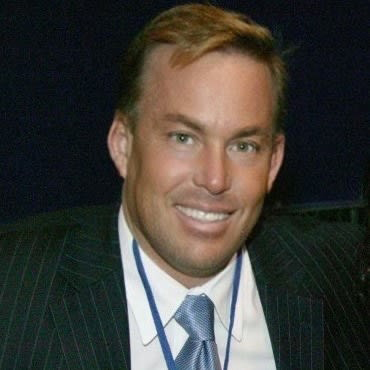
Dr James Stoxen DC., FSSEMM (hon) He is the president of Team Doctors®, Treatment and Training Center Chicago, one of the most recognized treatment centers in the world.
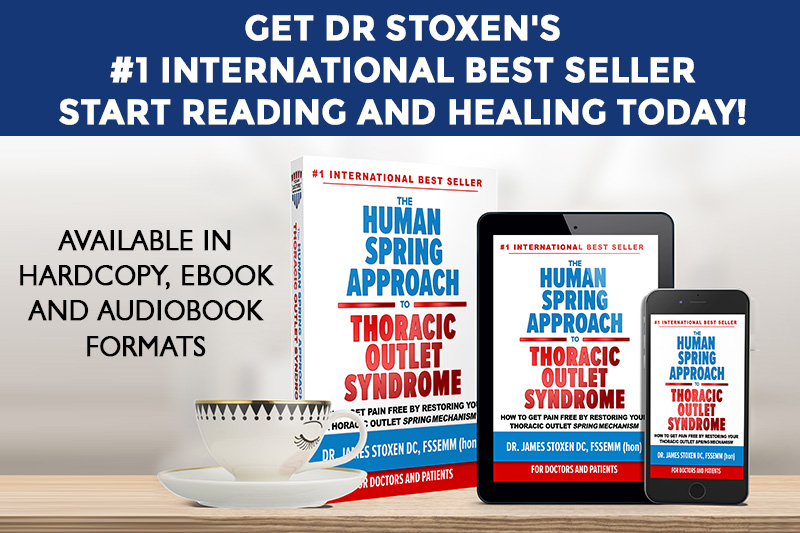
Dr Stoxen is a #1 International Bestselling Author of the book, The Human Spring Approach to Thoracic Outlet Syndrome. He has lectured at more than 20 medical conferences on his Human Spring Approach to Thoracic Outlet Syndrome and asked to publish his research on this approach to treating thoracic outlet syndrome in over 30 peer review medical journals.
He has been asked to submit his other research on the human spring approach to treatment, training and prevention in over 150 peer review medical journals. He serves as the Editor-in-Chief, Journal of Orthopedic Science and Research, Executive Editor or the Journal of Trauma and Acute Care, Chief Editor, Advances in Orthopedics and Sports Medicine Journal and editorial board for over 35 peer review medical journals.
He is a much sought-after speaker. He has given over 1000 live presentations and lectured at over 70 medical conferences to over 50,000 doctors in more than 20 countries. He has been invited to speak at over 300 medical conferences which includes invitations as the keynote speaker at over 50 medical conferences.
After his groundbreaking lecture on the Integrated Spring-Mass Model at the World Congress of Sports and Exercise Medicine he was presented with an Honorary Fellowship Award by a member of the royal family, the Sultan of Pahang, for his distinguished research and contributions to the advancement of Sports and Exercise Medicine on an International level. He was inducted into the National Fitness Hall of Fame in 2008 and the Personal Trainers Hall of Fame in 2012.
Dr Stoxen has a big reputation in the entertainment industry working as a doctor for over 150 tours of elite entertainers, caring for over 1000 top celebrity entertainers and their handlers. Anthony Field or the popular children’s entertainment group, The Wiggles, wrote a book, How I Got My Wiggle Back detailing his struggles with chronic pain and clinical depression he struggled with for years. Dr Stoxen is proud to be able to assist him.
Full Bio) Dr Stoxen can be reached directly at teamdoctors@aol.com