Your Body Is Not a Machine — It Is a Living Spring
Most people grow up thinking of the human body like a machine. If something hurts, you assume a part is “broken.” If something feels weak, you assume it is “worn out.” And if something keeps hurting, you may start to think that this is just how life is now.
Dr. James Stoxen learned, after decades of working with patients, athletes, and everyday people, that this way of thinking misses something very important.
Your body is not a machine.
Your body is more like a living spring.
A spring is not stiff. A spring is not rigid. A spring is meant to bend, store energy, release energy, and return to its shape again and again. When a spring is healthy, it moves easily. When a spring is overloaded or stuck, it becomes stiff, painful, and inefficient.
Dr. Stoxen calls this way of understanding the body the Human Spring Approach.
It is not a treatment. It is not a diagnosis. It is a way of understanding how the body works, how it adapts, and how stress, tension, and inflammation slowly change the way you move, feel, and function.
And here is where something very important comes in.
Many people think that pain is just pain, and mood problems are just “in the head.” But in real life, the body and the mind are deeply connected.
Over time, Dr. Stoxen noticed something surprising.
People who had long-term physical tension, stiffness, and inflammation often also had depression, anxiety and depression, fatigue and depression, sleep disturbance, and even brain fog.
Some had been told they had major depressive disorder, clinical depression, or a mood disorder. Some described chronic sadness, low mood, or emotional numbness. Others talked about loss of motivation, hopelessness, anhedonia, or irritability.
Some were simply exhausted all the time and called it chronic fatigue, mental exhaustion, or emotional exhaustion. Others described low energy, mood instability, or burnout.
Many were living under chronic stress, sleep deprivation, or long periods of stress and depression.
Some had been told they were having a depressive episode, persistent depressive disorder, seasonal affective disorder, or even treatment-resistant depression.
And almost all of them felt some kind of emotional distress, loss of interest, or mood changes that they could not fully explain.
They often believed these problems came only from life stress, bad luck, or personal weakness.
But Dr. Stoxen kept seeing a pattern.
The body came first.
Then the nervous system changed.
Then the mood followed.
In many cases, this was not just “in the head.” It was happening in the body.
This is where ideas like inflammation and depression, neuroinflammation, nervous system dysregulation, cognitive dysfunction, depressive symptoms, and even low serotonin start to make more sense.
Not as labels.
Not as blame.
But as signals.
Signals that the system is under too much stress for too long.
The Clinical Insight That Changed Everything
Dr. Stoxen often tells patients something that surprises them:
“With this amount of inflammation in your body, you should have depression. You should have anxiety. You should be having trouble sleeping. You should be having problems in your relationships.”
Most patients look at him and say, “Yeah… I do.”
And here’s the interesting part: if he doesn’t bring it up, many of them would never say anything.
They think, “You’re a musculoskeletal doctor, not a psychiatrist. That’s brain stuff. That’s emotional stuff.”
They assume it has nothing to do with their body.
They often think, “Maybe I’m depressed because I’m unhappy about something in my life.”
But in many cases, it’s not only psychological.
It’s chemical.
It’s driven by long-standing physical stress and inflammation in the body.
The same inflammatory processes that irritate nerves, tighten muscles, and compress joints can also affect sleep, mood, motivation, focus, and emotional resilience.
In other words, for many people, problems with mental health do not start in the mind alone.
They start in the body.
This does not mean emotions are fake.
This does not mean life stress does not matter.
This does not mean anyone is broken.
It means the whole system is involved.
The Body Under Load
Imagine carrying a heavy backpack every day.
At first, you manage.
After a while, your shoulders get tight.
Then your neck stiffens.
Then your back starts to ache.
Eventually, you are tired all the time.
Your muscles stay tense.
Your breathing becomes shallow.
Your sleep gets worse.
Your energy drops.
Now imagine that instead of a backpack, this load is coming from:
- Old injuries
- Poor movement habits
- Too much sitting
- Too much stress
- Too little recovery
- Or years of pushing through pain
The body adapts by tightening.
Muscles don’t relax the way they used to.
Joints don’t move the way they used to.
The “springiness” of the body slowly fades.
This is not a failure.
It is a survival response.
But survival mode is expensive.
It costs energy.
It stresses the nervous system.
It changes circulation.
It changes breathing.
It changes sleep.
Over time, this state can be associated with depressive fatigue, mental exhaustion, low energy, and emotional exhaustion.
Some people describe it as brain fog or cognitive dysfunction.
Some feel emotionally flat, like emotional numbness.
Some feel constantly overwhelmed and call it burnout.
Some notice mood instability or mood changes that don’t seem to match their life situation.
Again, this is not a diagnosis.
It is an observation of how stress loads the human spring.
The Human Spring Idea
Dr. Stoxen’s Human Spring Approach is based on a simple idea:
Your body is designed to store and release energy, not to grind itself down.
Your feet, legs, hips, spine, shoulders, and neck all act like parts of a spring system. When this system is working well, movement feels lighter, smoother, and easier.
When this system is overloaded or stiffened, movement becomes heavy, effortful, and tiring.
The body then starts using more muscle effort instead of elastic energy.
This means:
- You get tired faster
- You feel stiffer
- You recover slower
- You carry more tension all the time
And when the body stays in that state long enough, the nervous system may also stay in a higher stress mode.
This is where ideas like nervous system dysregulation start to appear in real life, not just in textbooks.
Again, this does not mean “you are broken.”
It means your system has been working too hard for too long.
The Mood Connection
Modern science increasingly talks about things like inflammation and mood disorders, inflammation and depression, and neuroinflammation.
This does not mean that every emotional problem comes from the body.
It means the body can contribute more than most people realize.
Long-lasting physical stress is not quiet.
It sends signals.
It changes chemistry.
It changes how safe or threatened the nervous system feels.
Over time, some people experience:
- Depressive symptoms
- Chronic sadness
- Low mood
- Loss of interest
- Hopelessness
- Irritability
- Anxiety and depression together
- Sleep disturbance
- Sleep deprivation
- Fatigue and depression
Some are told they have persistent depressive disorder.
Some are told they have major depressive disorder.
Some are told they have clinical depression or a mood disorder.
Some are told their condition is treatment-resistant depression, which can be especially discouraging.
This article is not here to diagnose, treat, or replace medical care.
It is here to explain something many people are never told:
The physical state of your body and the mechanical stress on your system can influence how your brain and nervous system behave.
That includes things like low serotonin, stress chemistry, and energy regulation.
Where the Vibeassage Fits In
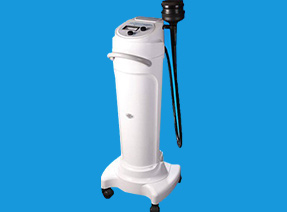
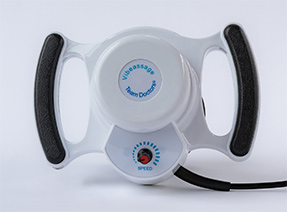
Dr. Stoxen uses tools like the Vibeassage Pro and Vibeassage Sport as self-care tools for patients.
They are not medical cures.
They do not diagnose anything.
They do not “fix” diseases.
They are tools for working with the body — especially tight, tired, overworked tissues.
Many people use them the same way they would use:
- Stretching
- Gentle movement
- Heat
- Or massage
The idea is simple: help the body relax tension, improve comfort, and make it easier for the system to settle down.
When the body feels safer and less guarded, the nervous system often follows.
Not always.
Not instantly.
Not as a medical claim.
But as a reasonable, supportive part of self-care.
A Different Way to Think About Yourself
If you are struggling with pain, stiffness, fatigue, or mood changes, this perspective offers something very important:
It removes blame.
You are not weak.
You are not broken.
You are not failing.
You are a human spring under load.
And springs under load don’t need shame.
They need smart, patient, respectful care.
How the Body Slowly Slips Into Survival Mode
Most people do not wake up one day with a body that feels stiff, heavy, tired, and overwhelmed.
It happens slowly.
So slowly, in fact, that you often don’t notice the change until one day you realize:
“I don’t remember the last time I felt light, relaxed, and energetic.”
At first, the body is just dealing with normal stress.
A little more sitting.
A little less movement.
A little more pressure at work.
A little less sleep.
Then maybe an old injury never quite feels the same again.
The body adapts.
It tightens muscles to protect joints.
It limits movement to avoid pain.
It holds tension “just in case.”
This is not a mistake.
It is a survival strategy.
But survival strategies are meant to be temporary.
When they become permanent, the whole system begins to change.
The Guarded Body
A guarded body is a body that never fully relaxes.
Even when you lie down.
Even when you try to rest.
Even when you sleep.
Muscles stay partially tight.
Breathing stays a little shallow.
The nervous system stays a little alert.
Over time, this constant guarding costs energy.
People begin to feel low energy, mental exhaustion, or emotional exhaustion without knowing why.
They may describe brain fog or cognitive dysfunction.
They may feel emotionally flat or distant, like emotional numbness.
They may notice mood changes or mood instability that don’t seem to match what is happening in their life.
They may start to lose interest in things they used to enjoy, which doctors call loss of interest or anhedonia.
Some begin to feel chronic sadness, low mood, or hopelessness.
Others feel constantly tense and restless, caught between anxiety and depression.
Many struggle with sleep disturbance or long periods of sleep deprivation, which only makes everything worse.
Again, this article is not diagnosing anything.
It is describing what can happen when the body stays in survival mode for too long.
The Cost of Living in Tension
A body that is always tense is a body that is always spending energy.
It is like keeping your car engine running all night long.
Eventually:
- You run out of fuel
- You wear things down faster
- You stop feeling rested even after sleep
This is one reason people begin to describe chronic fatigue, depressive fatigue, or fatigue and depression together.
It is not just “being tired.”
It is a deeper kind of exhaustion.
Some people call it burnout.
Some call it mental exhaustion.
Some just say, “I’m exhausted all the time.”
At the same time, a guarded, tense body changes how the nervous system behaves.
This is where ideas like nervous system dysregulation start to make sense.
The system is no longer smoothly shifting between activity and rest.
It is stuck in a higher alert state more often than it should be.
Stress, Chemistry, and the Whole System
When the body is under chronic stress, it changes more than posture and muscles.
It changes chemistry.
Modern science talks more and more about inflammation and depression, inflammation and mood disorders, and even neuroinflammation.
Again, this does not mean that emotions are “just chemical.”
It means chemistry and emotion talk to each other.
Long-lasting physical stress can contribute to emotional distress.
Long-lasting emotional stress can contribute to physical tension.
They form a loop.
Over time, some people experience patterns that doctors label as depressive symptoms, depressive episode, persistent depressive disorder, major depressive disorder, or clinical depression.
Some notice their symptoms get worse during certain times of year, which is sometimes called seasonal affective disorder.
Some are told their condition is treatment-resistant depression, which can feel especially discouraging and confusing.
Many are told they have a mood disorder.
This article is not here to argue with any diagnosis.
It is here to add something that is often missing from the conversation:
The mechanical and physical state of your body matters to your nervous system and your mood.
The Human Spring Under Load
In the Human Spring Approach, Dr. Stoxen looks at the body as a system designed to store and release energy, not to stay rigid.
When the “spring system” of the body is working well:
- Movement feels easier
- Posture is more natural
- Muscles don’t have to work as hard
- Breathing is freer
- The nervous system feels safer
When the spring system becomes stiff or blocked:
- Muscles do more work than they should
- Joints move less freely
- The body feels heavier
- Everything takes more effort
This extra effort shows up as low energy, chronic fatigue, and sometimes as mental health struggles that seem to come from nowhere.
Again, this is not saying the body “causes” depression in every case.
It is saying the body can contribute more than most people are told.
The Quiet Build-Up
One of the hardest things about this process is that it happens quietly.
People adapt.
They get used to being stiff.
They get used to being tired.
They get used to not sleeping well.
They get used to feeling a little flat or irritable.
They think:
“This is just aging.”
“This is just stress.”
“This is just life.”
Then one day, they realize they are dealing with:
- Depressive symptoms
- Loss of motivation
- Hopelessness
- Irritability
- Low mood
- Chronic sadness
- Emotional exhaustion
And they don’t know how they got there.
The Body as Part of the Story
In Dr. Stoxen’s experience, many patients feel relief just from understanding this:
“There is a physical story happening in my body, not just an emotional one.”
That does not replace therapy.
That does not replace medical care.
That does not replace proper diagnosis.
It simply widens the picture.
It brings the body back into the conversation about mental health, mood changes, and emotional distress.
Where Gentle Self-Care Fits
This is where tools like the Vibeassage Pro and Vibeassage Sport come in.
They are not treatments for depression.
They are not medical devices for curing disease.
They are not replacements for professional care.
They are self-care tools meant to:
- Help tight tissues feel more relaxed
- Help the body feel more comfortable
- Help the system settle down a little
Just like stretching, gentle movement, or massage, they can be part of a routine that helps the body feel safer and less guarded.
When the body feels safer, the nervous system often becomes less reactive.
Not as a promise.
Not as a guarantee.
But as a reasonable and human response.
A More Compassionate View
One of the most important things about the Human Spring Approach is this:
It replaces blame with understanding.
If you are tired all the time, that does not mean you are lazy.
If you are tense all the time, that does not mean you are weak.
If you are struggling with low energy, mood instability, or emotional exhaustion, that does not mean you are broken.
It may mean your system has been working too hard for too long.
The Nervous System, Sleep, and Why Everything Feels Harder When You’re Tired
One of the most important things Dr. James Stoxen teaches patients is this:
Your body is not just muscles and bones.
It is also a nervous system that is always listening, always adjusting, and always trying to keep you safe.
When the body is moving well and feels supported, the nervous system can relax.
When the body feels threatened, overloaded, or stiff, the nervous system stays more alert.
This is part of normal human design.
But when this alert state lasts too long, people may begin to experience what scientists sometimes call nervous system dysregulation.
This does not mean something is “wrong” with you.
It means your system has been under chronic stress for too long.
The Tired System
A nervous system that never fully relaxes uses more energy all the time.
That energy has to come from somewhere.
This is one reason so many people describe chronic fatigue, depressive fatigue, low energy, or mental exhaustion.
It is not just being sleepy.
It is the feeling that even small tasks take too much effort.
When this continues long enough, many people also notice:
- Brain fog
- Cognitive dysfunction
- Loss of motivation
- Loss of interest
- Emotional exhaustion
Some feel emotionally flat or distant, like emotional numbness.
Some feel more sensitive, more reactive, or more irritable, which shows up as irritability or mood instability.
Some feel sad for no clear reason, describing chronic sadness, low mood, or hopelessness.
Again, this article is not diagnosing anyone.
It is describing what a tired nervous system can feel like.
Sleep Is Not Just Rest
Sleep is when the nervous system does a lot of its repair work.
When sleep is poor or interrupted, the whole system pays a price.
This is why sleep disturbance and sleep deprivation are so strongly connected to both pain and mood problems.
People who do not sleep well often notice:
- More pain
- More tension
- More emotional distress
- Worse mood changes
- Less patience
- Less energy
Over time, poor sleep can make stress and depression feel much heavier and harder to escape.
It can also make anxiety and depression feed into each other.
And when sleep stays bad long enough, some people begin to experience patterns doctors label as depressive symptoms, depressive episode, or even persistent depressive disorder.
The Chemistry Conversation
Modern research talks more and more about things like low serotonin, neuroinflammation, inflammation and depression, and inflammation and mood disorders.
This does not mean that mood is “just chemicals.”
It means chemistry and experience are linked.
Long-term physical stress, poor sleep, and constant tension can all influence how the brain and nervous system regulate mood, energy, and motivation.
Over time, some people are told they have major depressive disorder, clinical depression, or another mood disorder.
Some notice their symptoms change with seasons, sometimes called seasonal affective disorder.
Some are told their condition is treatment-resistant depression, which can feel frightening and discouraging.
This article does not claim that body care “treats” these conditions.
It simply explains something often missing from the story:
The physical state of your body and your daily movement and recovery habits matter to your nervous system and your mood.
The Spring and the Nervous System
In the Human Spring Approach, Dr. Stoxen explains that a healthy spring system in the body does something very important:
It reduces unnecessary effort.
When your body moves in a spring-like way, muscles do not have to work as hard to hold you up or move you forward.
This means:
- Less constant tension
- Less energy waste
- Less strain on the nervous system
When the spring system becomes stiff or blocked, muscles have to do more work all the time.
This increases fatigue.
It increases tension.
It increases the background stress the nervous system feels.
Over months or years, this can contribute to feelings people describe as burnout, mental exhaustion, low energy, and emotional exhaustion.
Breathing and Safety
Breathing is one of the fastest ways the body and nervous system talk to each other.
A tense, guarded body often breathes in a shallow, restricted way.
This does not mean someone is doing it “wrong.”
It means the system is staying in a protective mode.
Over time, this can make the nervous system feel less safe and more reactive.
This can show up as:
- More anxiety and depression
- More irritability
- More mood instability
- More emotional distress
Again, none of this is about blame.
It is about patterns.
Where Gentle Body Work Fits
This is where Dr. Stoxen often encourages simple, respectful body care.
Tools like the Vibeassage Pro and Vibeassage Sport are not medical treatments.
They are not cures.
They are not promises.
They are self-care tools that many people use the same way they use stretching, gentle movement, or massage.
The goal is simple:
Help the body feel less guarded.
When tissues feel less tight and less threatened, the nervous system often becomes a little calmer.
When the nervous system is a little calmer, sleep often becomes a little easier.
When sleep becomes a little easier, everything else becomes a little more manageable.
Not instantly.
Not magically.
Not as a guarantee.
But as a reasonable, human chain of cause and effect.
A Different Kind of Progress
Many people are used to thinking that improvement must be dramatic.
But in real life, especially with long-term stress and tension, progress is often quiet:
- Sleeping a little better
- Waking up a little less stiff
- Feeling a little more energy
- Feeling a little more hopeful
These small changes matter.
They slowly change the background stress level of the system.
Putting the Whole Picture Together
When you look at things this way, many experiences begin to make more sense:
- Why pain and mood often travel together
- Why fatigue and depression are so often linked
- Why chronic stress affects both the body and the mind
- Why mental health is never just “mental”
The Human Spring Approach does not replace psychology.
It does not replace medicine.
It simply adds the body back into the story.
Living in a Spring-Friendly Way: A More Human Path Forward
By now, one idea should be clear:
Your body is not a machine that wears out.
Your body is a living spring system that adapts to load.
When that system is supported, movement feels easier, energy lasts longer, and the nervous system feels safer.
When that system is overloaded for too long, everything becomes harder.
Pain feels heavier.
Sleep becomes lighter.
Energy fades faster.
And the mind often follows the body into struggle.
This is where many people begin to experience things like depression, depressive symptoms, chronic sadness, low mood, loss of interest, loss of motivation, hopelessness, anhedonia, and irritability.
Some are told they have major depressive disorder, clinical depression, persistent depressive disorder, or another mood disorder.
Some go through a depressive episode that seems to come out of nowhere.
Some notice patterns related to seasons, sometimes called seasonal affective disorder.
Some are told their condition is treatment-resistant depression, which can feel frightening and discouraging.
Many live in a mix of anxiety and depression, emotional distress, mental exhaustion, and emotional exhaustion.
Many also deal with fatigue and depression, depressive fatigue, chronic fatigue, low energy, brain fog, and cognitive dysfunction.
And many struggle with sleep disturbance and sleep deprivation, which make everything feel heavier.
This article is not here to replace mental health care.
It is here to add something very important to the picture:
The body’s physical state and stress load matter deeply to how the nervous system and mind feel.
The Inflammation Conversation
Modern medicine talks more and more about inflammation and depression, inflammation and mood disorders, and neuroinflammation.
Again, this does not mean emotions are “just chemicals.”
It means chemistry, stress, movement, sleep, and physical tension all talk to each other.
Long-term physical stress can influence mood.
Long-term emotional stress can influence the body.
They form a loop.
This loop often includes things like chronic stress, stress and depression, and sometimes changes related to low serotonin and other systems in the body.
This is not about blame.
It is about seeing the whole system.
A More Compassionate Way to See Yourself
One of the most powerful parts of the Human Spring Approach is that it changes the story people tell themselves.
Instead of:
“Something is wrong with me.”
It becomes:
“My system has been under too much load for too long.”
Instead of:
“I’m broken.”
It becomes:
“My body has been working very hard to protect me.”
Instead of:
“I should be stronger.”
It becomes:
“Maybe my system needs support, not pressure.”
This shift alone often reduces emotional distress and mental exhaustion.
What “Spring-Friendly” Living Means
Living in a spring-friendly way does not mean perfection.
It means working with your body instead of against it.
It means respecting a few simple ideas:
- The body needs movement, not just sitting
- The body needs recovery, not just effort
- The body needs safety, not just pushing
- The body needs consistency more than intensity
Small, regular, gentle actions often matter more than dramatic ones.
Where Gentle Self-Care Fits
Dr. James Stoxen often encourages patients to use simple self-care tools as part of daily life.
Tools like the Vibeassage Pro and Vibeassage Sport are not medical treatments.
They are not cures for any disease.
They do not diagnose or treat mental health conditions.
They are self-care tools — similar in purpose to stretching, gentle movement, or massage.
Many people use them to:
- Help tight tissues feel more comfortable
- Help the body feel less guarded
- Help the system settle down after stress
When the body feels less guarded, the nervous system often becomes a little calmer.
When the nervous system is a little calmer, sleep often becomes a little easier.
When sleep becomes a little easier, energy and mood often become a little more stable.
Not as a promise.
Not as a guarantee.
But as a reasonable, human chain of support.
The Role of Patience
One of the hardest things for people who have lived with burnout, mood instability, low energy, or emotional exhaustion is patience.
The body did not get tired overnight.
The nervous system did not become overloaded in a week.
The spring system did not stiffen all at once.
It changed slowly.
It usually changes back slowly, too.
But slow change is not bad change.
It is often the most lasting kind.
The Big Picture
When you step back, many things begin to make more sense:
Why pain and mood often travel together.
Why fatigue and depression are so closely linked.
Why chronic stress affects both body and mind.
Why nervous system dysregulation shows up as both physical and emotional symptoms.
Why sleep disturbance makes everything harder.
Why emotional numbness and hopelessness can appear in a tired system.
And why healing is rarely just “mental” or just “physical.”
It is whole-system.
An Important Reminder
Nothing in this article says:
- Do not see your doctor
- Do not see your therapist
- Do not take your diagnosis seriously
The Human Spring Approach is not a replacement for medical or psychological care.
It is a way of understanding your body and supporting it more intelligently.
A More Hopeful Frame
If you are struggling with:
- Depressive symptoms
- Chronic sadness
- Low mood
- Loss of interest
- Mental exhaustion
- Low energy
- Brain fog
- Emotional distress
- Sleep deprivation
- Or long-term stress
This perspective offers something gentle and important:
You are not failing.
You are adapting.
And adaptation can change again.
The Quiet Power of Supporting the System
When you support the body:
- The nervous system often feels safer
- The background stress level often drops
- The system often becomes more stable
This can show up as:
- Better sleep
- More steady energy
- Less reactivity
- More emotional resilience
Not perfectly.
Not instantly.
Not forever.
But enough to matter.
The Human Spring Message
Dr. James Stoxen’s Human Spring Approach is, at its heart, a very human message:
Your body is not broken.
Your nervous system is not your enemy.
Your symptoms are not a personal failure.
You are a living system under load.
And living systems respond to care, patience, and respect.
A Final Thought
If there is one idea to carry forward, it is this:
You don’t have to fight your body to get better.
You can start by supporting it.
Sometimes, that is the most powerful change of all.
Team Doctors Resources
✓ Check out the Team Doctors Recovery Tools
The Vibeassage Sport and the Vibeassage Pro featuring the TDX3 soft-as-the-hand Biomimetic Applicator Pad
https://www.teamdoctors.com/
✓ Get Dr. Stoxen’s #1 International Bestselling Books
Learn how to understand, examine, and reverse your TOS—without surgery.
https://drstoxen.com/1-international-best-selling-author/
✓ Check out Team Doctors Online Courses
Step-by-step video lessons, demonstrations, and self-treatment strategies.
https://teamdoctorsacademy.com/
✓ Schedule a Free Phone Consultation With Dr. Stoxen
Speak directly with him so he can review your case and guide you on your next steps.
https://drstoxen.com/appointment/
#ThoracicOutletSyndrome #TOS #ArmNumbness #ShoulderPain #NerveCompression #PostureMatters #UpperExtremity #ChronicPainEducation #Biomechanics #MovementHealth #NeckPain #HandTingling #ClinicalObservation #ConservativeCare #RehabEducation #SoftTissue #VascularSymptoms #NeurologicalSymptoms #PatientEducation #TeamDoctors

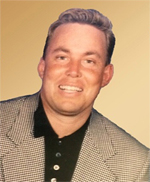
Dr James Stoxen DC., FSSEMM (hon) He is the president of Team Doctors®, Treatment and Training Center Chicago, one of the most recognized treatment centers in the world.
Dr Stoxen is a #1 International Bestselling Author of the book, The Human Spring Approach to Thoracic Outlet Syndrome. He has lectured at more than 20 medical conferences on his Human Spring Approach to Thoracic Outlet Syndrome and asked to publish his research on this approach to treating thoracic outlet syndrome in over 30 peer review medical journals.
He has been asked to submit his other research on the human spring approach to treatment, training and prevention in over 150 peer review medical journals. He serves as the Editor-in-Chief, Journal of Orthopedic Science and Research, Executive Editor or the Journal of Trauma and Acute Care, Chief Editor, Advances in Orthopedics and Sports Medicine Journal and editorial board for over 35 peer review medical journals.
He is a much sought-after speaker. He has given over 1000 live presentations and lectured at over 70 medical conferences to over 50,000 doctors in more than 20 countries. He has been invited to speak at over 300 medical conferences which includes invitations as the keynote speaker at over 50 medical conferences.
After his groundbreaking lecture on the Integrated Spring-Mass Model at the World Congress of Sports and Exercise Medicine he was presented with an Honorary Fellowship Award by a member of the royal family, the Sultan of Pahang, for his distinguished research and contributions to the advancement of Sports and Exercise Medicine on an International level. He was inducted into the National Fitness Hall of Fame in 2008 and the Personal Trainers Hall of Fame in 2012.
Dr Stoxen has a big reputation in the entertainment industry working as a doctor for over 150 tours of elite entertainers, caring for over 1000 top celebrity entertainers and their handlers. Anthony Field or the popular children’s entertainment group, The Wiggles, wrote a book, How I Got My Wiggle Back detailing his struggles with chronic pain and clinical depression he struggled with for years. Dr Stoxen is proud to be able to assist him.
Full Bio) Dr Stoxen can be reached directly at teamdoctors@aol.com