Understanding the Real Cause of Your Arm and Shoulder Symptoms
Many people with arm pain or strange symptoms in their hands are told they have simple muscle tightness, a pinched nerve in the neck, or stress. But Thoracic Outlet Syndrome is more complex than that. TOS happens when nerves and blood vessels are compressed as they travel from your neck into your arm. What most people don’t realize is that this compression can happen in three different areas, not just one.
When only one area is examined, the real cause stays hidden—and symptoms continue for years. In this article, we break down these three zones so you can understand what is happening in your body and feel more confident asking the right questions during your evaluation.
The Three Compression Zones You Must Know
- The Interscalene Triangle
This is the space between the anterior and middle scalene muscles. When these muscles tighten, they can lift the rib cage and press against the nerves leading into the arm. Many patients feel arm and neck pain or even arm and shoulder pain in this stage. Some also notice arm pain from neck movements or discomfort when turning their head.
- The Costoclavicular Space
This area is located between the collarbone and the first rib. Poor posture, drooping shoulders, or repetitive strain can narrow this space. When this happens, the nerves and blood vessels become irritated. People often report arm and hand numbness, upper arm pain, or even arm swelling after activity or holding their arm in one position.
- The Subpectoral Space
This zone sits beneath the pectoralis minor muscle in the chest. When this muscle tightens, it can clamp down like a vise. This often leads to symptoms such as thoracic outlet syndrome hand numbness, thoracic outlet syndrome hand pain, or aching down the inside of the arm. Some people also feel discomfort in their thoracic outlet syndrome fingers when lifting or reaching.
Why Symptoms Spread Down the Arm
When these spaces narrow, the nerves that supply the entire upper limb become irritated. Because these nerves branch into the shoulder, arm, elbow, wrist, and hand, the symptoms can appear anywhere along the path. Some people feel thoracic outlet syndrome arm pain or TOS arm pain when they lift their arm. Others notice thoracic outlet syndrome hand swelling, thoracic outlet syndrome elbow pain, or even sensitivity around the armpit.
The wide range of symptoms is one reason TOS is often misdiagnosed. A proper evaluation must include a complete mechanical review of all three compression zones. Without that, the true cause remains hidden.
Why Many Patients Stay Misdiagnosed
Most patients with arm and shoulder pain or arm pain causes go through a long list of doctors. Many receive x-rays, nerve tests, injections, or medications but still struggle. The problem is that many providers focus only on one area—usually the neck or shoulder—and do not fully check how the nerves move through the entire thoracic outlet.
A complete evaluation often includes movement testing, posture assessment, and specific tests like upper limb tension testing. This helps identify the exact spot where the compression occurs.
A Supportive Path Forward
If you’re experiencing arm swelling, TOS shoulder pain, or symptoms that get worse with lifting, carrying, or typing, you are not alone. These patterns are common in TOS, and they often have a mechanical cause. The good news is that once the compression zones are identified, you can focus on restoring mobility, reducing tension, and improving movement through these areas.
Education gives you power. When you understand the three compression zones, you can have better conversations with your doctor and take more control over your recovery.
Taking the Next Step
Understanding TOS is the first step toward improving your function and reducing uncomfortable symptoms. The more you learn about how your body works, the better prepared you’ll be to take action that supports healing and long-term health.
Team Doctors Resources
✓ Check out the Team Doctors Recovery Tools
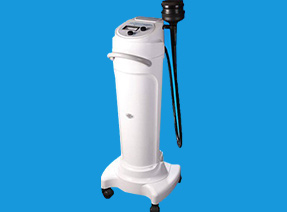
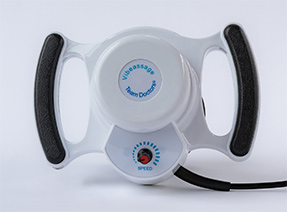
The Vibeassage Sport and the Vibeassage Pro featuring the TDX3 soft-as-the-hand Biomimetic Applicator Pad
https://www.teamdoctors.com
✓ Get Dr. Stoxen’s #1 International Bestselling Books
Learn how to understand, examine, and reverse your TOS—without surgery.
https://drstoxen.com/1-international-best-selling-author
✓ Check out Team Doctors Online Courses
Step-by-step video lessons, demonstrations, and self-treatment strategies.
https://teamdoctorsacademy.com
✓ Schedule a Free Phone Consultation With Dr. Stoxen
Speak directly with him so he can review your case and guide you on your next steps.
https://drstoxen.com/appointment
#ThoracicOutletSyndrome #TOSAwareness #TOSRelief #NerveCompression #ArmPain #ShoulderPain #HandNumbness #TOSRecovery #HumanSpring #DrStoxen #TeamDoctors #NeckPain #PostureCare #PainEducation #ArmNumbness #TOSUnderstanding #UpperLimbPain #BodyMechanics #TOSHelp #WorldwideTreatment

Dr James Stoxen DC., FSSEMM (hon) He is the president of Team Doctors®, Treatment and Training Center Chicago, one of the most recognized treatment centers in the world.
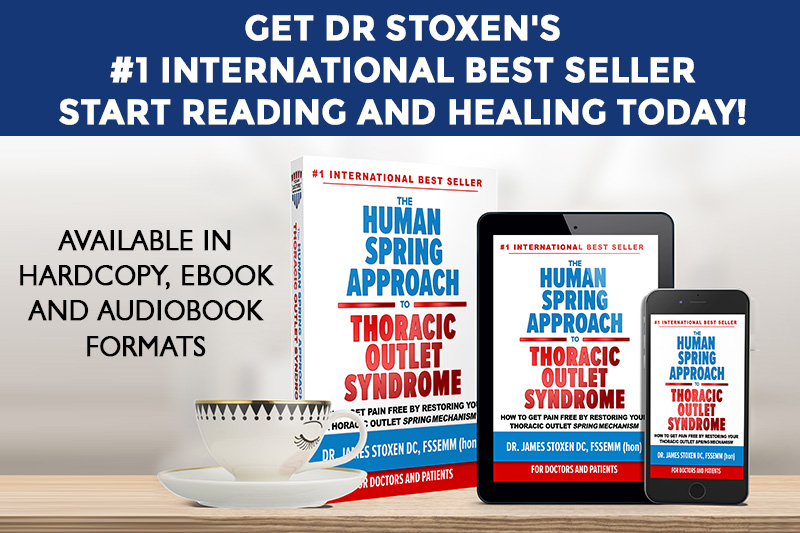
Dr Stoxen is a #1 International Bestselling Author of the book, The Human Spring Approach to Thoracic Outlet Syndrome. He has lectured at more than 20 medical conferences on his Human Spring Approach to Thoracic Outlet Syndrome and asked to publish his research on this approach to treating thoracic outlet syndrome in over 30 peer review medical journals.
He has been asked to submit his other research on the human spring approach to treatment, training and prevention in over 150 peer review medical journals. He serves as the Editor-in-Chief, Journal of Orthopedic Science and Research, Executive Editor or the Journal of Trauma and Acute Care, Chief Editor, Advances in Orthopedics and Sports Medicine Journal and editorial board for over 35 peer review medical journals.
He is a much sought-after speaker. He has given over 1000 live presentations and lectured at over 70 medical conferences to over 50,000 doctors in more than 20 countries. He has been invited to speak at over 300 medical conferences which includes invitations as the keynote speaker at over 50 medical conferences.
After his groundbreaking lecture on the Integrated Spring-Mass Model at the World Congress of Sports and Exercise Medicine he was presented with an Honorary Fellowship Award by a member of the royal family, the Sultan of Pahang, for his distinguished research and contributions to the advancement of Sports and Exercise Medicine on an International level. He was inducted into the National Fitness Hall of Fame in 2008 and the Personal Trainers Hall of Fame in 2012.
Dr Stoxen has a big reputation in the entertainment industry working as a doctor for over 150 tours of elite entertainers, caring for over 1000 top celebrity entertainers and their handlers. Anthony Field or the popular children’s entertainment group, The Wiggles, wrote a book, How I Got My Wiggle Back detailing his struggles with chronic pain and clinical depression he struggled with for years. Dr Stoxen is proud to be able to assist him.
Full Bio) Dr Stoxen can be reached directly at teamdoctors@aol.com