Why a Swollen Hand Is Often the First Sign of Thoracic Outlet Syndrome
One of the earliest symptoms patients report with Thoracic Outlet Syndrome is the sensation of a swollen hand, particularly first thing in the morning. Many individuals describe waking up with tight rings, puffy fingers, or a feeling that the hand is full or heavy. Often, the hand does not look dramatically enlarged, which leads people to dismiss the symptom. In my clinical experience, this subtle swelling is frequently an early indicator of venous compression at the thoracic outlet.
To understand why this occurs, it is important to compare how arteries and veins behave under compression. Blood enters the arm through the artery, driven by the powerful pumping action of the heart. Even when the thoracic outlet is narrowed, arterial blood can often be forced through the restricted space. This is why early arterial signs such as a cold hand, visible muscle wasting, or sudden grip weakness are often absent in the early stages of TOS.
The venous system functions very differently. The vein acts more like a drain than a pump. It has low internal pressure, lacks a muscular wall to propel blood forward, and depends on unobstructed pathways to return blood from the arm back to the heart. When the thoracic outlet narrows, the vein is far more vulnerable to compression than the artery.
When venous outflow is restricted, blood enters the arm more easily than it can leave. This creates venous congestion, particularly during periods of immobility such as sleep. Fluid accumulates in the hand and fingers overnight, leading to morning swelling, tight rings, and a sensation of fullness. As the day progresses and the arm moves, some of this fluid may drain, causing the swelling to partially resolve.
This is why many patients notice that their hands feel worst upon waking and gradually improve with activity. The symptom is positional and circulatory rather than inflammatory alone.
Another early sign often accompanying swelling is nerve tingling, especially in the fourth and fifth digits—the ring and pinky fingers. The reason lies in anatomy. The nerve, vein, and artery all travel together through the thoracic outlet. When the space narrows, congestion and irritation can affect multiple structures simultaneously.
Patients frequently report tingling, heaviness, or an odd buzzing sensation in the hand alongside swelling. These symptoms may fluctuate throughout the day, worsening with sustained posture or overhead activity and improving with movement.
There are simple observational methods patients can use to document these early changes. One helpful approach is to place both elbows on a table with the palms flat and fingers extended. Have someone take a photo directly overhead—not from an angle—so both hands, wrists, and forearms are clearly visible.
When reviewing the photo, compare the dorsal tendons on the top of each hand. On the affected side, these tendons may appear less defined or partially obscured due to fluid retention. Even subtle differences can be meaningful when paired with symptoms.
Another comparison involves the wrist and forearm circumference. While the dominant arm is naturally slightly larger, a noticeable asymmetry—especially when associated with morning swelling or heaviness—may suggest impaired venous return through the thoracic outlet.
It is important to emphasize that these observations are educational tools, not diagnostic conclusions. Their value lies in helping individuals understand patterns and communicate more clearly with healthcare providers. Documenting changes over time provides context that a brief office visit may miss.
Many patients struggle to articulate their symptoms during appointments. Describing pain is subjective, but visual evidence of swelling, tendon obscuration, or asymmetry can help providers better understand what the patient is experiencing.
In my clinical experience, early venous symptoms are often overlooked because they are subtle. Patients are reassured when swelling is mild or intermittent, yet these signs can precede more significant congestion if the underlying compression persists.
Understanding the difference between arterial and venous behavior under compression helps explain why early TOS does not always look dramatic. The artery continues to deliver blood. The vein quietly struggles to drain it. The result is not sudden loss of function, but gradual congestion.
This is also why symptoms often appear first in the hand rather than the shoulder or neck. Gravity and distance make the hand the most sensitive indicator of venous outflow restriction.
By learning to recognize these early signals, individuals gain insight into what may be happening in their upper extremities. They can track changes, notice triggers, and seek evaluation with clearer information.
If you would like images reviewed as part of an educational case evaluation, appointments can be scheduled through Team Doctors®. Even individuals living abroad may submit photographs for review as part of the consultation process.
Early awareness does not create fear—it creates clarity. When patients understand why their hand feels swollen and how venous compression behaves, they are better equipped to navigate care, ask informed questions, and recognize patterns long before more severe symptoms appear.
Team Doctors Resources
✓ Check out the Team Doctors Recovery Tools
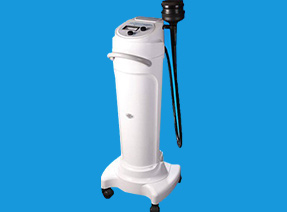
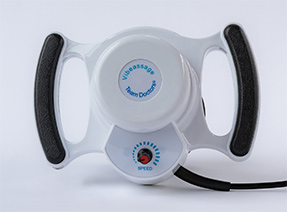
The Vibeassage® Sport and the Vibeassage® Pro featuring the TDX3 soft-as-the-hand Biomimetic Applicator Pad
https://www.teamdoctors.com/
✓ Get Dr. Stoxen’s #1 International Bestselling Books
Learn how to understand, examine, and reverse your TOS—without surgery.
https://drstoxen.com/1-international-best-selling-author/
✓ Check out Team Doctors Online Courses
Step-by-step video lessons, demonstrations, and self-treatment strategies.
https://teamdoctorsacademy.com/
✓ Schedule a Free Phone Consultation With Dr. Stoxen
Speak directly with him so he can review your case and guide you on your next steps.
https://drstoxen.com/appointment/
#ThoracicOutletSyndrome #TOS #VenousCompression #HandSwelling #MorningSwelling #NerveTingling #UpperExtremitySymptoms #VascularCompression #DiagnosticClues #PatientEducation #Biomechanics #ChronicPain #EarlySymptoms #TOSAwareness #TeamDoctors #DrStoxen #CirculatoryHealth #WhatWorks #TOSDiagnosis #VenousOutflow
References
- Sanders, R. J., and Hammond, S. L. “Thoracic Outlet Syndrome: A Review.” Neurologic Clinics, 2009.
- Illig, K. A., et al. “Thoracic Outlet Syndrome.” Journal of Vascular Surgery, 2010.
- Urschel, H. C., and Razzuk, M. A. “Paget–Schroetter Syndrome.” Annals of Thoracic Surgery, 2000.
- Novak, C. B., and Mackinnon, S. E. “Thoracic Outlet Syndrome.” Current Problems in Surgery, 2002.

Dr James Stoxen DC., FSSEMM (hon) He is the president of Team Doctors®, Treatment and Training Center Chicago, one of the most recognized treatment centers in the world.
Dr Stoxen is a #1 International Bestselling Author of the book, The Human Spring Approach to Thoracic Outlet Syndrome. He has lectured at more than 20 medical conferences on his Human Spring Approach to Thoracic Outlet Syndrome and asked to publish his research on this approach to treating thoracic outlet syndrome in over 30 peer review medical journals.
He has been asked to submit his other research on the human spring approach to treatment, training and prevention in over 150 peer review medical journals. He serves as the Editor-in-Chief, Journal of Orthopedic Science and Research, Executive Editor or the Journal of Trauma and Acute Care, Chief Editor, Advances in Orthopedics and Sports Medicine Journal and editorial board for over 35 peer review medical journals.
He is a much sought-after speaker. He has given over 1000 live presentations and lectured at over 70 medical conferences to over 50,000 doctors in more than 20 countries. He has been invited to speak at over 300 medical conferences which includes invitations as the keynote speaker at over 50 medical conferences.
After his groundbreaking lecture on the Integrated Spring-Mass Model at the World Congress of Sports and Exercise Medicine he was presented with an Honorary Fellowship Award by a member of the royal family, the Sultan of Pahang, for his distinguished research and contributions to the advancement of Sports and Exercise Medicine on an International level. He was inducted into the National Fitness Hall of Fame in 2008 and the Personal Trainers Hall of Fame in 2012.
Dr Stoxen has a big reputation in the entertainment industry working as a doctor for over 150 tours of elite entertainers, caring for over 1000 top celebrity entertainers and their handlers. Anthony Field or the popular children’s entertainment group, The Wiggles, wrote a book, How I Got My Wiggle Back detailing his struggles with chronic pain and clinical depression he struggled with for years. Dr Stoxen is proud to be able to assist him.
Full Bio) Dr Stoxen can be reached directly at teamdoctors@aol.com