When Anna Tori Smith arrived at my clinic, I immediately recognized the unmistakable posture and facial expression of a patient who had been fighting for her life for far too long.
Her body carried the physical story of a long battle with systemic inflammation, circulatory compromise, and the deep structural collapse that can follow years of trauma and misguided medical interventions.
At the same time, I saw the emotional exhaustion of someone who had survived a triple-rollover car accident, endured 10 surgeries in 13 years, and faced a moment where pulmonary embolisms had nearly taken her life.
When she told me she could not feel her hands or her feet, and that her blood pressure had surged repeatedly into the stroke range, I knew we were standing at an inflection point.
This was not simply a case of tight muscles.
This was a full systemic crisis involving the thoracic outlet, lymphatic pathways, and deep neurological and vascular compression patterns.
As she shared her history, I observed how she instinctively guarded her upper body.
Her clavicles were elevated, her sternum rigid, her thoracic spine fixed as though locked in a protective brace. And when she described her symptoms, the pattern became unmistakable.
She reported severe numb fingers, intermittent numbness in hand, episodes of hand numbness and tingling, and a progressive numbness in arm and hand that worsened when she raised or moved her arms.
She also described episodes of cold hands, fluctuating swelling, and at times an alarming heaviness that made her unsure whether her limbs were receiving proper blood flow.
These symptoms, classic to advanced thoracic outlet syndrome, mirrored the compression patterns that develop when the scalene muscles, pectoralis minor, and thoracic muscles contract into a chronic protective state.
In Anna’s case, years of trauma and surgeries had created a chain reaction: the tight scalene muscles, hypertonicity of the anterior scalene muscle, rigid shortening of the subclavius muscle, and deep adhesion around the pectoralis minor formed a multi-layered compression system.
This created mechanical pressure on the brachial plexus and vascular structures, causing electrical shocks, swelling, sensory loss, and the frightening episodes of breathlessness she described.
Before touching a single muscle, I conducted a full orthopedic and neurological evaluation. Thoracic outlet testing was profoundly positive.
When her arm was elevated, her radial pulse diminished significantly.
When her cervical spine was gently inclined, she developed radiating paresthesia down the arm. Palpation of the muscles scalene revealed rigid, rope-like bands.
The pectoralis minor syndrome pattern was unmistakable — deep tension under the clavicle, classic muscle under clavicle pain, and severe tenderness near the coracoid process.
These findings, combined with her history, indicated not only anterior scalene syndrome and upper thoracic compression, but also a body overwhelmed by inflammatory fluid.
Her thoracic outlet was not merely irritated — it was collapsing.
Anna explained that after her last surgery, she began retaining fluid “everywhere.” Her chest, arms, and even lower body swelled rapidly.
This, combined with her high blood pressure, created a dangerous internal pressure environment. The inflammation in her upper chest and thoracic outlet region contributed directly to the circulatory stagnation that preceded her pulmonary embolisms.
Her lymphatic system was no longer able to move fluid out of the compressed regions. Her thoracic outlet was essentially functioning as a dam.
None of her previous physicians recognized this. They continued prescribing medication after medication.
They attributed her symptoms to anxiety, hypertension, or postoperative effects. No one connected the dots: the structural collapse in her thoracic outlet was driving a systemic inflammatory overload, neurological deficits, and significant vascular compromise.
During my evaluation, I pressed gently into the anterior scalene muscle and she winced. I tested the thoracic myalgia pattern — the muscles between her ribs were rigid, tender, and entrapped.
The spiraling tension around her clavicle and sternum blocked lymphatic drainage.
When I applied pressure under the clavicle, the pain was sharp and immediate, consistent with anterior scalene muscle syndrome and anterior scalene syndrome symptoms.
This also explained the severe tightness that made breathing difficult. Her inspiratory muscles were in a constant state of contraction.
The severity of her thoracic outlet compression was among the most advanced I had seen in years.
Given the complexity, our treatment protocol needed to address every contributing layer, including:
- Releasing the tight scalene muscles
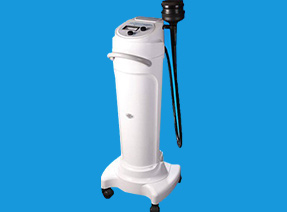
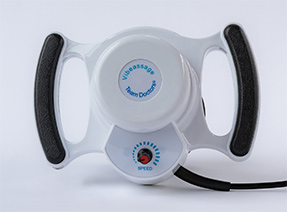
- Reducing severe inflammation with the Vibeassage Sport and Vibeassage Pro devices
- Breaking adhesions in the pectoralis minor, subclavius muscle, and upper thoracic fascia
- Restoring circulation blocked by years of compression
- Gradually decompressing the brachial plexus and vascular bundle
- Reprogramming every muscle involved in the thoracic outlet mechanism
This would require long, continuous treatment sessions, but Anna understood the urgency.
Her body was at a breaking point. And she had already lived through enough near-death experiences.
When Anna returned the next morning, her body already showed the strain of years spent fighting through pain, surgeries, and inflammation.
Her breathing was shallow, her clavicles elevated, her rib cage rigid.
I knew that to reverse her condition, we needed to systematically unwind the neuromuscular contraction patterns that had accumulated over more than a decade.
The plan was clear, but the work ahead would be physically and emotionally intense.
What Anna did not realize yet — and what she would soon experience — was that her body still had the capacity to heal once the compressive forces were released.
Beginning the Decompression — Layer by Layer
We began with the Vibeassage Pro, using its deep, low-amplitude vibration to move inflammatory fluid out of the upper chest, neck, and thoracic outlet.
The vibration pattern was specifically chosen to loosen the dense adhesions around the pectoralis minor, scalene muscles, and subclavius muscle, which were trapping lymphatic fluid and compressing neural structures.
The Vibeassage Sport would later be used for reinforcing treatment, but the Pro’s power and biomimetic pad allowed us to reach deeper tissue levels.
Within minutes, I saw the first signs of lymphatic movement: her skin tone changed slightly, and the swelling at her clavicle softened.
This was the first step in allowing blood and nerve signals to reach her extremities.
As congestion cleared, we transitioned into precisely targeted deep-tissue decompression.
Deep-Tissue Work: Releasing a Decade of Compression
I began with the anterior scalene muscle, one of the primary drivers of her symptoms.
This muscle, when in spasm, narrows the scalene triangle — the anatomical gateway for both nerves and blood vessels. Pressing into it is often painful, but necessary.
When I applied steady pressure, Anna confirmed that the radiating sensations down her arm intensified briefly — exactly what I expected in cases of anterior scalene syndrome or anterior scalene muscle syndrome.
Slowly, the muscle softened under the pressure.
As the tension released, she reported a warm sensation returning to her fingers.
This was an early sign that circulation was being restored.
We continued to move systematically:
- The pectoralis minor, often responsible for pectoralis minor syndrome, was rigid and shortened.
- The thoracic muscles surrounding the ribs demonstrated severe thoracic myalgia, reflecting years of guarded breathing patterns.
- The muscles scalene on both sides were asymmetrically tight, a hallmark of chronic compensatory posture following her car accident.
Every half-inch of her upper body was mapped, palpated, evaluated, and decompressed.
This was not a spa-style massage.
This was neuromuscular reprogramming, requiring long, sustained pressure until the brain released its protective contraction patterns.
During these sessions, Anna frequently experienced surges of sensation: tingling along nerve pathways, mild fluctuations in blood pressure, even emotional releases — all of which are expected when years of neurological compression unwind.
Multiple Medical Crises, One Missing Diagnosis
Anna had been through a brutal medical history:
- 10 surgeries
- Repeated ambulance rides for hypertensive crisis
- Near-death pulmonary embolisms
- Inability to feel her hands or feet
- Rapid fluid retention
- Systemic inflammation
Yet not a single physician from her long list of specialists had evaluated the thoracic outlet.
Not one had palpated the scalenes, tested her pectoralis minor tension, or performed an elevated arm stress test.
They missed the most basic signs: numb fingers, numbness in arm and hand with shoulder pain, hand numbness tingling, and difficulty breathing from thoracic compression.
When she told me that hospitals had sent her home without answers — despite dangerously high blood pressure and circulatory symptoms — I understood how deeply the system had failed her.
Long Treatment Days — Releasing the Entrapment
Over the next six days, we worked more than 76 total hours, often from early morning until long past sunset. Every session followed a strict progression:
- Vibeassage Pro for inflammatory drainage
- Deep decompression of scalenes
- Release of the subclavius muscle
- Lengthening of the pectoralis minor
- Fascia decompression for the ribs and sternum
- Clearing adhesions contributing to muscle spasms in neck
- Decompression around the brachial plexus
- Restoration of circulation to eliminate the cold hands and heaviness
- Structured mobility work based on the Human Spring Approach
Because Anna’s entire thoracic outlet was in crisis, we also used targeted techniques designed for:
- muscles scalene treatment
- anterior scalene syndrome treatment
- pectoralis minor tenotomy alternative release (non-surgical equivalent)
- myofascial release for thoracic outlet syndrome
- thoracic outlet syndrome massage treatment
- TOS stretches
- TOS Physical Therapy principles
- TOS self treatment continuation plan
By the third day, Anna reported dramatic changes. Her hands, previously numb and cold, had regained sensation. Her breathing deepened.
The crushing pressure between her shoulder blades — once “on fire,” as she described — had diminished significantly.
The Emotional Turning Point
There is a moment in nearly every severe thoracic outlet case when the patient realizes they are not dying — they are healing.
For Anna, this moment came when she said, “I think the rock on my chest is finally gone.”
Her swelling decreased. Her pulse normalized. For the first time in months, she slept through the night. By day four, neurological testing showed improved conduction.
By day five, her breathing patterns normalized. By day six, she said she felt “alive again.”
She fought hard. She endured. She healed.
By the end of the sixth day, it was clear that Anna’s body was no longer fighting a losing battle. Instead, it had crossed into a recovery trajectory.
Her neurologic responses were sharper. Sensation had returned to her hands and feet. Her breathing was no longer shallow or guarded.
The deep structural tension that had once locked her rib cage in place had dissolved into a supple, responsive motion pattern.
This was not a mild improvement — it was a transformation driven by the simple but powerful principle that when you remove mechanical compression and inflammation, the body will heal.
Why Her Symptoms Resolved So Quickly
Anna had what I classify as a “structural inflammatory entrapment syndrome,” where mechanical compression — not just trauma or surgery — acted as the primary generator of inflammation.
Her thoracic outlet was functioning like a tourniquet.
The locked-down configuration of her tight scalene muscles, hypertonic pectoral muscles, and compressed thoracic muscles blocked venous and lymphatic return.
That stagnation caused accumulation of fluid in her upper body, including her chest, neck, and arms.
When your chest fills with inflammatory fluid because lymphatic drainage is compromised, the interior pressure rises.
That pressure can contribute to respiratory restriction, circulatory stagnation, and—as in Anna’s case—circulatory events that preceded her pulmonary embolisms. Her chest was literally unable to drain. The fluid had nowhere to go.
This is why Vibeassage Pro and Vibeassage Sport were essential tools in her recovery.
The low-amplitude, high-frequency vibration helped mobilize stagnant lymphatic fluid, reduce inflammatory load, and soften the fibrosis around key entrapment points.
Without this mechanical assistance, manually working through layers of adhered musculature would have taken far longer — and produced far more pain.
Integrating Release Techniques for TOS
Once inflammation levels decreased, targeted decompression began:
- Releasing the anterior scalene muscle reduced compression in the scalene triangle.
- Deep work under the clavicle released the subclavius muscle, resolving the muscle under clavicle pain
- Fascia surrounding the pectoralis minor was softened, eliminating tension that had contributed to pectoralis minor syndrome.
- Adhesions contributing to thoracic myalgia were cleared across the rib cage.
- Entrapments consistent with anterior scalene syndrome, anterior scalene muscle syndrome, and anterior scalenectomy–avoidant treatment were addressed manually.
We also implemented non-surgical alternatives to procedures such as pectoralis minor tenotomy, using sustained myofascial decompression instead of cutting tissues.
She responded extremely well.
Symptoms that Resolved
By the completion of the treatment:
- Her muscle spasms in neck were gone.
- The burning sensation across her sternum disappeared.
- Her numb fingers, numbness in arm and hand, and hand numbness and tingling fully resolved.
- Her previous episodes of hand numbness tingling no longer appeared with arm elevation.
- Her cold hands warmed as circulation normalized.
- The heaviness in her arms lifted.
- The deep pressure between her shoulder blades evaporated.
- Episodes of breath restriction ceased.
- The thoracic outlet no longer triggered paresthesia or radiating discomfort.
- She regained control of her posture, breathing, rib mechanics, and functional strength.
This was not a subtle change — this was the restoration of a life that had been slipping away.
Her Body Was Preparing for Death — Now It Was Preparing for Life
Anna told me something I will never forget:
“My body was shutting down. Now it feels like it’s preparing for life.”
She wasn’t exaggerating. When she arrived, her system was overwhelmed:
- Extreme inflammatory load
- Neurological compromise
- Circulatory stagnation
- Lymphatic obstruction
- Hypertensive spikes
- Loss of sensation
- Post-surgical scarring
- Mold toxicity and heavy-metal load
Her physiology was operating in emergency mode, bracing for collapse.
By the time she left, her nervous system was resetting, her circulation was balanced, and her lymphatic pathways were open.
A New Chapter in Her Life
When Anna finished her final day of treatment, she purchased the Vibeassage device and traveled home with a continuation plan that included:
- Daily vibration drainage
- Specific TOS exercises
- Postural strengthening
- TOS Physical Therapy concepts
- At-home TOS self treatment
- Regular TOS stretches
- Gradual loading for long-term structural support
In the months that followed, she transformed her health:
- She reduced her medications from many to one.
- She lost 25 pounds through reduced inflammation and restored mobility.
- She detoxified heavy metals including mercury, lead, arsenic, cadmium, gadolinium, and mold toxins.
- She returned to active work in construction — a job that requires significant strength and endurance.
- She reclaimed her life, her independence, and her sense of control.
Had she not taken the train to Chicago — she believes she would not be alive today.
Based on her condition during evaluation, I agree.
Why This Matters for Other Patients
Anna’s story is not rare. Many patients with advanced thoracic outlet compression undergo:
- Multiple surgeries
- Misdiagnosed nerve disorders
- Endless prescriptions
- Cardiopulmonary evaluations
- Emergency-room visits
…with no one addressing the root compressive mechanism.
Her case demonstrates the necessity of looking beyond MRI and surgical history — toward the structural, mechanical, and neurological realities of how the thoracic outlet behaves under chronic inflammatory stress.
Final Clinical Reflection
As her doctor, what struck me most was not just the degree of her compression — but her resilience. Every muscle I touched had a memory of trauma, surgery, inflammation, and fear. But every layer also responded to treatment. Her nervous system had not given up. Her circulation had not failed. Her lymphatic system had not collapsed. They were simply waiting for someone to remove the pressure and allow the body to function again.
That is why she recovered.
That is why she is alive.
And that is why her story matters.
TEAM DOCTORS RESOURCES
✓ Team Doctors Recovery Tools
Vibeassage Sport & Pro featuring the TDX3 soft-as-the-hand Biomimetic Applicator Pad
https://www.teamdoctors.com/
✓ Dr. Stoxen’s Bestselling Books
Learn how to understand, examine, and reverse your TOS—without surgery.
https://drstoxen.com/1-international-best-selling-author/
✓ Team Doctors Online Courses
Step-by-step lessons, demonstrations, and self-treatment strategies.
https://teamdoctorsacademy.com/
✓ Schedule a Free Phone Consultation
Speak directly with Dr. Stoxen to review your case.
https://drstoxen.com/appointment/
#thoracicoutletsyndrome #TOSrecovery #TOSwarrior #TOSstory #chronicpainrelief #inflammationrelief #vibrationtherapy #vibeassage #nonsurgicalhealing #nervecompression
#chestpainrelief #neckandshoulderpain #scalenemuscles #lymphedemaawareness #posturaltherapy #deepTissueHealing #myofascialrelease #circulationboost #healingjourney
#teamdoctors

Dr James Stoxen DC., FSSEMM (hon) He is the president of Team Doctors®, Treatment and Training Center Chicago, one of the most recognized treatment centers in the world.
Dr Stoxen is a #1 International Bestselling Author of the book, The Human Spring Approach to Thoracic Outlet Syndrome. He has lectured at more than 20 medical conferences on his Human Spring Approach to Thoracic Outlet Syndrome and asked to publish his research on this approach to treating thoracic outlet syndrome in over 30 peer review medical journals.
He has been asked to submit his other research on the human spring approach to treatment, training and prevention in over 150 peer review medical journals. He serves as the Editor-in-Chief, Journal of Orthopedic Science and Research, Executive Editor or the Journal of Trauma and Acute Care, Chief Editor, Advances in Orthopedics and Sports Medicine Journal and editorial board for over 35 peer review medical journals.
He is a much sought-after speaker. He has given over 1000 live presentations and lectured at over 70 medical conferences to over 50,000 doctors in more than 20 countries. He has been invited to speak at over 300 medical conferences which includes invitations as the keynote speaker at over 50 medical conferences.
After his groundbreaking lecture on the Integrated Spring-Mass Model at the World Congress of Sports and Exercise Medicine he was presented with an Honorary Fellowship Award by a member of the royal family, the Sultan of Pahang, for his distinguished research and contributions to the advancement of Sports and Exercise Medicine on an International level. He was inducted into the National Fitness Hall of Fame in 2008 and the Personal Trainers Hall of Fame in 2012.
Dr Stoxen has a big reputation in the entertainment industry working as a doctor for over 150 tours of elite entertainers, caring for over 1000 top celebrity entertainers and their handlers. Anthony Field or the popular children’s entertainment group, The Wiggles, wrote a book, How I Got My Wiggle Back detailing his struggles with chronic pain and clinical depression he struggled with for years. Dr Stoxen is proud to be able to assist him.
Full Bio) Dr Stoxen can be reached directly at teamdoctors@aol.com