Gamer Pain Has No Diagnosis: Why Gamers Are Misdiagnosed, Dismissed, and Left Without Answers
The Silent Epidemic of Modern Gaming Bodies
Modern gaming has created an entirely new medical population—people suffering from gaming injuries, gamer pain, and esports injuries that don’t behave like traditional sports trauma.
These are not broken bones or torn ligaments. They are slow-burn mechanical failures caused by repetitive strain injury gaming, sustained postures, and load patterns the human body was never designed to tolerate for hours at a time.
For many players, the story begins innocently: a little gamer neck pain, mild gamer shoulder pain, or occasional gamer wrist pain after long sessions.
Maybe there’s some gamer thumb pain, gamer hand pain, or stiffness in the forearms. These early symptoms are easy to ignore. They come and go. They seem manageable.
Until they don’t.
Over months or years, these minor complaints can evolve into chronic arm pain gaming, numbness in hands gaming, tingling fingers gaming, forearm pain gaming, or even what some doctors casually label mouse arm syndrome. At that point, many gamers enter a frustrating medical maze.
They are told they have carpal tunnel gaming. Or maybe cubital tunnel syndrome gaming. Some are told it’s thoracic outlet syndrome gaming. Others hear vague phrases like nerve compression gaming, “overuse,” or “inflammation.”
And many are told something even worse:
“Your tests are normal. There’s nothing wrong.”
This is how people with real, disabling gaming overuse injury patterns end up becoming chronic pain gamers with gaming pain won’t go away.
The New Profile of Gaming-Related Injury
Unlike traditional sports injuries, gaming injuries are:
- Cumulative, not sudden
- Multi-level, not isolated
- Dynamic, not static
- Load-driven, not trauma-driven
This is why gaming caused nerve damage, esports nerve damage, and gaming muscle tension patterns are so hard for conventional medicine to classify.
A gamer may present with:
- Poor circulation arm gaming
- Cold hands gaming
- Hand swelling gaming
- Shoulder impingement gaming
- Neck stiffness gaming
- Progressive weakness and endurance loss
- A deep sense of gamer fatigue syndrome
- And eventually long hours gaming pain that no longer goes away with rest
At this stage, gaming is no longer recreation. It becomes a source of gaming related disability.
“Is 2 Hours of Gaming Too Much?” — The Wrong Question
One of the most common questions gamers ask is:
Is 2 hours of gaming too much?
The real answer is not about time. It is about load, posture, circulation, and recovery.
Two hours of gaming with:
- Collapsed shoulders
- Forward head posture
- Static forearm contraction
- Fixed wrist and thumb positions
- Minimal movement variability
…can be far more damaging than six hours of well-managed, dynamic play.
This is why gaming posture problems, desk posture injury gaming, and gaming ergonomics injury matter more than the clock itself.
This is also why gaming injury prevention must focus on mechanics, not just breaks.
The Early Warning Signs Doctors Often Miss
Most serious gaming injuries do not begin dramatically. They start with subtle gaming injury symptoms such as:
- Mild gamer neck pain
- Intermittent gamer shoulder pain
- Occasional gamer wrist pain
- Stiff or sore thumbs
- Temporary tingling fingers gaming
Players are usually told:
- Stretch
- Ice
- Rest
- “Take breaks”
- Follow the 20-20-20 rule for gaming
The 20-20-20 rule (every 20 minutes, look 20 feet away for 20 seconds) helps eye strain. It does nothing for shoulder suspension, nerve tunnels, circulation, or spring mechanics of the upper body.
This is where the first major diagnostic failure happens.
When Pain Spreads but Scans Stay Normal
As the condition progresses, symptoms often expand:
- Forearm pain gaming
- Numbness in hands gaming
- Cold hands gaming
- Hand swelling gaming
- Loss of endurance
- Heaviness in the arms
- Burning or pressure sensations
Gamers seek imaging. MRIs. X-rays. Nerve tests.
And often hear:
“Everything looks normal.”
This leads to the maddening experience of:
- Normal tests, real pain
- No diagnosis, real disability
- Being told “nothing is wrong”
The reason is simple:
Most nerve compression gaming problems are dynamic, not structural.
Static imaging cannot see:
- What happens when muscles stay contracted
- What happens when posture collapses
- What happens when circulation is restricted
- What happens under sustained load
This is why gaming pain won’t go away even when scans are “clean.”
The Cascade of Misdiagnosis
When doctors cannot see the problem, they default to labels:
- “It’s carpal tunnel gaming”
- “It’s cubital tunnel syndrome gaming”
- “It’s your neck”
- “It’s a shoulder impingement”
- “It’s anxiety”
Some gamers are even told they have:
- Trigger finger gaming
- Or trigger thumb without any explanation of why it developed
These labels fragment the problem. They treat the arm like separate parts instead of a connected mechanical system.
This is how people end up with years of gaming injury treatment that never addresses the root cause.
The Big One Everyone Misses: Thoracic Outlet Syndrome
One of the most commonly overlooked diagnoses in gamers is thoracic outlet syndrome gaming.
Why?
Because most doctors are taught it is:
- Rare
- Traumatic
- Anatomical
- Surgical
They are not taught it as a repetitive-load, posture-driven, dynamic compression syndrome.
In gamers, thoracic outlet compression often develops from:
- Shoulder collapse
- Neck tension
- Loss of rib and clavicle suspension
- Chronic muscle guarding
When this happens, nerves and blood vessels are compressed upstream, and symptoms appear downstream in:
- Forearms
- Wrists
- Hands
- Fingers
This is why so many gamers chase the wrong diagnosis for years.
“Nothing Is Wrong” — The Most Dangerous Diagnosis
Perhaps the most damaging moment for gamers is when they are told:
“Your tests are normal. There’s nothing wrong.”
This creates:
- Self-doubt
- Delay in proper care
- Continued load on a failing system
Over time, this is how chronic arm pain gaming develops and why so many people become chronic pain gamers without ever getting a real explanation.
Gaming Fatigue Is Not Just Mental
Gamer fatigue syndrome is often assumed to be psychological.
In reality, it is frequently mechanical and circulatory.
When muscles stay contracted:
- Blood flow drops
- Oxygen delivery drops
- Waste products build up
- Nerves become irritable
- Endurance collapses
This is how poor circulation arm gaming, cold hands gaming, and deep fatigue emerge together.
The Missing Mechanical Model
What is missing from most gaming injury care is a system-level explanation for:
- Why symptoms move
- Why imaging is normal
- Why rest helps but doesn’t fix
- Why pain becomes chronic
This is where Dr. James Stoxen’s Human Spring Approach becomes essential.
Instead of treating the body as a set of rigid levers, it recognizes the body as a spring-based suspension system. When spring compliance is lost:
- Space disappears
- Pressure rises
- Nerves and vessels are compressed
- Pain becomes load-dependent and activity-dependent
“What Is Gamer’s Thumb, Exactly?”
Gamers constantly ask:
- What is “gamer’s thumb” exactly?
- What is a PlayStation thumb?
- Is trigger thumb very painful?
- Does ice help gamers thumb?
- Treatment of Gamer’s Thumb?
Most clinicians treat gamer’s thumb as a local tendon problem.
But in many cases, thumb pain is not the root problem.
It is downstream of:
- Forearm compartment pressure
- Wrist tunnel compression
- Shoulder and neck suspension failure
Ice can calm surface inflammation. It does not fix the mechanics.
And the Big Questions Gamers Ask
- Can gaming cause muscle pain? Yes — chronically contracted muscle becomes ischemic and painful.
- Can gaming cause forearm pain? Yes — especially with sustained grip and static contraction.
- Can video games cause numbness? Yes — through dynamic nerve compression.
- Can gaming give you carpal tunnel? Sometimes — but many cases labeled carpal tunnel are not true carpal tunnel.
- Is gamer’s elbow a real thing? Yes — but it is often part of a larger compression chain.
- What is a gaming elbow? Usually lateral or medial elbow overload tied to upstream mechanics.
Where This Leaves Gamers
Most gamers with persistent symptoms are stuck between:
- No diagnosis
- Wrong diagnosis
- Dismissal
- Fear of worsening
They are living with gaming pain won’t go away and no clear roadmap.
Excellent — here is PART 2 of your 4-part, ~5,000+ word authority article. This section goes deep into:
- Gamer’s wrist, gamer’s thumb, gaming elbow
- Why braces, ice, and rest often fail
- Why pro gamers don’t get carpal tunnel as often
- How long these conditions last
- When physical therapy helps vs. makes it worse
- And continues weaving in your full keyword strategy.
All required keywords continue to be integrated naturally and in bold where appropriate.
Gamer’s Wrist, Gamer’s Thumb, and Gaming Elbow: Why Local Treatments Fail
What Is a Gamer’s Wrist?
One of the most common questions players ask is:
What is a gamer’s wrist?
“Gamer’s wrist” is not a formal diagnosis. It is a symptom pattern that usually includes gamer wrist pain, weakness, burning, or pressure in the wrist and hand during or after play. It is often labeled as carpal tunnel gaming, but in many gamers the symptoms do not match true median nerve compression.
In reality, “gamer’s wrist” is usually the downstream expression of:
- Nerve compression gaming occurring higher in the arm or shoulder
- Gaming muscle tension in the forearm compartments
- Loss of circulation leading to poor circulation arm gaming
- Or upstream compression related to thoracic outlet syndrome gaming
This is why wrist-focused treatment alone so often fails.
Can Gaming Give You Carpal Tunnel?
Another frequent question is:
Can gaming give you carpal tunnel?
Yes — gaming can contribute to true carpal tunnel syndrome. But here is the critical distinction:
Many gamers who are told they have carpal tunnel gaming do not actually have primary carpal tunnel syndrome.
They have:
- Forearm compartment pressure
- Elbow tunnel involvement
- Or shoulder/neck compression
All of which mimic carpal tunnel symptoms.
This explains why:
- Braces don’t fix it
- Injections don’t fix it
- Rest helps briefly but pain returns
- And gaming pain won’t go away
Should I Wear a Wrist Brace While Gaming?
Gamers also ask:
Should I wear a wrist brace while gaming?
Sometimes. But often it backfires.
A brace may:
- Reduce wrist motion
- Decrease local tendon irritation
- But increase static muscle contraction upstream
- Worsen gaming muscle tension
- And further reduce circulation
For many players, long-term brace use actually worsens forearm pain gaming and numbness in hands gaming.
How Long Does a Gamer’s Wrist Last?
How long does a gamer’s wrist last?
There is no single answer, because it depends on whether the real cause is being addressed.
- If it’s only a superficial tendon irritation: weeks to months
- If it’s driven by nerve compression and compartment pressure: it can last for years
- If posture, shoulder mechanics, and load patterns don’t change: it becomes chronic
This is how people quietly transition into chronic pain gamers.
What Is “Gamer’s Thumb” Exactly?
What is “gamer’s thumb” exactly?
What is a PlayStation thumb?
“Gamer’s thumb” or “PlayStation thumb” is usually a form of trigger finger gaming or trigger thumb irritation involving the flexor tendon and its sheath.
Gamers also ask:
Is trigger thumb very painful?
Yes. It can be extremely painful — especially when swelling, friction, and nerve sensitivity combine.
But here is the part most people miss:
In many gamers, gamer thumb pain is not just a thumb problem.
It is often the end of a pressure chain that starts in:
- The shoulder
- The neck
- The forearm compartments
Is Gamer’s Thumb Permanent?
Is gamer’s thumb permanent?
Not inherently.
But it becomes long-term or recurrent if:
- Only the thumb is treated
- The upstream pressure and circulation problem is ignored
- Gaming load resumes without restoring tissue compliance
This is why so many players cycle through:
- Ice
- Rest
- Anti-inflammatories
- Splints
…and still ask:
How long does it take for gamers’ thumb to heal?
For some: weeks.
For many: it never fully resolves until mechanics are fixed.
Does Ice Help Gamer’s Thumb?
Does ice help gamers thumb?
It can temporarily reduce surface inflammation and pain.
But ice:
- Does not restore circulation
- Does not decompress nerves
- Does not fix compartment pressure
- Does not fix shoulder suspension
So relief is usually short-lived.
How to Fix Thumb Pain from Gaming?
How to fix thumb pain from gaming?
The real answer is:
You must fix the system that is overloading the thumb, not just the thumb itself.
That means:
- Restoring shoulder and neck mechanics
- Reducing forearm compartment pressure
- Improving circulation
- Then gradually reloading
This is gaming injury treatment at a system level, not symptom level.
What Is a Gaming Elbow?
Is gamer’s elbow a real thing?
What is a gaming elbow?
Yes. It usually shows up as:
- Lateral elbow pain (like tennis elbow)
- Or medial elbow pain (like golfer’s elbow)
Gamers also ask:
How to fix gamer’s elbow?
The mistake is treating it like an isolated tendon problem.
In gamers, elbow pain is often caused by:
- Sustained gripping
- Static forearm contraction
- Repetitive strain injury gaming
- And upstream nerve and circulation compromise
This is why cubital tunnel syndrome gaming is also frequently diagnosed — sometimes correctly, sometimes not.
Can Gaming Cause Forearm Pain?
Can gaming cause forearm pain?
Absolutely — and this is one of the most underdiagnosed problems in gamers.
Sustained contraction causes:
- Pressure buildup inside the muscle compartments
- Reduced blood flow
- Burning, tightness, swelling
- And loss of endurance
This is a major driver of:
- Forearm pain gaming
- Hand swelling gaming
- Cold hands gaming
- Poor circulation arm gaming
Why Pro Gamers Often Don’t Get Carpal Tunnel
How do pro gamers not get carpal tunnel?
Some do.
But many avoid it because:
- They train like athletes
- They rotate load
- They manage recovery
- They don’t rely purely on static tension
- They often stop before they reach collapse
Amateurs often push past fatigue, which is exactly how gamer fatigue syndrome turns into gaming overuse injury.
Can Video Games Cause Numbness?
Can video games cause numbness?
Yes.
Dynamic nerve compression can cause:
- Numbness in hands gaming
- Tingling fingers gaming
- Burning
- Weakness
- Clumsiness
And again — this often does not show on MRI.
When Physical Therapy Helps — And When It Fails
Gaming physical therapy can be helpful if it addresses:
- Posture
- Shoulder suspension
- Nerve mobility
- Circulation
- Load tolerance
It fails when it:
- Only strengthens already tight muscles
- Ignores nerve compression patterns
- Ignores thoracic outlet mechanics
- Or treats the wrist, elbow, and hand as separate problems
This is how people get months of therapy and still have gaming pain won’t go away.
Why Rest Alone Fails
Rest reduces load.
But it does not:
- Restore lost tissue elasticity
- Fix circulation problems
- Fix posture collapse
- Or fix nerve tunnels under tension
So pain returns as soon as gaming resumes.
The Big Picture So Far
At this point, we can see the pattern:
- Gamer’s wrist
- Gamer’s thumb
- Gaming elbow
- Forearm pain
- Hand symptoms
…are usually not isolated injuries.
They are regional expressions of a system-level mechanical failure.
And This Is Where Most Gamers Get Stuck
They bounce between:
- Braces
- Injections
- Ice
- Rest
- Therapy
- New chairs
- New mice
- New keyboards
Yet remain stuck with:
- Gaming injury symptoms
- Long hours gaming pain
- And creeping gaming related disability
The Nerve Compression Chain: From Neck to Hand and Why Gamers Collapse Systemically
The One Mistake That Explains Almost Everything
Nearly all misdiagnosed gaming injuries, esports injuries, and cases of gamer pain share one fatal flaw in evaluation:
Doctors look for one problem in one place.
But gamers don’t break in one place.
They collapse as a system.
This is why so many players present with:
- Gamer neck pain
- Gamer shoulder pain
- Forearm pain gaming
- Gamer wrist pain
- Gamer hand pain
- Gamer thumb pain
…sometimes all in the same year.
These are not separate injuries.
They are different symptoms of the same mechanical failure.
The Compression Highway: How Nerves Travel
The nerves that control your arm and hand:
- Exit the neck
- Pass between the scalene muscles
- Cross the first rib
- Go under the collarbone
- Pass under the pectoralis minor
- Travel down the arm
- Pass the elbow tunnels
- Enter the forearm compartments
- Go through the wrist tunnels
- End in the hand and fingers
That is many narrow spaces.
That is many places where compression can occur.
This is why nerve compression gaming almost never happens in only one spot.
Why Thoracic Outlet Syndrome Is the Missing Link
One of the most common and most missed diagnoses in gamers is thoracic outlet syndrome gaming.
Why?
Because most doctors are taught:
- It is rare
- It is traumatic
- It is surgical
They are not taught that it is:
- Posture-driven
- Load-driven
- Compression-driven
- Extremely common in desk workers and gamers
When shoulder posture collapses and neck tension rises, the space between:
- The collarbone
- The first rib
- The scalene muscles
- The pectoralis minor
…shrinks.
That space is the thoracic outlet.
When it narrows, it compresses:
- Nerves
- Veins
- Sometimes arteries
This is the beginning of:
- Poor circulation arm gaming
- Cold hands gaming
- Hand swelling gaming
- Numbness in hands gaming
- Tingling fingers gaming
- Chronic arm pain gaming
Why Circulation Fails Before Nerves Fail
One of the most important and least understood facts in chronic gamer injuries is this:
Circulation usually fails before nerves fail.
Compressed veins and lymphatic drainage cause:
- Pressure buildup
- Tissue congestion
- Swelling
- Heaviness
- Fatigue
This is why many gamers first notice:
- Arm heaviness
- Burning
- Pump-like pressure
- Loss of endurance
- Gamer fatigue syndrome
Long before they develop true numbness or weakness.
This is also why so many gamers complain of:
- Cold hands gaming
- Hand swelling gaming
- Poor circulation arm gaming
…even when doctors say, “Your arteries are fine.”
Why MRI and Tests Are Often Normal
Gamers constantly experience:
- Real pain
- Real weakness
- Real fatigue
- Real numbness
And are told:
“Your MRI is normal.”
Here is why:
- MRI is static
- Your problem is dynamic
- MRI is done lying down
- Your symptoms happen sitting up, gaming, loading tissue
This is why gaming caused nerve damage and esports nerve damage can exist without structural findings.
The compression is functional and load-dependent.
Why Symptoms Move Around
One of the most confusing experiences for gamers is this:
“Last month it was my shoulder.
This month it’s my forearm.
Now it’s my hand.”
This happens because:
- The system is globally overloaded
- Different segments fail first on different days
- The weakest link changes
This is how people get labeled with:
- Carpal tunnel gaming
- Cubital tunnel syndrome gaming
- Trigger finger gaming
- Shoulder impingement gaming
…sometimes all in the same year.
They are not separate diseases.
They are different expressions of the same collapsing system.
The Forearm: The Pressure Cooker Everyone Misses
One of the most common and most ignored drivers of gamer disability is forearm compartment pressure.
Sustained gripping, clicking, and static contraction cause:
- Pressure buildup inside the forearm muscle compartments
- Reduced blood flow
- Burning pain
- Tightness
- Swelling
- Rapid fatigue
This is a major cause of:
- Forearm pain gaming
- Gamer wrist pain
- Gamer hand pain
- Trigger finger gaming
- Gamer thumb pain
- Hand swelling gaming
And it often coexists with thoracic outlet syndrome gaming.
When This Becomes Chronic
If this compression chain continues unchecked, gamers develop:
- Chronic pain gamers
- Chronic arm pain gaming
- Gaming pain won’t go away
- Progressive weakness
- Reduced tolerance
- Fear of activity
- And eventually gaming related disability
This is not because they are weak.
It is because their mechanical suspension system has failed.
Why Rest Helps — But Only Temporarily
Rest reduces load.
So:
- Pressure drops
- Circulation improves slightly
- Pain eases
But rest does not:
- Restore lost tissue elasticity
- Fix posture collapse
- Restore shoulder suspension
- Reopen compressed tunnels
So as soon as gaming resumes:
The same compression returns.
This is why long hours gaming pain turns into pain after short sessions, then pain all the time.
Why Strengthening Often Makes It Worse
Many gamers are sent to:
- Gaming physical therapy
- Strengthening programs
- Postural exercises
If these are done before restoring tissue compliance and circulation, they:
- Increase muscle tension
- Increase compartment pressure
- Worsen nerve compression
- And accelerate burnout
This is why so many people say:
“Therapy made it worse.”
The Human Spring Failure
Dr. James Stoxen’s Human Spring Approach explains this perfectly.
The upper body is designed to:
- Suspend the arms
- Absorb load
- Maintain space around nerves and vessels
- Recoil and recover
When spring compliance is lost:
- Shoulders collapse
- Neck tightens
- Rib and clavicle motion disappears
- Space disappears
- Compression begins
Pain is not the problem.
Loss of space is the problem.
The Point of No Return (If Nothing Changes)
Without intervention, gamers progress through stages:
- Gaming injury symptoms only after long sessions
- Long hours gaming pain becomes shorter-session pain
- Pain becomes daily
- Fatigue and weakness dominate
- Numbness appears
- Grip and endurance fail
- Fear of use sets in
- Gaming related disability develops
All while scans often remain “normal.”
This Is Why Gamers Feel Trapped
They live between:
- No diagnosis
- Wrong diagnosis
- Dismissal
- And worsening symptoms
They try:
- New chairs
- New mice
- New keyboards
- Braces
- Ice
- Rest
- Therapy
Yet remain stuck with gaming pain won’t go away.
Here is PART 4 — the final section that ties the entire series together into a complete, authoritative recovery framework and finishes the full ~5,000+ word article.
This part covers:
- Why surgery, injections, and “spot treatments” so often fail
- What real gaming injury treatment looks like
- How gaming injury prevention actually works
- The David West case as a proof-of-mechanics example
- The role of Vibeassage Sport and Vibeassage Pro
- And how gamers escape chronic pain, fear, and gaming related disability
From Collapse to Recovery: How Gamers Actually Get Their Arms Back
Why Cutting and Injections So Often Fail
By the time many gamers reach a specialist, they have already tried:
- Braces
- Injections
- Medications
- Physical therapy
- Ergonomic changes
- Rest
Some are even told surgery is the next step.
But here is the core problem:
Most gaming injuries, esports injuries, and cases of gamer pain are not caused by a single piece of bad tissue.
They are caused by:
- System-wide loss of space
- System-wide loss of spring compliance
- System-wide compression
Cutting one structure does not fix a global mechanical collapse.
This is why so many people end up with:
- Persistent chronic arm pain gaming
- Recurring numbness in hands gaming
- Ongoing tingling fingers gaming
- And gaming pain won’t go away even after “treatment”
What Real Gaming Injury Treatment Must Address
Effective gaming injury treatment must restore:
- Space around nerves and vessels
- Circulation through congested tissue
- Elastic compliance of muscle and fascia
- Dynamic suspension of the shoulder and neck
- Load tolerance without pressure buildup
If a program does not do these things, it is not fixing the cause.
The Recovery Sequence Most Doctors Get Backwards
Most systems try to:
- Strengthen first
- Stretch second
- Hope symptoms improve
But in compression-based gaming injuries, the correct order is:
- Restore tissue compliance and circulation first
- Reduce chronic muscle guarding
- Decompress nerve and vascular pathways
- Only then reintroduce endurance and strength
- Then gradually reload gaming-specific demands
Skipping step 1 and 2 is why so many gamers say:
“Therapy made it worse.”
The David West Case: Proof That This Is Mechanical
David West’s story is not unique. It is simply clear.
He developed:
- Progressive forearm pain gaming
- Burning pressure
- Hand swelling gaming
- Rapid fatigue
- Loss of endurance
He was told:
- Tests were normal
- Nothing serious was wrong
- Rest and ice should fix it
But he was actually developing chronic exertional compartment syndrome of the forearm, driven by:
- Repetitive strain injury gaming
- Gaming overuse injury
- Gaming muscle tension
- And upstream compression related to posture and shoulder suspension
This is why he had:
- Poor circulation arm gaming
- Pressure
- Burning
- And gamer fatigue syndrome
Why Ice and Rest Failed
David asked the same questions many gamers ask:
- Does ice help gamers thumb?
- Can gaming cause muscle pain?
- Can gaming cause forearm pain?
Ice helped temporarily.
Rest helped temporarily.
But neither fixed:
- Tissue stiffness
- Compartment pressure
- Or circulation failure
So symptoms returned the moment load returned.
The Human Spring Approach in Action
Dr. James Stoxen’s Human Spring Approach does not treat the arm as parts.
It treats the body as a suspension system.
When that suspension stiffens:
- Space disappears
- Pressure builds
- Nerves and vessels get trapped
- And nerve compression gaming becomes activity-dependent and chronic
The solution is not to remove tissue.
The solution is to restore elasticity and space.
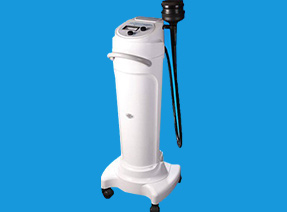
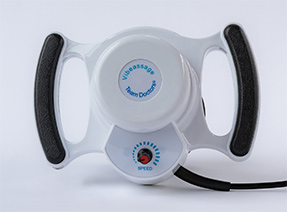
The Role of Vibeassage Sport and Vibeassage Pro
A critical part of David’s recovery was restoring circulation and tissue compliance safely.
This is where:
- Vibeassage Pro (deep recovery phases)
- Vibeassage Sport (daily maintenance)
were used.
Unlike percussion devices that can increase compartment pressure, these tools:
- Improve circulation
- Improve lymphatic drainage
- Reduce tissue density
- Reduce guarding
- And restore elastic behavior
As this happened:
- His forearms warmed faster
- Swelling stopped
- Pressure stopped building
- Endurance returned
The Exercise Progression That Actually Works
David’s recovery followed this exact sequence:
- Restore compliance and circulation
- Reintroduce low-load endurance
- Gradually increase demand
- Monitor recovery, not just performance
This is how gamer fatigue syndrome was reversed instead of reinforced.
The Turning Point: Gaming Without Fear
Before recovery, David had:
- Long hours gaming pain
- Then pain after short sessions
- Then pain even at rest
After restoring mechanics:
- He could game without forearm pain gaming
- Without numbness in hands gaming
- Without tingling fingers gaming
- Without swelling
- Without fear
What This Means for Gamer’s Wrist, Gamer’s Thumb, and Gaming Elbow
Gamers keep asking:
- What is a gamer’s wrist?
- How long does a gamer’s wrist last?
- Is gamer’s thumb permanent?
- How to fix thumb pain from gaming?
- How to fix gamer’s elbow?
- What is a gaming elbow?
The real answer is:
These conditions last as long as the compression system remains broken.
They resolve when the system is restored.
Can Gaming Give You Carpal Tunnel?
Can gaming give you carpal tunnel?
Yes.
But many people diagnosed with carpal tunnel gaming actually have:
- Forearm compartment pressure
- Shoulder outlet compression
- Or mixed nerve compression chains
This is why so many “carpal tunnel” cases fail to respond to local treatment.
Can Video Games Cause Numbness?
Can video games cause numbness?
Yes — through dynamic nerve compression, not necessarily structural damage.
This is why scans are often normal.
Why Pro Gamers Often Survive
How do pro gamers not get carpal tunnel?
Some do.
But many:
- Manage load
- Rotate stress
- Prioritize recovery
- Stop before collapse
- Treat themselves like athletes
Amateurs often push through fatigue — which is exactly how chronic pain gamers are created.
What Real Gaming Injury Prevention Looks Like
Real gaming injury prevention is not:
- Just posture
- Just ergonomics
- Just breaks
It is:
- Maintaining tissue elasticity
- Maintaining circulation
- Maintaining shoulder suspension
- Managing total weekly load
- Respecting recovery
The Final Reality
If you are living with:
- Gaming injury symptoms
- Gamer neck pain
- Gamer shoulder pain
- Gamer wrist pain
- Gamer hand pain
- Gamer thumb pain
- Chronic arm pain gaming
- Gaming pain won’t go away
…your body is not broken.
Your mechanical suspension system is compressed.
And compressed systems do not heal by rest alone.
They heal by restoring space, motion, and elasticity.
The Way Back
Gamers do not need to quit gaming.
They need to:
- Stop treating symptoms in isolation
- Stop chasing single-spot diagnoses
- And start restoring the entire spring system
That is how you reverse:
- Gaming overuse injury
- Gaming caused nerve damage
- Esports nerve damage
- And prevent gaming related disability
Final Word
This is not a wrist problem.
This is not a thumb problem.
This is not an elbow problem.
This is a system problem.
And systems can be rebuilt.
Team Doctors Resources
✓ Check out the Team Doctors Recovery Tools
The Vibeassage Sport and the Vibeassage Pro featuring the TDX3 soft-as-the-hand Biomimetic Applicator Pad
https://www.teamdoctors.com/
✓ Get Dr. Stoxen’s #1 International Bestselling Books
Learn how to understand, examine, and reverse your TOS—without surgery.
https://drstoxen.com/1-international-best-selling-author/
✓ Check out Team Doctors Online Courses
Step-by-step video lessons, demonstrations, and self-treatment strategies.
https://teamdoctorsacademy.com/
✓ Schedule a Free Phone Consultation With Dr. Stoxen
Speak directly with him so he can review your case and guide you on your next steps.
https://drstoxen.com/appointment/
#ThoracicOutletSyndrome #TOS #TOSDiagnosis #NeurogenicTOS #MuscleGuarding #RibDysfunction #Misdiagnosis #HandsOnCare #ClinicalExamination #Biomechanics #NerveCompression #PectoralisMinor #ThoracicOutletCompression #PatientStories #MedicalEducation #MovementBasedCare #TOSAwareness #DeepTissue #EarlyTreatment #TeamDoctors #ThoracicOutletSyndrome #TOSAwareness #TOSPain #ChronicPainJourney #NerveCompression #ArmPain #ShoulderPain #RareDiseaseAwareness #InvisibleIllness #ChronicPainLif
Medical Disclaimer
This article is provided for educational and informational purposes only. It is not intended to diagnose, treat, cure, or prevent any disease, nor is it intended to replace professional medical advice, diagnosis, or treatment.
Thoracic outlet syndrome and related nerve, vascular, and musculoskeletal conditions can present differently in each individual. Treatment decisions—including surgical and non-surgical options—must be made on a case-by-case basis in consultation with a qualified, licensed healthcare professional who is familiar with the patient’s complete medical history.
The experiences described in this article reflect individual outcomes and do not guarantee similar results for others. Surgical procedures, including thoracic outlet surgery and first rib resection, carry inherent risks, and outcomes vary based on many factors including diagnosis, timing, practitioner experience, and patient-specific anatomy and physiology.
Readers should not delay or discontinue medical care based on information contained in this article. Always seek the guidance of a qualified healthcare provider with any questions regarding symptoms, conditions, or treatment options.
Editor’s Note
This article explores a patient and family experience following thoracic outlet syndrome surgery and highlights the importance of comprehensive evaluation, informed decision-making, and second opinions when managing complex pain conditions.
The article also references the Human Spring Approach, a biomechanical evaluation and treatment framework developed by Dr James Stoxen, which emphasizes understanding the body as an integrated, dynamic spring system rather than a collection of isolated anatomical structures. The inclusion of this approach is intended to illustrate an alternative clinical perspective, not to discredit surgery or any specific medical specialty.
Mention of specific clinicians, evaluation models, or treatment philosophies does not constitute endorsement, medical advice, or a claim of superiority. Rather, it reflects the editorial goal of encouraging patients and families to seek clarity, explanation, and individualized assessment before pursuing irreversible interventions.
The editorial position of this publication is that understanding should precede intervention, especially in conditions where symptoms persist, worsen, or fail to respond to standard care.
#GamingInjuries #GamerPain #EsportsHealth #RepetitiveStrainInjury #CarpalTunnel #CubitalTunnelSyndrome #ThoracicOutletSyndrome #GamersThumb #TriggerFinger #ForearmPain #NerveCompression #ChronicArmPain #PoorCirculation #GamingRecovery #ChronicPainGamers #GamingOveruseInjury #HumanSpringApproach #InjuryPrevention #GamingErgonomics #EsportsRecovery

Dr James Stoxen DC., FSSEMM (hon) He is the president of Team Doctors®, Treatment and Training Center Chicago, one of the most recognized treatment centers in the world.
Dr Stoxen is a #1 International Bestselling Author of the book, The Human Spring Approach to Thoracic Outlet Syndrome. He has lectured at more than 20 medical conferences on his Human Spring Approach to Thoracic Outlet Syndrome and asked to publish his research on this approach to treating thoracic outlet syndrome in over 30 peer review medical journals.
He has been asked to submit his other research on the human spring approach to treatment, training and prevention in over 150 peer review medical journals. He serves as the Editor-in-Chief, Journal of Orthopedic Science and Research, Executive Editor or the Journal of Trauma and Acute Care, Chief Editor, Advances in Orthopedics and Sports Medicine Journal and editorial board for over 35 peer review medical journals.
He is a much sought-after speaker. He has given over 1000 live presentations and lectured at over 70 medical conferences to over 50,000 doctors in more than 20 countries. He has been invited to speak at over 300 medical conferences which includes invitations as the keynote speaker at over 50 medical conferences.
After his groundbreaking lecture on the Integrated Spring-Mass Model at the World Congress of Sports and Exercise Medicine he was presented with an Honorary Fellowship Award by a member of the royal family, the Sultan of Pahang, for his distinguished research and contributions to the advancement of Sports and Exercise Medicine on an International level. He was inducted into the National Fitness Hall of Fame in 2008 and the Personal Trainers Hall of Fame in 2012.
Dr Stoxen has a big reputation in the entertainment industry working as a doctor for over 150 tours of elite entertainers, caring for over 1000 top celebrity entertainers and their handlers. Anthony Field or the popular children’s entertainment group, The Wiggles, wrote a book, How I Got My Wiggle Back detailing his struggles with chronic pain and clinical depression he struggled with for years. Dr Stoxen is proud to be able to assist him.
Full Bio) Dr Stoxen can be reached directly at teamdoctors@aol.com