A Comprehensive Guide to Chronic Neck Pain, Thoracic Outlet Compression, and Postural Muscle Guarding
Chronic pain does not appear suddenly. It develops slowly, quietly, and predictably when the human body is forced to exist in positions that fight gravity rather than cooperate with it. Over time, this conflict creates muscle fatigue, muscle inflammation, and persistent neuromuscular guarding, eventually compressing nerves, blood vessels, joints, and anatomical passageways.
This is the root of chronic neck pain, chronic shoulder pain, chronic neck and shoulder pain, constant neck pain, constant neck and shoulder pain, and chronic thoracic pain. It is also the underlying mechanism behind many cases labeled as thoracic outlet syndrome, drooping shoulder syndrome, and postural thoracic outlet complications.
To understand why these conditions develop — and why they so often persist despite treatment — we must first understand gravity.
Gravity Is the Constant Force Shaping the Human Body
Gravity pulls downward 24 hours a day. The human body evolved to stack itself vertically so that bones bear load and muscles remain elastic, responsive, and energy-efficient. When posture is aligned with gravity, muscles cycle between contraction and relaxation. When posture fights gravity, muscles must contract continuously just to hold body parts in space.
The human head weighs approximately 10 pounds.
Each shoulder weighs roughly 15 pounds.
If the head drifts forward or the shoulders collapse downward and forward, muscles must remain active at all times to prevent structural failure. Over weeks, months, and years, this creates muscle spasms in neck, tight scalene muscles, and chronic upper chest tension.
This is not opinion or preference. It is biomechanics and neurophysiology.
The Righting Reflex: Why the Body Sacrifices the Neck and Shoulders
The righting reflex is a primitive neurological mechanism that ensures the head remains perpendicular to Earth’s gravity and the eyes stay aligned with the horizon. If posture below the neck collapses, the nervous system will recruit muscles of the neck, shoulders, and upper chest to preserve head position.
This reflex explains why:
- Forward head posture is so common
- Shoulders droop over time
- Neck muscles remain tight even at rest
The body prioritizes visual orientation and balance over comfort.
Chronic Muscle Guarding: The Beginning of Compression Syndromes
When muscles are forced to hold weight against gravity for prolonged periods, they do not simply “get tight.” They enter a protective state called splinting and guarding. This reflexive contraction limits movement to protect perceived instability or inflammation.
Over time, this leads to:
- Loss of elasticity
- Reduced circulation
- Accumulation of metabolic waste
- Increased nociceptor signaling
This process is central to tight scalene muscles symptoms, thoracic myalgia, and persistent upper-quarter pain.
The Scalene Muscles and Anterior Scalene Syndrome
The scalene muscles play a major role in neck stabilization and breathing. They were never designed to act as primary postural supports.
When posture collapses, the anterior scalene muscle becomes chronically active, shortening and stiffening over time. This contributes to anterior scalene syndrome, also referred to as anterior scalene muscle syndrome.
Common anterior scalene syndrome symptoms include:
- Neck pain radiating into the shoulder
- Arm heaviness or fatigue
- Tingling or numbness in the hand
- Symptoms worsened by prolonged sitting or poor posture
Because nerves and blood vessels pass near the scalene muscles, chronic tension here can create thoracic outlet compression without structural abnormality.
Muscles Scalene Treatment and Why Stretching Alone Fails
Traditional muscles scalene treatment often focuses on stretching or strengthening. However, stretching a muscle that is tight due to postural overload does not address the cause.
Unless posture is restored so gravity no longer demands constant contraction, tension will return. This is why anterior scalene syndrome treatment must address the entire postural system rather than isolating one muscle.
The Pectoralis Minor and Drooping Shoulder Syndrome
The pectoralis minor connects the rib cage to the shoulder blade. When it shortens, it pulls the shoulder forward and downward, contributing to:
- Drooping shoulder syndrome
- Droopy shoulder syndrome exercises being prescribed without success
- Forward shoulder posture
- Reduced thoracic outlet space
Pectoralis minor syndrome is frequently overlooked, yet it plays a critical role in postural thoracic outlet complications and chronic shoulder dysfunction.
Surgical Interventions and Their Limitations
In more aggressive medical models, pectoralis minor tenotomy or anterior scalenectomy may be performed to relieve compression. While these procedures can reduce symptoms temporarily, they do not correct the underlying postural forces created by gravity.
This explains the recurrence of symptoms after surgery seen in many patients. Additionally, surgical intervention can lead to scar tissue entrapment, creating new sources of compression.
The Subclavius Muscle and Muscle Under Clavicle Pain
The subclavius muscle runs directly beneath the clavicle. When chronically tight, it can contribute to muscle under clavicle pain and restrict clavicular motion during breathing and arm movement.
This tension often interacts with dysfunction of the first rib, further narrowing space for nerves and blood vessels.
Omohyoid Thoracic Outlet Syndrome: Small Muscles, Big Impact
The concept of omohyoid thoracic outlet syndrome highlights that even small stabilizing muscles can contribute to compression when posture collapses.
Thoracic outlet compression is rarely caused by one structure alone. It is a system-wide adaptation to gravity misalignment.
Thoracic Muscles and Chronic Thoracic Pain
The thoracic muscles are designed to support breathing and spinal motion, not static holding. When posture collapses, these muscles remain active at rest, leading to chronic thoracic pain and thoracic myalgia.
This pain is often described as deep, aching, or burning between the shoulder blades.
Conservative Treatment for Thoracic Outlet Syndrome
True conservative treatment for thoracic outlet syndrome focuses on restoring harmony with gravity rather than forcing the body into corrective positions.
This includes:
- Conservative management
- Conservative treatment of thoracic outlet syndrome
- Non-surgical treatment for thoracic outlet syndrome
- Alternative treatment for thoracic outlet syndrome
- Thoracic outlet syndrome holistic treatment
The goal is to reduce the need for constant muscle contraction.
Physical Therapy, Adjustments, and Postural Awareness
Physical therapy can be beneficial when it emphasizes posture, breathing, and gravity alignment rather than aggressive strengthening.
Adjustments may restore joint motion temporarily, but without postural integration, the body will revert to its previous state.
Exercises for Thoracic Outlet Syndrome Treatment — With Care
Many physical therapy exercises for thoracic outlet syndrome fail because they add load to already fatigued muscles.
Effective exercises for thoracic outlet syndrome treatment should reduce effort, not increase it. Aggressive strengthening can worsen symptoms when posture remains unchanged.
Home Treatment and Self-Care Strategies
Effective home treatment, thoracic outlet syndrome self-care, and at-home treatment for thoracic outlet syndrome focus on awareness rather than force.
Key principles include:
- Reducing forward head posture
- Allowing shoulders to rest without collapse
- Supporting the thoracic spine during sitting
- Avoiding prolonged static positions
This approach supports living with thoracic outlet syndrome while gradually restoring function.
Is There a Cure for Thoracic Outlet Syndrome?
There is no single pill or procedure that serves as a universal cure for thoracic outlet syndrome. However, fixing thoracic outlet syndrome is possible when the underlying postural cause is addressed.
The best treatment for thoracic outlet syndrome is the one that removes the need for chronic muscle contraction.
Thoracic Outlet Syndrome Natural Treatment and Gravity Alignment
Thoracic outlet syndrome natural treatment does not mean inaction. It means restoring natural mechanics so the body can decompress itself.
This includes:
- Postural awareness
- Breathing mechanics
- Reduction of muscle guarding
Living in Harmony With Gravity: The Long-Term Solution
Posture is not about forcing the body into position. It is about allowing gravity to support the structure rather than overload the muscles.
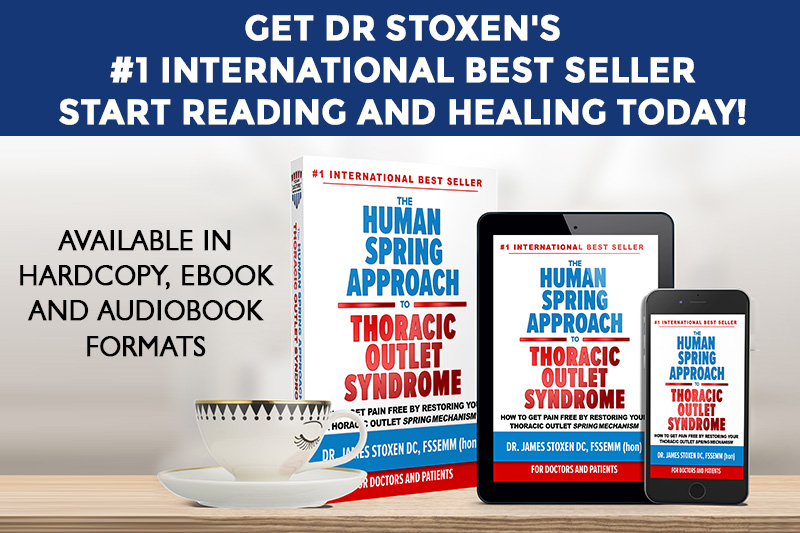
In The Human Spring Approach to Thoracic Outlet Syndrome, an entire chapter is dedicated to this concept. The body is engineered with elastic systems designed to absorb and release load — not hold it statically.
When posture fights gravity, muscles become the support system. When posture aligns with gravity, muscles regain their elasticity and rest.
Final Thoughts
Chronic pain is not random. It is a predictable outcome of living out of alignment with gravity.
When posture improves:
- Muscle tension decreases
- Compression reduces
- Circulation improves
- Nerve irritation diminishes
Living in harmony with gravity is not a technique.
It is a principle.
And principles, unlike treatments, do not wear out.
© 2025 Dr. James Stoxen / Team Doctors® Academy
All rights reserved.
Team Doctors Resources
✓ Check out the Team Doctors Recovery Tools
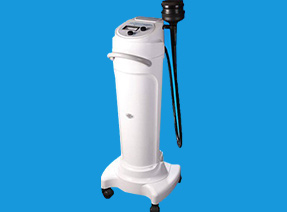
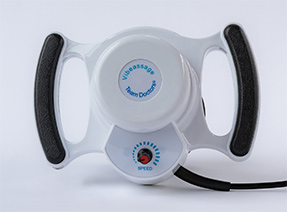
The Vibeassage Sport and the Vibeassage Pro featuring the TDX3 soft-as-the-hand Biomimetic Applicator Pad
https://www.teamdoctors.com/
✓ Get Dr. Stoxen’s #1 International Bestselling Books
Learn how to understand, examine, and reverse your TOS—without surgery.
https://drstoxen.com/1-international-best-selling-author/
✓ Check out Team Doctors Online Courses
Step-by-step video lessons, demonstrations, and self-treatment strategies.
https://teamdoctorsacademy.com/
✓ Schedule a Free Phone Consultation With Dr. Stoxen
Speak directly with him so he can review your case and guide you on your next steps.
https://drstoxen.com/appointment/

Dr James Stoxen DC., FSSEMM (hon) He is the president of Team Doctors®, Treatment and Training Center Chicago, one of the most recognized treatment centers in the world.
Dr Stoxen is a #1 International Bestselling Author of the book, The Human Spring Approach to Thoracic Outlet Syndrome. He has lectured at more than 20 medical conferences on his Human Spring Approach to Thoracic Outlet Syndrome and asked to publish his research on this approach to treating thoracic outlet syndrome in over 30 peer review medical journals.
He has been asked to submit his other research on the human spring approach to treatment, training and prevention in over 150 peer review medical journals. He serves as the Editor-in-Chief, Journal of Orthopedic Science and Research, Executive Editor or the Journal of Trauma and Acute Care, Chief Editor, Advances in Orthopedics and Sports Medicine Journal and editorial board for over 35 peer review medical journals.
He is a much sought-after speaker. He has given over 1000 live presentations and lectured at over 70 medical conferences to over 50,000 doctors in more than 20 countries. He has been invited to speak at over 300 medical conferences which includes invitations as the keynote speaker at over 50 medical conferences.
After his groundbreaking lecture on the Integrated Spring-Mass Model at the World Congress of Sports and Exercise Medicine he was presented with an Honorary Fellowship Award by a member of the royal family, the Sultan of Pahang, for his distinguished research and contributions to the advancement of Sports and Exercise Medicine on an International level. He was inducted into the National Fitness Hall of Fame in 2008 and the Personal Trainers Hall of Fame in 2012.
Dr Stoxen has a big reputation in the entertainment industry working as a doctor for over 150 tours of elite entertainers, caring for over 1000 top celebrity entertainers and their handlers. Anthony Field or the popular children’s entertainment group, The Wiggles, wrote a book, How I Got My Wiggle Back detailing his struggles with chronic pain and clinical depression he struggled with for years. Dr Stoxen is proud to be able to assist him.
Full Bio) Dr Stoxen can be reached directly at teamdoctors@aol.com