Paget-Schroetter Syndrome is a vascular condition that affects the veins of the upper extremity.
It is most commonly associated with a specific form of thoracic outlet compression involving the subclavian vein.
This condition is often discussed within the broader category of Thoracic Outlet Syndrome.
In clinical settings, it is sometimes referred to as effort-related upper extremity venous compression.
Many individuals first notice symptoms that appear suddenly and without warning.
These changes frequently occur after repetitive or forceful upper extremity activity.
One of the most commonly reported findings is arm swelling on one side.
Patients often describe a visible size difference between the affected arm and the opposite side.
Another frequent description is pain / heaviness of arm that develops rapidly.
This sensation may worsen with activity or sustained arm elevation.
A hallmark presentation includes sudden arm swelling after exertion.
This pattern is commonly reported following sports, weight training, or overhead work.
In clinical observation, discoloration may be noted in the affected limb.
This can include cyanosis / bluish discoloration of the arm or hand.
Superficial vein changes are also commonly observed.
Clinicians often note collateral vein prominence across the shoulder or chest.
Paget-Schroetter Syndrome involves venous outflow restriction rather than arterial compromise.
This distinguishes it from arterial thoracic outlet presentations.
The underlying mechanism relates to compression within the thoracic outlet region.
This area contains critical neurovascular structures traveling from the neck to the arm.
From an imaging perspective, accurate assessment is essential.
This is where thoracic outlet syndrome imaging plays a central role.
Initial evaluation often begins with noninvasive techniques.
One commonly used modality is duplex ultrasound.
Ultrasound allows dynamic visualization of venous flow.
It is frequently referred to clinically as thoracic outlet syndrome ultrasound.
Dynamic arm positioning can be used during testing.
This helps identify positional venous compression patterns.
However, ultrasound has limitations in deeper structures.
This leads many clinicians to advanced imaging.
Cross-sectional imaging provides additional anatomical detail.
This includes MRI / MRV studies of the thoracic outlet.
Magnetic resonance imaging allows visualization of soft tissues.
It also helps evaluate the relationship between veins, muscles, and bones.
Magnetic resonance venography focuses specifically on venous flow.
It is useful for detecting areas of narrowing or obstruction.
Many protocols now include a dedicated thoracic outlet MRI approach.
This allows imaging with arms in both neutral and elevated positions.
Facilities may follow a standardized Thoracic outlet syndrome MRI protocol.
These protocols are designed to reproduce symptomatic positions.
MRI can also identify anatomical contributors.
This includes evaluation for bony variants such as cervical ribs.
When bony anatomy is suspected, plain radiographs are often obtained.
These are commonly referred to as diagnostic tests X-ray.
A specific focus may include an X-ray of cervical rib.
This helps identify congenital variations that narrow the outlet.
Advanced imaging can further assess these findings.
This may include cervical rib MRI for detailed visualization.
Venous imaging sometimes requires direct contrast studies.
This is where venography remains clinically relevant.
Venography allows real-time visualization of venous flow patterns.
It can demonstrate obstruction, narrowing, or collateral formation.
In some cases, multiple imaging tools are combined.
This approach improves diagnostic confidence.
Clinicians may order diagnostic tests MRI alongside ultrasound.
This layered strategy helps confirm findings.
Another important consideration is clot formation.
Venous compression can contribute to thrombus development.
This introduces concern regarding the risk of pulmonary embolism.
Venous obstruction in the arm may propagate centrally.
From a diagnostic standpoint, imaging is used to document anatomy.
It also helps correlate structure with reported symptoms.
Many reports include detailed thoracic outlet images.
These images are reviewed alongside clinical examination.
It is important to distinguish venous compression from nerve-related forms.
Paget-Schroetter Syndrome is primarily vascular in nature.
Unlike neurogenic presentations, sensory symptoms may be minimal.
Swelling and color change are more prominent.
Imaging also helps rule out alternative diagnoses.
These include lymphatic disorders or localized trauma.
In clinical experience, positional testing during imaging is critical.
Static images alone may miss functional compression.
Facilities experienced in thoracic outlet evaluation often tailor studies.
This improves detection accuracy.
A comprehensive report typically describes venous caliber changes.
It may also document collateral pathways.
Imaging findings are interpreted in conjunction with history.
No single test is used in isolation.
Clinicians rely on pattern recognition across modalities.
This includes ultrasound, MRI, and venography.
Understanding imaging terminology helps patients follow discussions.
Clear explanations improve shared decision-making.
Paget-Schroetter Syndrome remains a diagnosis that depends on correlation.
Symptoms, physical findings, and imaging must align.
From an educational perspective, awareness of imaging options is key.
This empowers individuals to understand their evaluation process.
Team Doctors Resources
✓ Check out the Team Doctors Recovery Tools
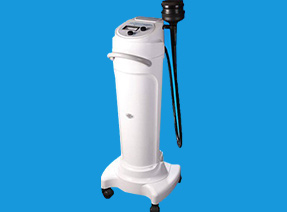
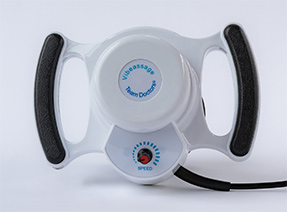
The Vibeassage Sport and the Vibeassage Pro featuring the TDX3 soft-as-the-hand Biomimetic Applicator Pad
https://www.teamdoctors.com/
✓ Get Dr. Stoxen’s #1 International Bestselling Books
Learn how to understand, examine, and reverse your TOS—without surgery.
https://drstoxen.com/1-international-best-selling-author/
✓ Check out Team Doctors Online Courses
Step-by-step video lessons, demonstrations, and self-treatment strategies.
https://teamdoctorsacademy.com/
✓ Schedule a Free Phone Consultation With Dr. Stoxen
Speak directly with him so he can review your case and guide you on your next steps.
https://drstoxen.com/appointment/
#PagetSchroetterSyndrome #ThoracicOutletSyndrome #VenousTOS #ArmSwelling #UpperExtremityVeins #TOSImaging #MRV #DuplexUltrasound #Venography #CervicalRib #SubclavianVein #VascularCompression #ClinicalImaging #MedicalEducation #TOSDiagnosis #VascularHealth #AnatomyEducation #ImagingScience #OrthopedicImaging #TeamDoctors
References
Illig KA, Donahue D, Duncan A, et al. Reporting standards of the Society for Vascular Surgery for thoracic outlet syndrome. Journal of Vascular Surgery. 2016;64(3):e23–e35. https://doi.org/10.1016/j.jvs.2016.04.039
Peek J, Vos CG, Ünlü Ç, et al. Outcome of surgical treatment for thoracic outlet syndrome: systematic review and meta-analysis. Annals of Vascular Surgery. 2017;40:303–326. https://doi.org/10.1016/j.avsg.2016.09.010
Chang KZ, Likes K, Davis K, et al. The significance of cervical ribs in thoracic outlet syndrome. Journal of Vascular Surgery. 2013;57(3):771–775. https://doi.org/10.1016/j.jvs.2012.09.046
Demondion X, Herbinet P, Van Sint Jan S, et al. Imaging assessment of thoracic outlet syndrome. Radiographics. 2006;26(6):1735–1750. https://doi.org/10.1148/rg.266065070

Dr James Stoxen DC., FSSEMM (hon) He is the president of Team Doctors®, Treatment and Training Center Chicago, one of the most recognized treatment centers in the world.
Dr Stoxen is a #1 International Bestselling Author of the book, The Human Spring Approach to Thoracic Outlet Syndrome. He has lectured at more than 20 medical conferences on his Human Spring Approach to Thoracic Outlet Syndrome and asked to publish his research on this approach to treating thoracic outlet syndrome in over 30 peer review medical journals.
He has been asked to submit his other research on the human spring approach to treatment, training and prevention in over 150 peer review medical journals. He serves as the Editor-in-Chief, Journal of Orthopedic Science and Research, Executive Editor or the Journal of Trauma and Acute Care, Chief Editor, Advances in Orthopedics and Sports Medicine Journal and editorial board for over 35 peer review medical journals.
He is a much sought-after speaker. He has given over 1000 live presentations and lectured at over 70 medical conferences to over 50,000 doctors in more than 20 countries. He has been invited to speak at over 300 medical conferences which includes invitations as the keynote speaker at over 50 medical conferences.
After his groundbreaking lecture on the Integrated Spring-Mass Model at the World Congress of Sports and Exercise Medicine he was presented with an Honorary Fellowship Award by a member of the royal family, the Sultan of Pahang, for his distinguished research and contributions to the advancement of Sports and Exercise Medicine on an International level. He was inducted into the National Fitness Hall of Fame in 2008 and the Personal Trainers Hall of Fame in 2012.
Dr Stoxen has a big reputation in the entertainment industry working as a doctor for over 150 tours of elite entertainers, caring for over 1000 top celebrity entertainers and their handlers. Anthony Field or the popular children’s entertainment group, The Wiggles, wrote a book, How I Got My Wiggle Back detailing his struggles with chronic pain and clinical depression he struggled with for years. Dr Stoxen is proud to be able to assist him.
Full Bio) Dr Stoxen can be reached directly at teamdoctors@aol.com