Thoracic Outlet Syndrome is a condition defined by compression of nerves or blood vessels as they pass from the neck into the arm.
Many individuals describe symptoms that lead them to seek immediate symptom control rather than long-term understanding.
In clinical settings, painkillers are often the first option discussed when discomfort becomes disruptive.
This approach reflects a broader medical culture focused on rapid symptom suppression.
Patients often report being prescribed pain relief medication early in the care process.
This may occur before a full biomechanical or postural evaluation is completed.
Many individuals describe starting with over the counter painkillers because they are accessible and familiar.
These medications are widely viewed as low risk due to their availability.
When symptoms persist, clinicians may escalate to prescription painkillers.
This shift often happens without changes in daily movement or posture.
A subset of patients with severe symptoms are introduced to opioid painkillers.
These drugs act centrally and do not address local compression patterns.
Other patients are guided toward non opioid painkillers to reduce dependency concerns.
These alternatives still focus on symptom modulation rather than mechanics.
Anti-inflammatory strategies frequently include NSAIDs.
These drugs are intended to reduce chemical mediators associated with irritation.
Common examples include acetaminophen, which works through central pain pathways.
It does not alter inflammation or tissue loading.
Drugs such as ibuprofen are often recommended for combined pain and inflammation.
Their effects are time-limited and dose-dependent.
Another commonly used option is naproxen, valued for its longer duration.
This can lead to extended suppression of discomfort signals.
Some individuals rely on aspirin due to its long history of use.
Its role in vascular conditions complicates decision-making in TOS cases.
When symptoms persist for months, patients are labeled as needing chronic pain medication.
This designation often marks a transition from acute to long-term management.
Early-stage flare-ups are often treated as acute pain relief scenarios.
The focus remains on calming symptoms quickly.
Neurological symptoms frequently lead to trials of nerve pain medication.
These drugs alter nerve signaling without changing physical compression.
Muscular aching is commonly addressed with muscle pain relief strategies.
This can mask protective guarding patterns.
Joint-related complaints may prompt joint pain medication use.
This is common when shoulder or cervical joints are involved.
Spinal symptoms are often grouped under back pain painkillers.
This broad category overlooks regional biomechanics.
Cervical and cranial symptoms may be treated with headache painkillers.
This is especially common when pain radiates upward.
Some patients experience vascular headaches and are given migraine pain medication.
This may delay recognition of postural contributors.
Inflammatory language often leads to trials of inflammation pain relief products.
These approaches target chemistry rather than structure.
Clinicians may emphasize anti inflammatory drugs as a cornerstone.
This frames TOS primarily as an inflammatory issue.
The broad class of analgesics dominates most pain discussions.
These drugs share the goal of sensation reduction.
Care plans frequently list pain management drugs without clarifying mechanisms.
This can confuse patients seeking understanding.
Severe discomfort may result in escalation to strong painkillers.
Tolerance and diminishing returns are common patterns.
Milder symptoms are often managed with mild painkillers.
Patients may cycle through multiple options over time.
Following procedures, individuals are often prescribed post surgery pain medication.
This can complicate symptom tracking after interventions.
Degenerative changes may lead to arthritis pain relief medication use.
This overlaps with TOS symptoms in older patients.
Neurological complaints sometimes prompt trials of neuropathic pain drugs.
These medications modify nerve excitability.
Daily routines may include pain relief tablets taken on a schedule.
This normalizes ongoing medication reliance.
Others prefer pain relief capsules due to perceived gentler absorption.
The effect remains pharmacologic rather than mechanical.
Topical approaches include pain relief gel applied locally.
Skin-level absorption limits depth of effect.
Some patients experiment with topical painkillers to avoid systemic exposure.
Results vary widely.
Cream-based products such as pain relief cream are also common.
These may provide sensory distraction.
Fast symptom suppression is often sought through fast acting painkillers.
This reinforces short-term thinking.
Over time, patients may find themselves on long term pain medication.
This reflects unresolved underlying contributors.
Adverse reactions lead many to research painkiller side effects.
Gastrointestinal and neurological issues are frequently cited.
Concern grows when patterns suggest painkiller dependency.
This is a significant public health issue.
As awareness increases, interest in painkiller alternatives also grows.
Patients begin to question symptom-only strategies.
From a public health perspective, medication-heavy approaches have consequences.
In the United States, deaths linked to prescription painkillers exceed those from many illicit substances combined [1].
This reality highlights the importance of understanding why pain is occurring.
Thoracic Outlet Syndrome involves physical compression that medications do not remove.
In my clinical experience, patients often report temporary relief followed by recurrence.
This cycle reinforces repeated medication use.
Many individuals describe feeling confused when pain returns despite compliance.
They are rarely told why symptoms persist.
Thoracic Outlet Syndrome requires careful examination of posture and load transfer.
Medication does not change these variables.
Biomechanical assessment focuses on how the shoulder girdle and neck manage forces.
Compression patterns are influenced by daily habits.
Without addressing movement and alignment, chemical suppression dominates care.
This is a pattern I commonly see.
Understanding the limits of painkillers helps patients make informed decisions.
Education shifts focus from masking to understanding mechanisms.
This discussion does not argue for or against any single approach.
It emphasizes the importance of clarity in Thoracic Outlet Syndrome management.
Team Doctors Resources
✓ Check out the Team Doctors Recovery Tools
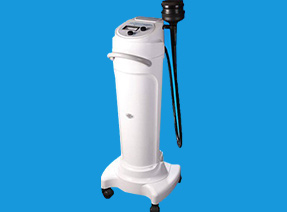
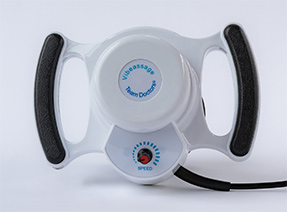
The Vibeassage Sport and the Vibeassage Pro featuring the TDX3 soft-as-the-hand Biomimetic Applicator Pad
https://www.teamdoctors.com/
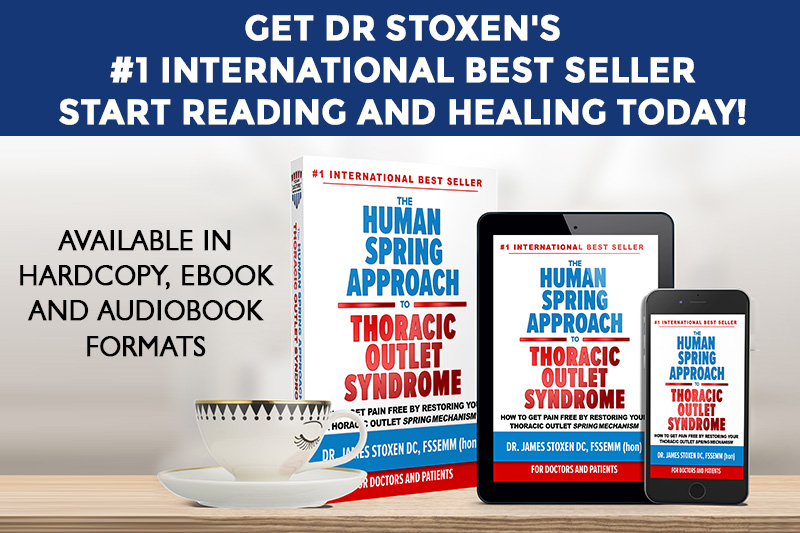
✓ Get Dr. Stoxen’s #1 International Bestselling Books
Learn how to understand, examine, and reverse your TOS—without surgery.
https://drstoxen.com/1-international-best-selling-author/
✓ Check out Team Doctors Online Courses
Step-by-step video lessons, demonstrations, and self-treatment strategies.
https://teamdoctorsacademy.com/
✓ Schedule a Free Phone Consultation With Dr. Stoxen
Speak directly with him so he can review your case and guide you on your next steps.
https://drstoxen.com/appointment/
#ThoracicOutletSyndrome #TOS #PainMedication #Painkillers #ChronicPain #NerveCompression #VascularCompression #Posture #Biomechanics #PainManagement #NSAIDs #Opioids #PublicHealth #PatientEducation #ShoulderPain #NeckPain #NeuropathicPain #Inflammation #MedicationUse #HealthAwareness
References
[1] Centers for Disease Control and Prevention. “Drug Overdose Deaths in the United States.” CDC National Center for Injury Prevention and Control. https://www.cdc.gov/overdose/deaths/index.html
[2] Sanders, R. J., and Hammond, S. L. “Thoracic Outlet Syndrome: A Common Sequela of Neck Injuries.” Philadelphia Medicine 98, no. 2 (2002): 59–62.
[3] Illig, K. A., et al. “Thoracic Outlet Syndrome.” Journal of Vascular Surgery 53, no. 3 (2011): 845–852.
In the United States, more people died from painkillers than people that used drugs like heroin, cocaine, and other drugs that we are spending billions of dollars to try to keep these drugs away from the young people and people are dying on drugs and more people are dying from the painkillers than all the fatal car accidents in the United States so with that we have a definite problem

Dr James Stoxen DC., FSSEMM (hon) He is the president of Team Doctors®, Treatment and Training Center Chicago, one of the most recognized treatment centers in the world.
Dr Stoxen is a #1 International Bestselling Author of the book, The Human Spring Approach to Thoracic Outlet Syndrome. He has lectured at more than 20 medical conferences on his Human Spring Approach to Thoracic Outlet Syndrome and asked to publish his research on this approach to treating thoracic outlet syndrome in over 30 peer review medical journals.
He has been asked to submit his other research on the human spring approach to treatment, training and prevention in over 150 peer review medical journals. He serves as the Editor-in-Chief, Journal of Orthopedic Science and Research, Executive Editor or the Journal of Trauma and Acute Care, Chief Editor, Advances in Orthopedics and Sports Medicine Journal and editorial board for over 35 peer review medical journals.
He is a much sought-after speaker. He has given over 1000 live presentations and lectured at over 70 medical conferences to over 50,000 doctors in more than 20 countries. He has been invited to speak at over 300 medical conferences which includes invitations as the keynote speaker at over 50 medical conferences.
After his groundbreaking lecture on the Integrated Spring-Mass Model at the World Congress of Sports and Exercise Medicine he was presented with an Honorary Fellowship Award by a member of the royal family, the Sultan of Pahang, for his distinguished research and contributions to the advancement of Sports and Exercise Medicine on an International level. He was inducted into the National Fitness Hall of Fame in 2008 and the Personal Trainers Hall of Fame in 2012.
Dr Stoxen has a big reputation in the entertainment industry working as a doctor for over 150 tours of elite entertainers, caring for over 1000 top celebrity entertainers and their handlers. Anthony Field or the popular children’s entertainment group, The Wiggles, wrote a book, How I Got My Wiggle Back detailing his struggles with chronic pain and clinical depression he struggled with for years. Dr Stoxen is proud to be able to assist him.
Full Bio) Dr Stoxen can be reached directly at teamdoctors@aol.com