A Life Slowly Overtaken by Pain
Jennifer’s life did not collapse all at once. It eroded gradually, piece by piece, over more than a decade. In the beginning, there were small signs—tightness in her neck, discomfort in her shoulder, a strange heaviness in her arm that came and went. She told herself it was stress, overwork, or aging. But what she did not know then was that these early warnings marked the beginning of a long and devastating journey with thoracic outlet syndrome.
For more than twelve years, Jennifer lived with pain. For the last five of those years, that pain became severe, disabling, and relentless. Her condition progressed into what she would later understand as advanced compression affecting nerves, blood vessels, and muscles. At the time, however, she had no roadmap—only symptoms that worsened no matter what she tried.
Like many patients, Jennifer desperately searched for how to fix thoracic outlet syndrome without sacrificing her body. She wanted to know whether thoracic outlet syndrome without surgery was even possible, or whether her future would be defined by invasive procedures and permanent loss.
Severe Physical Symptoms No One Could Explain
Jennifer’s symptoms were intense and unmistakable. Her neck became visibly swollen. Her trapezius muscle inflamed so severely that it spasmed outward, protruding one to two inches from her neck. Pain wrapped around her collarbone and first rib, extending into her chest and deep between her ribs in the front.
Her shoulders hurt constantly—front, back, and across the traps. Severe upper back pain burned between her shoulder blades. Deep breaths were difficult. Her chest ached. Her heart raced unexpectedly, adding fear to already overwhelming discomfort.
Her left arm became a daily source of alarm. Even simple use caused it to feel unbearably heavy. Blood pooled instead of draining. Swelling became visible. Over time, muscle wasting appeared in her left hand. The atrophy became so severe that her hand looked like skin stretched over bone. Her grip weakened. Strength vanished. Numbness and tingling persisted in her fourth and fifth fingers.
This was not vague pain. This was clear evidence of compression—yet no one addressed it as such.
The Emotional Toll of Chronic Compression
As Jennifer’s physical symptoms intensified, her emotional health deteriorated. Chronic pain infiltrated every aspect of her life. She could no longer drive her children to school consistently. She stopped attending social gatherings. Shopping trips ended abruptly when the pain became unbearable.
She withdrew—not because she wanted to, but because her body demanded it. Isolation led to chronic sadness, low mood, and emotional numbness. Sleep deprivation compounded everything. For five straight years, she never slept through the night. Even with prescription sleep medication, she woke two to four times nightly.
The exhaustion became profound. Fatigue and depression fed into one another. Doctors labeled her condition with terms like major depressive disorder, clinical depression, and mood disorder, yet no one asked why her nervous system was trapped in constant distress.
Her experience mirrored what many patients face when unresolved compression leads to nervous system dysregulation, chronic fatigue, and inflammation and depression—a cascade no pill alone can correct.
Misdiagnoses and Medication Overload
As Jennifer searched for relief, she encountered a pattern repeated far too often. When pain could not be easily explained, it was reframed as fibromyalgia. When fatigue and despair worsened, antidepressants were prescribed.
She was placed on SSRIs. When those failed, additional antidepressants were layered on. Drugs used for seizures—despite her never having seizures—were added. Blood pressure medication followed. Sleep medications became nightly necessities.
At one point, Jennifer was taking more than a dozen medications simultaneously. Several carried warnings about dangerous interactions. Yet no one stepped back to evaluate whether the medications were masking symptoms of a deeper mechanical and inflammatory problem.
The result was not healing. It was deterioration.
The Promise of Surgery and the Reality That Followed
In August of 2018, Jennifer underwent shoulder decompression surgery. She was told it would help relieve her pain and restore function. Desperate for relief, she agreed.
Initially, she experienced partial improvement. But the relief was incomplete and short-lived. Her shoulder never fully recovered. Over time, the surgery altered her biomechanics without addressing the underlying compression. By August of 2021, her pain returned with greater intensity than before.
Later, she would learn that the surgery was unnecessary. No one had evaluated her posture, joint spacing, or movement patterns. No one had assessed whether her symptoms stemmed from functional compression rather than structural damage.
Her experience became a painful example of why avoiding surgery for arm pain matters when the root cause lies elsewhere.
Stress, Trauma, and Rapid Decline
In early 2021, Jennifer’s father passed away. Grief added emotional strain to an already overwhelmed nervous system. At the same time, she was working at Vancouver International Airport during the COVID-19 pandemic—a high-stress environment that taxed her physically and mentally.
Her symptoms escalated rapidly. Headaches became severe and daily. Her arm grew heavier. Swelling worsened. Breathing became more difficult. The compression in her thoracic outlet intensified under stress, yet no one connected the dots.
This was the moment when Jennifer began to fear she would never recover.
A Diagnosis Without Direction
Eventually, Jennifer was diagnosed with thoracic outlet syndrome. The diagnosis explained her symptoms—but it did not come with a solution she could trust. She was told that if conservative measures failed, surgery might be necessary.
She read about rib resections. Muscle removals. Chest incisions. She saw photos of scars. She read accounts of people whose pain worsened after surgery.
Jennifer began actively searching for alternatives to thoracic outlet surgery. She wanted natural treatment for thoracic outlet syndrome, non-surgical treatment for TOS, and a conservative treatment for thoracic outlet syndrome that did not risk further damage.
She asked herself repeatedly: can thoracic outlet syndrome heal naturally, or was surgery inevitable?
Living in Fear of the Next Recommendation
Jennifer was placed on a waiting list for Botox injections into her pectoral muscle to reduce compression. Even that felt like a temporary fix rather than a solution. She was grateful she did not have an extra rib, which might have fast-tracked her toward invasive procedures.
Still, the threat of surgery loomed. She knew that once that path began, it could not be undone.
Her family felt the strain. Her husband took on the responsibilities of daily life. He attended social events alone. He became caregiver, parent, and emotional anchor while watching his wife fade.
Jennifer felt guilt layered on top of pain—guilt for missed moments, missed energy, missed presence.
When Pain Consumes Identity
By this stage, Jennifer’s life revolved around survival. She measured her days in pain tolerance. She delayed helping her children with homework because she needed “ten more minutes” to gather strength. She avoided having friends over because she could not muster the energy to pretend she was okay.
This was not just physical suffering. It was mental health erosion—hopelessness, loss of interest, mental exhaustion, and burnout caused by years of unrelenting compression.
Yet still, no one offered a coherent, functional plan.
The Turning Point: A Different Kind of Specialist
Jennifer’s turning point came when her doctor suggested she speak with Dr. James Stoxen, a clinician known for working with complex thoracic outlet syndrome cases and understanding the link between inflammation, biomechanics, and the nervous system.
For the first time, Jennifer encountered a thoracic outlet syndrome specialist who did not immediately discuss procedures. Instead, he discussed movement, posture, inflammation, and compression.
This was not about cutting tissue. It was about restoring space.
Introduction to the Human Spring Approach
During their initial consultation, Jennifer learned about the Human Spring Approach—a model that views the body as an integrated spring system rather than a rigid structure of levers. In this framework, joints must dynamically decompress, muscles must lengthen and recoil, and nerves and blood vessels require space created through movement and alignment.
Her prior surgery had failed because it altered tissue without restoring spring mechanics. Compression remained. Inflammation persisted.
The Human Spring Approach offered something entirely different: treat TOS without surgery, reduce compression without surgery, and restore shoulder space naturally through functional treatment for TOS.
For the first time in years, Jennifer felt cautious but real hope.
The First Consultation That Looked at Her Whole Body
Jennifer approached the initial consultation with guarded hope. Years of disappointment had trained her to expect very little. What surprised her immediately was that this evaluation did not begin with a single body part. Instead, her entire posture, stance, and visible asymmetry were assessed. Her left side was compressed and twisted. Her shoulder girdle sat forward and downward. Her neck muscles were in a constant protective contraction.
For the first time, someone explained that thoracic outlet syndrome is rarely just a neck or shoulder issue. It is a system-wide problem involving movement, posture, muscle tone, inflammation, and nervous system overload. This reframing helped Jennifer understand why isolated treatments had failed.
She was told plainly that her previous shoulder surgery did not restore function and likely worsened mechanical compression. The surgery changed tissue but did not create space. The pain that followed was not mysterious—it was predictable.
This explanation alone brought relief. It validated years of suffering without blaming her body or her mind.
Why Conservative Care Had Failed Before
Jennifer had tried nearly everything that was labeled conservative. Physical therapy, deep tissue massage, dry needling, IMS, and strengthening programs all left her worse the next day. She could not tolerate one-hour sessions. Her nervous system reacted defensively to aggressive input.
She learned that not all conservative care is equal. When therapy ignores compression patterns and nervous system sensitivity, it can aggravate symptoms. Her past treatments failed because they attempted to force strength and flexibility into a system that was already overloaded.
True conservative care for TOS, she learned, must calm the system before retraining it. Otherwise, the body remains stuck in protection.
Understanding Compression Without Cutting
A core concept Jennifer learned early was that most thoracic outlet symptoms come from space loss, not damaged structures. Nerves and blood vessels are not broken—they are trapped. Surgery removes tissue but does not teach the body how to hold space dynamically.
The goal instead was to reduce compression without surgery, relieve nerve compression naturally, and improve blood flow without surgery by restoring alignment and muscle balance.
This approach stood in stark contrast to everything she had been told before.
The Human Spring Approach in Practice
The Human Spring Approach treats the body as a dynamic system designed to absorb and release forces efficiently. When muscles become chronically tight, joints lose their ability to decompress. This stiffness collapses the spaces where nerves and blood vessels pass.
Jennifer’s body had lost its spring. Her system was rigid, inflamed, and guarded.
Treatment focused on restoring spring behavior—lengthening muscles slowly, decompressing joints gently, and calming the nervous system so movement could return without fear. This was functional treatment for TOS, not symptom chasing.
Early Treatment: Gentle but Precise
Jennifer was surprised by how deliberate the sessions were. Pressure was deep but applied slowly. The goal was not to overpower tissue but to allow it to release. Her system responded differently than it ever had before.
For the first time, she did not wake up worse the next day. Instead, she noticed subtle improvements—less neck tension, decreased arm heaviness, and improved circulation. Her hand no longer felt ice-cold.
This was her first experience with true non-surgical recovery TOS.
Restoring Blood Flow and Nerve Function
One of the most dramatic changes occurred when the compression in her thoracic outlet began to ease. Blood that had been pooling in her arm began to drain normally. Swelling reduced. Her arm felt lighter.
Her hands changed appearance. The skeletal look softened. Color improved. Sensation returned. These changes confirmed that circulation—not damage—had been the primary issue.
This reinforced that non-invasive TOS treatment can be effective when it addresses the actual mechanism of compression.
Sleep: The First Major Breakthrough
Jennifer had not slept through the night in five years. Sleep medications had failed. Pain woke her repeatedly.
After her first full day of treatment, she slept through the night. Completely.
This was not a coincidence. As compression decreased, her nervous system exited constant fight-or-flight. Her body finally felt safe enough to rest.
Sleep restoration marked a turning point. It improved energy, mood, and healing capacity all at once.
The Link Between Inflammation and Depression Becomes Clear
As treatment progressed, Jennifer noticed something unexpected—her mood improved. Anxiety softened. Her short temper faded. The heavy emotional fog lifted.
This confirmed what she had been told: chronic compression fuels inflammation, and inflammation fuels depressive symptoms, mood instability, brain fog, and emotional distress. Her depression was not separate from her physical condition—it was downstream from it.
As inflammation reduced, so did anhedonia, hopelessness, and loss of motivation. The connection between inflammation and depression was no longer theoretical—it was lived experience.
Medication Reduction and Nervous System Recovery
With improved sleep and reduced pain, Jennifer was able to taper off several medications safely. This was done gradually and carefully. As drugs were reduced, clarity returned.
She learned that many of the medications prescribed to her had masked symptoms rather than addressed causes. Some had interacted dangerously. Reducing them allowed her nervous system to recalibrate.
Her energy improved. Cognitive function sharpened. Mental exhaustion eased. This marked a profound shift in her quality of life.
Addressing the Abdomen: An Unexpected Discovery
One of the most surprising components of Jennifer’s care involved her abdomen. Severe gastrointestinal symptoms had plagued her for months—vomiting, diarrhea, and fear of eating. No one had connected this to her musculoskeletal condition.
Upon examination, extreme tension and inflammation were found throughout her abdominal wall. Treatment was uncomfortable initially but transformative.
As abdominal compression released, digestion improved dramatically. She could eat again. Weight stabilized. Energy returned. This reinforced that chronic tension affects the entire body—not just the site of pain.
Movement Reintroduced Without Fear
Once inflammation and guarding reduced, movement retraining began. This was not aggressive exercise. It was precise, deliberate re-education of posture and motion.
Jennifer learned movement-based treatment TOS principles designed to maintain space in her shoulder girdle and neck. She practiced postural correction for TOS that felt natural rather than forced.
For the first time, movement did not trigger pain. It restored confidence.
Why This Approach Succeeded Where Others Failed
Jennifer’s recovery succeeded because it respected her nervous system. It did not rush strength before space. It did not provoke inflammation before calming it.
This was a conservative approach to TOS in the truest sense—one that allowed healing instead of forcing adaptation.
She finally understood that best therapy for thoracic outlet syndrome is not defined by intensity, but by precision and timing.
Reframing the Role of Specialists
Jennifer realized that not every provider who treats arm pain understands thoracic outlet syndrome. She had seen many clinicians, but few qualified as a true thoracic outlet syndrome doctor or nerve compression specialist.
Her experience underscored the importance of finding a specialist for arm nerve pain who understands biomechanics, circulation, and nervous system regulation—not just imaging reports.
Hope Replaces Fear
As weeks passed, Jennifer’s life expanded again. She went out with friends. She stayed through events. She drove her children. She laughed without calculating pain afterward.
Her husband regained his partner. Her children regained their mother. She regained herself.
This was not a miracle. It was the result of understanding the body correctly.
Stability Replaced the Cycle of Setbacks
As Jennifer progressed through care, one of the most meaningful changes was consistency. For years, her experience followed a predictable pattern: brief hope, a new therapy, a temporary change, and then a sharp worsening that erased any gains. This cycle had conditioned her to expect disappointment.
That pattern finally broke.
Instead of setbacks, Jennifer experienced stability. Her symptoms no longer rebounded violently after treatment. Her body began holding improvements. This shift confirmed that her recovery was not fragile—it was structural and neurological. The foundation of her healing was no longer dependent on pain suppression, but on restored function.
This marked the difference between chasing symptoms and achieving best care for thoracic outlet syndrome through system-wide correction.
Living Proof of Non-Surgical Healing
Jennifer’s recovery became living evidence that thoracic outlet syndrome without surgery is not just possible, but achievable when compression is addressed correctly. Her progress illustrated that treat TOS without surgery does not mean ignoring severity—it means understanding it more deeply.
She did not require injections, implants, or further procedures. Instead, she relied on natural ways to treat TOS that restored space, movement, and circulation. Her story challenged the assumption that worsening symptoms automatically require escalation to invasive intervention.
This experience answered her original question clearly: can thoracic outlet syndrome heal naturally? In her case, the answer was yes.
Why Her Previous Surgery Failed to Bring Relief
Jennifer reflected often on her prior shoulder surgery. It was not performed recklessly, but it was performed without a complete understanding of her condition. The surgery focused on a localized structure without addressing the global mechanics driving compression.
The result was predictable. Her shoulder changed, but the forces compressing her thoracic outlet remained. In fact, altered mechanics worsened tension patterns, increasing strain elsewhere.
Her experience highlighted why surgery can fail when the problem is functional rather than structural—and why alternatives to thoracic outlet surgery must be fully explored before irreversible decisions are made.
A True Conservative Treatment Model
Jennifer’s recovery demonstrated what conservative treatment for thoracic outlet syndrome actually looks like when done correctly. It is not passive. It is not minimal. And it is not a last resort.
Instead, it is comprehensive and deliberate. It integrates manual therapy for TOS, physical rehabilitation for TOS, and movement-based treatment TOS in a sequence that respects healing timelines.
This approach does not rush strength before space. It does not load tissue before circulation is restored. It allows the body to reorganize instead of forcing compliance.
This is the essence of best non-surgical TOS treatment.
Posture, Movement, and Long-Term Maintenance
Jennifer learned that recovery did not end when pain subsided. Maintaining results required awareness and consistency. She incorporated daily strategies focused on postural correction for TOS, gentle mobility, and nervous system regulation.
Rather than rigid posture rules, she learned adaptable positioning that allowed her shoulders and neck to move freely while maintaining space. Movement became fluid again—not guarded or fearful.
This functional re-education ensured her recovery was durable, not temporary.
Improved Circulation Changed Everything
One of the most validating outcomes was the return of normal circulation. Her arm no longer swelled. Her hand no longer felt cold or lifeless. Blood flow normalized as compression resolved.
This improvement reinforced the importance of improve blood flow without surgery as a primary goal in thoracic outlet recovery. It also demonstrated how vascular symptoms can reverse when space is restored rather than cut open.
Jennifer no longer feared long-term damage. Her body showed clear signs of healing.
Mental Health Recovery Followed Physical Recovery
As her body stabilized, Jennifer’s emotional health transformed. Years of depressive episode, persistent depressive disorder, and treatment-resistant depression gradually lifted. This was not sudden or dramatic—it was steady and real.
Her nervous system calmed. Anxiety and depression eased. Sleep disturbance resolved. Her energy returned. Mood changes stabilized. She no longer felt trapped in emotional exhaustion or mental health decline.
Her recovery illustrated the powerful connection between inflammation and mood disorders, low serotonin, and chronic compression. As inflammation resolved, so did much of her psychological burden.
Rebuilding Identity After Chronic Illness
Jennifer’s recovery was not only physical—it was existential. Chronic pain had stolen roles, routines, and confidence. Healing required reclaiming them.
She resumed social connections. She attended events without planning escape routes. She became present with her children again—physically and emotionally. She no longer felt defined by limitations.
This phase of recovery was just as important as symptom relief. It marked the return of autonomy.
Guidance for Others Facing the Same Crossroads
Jennifer often reflected on how different her journey could have been if she had known earlier what she knows now. She wished someone had told her that a conservative approach to TOS could work even in severe cases.
She encourages others to explore home treatment for thoracic outlet syndrome, self-treatment for thoracic outlet syndrome, and structured professional care before consenting to invasive procedures.
Most importantly, she urges patients not to accept dismissive explanations when symptoms persist.
Choosing the Right Specialist Matters
Jennifer learned the hard way that not all specialists are equal. Many clinicians treat arm pain, but few truly understand thoracic outlet syndrome.
She emphasizes the importance of finding a provider who qualifies as a thoracic outlet syndrome specialist, expert in thoracic outlet syndrome, or specialist for unexplained arm pain. Titles alone are not enough.
Patients should seek clinicians who offer a comprehensive TOS specialist evaluation, not just imaging or symptom management. Asking for a thoracic outlet syndrome second opinion can be life-changing.
Knowing Where to Go for Help
For patients navigating this condition, knowing where to go for TOS is critical. Jennifer recommends seeking an advanced TOS treatment center or TOS evaluation center that offers coordinated care rather than fragmented services.
She cautions against rushing into decisions based on fear or fatigue. Time spent finding the best treatment center for TOS is an investment in long-term outcomes.
Understanding Different Specialist Roles
Jennifer also learned that confusion between specialties can delay proper care. Many patients struggle to choose between a neurologist for arm nerve pain, vascular thoracic outlet specialist, or orthopedic provider.
Her experience showed that understanding the difference between orthopedic vs vascular TOS specialist matters—but that neither alone may address functional compression. A coordinated thoracic outlet syndrome care team that understands biomechanics is often essential.
Life After Recovery
Today, Jennifer lives a life she once feared was lost forever. She sleeps through the night. She eats normally. She moves without fear. Her energy is steady. Her mood is stable.
She continues maintenance strategies to support her recovery, understanding that healing is an ongoing relationship with her body—not a one-time event.
Her journey stands as proof that natural recovery from thoracic outlet syndrome is possible when care is rooted in understanding rather than intervention.
A Message to Those Still Searching
Jennifer’s message to others is simple but urgent: do not give up. If you are searching for the best doctor for thoracic outlet syndrome, the best specialist for TOS, or a doctor for chronic arm pain who truly understands your condition, keep looking.
Ask questions. Seek second opinions. Demand explanations that make sense.
Healing may not come from doing more—but from doing what is right.
Conclusion: A Different Ending Is Possible
Jennifer’s story did not end with surgery. It ended with understanding.
By choosing a path focused on non-surgical treatment for TOS, functional treatment for TOS, and restoring the body’s natural mechanics, she reclaimed her life. Her experience challenges outdated assumptions and offers hope to those standing at the same crossroads.
For Jennifer, the path forward was not found in cutting away tissue—but in restoring space, movement, and balance.
And that made all the difference.
Team Doctors Resources
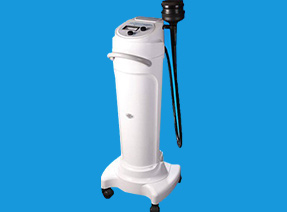
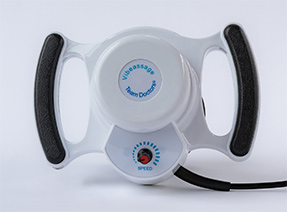
✓ Check out the Team Doctors Recovery Tools
The Vibeassage Sport and the Vibeassage Pro featuring the TDX3 soft-as-the-hand Biomimetic Applicator Pad
https://www.teamdoctors.com/
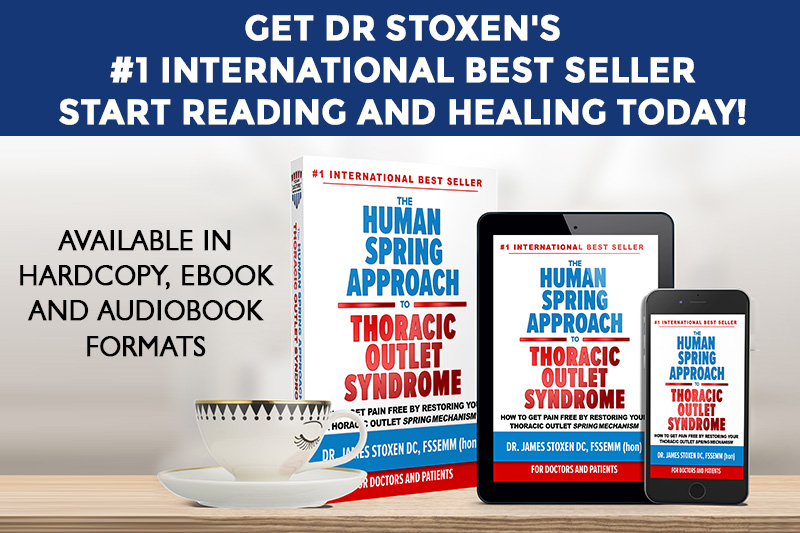
✓ Get Dr. Stoxen’s #1 International Bestselling Books
Learn how to understand, examine, and reverse your TOS—without surgery.
https://drstoxen.com/1-international-best-selling-author/
✓ Check out Team Doctors Online Courses
Step-by-step video lessons, demonstrations, and self-treatment strategies.
https://teamdoctorsacademy.com/
✓ Schedule a Free Phone Consultation With Dr. Stoxen
Speak directly with him so he can review your case and guide you on your next steps.
https://drstoxen.com/appointment/
#ThoracicOutletSyndrome #TOS #TOSDiagnosis #NeurogenicTOS #MuscleGuarding #RibDysfunction #Misdiagnosis #HandsOnCare #ClinicalExamination #Biomechanics #NerveCompression #PectoralisMinor #ThoracicOutletCompression #PatientStories #MedicalEducation #MovementBasedCare #TOSAwareness #DeepTissue #EarlyTreatment #TeamDoctors #ThoracicOutletSyndrome #TOSAwareness #TOSPain #ChronicPainJourney #NerveCompression #ArmPain #ShoulderPain #RareDiseaseAwareness #InvisibleIllness #ChronicPainLif
Medical Disclaimer
This article is provided for educational and informational purposes only. It is not intended to diagnose, treat, cure, or prevent any disease, nor is it intended to replace professional medical advice, diagnosis, or treatment.
Thoracic outlet syndrome and related nerve, vascular, and musculoskeletal conditions can present differently in each individual. Treatment decisions—including surgical and non-surgical options—must be made on a case-by-case basis in consultation with a qualified, licensed healthcare professional who is familiar with the patient’s complete medical history.
The experiences described in this article reflect individual outcomes and do not guarantee similar results for others. Surgical procedures, including thoracic outlet surgery and first rib resection, carry inherent risks, and outcomes vary based on many factors including diagnosis, timing, practitioner experience, and patient-specific anatomy and physiology.
Readers should not delay or discontinue medical care based on information contained in this article. Always seek the guidance of a qualified healthcare provider with any questions regarding symptoms, conditions, or treatment options.
Editor’s Note
This article explores a patient and family experience following thoracic outlet syndrome surgery and highlights the importance of comprehensive evaluation, informed decision-making, and second opinions when managing complex pain conditions.
The article also references the Human Spring Approach, a biomechanical evaluation and treatment framework developed by Dr James Stoxen, which emphasizes understanding the body as an integrated, dynamic spring system rather than a collection of isolated anatomical structures. The inclusion of this approach is intended to illustrate an alternative clinical perspective, not to discredit surgery or any specific medical specialty.
Mention of specific clinicians, evaluation models, or treatment philosophies does not constitute endorsement, medical advice, or a claim of superiority. Rather, it reflects the editorial goal of encouraging patients and families to seek clarity, explanation, and individualized assessment before pursuing irreversible interventions.
The editorial position of this publication is that understanding should precede intervention, especially in conditions where symptoms persist, worsen, or fail to respond to standard care.

Dr James Stoxen DC., FSSEMM (hon) He is the president of Team Doctors®, Treatment and Training Center Chicago, one of the most recognized treatment centers in the world.
Dr Stoxen is a #1 International Bestselling Author of the book, The Human Spring Approach to Thoracic Outlet Syndrome. He has lectured at more than 20 medical conferences on his Human Spring Approach to Thoracic Outlet Syndrome and asked to publish his research on this approach to treating thoracic outlet syndrome in over 30 peer review medical journals.
He has been asked to submit his other research on the human spring approach to treatment, training and prevention in over 150 peer review medical journals. He serves as the Editor-in-Chief, Journal of Orthopedic Science and Research, Executive Editor or the Journal of Trauma and Acute Care, Chief Editor, Advances in Orthopedics and Sports Medicine Journal and editorial board for over 35 peer review medical journals.
He is a much sought-after speaker. He has given over 1000 live presentations and lectured at over 70 medical conferences to over 50,000 doctors in more than 20 countries. He has been invited to speak at over 300 medical conferences which includes invitations as the keynote speaker at over 50 medical conferences.
After his groundbreaking lecture on the Integrated Spring-Mass Model at the World Congress of Sports and Exercise Medicine he was presented with an Honorary Fellowship Award by a member of the royal family, the Sultan of Pahang, for his distinguished research and contributions to the advancement of Sports and Exercise Medicine on an International level. He was inducted into the National Fitness Hall of Fame in 2008 and the Personal Trainers Hall of Fame in 2012.
Dr Stoxen has a big reputation in the entertainment industry working as a doctor for over 150 tours of elite entertainers, caring for over 1000 top celebrity entertainers and their handlers. Anthony Field or the popular children’s entertainment group, The Wiggles, wrote a book, How I Got My Wiggle Back detailing his struggles with chronic pain and clinical depression he struggled with for years. Dr Stoxen is proud to be able to assist him.
Full Bio) Dr Stoxen can be reached directly at teamdoctors@aol.com