Many people begin their search with a simple question: Do i have thoracic outlet syndrome?
That question often comes after months or years of unexplained arm pain, numbness, weakness, or heaviness that does not clearly fit one diagnosis.
Patients frequently ask, is this thoracic outlet syndrome, especially when standard imaging and tests return normal despite persistent symptoms.
This uncertainty is common because Thoracic Outlet Syndrome involves dynamic compression rather than static structural damage.
In my clinical experience, individuals often report a confusing combination of neck discomfort, shoulder tension, arm fatigue, and hand symptoms.
These patterns do not always follow textbook nerve or vascular distributions, which adds to diagnostic confusion.
Understanding Thoracic Outlet Syndrome
Thoracic Outlet Syndrome refers to compression of nerves, blood vessels, or both as they pass from the neck into the arm.
The structures involved include the brachial plexus, subclavian artery, and subclavian vein.
Common thoracic outlet syndrome symptoms include pain, numbness, tingling, weakness, heaviness, and temperature changes in the arm or hand.
Symptoms often worsen with sustained postures or overhead activities.
Many individuals notice early changes before pain becomes severe.
Recognizing the early signs of thoracic outlet syndrome can help explain why symptoms progress gradually rather than suddenly.
Patients frequently describe a sense of fullness or pressure under the collarbone.
This sensation is often paired with shoulder heaviness that worsens throughout the day.
What Does TOS Feel Like?
People often ask, what does thoracic outlet syndrome feel like, because the experience is difficult to describe.
Symptoms may fluctuate based on posture, activity, and muscle tension.
A common complaint is arm fatigue easily, even during simple tasks like typing or holding a phone.
This fatigue is not always related to strength loss but to altered nerve and vascular signaling.
Others report burning pain in shoulder regions that does not respond well to rest.
This burning sensation can reflect prolonged nerve irritation rather than acute injury.
Some individuals notice one arm weaker than the other, particularly during repetitive tasks.
This asymmetry often raises concern when no clear injury is identified.
Arm and Hand Symptoms
One of the most concerning patterns is arm numbness and tingling cause that cannot be clearly explained.
These sensations may involve multiple fingers rather than a single nerve distribution.
Patients frequently experience pins and needles in arm, especially during prolonged sitting or phone use.
This often coincides with forward head posture and shoulder protraction.
Nighttime symptoms are common, including tingling fingers at night that disrupt sleep.
Changing arm position may temporarily relieve symptoms.
Some individuals report tingling pinky and ring finger, which raises questions about ulnar nerve involvement.
However, this does not automatically indicate cubital tunnel syndrome.
Hand weakness may appear gradually, leading to concern about weak grip strength cause.
Grip changes often reflect altered neural input rather than muscle damage.
Neck and Shoulder Contributions
Neck involvement is frequently overlooked in arm pain syndromes.
Many patients describe neck pain radiating to arm without a clear spinal diagnosis.
This overlap raises the question: neck pain or thoracic outlet syndrome.
Both conditions can coexist or influence one another.
Shoulder movement often aggravates symptoms, including shoulder pain when raising arm.
This is commonly mistaken for rotator cuff pathology.
Another frequent complaint is arm pain when lifting, especially with sustained overhead positions.
This mechanical stress can narrow thoracic outlet spaces.
Vascular-Like Symptoms
Some individuals notice temperature or color changes in the arm.
This leads to questions about cold hand or arm cause.
While not all TOS cases involve vascular compression, vascular symptoms can occur intermittently.
These changes are often positional rather than constant.
Diagnostic Confusion
A major source of frustration is normal imaging.
Patients often ask why MRI is normal but pain persists.
Thoracic Outlet Syndrome is a functional condition.
Compression often occurs only during certain postures or movements.
This explains why many individuals experience normal tests but arm pain.
Standard imaging captures static anatomy, not dynamic compression.
Patients frequently report being told, doctor says nothing is wrong arm pain.
This statement reflects limitations of testing rather than absence of dysfunction.
Another common concern is nerve pain but MRI normal, which creates doubt and distress.
Dynamic nerve irritation does not always leave visible structural changes.
Misdiagnosis and Overlap
Thoracic Outlet Syndrome is frequently confused with other conditions.
This leads to comparisons such as thoracic outlet vs pinched nerve.
Cervical radiculopathy is often considered, prompting thoracic outlet vs cervical radiculopathy discussions.
Radiculopathy typically follows dermatomal patterns, while TOS often does not.
Carpal tunnel syndrome is another frequent misdiagnosis, leading to thoracic outlet vs carpal tunnel confusion.
Carpal tunnel symptoms are usually limited to the hand and wrist.
Shoulder pathology is also commonly blamed, resulting in thoracic outlet vs rotator cuff comparisons.
Rotator cuff injuries usually produce localized shoulder weakness and pain.
Impingement syndromes create additional overlap, fueling thoracic outlet vs shoulder impingement debates.
Impingement often worsens with specific shoulder arcs.
Because of this overlap, patients ask what mimics thoracic outlet syndrome.
Several musculoskeletal and neurological conditions share similar features.
Why Doctors Disagree
Patients are often confused when opinions differ.
This leads to questions like why doctors disagree on arm pain.
Different specialists focus on different tissues.
Each may view symptoms through a narrow lens.
This fragmentation contributes to wrong diagnosis shoulder pain patterns.
Shoulder, neck, and nerve contributions may be evaluated separately rather than together.
Many individuals experience confusing arm pain diagnosis after seeing multiple providers.
Each test may rule out one condition without identifying the true driver.
The Role of Posture and Muscle Guarding
Postural strain plays a major role in thoracic outlet mechanics.
Forward head posture increases tension across the neck and shoulder.
Sustained phone use often triggers symptoms.
This posture shortens anterior muscles and stresses posterior stabilizers.
Muscle guarding can develop reflexively.
Once established, guarding persists even after posture changes.
This explains why individuals report unexplained nerve pain arm without injury.
The nervous system adapts to chronic mechanical stress.
Neurological or Vascular?
Patients often ask, is my arm pain neurological or vascular.
The answer is not always one or the other.
Thoracic Outlet Syndrome exists on a spectrum.
Some cases are primarily neurological, others vascular, and some mixed.
Understanding this spectrum helps explain symptom variability.
It also clarifies why treatments aimed at only one system may fall short.
Functional Evaluation Matters
Static imaging alone cannot explain dynamic compression.
Movement-based examination provides critical insight.
Observing posture, shoulder mechanics, and breathing patterns reveals functional narrowing.
These findings often correlate with symptom reproduction.
In my clinical experience, symptom reproduction during movement is more informative than imaging alone.
This approach respects the dynamic nature of thoracic outlet mechanics.
Educational Tools and Self-Awareness
Understanding symptom patterns empowers individuals.
Education reduces fear and confusion.
Resources from Team Doctors® focus on biomechanical awareness rather than labels.
This perspective helps individuals understand why symptoms persist.
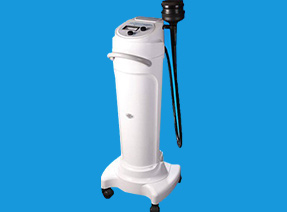
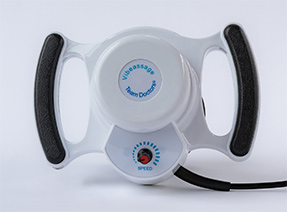
Tools such as the Vibeassage® Sport and Vibeassage® Pro featuring the TDX3 soft-as-the-hand Biomimetic Applicator Pad are designed to support tissue awareness.
These tools are discussed in an educational context only.
Why Understanding Matters
When symptoms are misunderstood, people lose confidence in their bodies.
Education restores clarity.
Recognizing patterns helps individuals ask better questions.
It also improves communication with healthcare providers.
Thoracic Outlet Syndrome is complex.
Understanding its mechanics reduces frustration and uncertainty.
Team Doctors Resources
✓ Check out the Team Doctors Recovery Tools
The Vibeassage Sport and the Vibeassage Pro featuring the TDX3 soft-as-the-hand Biomimetic Applicator Pad
https://www.teamdoctors.com/
✓ Get Dr. Stoxen’s #1 International Bestselling Books
Learn how to understand, examine, and reverse your TOS—without surgery.
https://drstoxen.com/1-international-best-selling-author/
✓ Check out Team Doctors Online Courses
Step-by-step video lessons, demonstrations, and self-treatment strategies.
https://teamdoctorsacademy.com/
✓ Schedule a Free Phone Consultation With Dr. Stoxen
Speak directly with him so he can review your case and guide you on your next steps.
https://drstoxen.com/appointment/
#ThoracicOutletSyndrome #TOS #ArmPain #NerveCompression #ShoulderPain #NeckPain #BrachialPlexus #Posture #ChronicPain #Biomechanics #MuscleGuarding #VascularCompression #NeurologicalSymptoms #PainEducation #TeamDoctors #DrStoxen #HumanSpring #MovementMatters #PainScience #ClinicalPatterns
References
- Sanders, Richard J., and Neal M. Pearce. “Thoracic Outlet Syndrome: A Review.” Neurologic Clinics 31, no. 2 (2013): 523–536. https://doi.org/10.1016/j.ncl.2013.02.003
- Povlsen, Bo, et al. “Treatment for Thoracic Outlet Syndrome.” Cochrane Database of Systematic Reviews (2014). https://doi.org/10.1002/14651858.CD007218.pub3
- Illig, Karl A., et al. “Thoracic Outlet Syndrome.” Journal of Vascular Surgery 55, no. 5 (2012): 1493–1502. https://doi.org/10.1016/j.jvs.2011.12.005
- Balderman, Joshua, et al. “Symptom Persistence in Thoracic Outlet Syndrome.” Annals of Vascular Surgery 45 (2017): 223–229. https://doi.org/10.1016/j.avsg.2017.05.024

Dr James Stoxen DC., FSSEMM (hon) He is the president of Team Doctors®, Treatment and Training Center Chicago, one of the most recognized treatment centers in the world.
Dr Stoxen is a #1 International Bestselling Author of the book, The Human Spring Approach to Thoracic Outlet Syndrome. He has lectured at more than 20 medical conferences on his Human Spring Approach to Thoracic Outlet Syndrome and asked to publish his research on this approach to treating thoracic outlet syndrome in over 30 peer review medical journals.
He has been asked to submit his other research on the human spring approach to treatment, training and prevention in over 150 peer review medical journals. He serves as the Editor-in-Chief, Journal of Orthopedic Science and Research, Executive Editor or the Journal of Trauma and Acute Care, Chief Editor, Advances in Orthopedics and Sports Medicine Journal and editorial board for over 35 peer review medical journals.
He is a much sought-after speaker. He has given over 1000 live presentations and lectured at over 70 medical conferences to over 50,000 doctors in more than 20 countries. He has been invited to speak at over 300 medical conferences which includes invitations as the keynote speaker at over 50 medical conferences.
After his groundbreaking lecture on the Integrated Spring-Mass Model at the World Congress of Sports and Exercise Medicine he was presented with an Honorary Fellowship Award by a member of the royal family, the Sultan of Pahang, for his distinguished research and contributions to the advancement of Sports and Exercise Medicine on an International level. He was inducted into the National Fitness Hall of Fame in 2008 and the Personal Trainers Hall of Fame in 2012.
Dr Stoxen has a big reputation in the entertainment industry working as a doctor for over 150 tours of elite entertainers, caring for over 1000 top celebrity entertainers and their handlers. Anthony Field or the popular children’s entertainment group, The Wiggles, wrote a book, How I Got My Wiggle Back detailing his struggles with chronic pain and clinical depression he struggled with for years. Dr Stoxen is proud to be able to assist him.
Full Bio) Dr Stoxen can be reached directly at teamdoctors@aol.com