Thoracic Outlet Syndrome is a complex condition involving the interaction of nerves, blood vessels, posture, and movement.
Many individuals begin searching for answers after months or years of unresolved arm symptoms.
Patients often report numbness, heaviness, weakness, or temperature changes that do not follow a simple pattern.
This uncertainty leads many to search for a thoracic outlet syndrome specialist who can evaluate the problem from a broader clinical perspective.
The thoracic outlet is not a single structure but a functional space formed by bones, muscles, connective tissue, and dynamic motion. In my clinical experience, symptoms often fluctuate with posture, breathing, and repetitive activity.
This variability is why people frequently look for the best doctor for thoracic outlet syndrome rather than a general provider.
Understanding who evaluates TOS begins with understanding what makes the condition unique.
Many individuals searching online type phrases like TOS expert near me because they want someone familiar with both nerve and vascular presentations.
Thoracic Outlet Syndrome may involve the brachial plexus, subclavian artery, or subclavian vein. Each structure responds differently to mechanical loading, compression, and tension.
A provider who understands these distinctions can better interpret symptom patterns.
Patients often ask who treats thoracic outlet syndrome when prior consultations have focused on isolated findings. One clinician may examine the neck, another the shoulder, and another the wrist. TOS requires integration.
This is why many seek a thoracic outlet syndrome second opinion after imaging or testing does not fully explain their experience. A second evaluation can reassess posture, breathing mechanics, and movement patterns.
A common frustration is feeling unheard. Many individuals describe visiting multiple offices before finding a doctor who understands thoracic outlet syndrome.
Understanding does not mean diagnosing or promising outcomes. It means recognizing how anatomy, biomechanics, and functional testing intersect.
A thorough history and physical examination remain central to this process.
People often search online to find thoracic outlet specialist clinics because TOS evaluation frequently involves more time than standard visits.
Examination may include observation of scapular motion, cervical rotation, rib mobility, and arm positioning.
These elements influence space within the thoracic outlet.
A detailed TOS specialist evaluation looks beyond static images.
Some patients travel long distances seeking the best treatment center for TOS because specialized centers often coordinate multiple perspectives.
In my clinical experience, collaborative environments allow neurological, vascular, and biomechanical findings to be discussed together.
This reduces fragmented care and improves clarity for the patient.
The phrase who actually understands TOS reflects how confusing this condition can be. Symptoms may worsen with overhead activity, prolonged sitting, or stress-related muscle guarding.
These patterns are not random. They reflect how the thoracic outlet responds to sustained tension and altered movement strategies.
A thoracic outlet syndrome doctor typically focuses on identifying which structures are most affected. Neurogenic presentations often involve tingling or burning, while vascular involvement may produce swelling or color changes.
Distinguishing these requires careful observation rather than assumptions. Many individuals also experience overlap.
Some people initially consult for arm discomfort and later realize they need a specialist for arm nerve pain. Nerve symptoms can originate from multiple regions, including the cervical spine, shoulder girdle, or thoracic outlet. A comprehensive evaluation helps differentiate these sources without making claims.
Others search for the best specialist for TOS after conservative approaches have not clarified their condition.
Best, in this context, often means experience rather than guarantees. Experience includes recognizing common patterns and understanding less typical presentations that mimic other disorders.
Because compression is central to TOS discussions, many look for a nerve compression specialist. Compression, however, is not always static.
It may occur only during certain movements or postures. Dynamic testing helps reveal these relationships and guides further evaluation decisions.
Shoulder involvement is common, leading some to consult a shoulder nerve pain specialist. The shoulder complex influences thoracic outlet space through scapular position and clavicular motion.
Changes in shoulder mechanics can alter neural and vascular pathways.
Vascular presentations prompt searches for a vascular thoracic outlet specialist. These providers often assess blood flow changes with arm positioning.
Duplex ultrasound, venography, or other imaging tools may be considered depending on presentation, always interpreted within a clinical context.
Others consult a neurologist for arm nerve pain, particularly when symptoms include sensory changes or weakness. Neurological testing can help rule out peripheral neuropathies or cervical radiculopathy. These findings contribute to a broader understanding rather than a standalone answer.
One frequent question is orthopedic vs vascular TOS specialist. Orthopedic perspectives may emphasize skeletal relationships, while vascular perspectives focus on blood flow.
In my clinical experience, effective evaluation often integrates both viewpoints rather than choosing one.
Because diagnosis is complex, people search for a TOS diagnosis specialist. Diagnosis, however, is a process rather than a single test.
It involves correlating history, examination findings, and imaging results while recognizing limitations of each method.
Uncertainty leads many to ask where to go for TOS when symptoms persist.
Centers experienced with thoracic outlet conditions often emphasize education and explanation, helping patients understand what is known and what remains unclear.
Local access matters, so searches like TOS clinic near me are common.
While proximity is important, experience and thoroughness often matter more than convenience. Some individuals choose to travel for a more comprehensive evaluation.
Persistent uncertainty drives interest in a second opinion arm pain assessment.
A second opinion can reassess assumptions, review imaging, and consider alternative explanations for symptoms without dismissing prior workups.
People often describe wanting the best care for thoracic outlet syndrome, which usually means coordinated evaluation rather than isolated interventions. Best care focuses on understanding mechanisms, not rushing conclusions.
Those with longstanding discomfort may look for a doctor for chronic arm pain because chronicity adds layers of compensation and adaptation. Long-term muscle guarding can change posture and movement patterns over time.
When symptoms do not fit textbook descriptions, individuals search for a specialist for unexplained arm pain. Thoracic Outlet Syndrome is one of several conditions that can present atypically, reinforcing the need for careful assessment.
Experience matters, which is why many seek an expert in thoracic outlet syndrome. Expertise involves pattern recognition developed over years of observing how anatomy and biomechanics interact under load.
Some centers describe themselves as a TOS evaluation center, emphasizing structured assessment rather than treatment promises. Evaluation may include postural analysis, breathing observation, and movement testing.
Advanced cases lead people to search for an advanced TOS treatment center, often meaning access to imaging, multidisciplinary input, and extended consultation time.
Complex conditions benefit from teamwork, prompting interest in a thoracic outlet syndrome care team. Collaboration allows different specialties to share findings and reduce conflicting recommendations.
Arm numbness is a frequent complaint, leading to searches for the best doctor for arm numbness. Numbness can arise from nerve compression, vascular changes, or both, requiring careful differentiation.
Finally, many individuals ask themselves do i have thoracic outlet syndrome after reading symptom descriptions. Education helps patients recognize patterns while understanding that formal conclusions require professional evaluation.
Others ask is this thoracic outlet syndrome when symptoms fluctuate with posture or activity. This question underscores the importance of learning how movement and mechanics influence symptoms.
Understanding movement mechanics is central to modern evaluation approaches. The Integrated Spring–Mass Model explains how the body stores and releases energy through elastic structures rather than rigid levers. In this model, the spine behaves as a torsion spring, with intervertebral discs functioning as compression springs. The pelvis and spine together form a larger elastic system that responds to rotation and load.
When standing evenly, the system is relatively neutral. During walking or reaching, rotation loads elastic energy into the spine and pelvis.
Releasing this energy allows efficient forward motion through recoil rather than muscular pushing. In my clinical experience, altered spring mechanics can increase sustained tension in muscles surrounding the thoracic outlet.
Sustained tension may reduce available space for nerves and vessels, particularly during repetitive or prolonged activities.
This relationship helps explain why posture, breathing, and movement are emphasized during evaluation. The goal is not to label movement as good or bad but to understand how load is distributed.
Imaging studies provide valuable information but cannot capture dynamic movement. MRI, CT, and ultrasound show structure, not behavior.
This is why physical examination remains essential. Observing how symptoms change with motion provides insight that static images cannot.
Education empowers patients to participate in their evaluation process. Understanding anatomy and biomechanics allows individuals to communicate symptoms more clearly and recognize meaningful patterns. This collaborative approach supports informed decision-making without making promises.
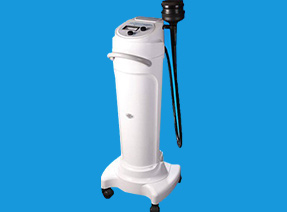
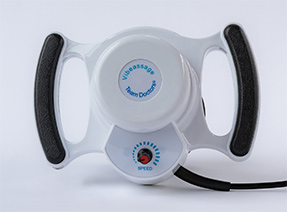
Tools such as the Vibeassage® Sport and Vibeassage® Pro featuring the TDX3 soft-as-the-hand Biomimetic Applicator Pad are often discussed in educational contexts related to vibration and soft tissue interaction. These tools are referenced for their design features rather than claims.
Team Doctors® emphasizes education, biomechanics, and movement analysis. Educational resources focus on explaining how anatomy and mechanics interact rather than offering guarantees. Learning remains the foundation of informed care decisions.
Thoracic Outlet Syndrome evaluation is not about quick answers. It is about assembling information from multiple sources and understanding how the body behaves under load. Patients often report relief simply from finally understanding what may be contributing to their symptoms.
Ultimately, choosing a specialist involves looking for experience, thoroughness, and a willingness to explain findings clearly. Education creates clarity, and clarity reduces fear. This approach supports thoughtful next steps guided by understanding rather than urgency.
Team Doctors Resources
✓ Check out the Team Doctors Recovery Tools
The Vibeassage Sport and the Vibeassage Pro featuring the TDX3 soft-as-the-hand Biomimetic Applicator Pad
https://www.teamdoctors.com/
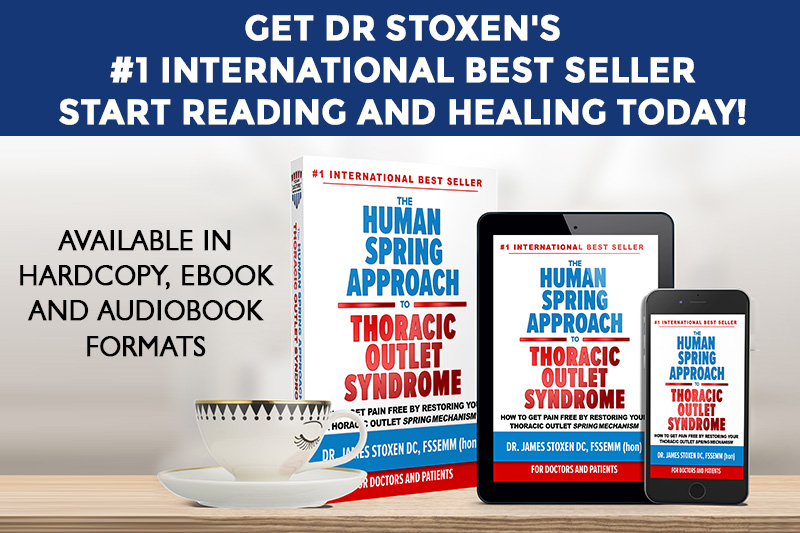
✓ Get Dr. Stoxen’s #1 International Bestselling Books
Learn how to understand, examine, and reverse your TOS—without surgery.
https://drstoxen.com/1-international-best-selling-author/
✓ Check out Team Doctors Online Courses
Step-by-step video lessons, demonstrations, and self-treatment strategies.
https://teamdoctorsacademy.com/
✓ Schedule a Free Phone Consultation With Dr. Stoxen
Speak directly with him so he can review your case and guide you on your next steps.
https://drstoxen.com/appointment/
#ThoracicOutletSyndrome #TOS #ArmPain #NerveCompression #VascularCompression #BrachialPlexus #PostureMechanics #Biomechanics #ChronicArmPain #ShoulderPain #NeckPain #UpperExtremity #MovementScience #ClinicalEvaluation #PatientEducation #IntegratedSpringMassModel #ThoracicOutletCare #TOSAwareness #MedicalEducation #TeamDoctors
References:
- Sanders, R. J., & Hammond, S. L. “Thoracic Outlet Syndrome: A Review.” Neurologic Clinics 27, no. 2 (2009): 365–386. https://doi.org/10.1016/j.ncl.2009.02.001
- Illig, K. A., et al. “Reporting Standards of the Society for Vascular Surgery for Thoracic Outlet Syndrome.” Journal of Vascular Surgery 64, no. 3 (2016): e23–e35. https://doi.org/10.1016/j.jvs.2016.04.039
- Urschel, H. C., & Razzuk, M. A. “Neurovascular Compression in the Thoracic Outlet.” Annals of Thoracic Surgery 58, no. 6 (1994): 1659–1664. https://doi.org/10.1016/0003-4975(94)91701-0
- Povlsen, B., et al. “Treatment for Thoracic Outlet Syndrome.” Cochrane Database of Systematic Reviews (2014). https://doi.org/10.1002/14651858.CD007218

Dr James Stoxen DC., FSSEMM (hon) He is the president of Team Doctors®, Treatment and Training Center Chicago, one of the most recognized treatment centers in the world.
Dr Stoxen is a #1 International Bestselling Author of the book, The Human Spring Approach to Thoracic Outlet Syndrome. He has lectured at more than 20 medical conferences on his Human Spring Approach to Thoracic Outlet Syndrome and asked to publish his research on this approach to treating thoracic outlet syndrome in over 30 peer review medical journals.
He has been asked to submit his other research on the human spring approach to treatment, training and prevention in over 150 peer review medical journals. He serves as the Editor-in-Chief, Journal of Orthopedic Science and Research, Executive Editor or the Journal of Trauma and Acute Care, Chief Editor, Advances in Orthopedics and Sports Medicine Journal and editorial board for over 35 peer review medical journals.
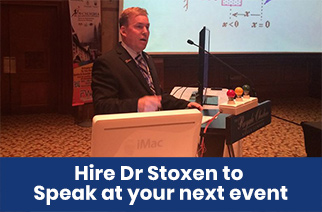
He is a much sought-after speaker. He has given over 1000 live presentations and lectured at over 70 medical conferences to over 50,000 doctors in more than 20 countries. He has been invited to speak at over 300 medical conferences which includes invitations as the keynote speaker at over 50 medical conferences.
After his groundbreaking lecture on the Integrated Spring-Mass Model at the World Congress of Sports and Exercise Medicine he was presented with an Honorary Fellowship Award by a member of the royal family, the Sultan of Pahang, for his distinguished research and contributions to the advancement of Sports and Exercise Medicine on an International level. He was inducted into the National Fitness Hall of Fame in 2008 and the Personal Trainers Hall of Fame in 2012.
Dr Stoxen has a big reputation in the entertainment industry working as a doctor for over 150 tours of elite entertainers, caring for over 1000 top celebrity entertainers and their handlers. Anthony Field or the popular children’s entertainment group, The Wiggles, wrote a book, How I Got My Wiggle Back detailing his struggles with chronic pain and clinical depression he struggled with for years. Dr Stoxen is proud to be able to assist him.
Full Bio) Dr Stoxen can be reached directly at teamdoctors@aol.com