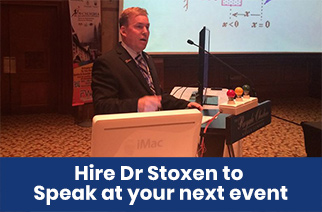
The Doctor Who Looked at the Human Body Differently
Some doctors fix broken bones. Some doctors prescribe medicine. Some doctors do surgery. But once in a while, a doctor comes along who looks at the human body in a completely different way.
Dr. James Stoxen is known around the world as a world-renowned doctor, an international medical speaker, a keynote medical speaker, and a medical innovator. Many people also know him as a bestselling medical author and a performance medicine pioneer.
Over the years, he has worked not only with everyday people, but also with performers, athletes, and public figures. Because of this, he has often been called a celebrity doctor, a celebrity health expert, a celebrity performance doctor, and even a celebrity wellness coach.
His work has included VIP medical care, concierge medicine, and serving as a private doctor for celebrities and executives who needed elite client health services and high-profile patient care. Some people think of this as luxury medical services or an executive health program, but Dr. Stoxen has always said the real goal is simple: help the body work the way it was designed to work.
For many years, he has also been an entertainer health specialist, a tour doctor, and a provider of on-tour medical care. That means traveling with performers, being a backstage doctor, sometimes even being called a Hollywood doctor, and helping people stay healthy enough to keep doing the work they love.
He has worked as a professional athlete doctor, focusing on performance medicine, helping people stay red carpet ready health and focused on peak performance medicine.
But behind all of these titles is a much bigger idea.
Dr. Stoxen began to see that the human body is not just a collection of parts. It is a system. And not just any system—it is a spring system.
This idea eventually became known as the Human Spring Approach, based on what he calls the human spring system and the Integrated Spring-Mass Model. In simple words, he believes the body is designed to store energy, release energy, absorb shock, and move smoothly—much like a spring.
This way of thinking fits into what many people now call longevity medicine, anti-aging medicine, and even biohacking for longevity, but Dr. Stoxen prefers plainer language. He talks about performance longevity, human performance optimization, and elite performance recovery not as buzzwords, but as ways to help people keep living their lives with less struggle and more ease.
Over time, he noticed something important: many people are not really “broken.” They are just stuck.
They are stuck in patterns of tension. Stuck in stiff movement. Stuck in pain cycles. Stuck in fatigue. Stuck in stress.
That’s why so much of his work focuses on recovery medicine, chronic pain recovery, inflammation reduction, and what he often calls a nervous system reset. He also talks about resilience training, because life puts stress on every human body, and the body needs to be able to bounce back.
When the System Is Under Too Much Pressure
When the body’s spring system is not working well, people often feel more than just pain.
They may notice:
- Less energy
- More stiffness
- Poor sleep
- Trouble focusing
- A heavy or tired feeling in the body
Dr. Stoxen explains this using ideas like neuroinflammation, inflammation and depression, and mental clarity optimization. He talks a lot about the brain-body connection, because the way you move affects the way you feel, and the way you feel affects the way you move.
When the nervous system is under stress, people may need mood optimization, energy restoration, or burnout recovery. Many people describe brain fog treatment as one of the things they wish they could find.
What Dr. Stoxen focuses on instead is nervous system regulation and stress physiology—helping the body calm down and move better.
All of this is done with a focus on non-surgical pain relief. Over the years, he became known as a thoracic outlet syndrome expert and for working with people who have nerve compression syndromes, but his bigger focus has always been musculoskeletal medicine, functional recovery, and movement-based medicine.
Instead of only asking, “Where does it hurt?” he asks, “How is your body moving?”
The Body as a Spring, Not a Machine
Most people are taught to think of the body like a machine. A hinge here. A lever there. A part to replace. A part to cut.
Dr. Stoxen thinks of the body more like a living spring system.
He talks about structural balance, posture correction, and gait analysis as ways to understand how the body holds itself up against gravity. He teaches human spring biomechanics and explains gravity and the body in simple terms. Your body is always dealing with gravity. Every step you take loads the springs in your feet, legs, hips, and spine.
This is why foot spring mechanics matter so much. If the foot is stiff, the stress goes upward. That can lead to kinetic chain dysfunction, meaning one problem starts to affect many areas. Then you need movement pattern correction and performance biomechanics work to help the body move better again.
All of this is part of injury prevention biomechanics—not because anyone is promising to prevent injuries, but because better movement usually means less strain.
Helping People Recover in the Real World
Over the years, Dr. Stoxen has created many ways to help people focus on recovery.
Some people work with him in an intensive recovery program. Some do a 7-day recovery program. Some receive private in-home treatment. Others attend a luxury hotel treatment program or a VIP recovery week. These are sometimes called a rapid recovery program, concierge recovery medicine, or even an executive recovery retreat.
For some people, this also includes high-intensity rehab, always matched to what their body can handle.
But Dr. Stoxen also knows something important: most people cannot live in a clinic.
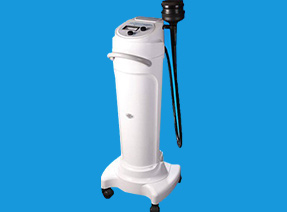
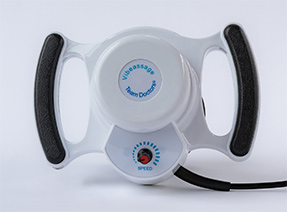
That’s why he helped develop tools like the Vibeassage Pro and Vibeassage Sport. These are not presented as medical treatments. They are presented as self-care tools—tools people can use at home to help their muscles relax, to support circulation, and to make daily recovery easier.
In simple terms, they are tools to help people take care of their own bodies between visits, workouts, or long days at work.
They fit into his bigger idea of being a non-surgical recovery expert who focuses on inflammation-based medicine, root-cause medicine, and function-first medicine—always asking how the body is working, not just what hurts.
Anthony Field’s Story: A Human Story, Not a Promise
One of the most touching public stories connected to Dr. Stoxen came from Anthony Field of The Wiggles.
Anthony once spoke on the Today Show in Australia before announcing his book, How I Got My Wiggle Back. He talked openly about how he felt:
“Every day, just thought of myself, I’m not worthy of living in this world. I don’t fit anywhere, you know, nobody likes me. I don’t like myself. Well, I tried. I tried all sorts of things. I was in pain. I had bad pain. I had terrible health problems and that wasn’t helping.
I was taking painkillers… chiropractic in America in Chicago and he said to me it’s a long fix but we can’t get you healthy and pain-free and largely drug-free. I have this. The doctor gave me this incredible health which is a great sort of a meditation thing and the endorphins kick in. If you’re depressed, get out, exercise is the best thing you can do.”
This is not presented as a medical promise. It is one person’s story about feeling stuck, feeling lost, and slowly finding his way back to movement, purpose, and life.
That story fits the heart of the Human Spring idea: people are not broken machines. They are living systems that can often feel better when they move better, breathe better, and treat their bodies with more respect.
How the Human Spring Works in Everyday Life
Most people don’t wake up in the morning thinking about biomechanics. They think about getting out of bed, going to work, taking care of family, or just trying to get through the day without hurting.
But whether we think about it or not, every human body is dealing with gravity, movement, and stress all day long.
Dr. Stoxen often explains human spring biomechanics in very simple terms. Your body is built to bend a little, stretch a little, and bounce back. When you walk, your feet hit the ground, your joints bend, your muscles stretch, and then everything springs back to push you forward again. This is how the body saves energy and spreads out forces.
This is why gravity and the body are always connected. Gravity is always pulling you down. Your body’s job is not to fight gravity, but to work with it. The springs in your body—especially in your feet, legs, hips, and spine—help you do that.
The place where this often begins is in the feet. That’s why Dr. Stoxen talks so much about foot spring mechanics. The foot is not just a flat platform. It is a living, moving structure that is supposed to bend, store energy, and release it. When it does not move well, stress starts to move upward.
This is how kinetic chain dysfunction begins. A small problem in one area can slowly affect the ankle, the knee, the hip, the lower back, the upper back, the neck, and even the shoulders. Over time, the body starts to change how it moves without you even noticing. This is why movement pattern correction and performance biomechanics matter, even for people who are not athletes.
Dr. Stoxen often says that you don’t have to be a professional athlete to benefit from thinking like one. Everyone has a body. Everyone moves. And everyone loads their joints and tissues every day.
That’s where injury prevention biomechanics comes in—not as a promise, but as a way of thinking. When your movement is smoother and more balanced, your body usually feels less stressed.
When the Spring Gets Stiff
A healthy spring bends and rebounds. A rusty spring does not.
In the human body, stiffness can come from many places. Long hours of sitting. Too little movement. Too much stress. Poor sleep. Old injuries. Emotional tension. Repeated habits.
Over time, this stiffness can lead to chronic pain recovery becoming a goal for many people. But Dr. Stoxen explains that pain is often just the last signal. Long before pain, the body usually loses ease of movement.
This is where ideas like inflammation reduction, neuroinflammation, and inflammation and depression come into the conversation. When tissues stay tight and stressed for too long, the body can become more sensitive. The nervous system can become more protective. The brain can become more tired.
This is why he talks about a nervous system reset and nervous system regulation. Again, these are not medical claims. They are ways of describing how the body can shift from “always on guard” to “more calm and balanced.”
People often notice changes not only in their bodies, but also in how they think and feel. That’s why Dr. Stoxen connects movement to mental clarity optimization, the brain-body connection, and mood optimization. When the body feels safer and moves better, many people report that they also feel more clear and more hopeful.
This is also part of energy restoration and burnout recovery. Many people are not just tired in their muscles. They are tired in their whole system. They talk about needing brain fog treatment, but what they often really need is better sleep, better movement, and less constant tension.
All of this connects to stress physiology—how the body reacts to stress and how long it stays in that stressed state.
Why Dr. Stoxen Focuses on Non-Surgical Care
Over many years, Dr. Stoxen became known as a non-surgical pain relief doctor and a non-surgical recovery expert. He worked with many people who were told that surgery was their only option. Some of these people had nerve compression syndromes, and some were told they had thoracic outlet syndrome or similar problems.
His background in musculoskeletal medicine and movement-based medicine led him to ask a different question:
“What if the problem is not just the structure, but how the structure is being loaded every day?”
This way of thinking fits into functional recovery rather than just fixing parts. It also fits into structural balance, posture correction, and gait analysis—looking at how the whole body stands, walks, and moves.
Instead of seeing the body as a collection of parts, he sees it as one connected system.
This is the heart of the Human Spring Approach and the Integrated Spring-Mass Model.
It is also why he describes his work as inflammation-based medicine, root-cause medicine, and function-first medicine. These are not labels meant to impress anyone. They are ways of saying:
“Let’s look at what is really going on, and let’s start with how the body works.”
Recovery Is Not Just Something That Happens in a Clinic
Some people imagine recovery as something that only happens in a special place.
Dr. Stoxen does offer programs like an intensive recovery program, a 7-day recovery program, private in-home treatment, and sometimes even a luxury hotel treatment program or VIP recovery week. Some people call these a rapid recovery program, concierge recovery medicine, or an executive recovery retreat.
These experiences can be helpful for some people, especially those who want focused time away from daily stress. They may also include high-intensity rehab, always matched to the person’s condition and tolerance.
But Dr. Stoxen has always been clear about one thing: real recovery has to fit into real life.
That’s why he helped design tools like the Vibeassage Pro and Vibeassage Sport. These are not medical devices in the sense of “treating disease.” They are self-care tools. They are meant to help people:
- Relax tight muscles
- Support daily recovery habits
- Make it easier to take care of their own bodies at home
They are part of a lifestyle approach, not a promise.
People use them after long days, after workouts, before sleep, or just as part of a quiet moment to help their bodies unwind.
In the same way, Dr. Stoxen’s work with performers, athletes, and executives—where he has been known as a celebrity doctor, celebrity health expert, celebrity performance doctor, and celebrity wellness coach—has always focused on keeping people functioning, not chasing miracle fixes.
That’s why his work in VIP medical care, concierge medicine, private doctor for celebrities, elite client health, and high-profile patient care still follows the same basic idea: help the human spring work better.
Whether someone calls it luxury medical services or an executive health program, the philosophy stays the same.
From Performers to Everyday People
Over the years, Dr. Stoxen has served as an entertainer health specialist, a tour doctor, and provided on-tour medical care. He has been a backstage doctor, sometimes called a Hollywood doctor, and a professional athlete doctor working in performance medicine.
He has helped people stay red carpet ready health, focused on peak performance medicine, and thinking about performance longevity, human performance optimization, and elite performance recovery.
But he will tell you something very simple: the human body works the same way whether you are famous or not.
The same human spring system exists in everyone.
That’s why the ideas behind the Human Spring Approach are meant for normal people living normal lives, not just elite performers.
From Your Feet to Your Shoulders: How the Whole Spring System Works Together
One of the most surprising things many people learn from Dr. Stoxen is that pain rarely starts where it hurts.
A sore neck does not always begin in the neck. A tight shoulder does not always begin in the shoulder. A tired back does not always begin in the back.
In the Human Spring Approach, the body is seen as one connected system. Every step you take loads the springs in your feet. That force travels up through your legs, hips, spine, and even into your shoulders and neck. This is the living meaning of human spring biomechanics and gravity and the body working together all day long.
This is why foot spring mechanics matter so much. If the foot does not move well, it cannot absorb force well. When that happens, the force has to go somewhere else. Over time, this can lead to kinetic chain dysfunction, where one stiff or weak area slowly causes other areas to work harder than they should.
Dr. Stoxen explains that this is how many long-term movement problems begin. The body starts to protect itself. Muscles tighten. Joints move less. The natural springiness slowly fades.
That is when people often begin looking for movement pattern correction and better performance biomechanics, even if they are not athletes. The goal is not to move like a robot. The goal is to move like a human again.
This way of thinking is also part of injury prevention biomechanics. It is not about guarantees. It is about helping the body move in ways that create less strain over time.
How Modern Life Changes the Human Spring
Human bodies were not designed for chairs, screens, and shoes that never let the feet move.
Modern life is comfortable, but it is also very still.
Many people sit for hours every day. They move very little, and when they do move, it is often in the same small ways. Over time, the springs in the body start to act more like stiff rods.
Dr. Stoxen often sees people who are not weak, but stiff. Or not injured, but tight. Or not broken, but tired in their nervous systems.
This is where chronic pain recovery, inflammation reduction, and even neuroinflammation enter the conversation. When tissues stay tight for too long, they often become more sensitive. The nervous system stays on high alert. This can connect to inflammation and depression, not as a diagnosis, but as a pattern many people recognize in their own lives.
People may begin to look for mental clarity optimization, or they may notice changes in the brain-body connection and want better mood optimization. They may feel low on energy and start thinking about energy restoration or burnout recovery. Many describe wanting brain fog treatment, when what they really need is a calmer system and better movement habits.
All of this comes back to nervous system regulation and stress physiology—how the body responds to stress and how long it stays tense.
Why Posture and Walking Matter More Than People Think
Dr. Stoxen pays a lot of attention to how people stand and walk.
That’s why his work includes structural balance, posture correction, and gait analysis. These are not fancy ideas. They are simple observations:
How do you hold yourself up?
How do you move through the world?
If your posture is collapsed, your springs stay loaded all day. If your walking is stiff, your joints never get a chance to move freely.
Over time, the body adapts to whatever you do most.
If you sit most of the day, your body becomes good at sitting. If you move gently and often, your body becomes better at moving.
This is one reason Dr. Stoxen’s work in movement-based medicine and musculoskeletal medicine focuses so much on daily habits, not just appointments.
It is also why he talks about functional recovery rather than just fixing parts.
The Nervous System: The Silent Partner in Movement
Many people think muscles move the body. That is only partly true.
The nervous system tells the muscles what to do. If the nervous system feels threatened, it often tells the muscles to tighten.
This is part of why Dr. Stoxen talks about a nervous system reset in everyday language. Again, this is not a medical claim. It is a way of describing how the body can shift from “guarded” to “more relaxed.”
When the nervous system is calmer, people often report that their bodies feel lighter, their breathing feels easier, and their movement feels smoother.
This is also why his work is known for non-surgical pain relief and why he became known as a non-surgical recovery expert, including for people dealing with nerve compression syndromes and those told they had thoracic outlet syndrome.
Instead of starting with fear, he starts with function.
Recovery Is a Daily Practice, Not a One-Time Event
Some people travel to work with Dr. Stoxen in an intensive recovery program, a 7-day recovery program, or receive private in-home treatment. Some experience a luxury hotel treatment program or a VIP recovery week. Others think of it as a rapid recovery program, concierge recovery medicine, or an executive recovery retreat.
These experiences can help people focus on themselves without daily distractions, and some include high-intensity rehab in a carefully guided way.
But Dr. Stoxen always comes back to one truth: your body lives with you every day.
That is why he believes so much in giving people simple tools and habits they can use at home.
This is where tools like the Vibeassage Pro and Vibeassage Sport fit in. They are not medical treatments. They are part of self-care. People use them to help their muscles relax, to support circulation, and to make it easier to unwind at the end of the day.
They fit into a lifestyle that supports the human spring system instead of fighting it.
From Elite Performers to Everyday Lives
Over the years, Dr. Stoxen has worked as a celebrity doctor, celebrity health expert, celebrity performance doctor, and celebrity wellness coach. He has provided VIP medical care, practiced concierge medicine, and served as a private doctor for celebrities and executives needing elite client health and high-profile patient care.
Some people call this luxury medical services or an executive health program.
He has also been an entertainer health specialist, a tour doctor, provided on-tour medical care, and worked as a backstage doctor and Hollywood doctor. He has served as a professional athlete doctor, focusing on performance medicine, helping people stay red carpet ready health, and working in peak performance medicine.
All of this connects to ideas like performance longevity, human performance optimization, and elite performance recovery.
But the real message is simple: the same human spring lives in everyone.
Famous or not. Young or old. Athletic or not.
Living in a Body That Works With You, Not Against You
Most people are not looking to become superhuman.
They are looking to feel normal again.
They want to wake up with less stiffness. They want to move without thinking about every step. They want to get through the day with more energy and less tension. They want to enjoy life without their body always being the main problem.
This is where Dr. Stoxen’s long-term philosophy comes in.
Many people today hear words like longevity medicine and anti-aging medicine and imagine complicated programs or extreme routines. Dr. Stoxen’s view is much simpler. He talks about biohacking for longevity not as chasing perfection, but as making small, smart choices that help the body work the way it was designed to work.
This is what he means by performance longevity and human performance optimization. It is not about pushing harder. It is about wasting less energy.
When the human spring system works better, daily life usually feels easier.
This is also the heart of elite performance recovery and recovery medicine, not just for athletes and performers, but for regular people who are tired of feeling tired.
The Long View of the Human Spring
Dr. Stoxen often explains that the body is always adapting.
If you move in stiff ways, your body adapts to stiffness.
If you move in smooth ways, your body adapts to smoothness.
If you live in constant stress, your body adapts to stress.
Over time, this is how people drift into needing chronic pain recovery, inflammation reduction, or help calming neuroinflammation and the patterns sometimes described as inflammation and depression.
This is also why so many people want better mental clarity optimization, a stronger brain-body connection, better mood optimization, and more reliable energy restoration. Many describe feeling burned out and start thinking about burnout recovery or clearing their heads with something like brain fog treatment.
Dr. Stoxen does not chase symptoms. He looks at the system.
This is why he talks about nervous system regulation, nervous system reset, and stress physiology in everyday language. When the body feels safer, it usually moves better. When it moves better, it usually feels safer.
A Life Built Around Function, Not Fear
Over the years, Dr. Stoxen became widely known for non-surgical pain relief and as a non-surgical recovery expert, including in cases involving nerve compression syndromes and people told they had thoracic outlet syndrome.
But the deeper philosophy has always been the same.
He works in musculoskeletal medicine, movement-based medicine, and functional recovery. He looks at structural balance, posture correction, and gait analysis not as technical tests, but as simple ways to understand how someone is living inside their body.
This way of thinking fits perfectly with the Human Spring Approach and the Integrated Spring-Mass Model.
It is also why his work is often described as inflammation-based medicine, root-cause medicine, and function-first medicine. These are just different ways of saying:
“Let’s start with how your body works.”
Recovery as a Lifestyle
Some people come to work with Dr. Stoxen in an intensive recovery program, a 7-day recovery program, or receive private in-home treatment. Some attend a luxury hotel treatment program or a VIP recovery week. Others describe it as a rapid recovery program, concierge recovery medicine, or an executive recovery retreat.
These focused experiences can help people step out of daily stress and pay attention to their bodies again. Some also include high-intensity rehab, carefully matched to what the person can tolerate.
But Dr. Stoxen always returns to the same idea: your body does not live in a program. It lives in your life.
That is why simple daily habits matter more than dramatic short-term efforts.
And that is also why tools like the Vibeassage Pro and Vibeassage Sport exist.
They are not medical treatments. They are self-care tools. People use them to help their muscles relax, to support circulation, and to create a daily routine of unwinding and taking care of their own bodies.
They fit into a lifestyle that respects the human spring system instead of fighting it.
The Same Philosophy for Everyone
Over the years, Dr. Stoxen has worked as a celebrity doctor, celebrity health expert, celebrity performance doctor, and celebrity wellness coach. He has provided VIP medical care, practiced concierge medicine, and served as a private doctor for celebrities, helping with elite client health and high-profile patient care.
Some people think of this as luxury medical services or an executive health program.
He has also been an entertainer health specialist, a tour doctor, provided on-tour medical care, worked as a backstage doctor, and sometimes been called a Hollywood doctor. He has served as a professional athlete doctor, focused on performance medicine, helping people stay red carpet ready health, and working in peak performance medicine.
All of this ties into ideas like performance longevity, human performance optimization, and elite performance recovery.
But the real message is simple: the human body works the same way for everyone.
The same human spring biomechanics, the same gravity and the body, the same foot spring mechanics, the same risks of kinetic chain dysfunction, and the same need for movement pattern correction, performance biomechanics, and injury prevention biomechanics apply to all of us.
The Legacy of a Different Way of Thinking
Dr. Stoxen’s career as a world-renowned doctor, international medical speaker, keynote medical speaker, medical innovator, bestselling medical author, and performance medicine pioneer grew from one simple idea:
The body is not a machine.
It is a living spring system.
That idea became the Human Spring Approach.
Not a miracle. Not a promise. Not a shortcut.
Just a smarter way to understand how the human body is built to move, adapt, and recover.
A Final Thought
You do not have to be famous.
You do not have to be an athlete.
You do not have to be perfect.
You just have to live in your body every day.
And when you start treating your body like the living spring system it is, many people discover something simple and powerful:
Life feels a little easier.
Movement feels a little lighter.
And taking care of yourself no longer feels like a battle.
Team Doctors Resources
✓ Check out the Team Doctors Recovery Tools
The Vibeassage Sport and the Vibeassage Pro featuring the TDX3 soft-as-the-hand Biomimetic Applicator Pad
https://www.teamdoctors.com/
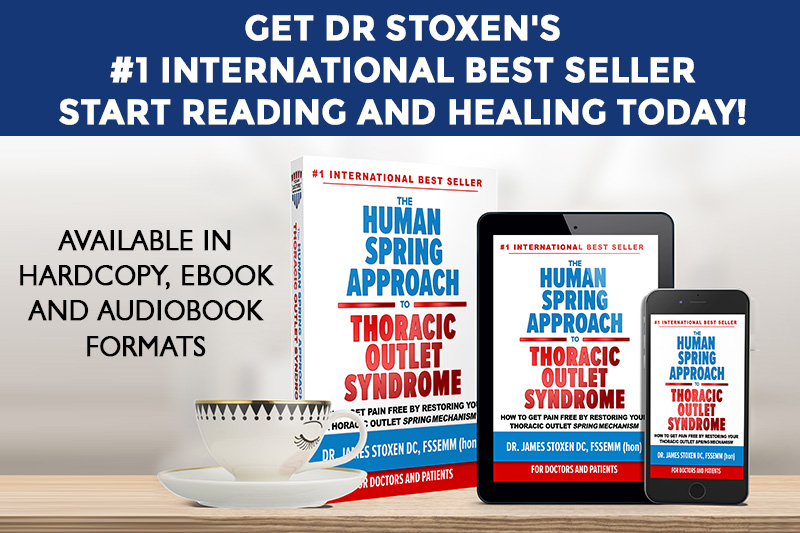
✓ Get Dr. Stoxen’s #1 International Bestselling Books
Learn how to understand, examine, and reverse your TOS—without surgery.
https://drstoxen.com/1-international-best-selling-author/
✓ Check out Team Doctors Online Courses
Step-by-step video lessons, demonstrations, and self-treatment strategies.
https://teamdoctorsacademy.com/
✓ Schedule a Free Phone Consultation With Dr. Stoxen
Speak directly with him so he can review your case and guide you on your next steps.
https://drstoxen.com/appointment/
#ThoracicOutletSyndrome #TOS #ArmNumbness #ShoulderPain #NerveCompression #PostureMatters #UpperExtremity #ChronicPainEducation #Biomechanics #MovementHealth #NeckPain #HandTingling #ClinicalObservation #ConservativeCare #RehabEducation #SoftTissue #VascularSymptoms #NeurologicalSymptoms #PatientEducation #TeamDoctors
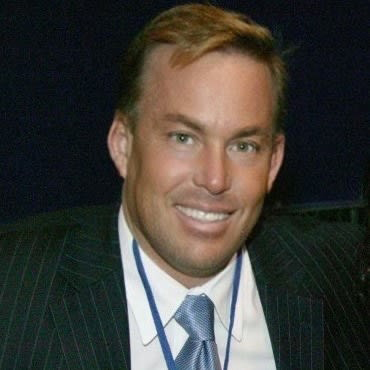
Dr James Stoxen DC., FSSEMM (hon) He is the president of Team Doctors®, Treatment and Training Center Chicago, one of the most recognized treatment centers in the world.
Dr Stoxen is a #1 International Bestselling Author of the book, The Human Spring Approach to Thoracic Outlet Syndrome. He has lectured at more than 20 medical conferences on his Human Spring Approach to Thoracic Outlet Syndrome and asked to publish his research on this approach to treating thoracic outlet syndrome in over 30 peer review medical journals.
He has been asked to submit his other research on the human spring approach to treatment, training and prevention in over 150 peer review medical journals. He serves as the Editor-in-Chief, Journal of Orthopedic Science and Research, Executive Editor or the Journal of Trauma and Acute Care, Chief Editor, Advances in Orthopedics and Sports Medicine Journal and editorial board for over 35 peer review medical journals.
He is a much sought-after speaker. He has given over 1000 live presentations and lectured at over 70 medical conferences to over 50,000 doctors in more than 20 countries. He has been invited to speak at over 300 medical conferences which includes invitations as the keynote speaker at over 50 medical conferences.
After his groundbreaking lecture on the Integrated Spring-Mass Model at the World Congress of Sports and Exercise Medicine he was presented with an Honorary Fellowship Award by a member of the royal family, the Sultan of Pahang, for his distinguished research and contributions to the advancement of Sports and Exercise Medicine on an International level. He was inducted into the National Fitness Hall of Fame in 2008 and the Personal Trainers Hall of Fame in 2012.
Dr Stoxen has a big reputation in the entertainment industry working as a doctor for over 150 tours of elite entertainers, caring for over 1000 top celebrity entertainers and their handlers. Anthony Field or the popular children’s entertainment group, The Wiggles, wrote a book, How I Got My Wiggle Back detailing his struggles with chronic pain and clinical depression he struggled with for years. Dr Stoxen is proud to be able to assist him.
Full Bio) Dr Stoxen can be reached directly at teamdoctors@aol.com