Smartphone use has become a constant physical behavior, not a brief activity. Each time a person lifts a phone, a predictable mechanical pattern begins. In clinical observation, this pattern consistently loads the shoulder girdle in a way that narrows the thoracic outlet.
The moment the arm rises, the nervous system activates a preparatory shoulder depression reflex. This reflex lowers the shoulder toward the chest to stabilize the arm before movement. It is automatic and occurs before conscious awareness.
To hold the phone steady, the coracobrachialis muscle, short head of the biceps, and anterior deltoid activation work together. These muscles are designed for brief, task-specific contraction, not prolonged static loading.
During phone use, these muscles often remain contracted for several minutes. This differs from exercise, where contractions are followed by rest and blood flow recovery. Sustained contraction changes circulation and tissue pressure.
As the shoulder stays pulled forward and downward, shoulder protraction mechanics increase. The clavicle rotates downward, the first rib elevates, and the available space for neurovascular structures decreases.
This mechanical shift affects the thoracic outlet space, a narrow passage between the neck and shoulder. Through this outlet pass the brachial plexus nerves and the subclavian vessels.
Compression can occur simultaneously in multiple regions. The interscalene triangle compression may increase as scalene muscles shorten. The costoclavicular space narrowing develops as the clavicle descends toward the first rib.
Below the clavicle, the subpectoral tunnel is affected. Sustained arm elevation tightens the pectoralis minor, which can further reduce space beneath the coracoid process.
When these three regions are stressed together, the pattern resembles Thoracic Outlet Syndrome biomechanics. Importantly, this is a mechanical process driven by posture and load, not a sudden injury.
Nerve tissue is especially sensitive to pressure. Reduced glide and blood supply may explain why people report ulnar nerve distribution numbness, particularly in the fourth and fifth fingers.
Vascular structures respond differently. Venous compression may create a heavy, congested arm sensation, while arterial compromise can produce coldness or fatigue with use. These responses vary by individual anatomy.
Many individuals describe arm tingling symptoms that appear only during phone use and fade with rest. Others report shoulder heaviness sensation after scrolling or texting.
Grip changes are also common. Sustained shoulder depression can alter forearm muscle coordination, contributing to weak hand grip during or after prolonged device use.
The neck is not isolated from this process. As the shoulder drops, the cervical spine compensates. This often increases neck muscle guarding and raises baseline muscle tone.
Over time, repeated exposure builds cumulative load. What begins as a temporary posture becomes a habitual pattern reinforced hundreds of times per day.
This helps explain why symptoms may appear without trauma. The body adapts to sustained positions, even when those positions reduce circulation and nerve mobility.
The brachial plexus compression that develops is often position-dependent. Symptoms may intensify with arm elevation, head rotation, or prolonged static posture.
Similarly, subclavian vessel compression is influenced by shoulder position and clavicular angle. Small changes can significantly affect flow in confined spaces.
Modern device use encourages forward head posture, which further narrows outlet dimensions. This combination increases mechanical stress across the entire shoulder-neck complex.
Importantly, these changes are not limited to heavy phone users. Short but frequent sessions throughout the day can produce the same cumulative effect.
This pattern is often mistaken for isolated wrist or elbow conditions. Without recognizing the proximal source, the mechanical driver remains unchanged.
Understanding posture-induced outlet compression shifts attention from symptoms to mechanics. It highlights why rest alone may not resolve recurring issues.
Clinical observation shows that restoring shoulder elevation balance, rib mobility, and cervical alignment can reduce outlet stress. The focus is on load distribution, not force.
Education is essential. Once individuals recognize how sustained muscle contraction alters anatomy, they can modify usage habits and movement strategies.
The key takeaway is simple. Smartphones do not injure tissue directly. The way the body organizes itself to hold the phone determines whether compression develops.
Thoracic outlet mechanics respond to posture, repetition, and time under tension. Awareness of these variables helps explain why modern device habits are closely associated with symptom patterns seen today.
Team Doctors Resources
✓ Check out the Team Doctors Recovery Tools
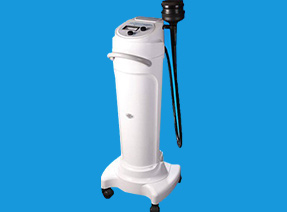
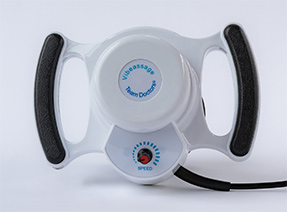
The Vibeassage Sport and the Vibeassage Pro featuring the TDX3 soft-as-the-hand Biomimetic Applicator Pad
https://www.teamdoctors.com/
✓ Get Dr. Stoxen’s #1 International Bestselling Books
Learn how to understand, examine, and reverse your TOS—without surgery.
https://drstoxen.com/1-international-best-selling-author/
✓ Check out Team Doctors Online Courses
Step-by-step video lessons, demonstrations, and self-treatment strategies.
https://teamdoctorsacademy.com/
✓ Schedule a Free Phone Consultation With Dr. Stoxen
Speak directly with him so he can review your case and guide you on your next steps.
https://drstoxen.com/appointment/
#ThoracicOutletSyndrome #TOS #PhonePosture #ModernPosture #ShoulderMechanics #NerveCompression #VascularCompression #NeckAndShoulder #PostureEducation #Biomechanics #Ergonomics #DigitalHealth #UpperExtremity #BrachialPlexus #Clavicle #FirstRib #PosturalLoad #MovementScience #TechNeck #ShoulderHealth
References
- Sanders, Richard J., and Neal S. Pearce. “Thoracic Outlet Syndrome: A Common Sequela of Neck Injuries.” Clinical Orthopaedics and Related Research 368 (1999): 100–105.
- Roos, D. B. “Thoracic Outlet Syndrome Is Underdiagnosed.” Muscle & Nerve 22, no. 1 (1999): 126–129.
- Urschel, Harold C., and R. B. Razzuk. “Neurovascular Compression in the Thoracic Outlet.” Annals of Thoracic Surgery 50, no. 3 (1990): 484–490.

Dr James Stoxen DC., FSSEMM (hon) He is the president of Team Doctors®, Treatment and Training Center Chicago, one of the most recognized treatment centers in the world.
Dr Stoxen is a #1 International Bestselling Author of the book, The Human Spring Approach to Thoracic Outlet Syndrome. He has lectured at more than 20 medical conferences on his Human Spring Approach to Thoracic Outlet Syndrome and asked to publish his research on this approach to treating thoracic outlet syndrome in over 30 peer review medical journals.
He has been asked to submit his other research on the human spring approach to treatment, training and prevention in over 150 peer review medical journals. He serves as the Editor-in-Chief, Journal of Orthopedic Science and Research, Executive Editor or the Journal of Trauma and Acute Care, Chief Editor, Advances in Orthopedics and Sports Medicine Journal and editorial board for over 35 peer review medical journals.
He is a much sought-after speaker. He has given over 1000 live presentations and lectured at over 70 medical conferences to over 50,000 doctors in more than 20 countries. He has been invited to speak at over 300 medical conferences which includes invitations as the keynote speaker at over 50 medical conferences.
After his groundbreaking lecture on the Integrated Spring-Mass Model at the World Congress of Sports and Exercise Medicine he was presented with an Honorary Fellowship Award by a member of the royal family, the Sultan of Pahang, for his distinguished research and contributions to the advancement of Sports and Exercise Medicine on an International level. He was inducted into the National Fitness Hall of Fame in 2008 and the Personal Trainers Hall of Fame in 2012.
Dr Stoxen has a big reputation in the entertainment industry working as a doctor for over 150 tours of elite entertainers, caring for over 1000 top celebrity entertainers and their handlers. Anthony Field or the popular children’s entertainment group, The Wiggles, wrote a book, How I Got My Wiggle Back detailing his struggles with chronic pain and clinical depression he struggled with for years. Dr Stoxen is proud to be able to assist him.
Full Bio) Dr Stoxen can be reached directly at teamdoctors@aol.com