In my clinical experience, one of the most common patterns that mimics Thoracic Outlet Syndrome is chronic tension in the pectoralis minor muscle. Many individuals are told they need a pectoralis minor resection, yet the underlying problem may be a pattern of muscle guarding rather than a structural disorder. Understanding how guarding develops and how it affects the three choke points of the thoracic outlet is essential.
Most people do not realize that there are three distinct areas where compression can occur. The first is the interscalene triangle, formed by the anterior scalene, middle scalene, and first rib. This region houses the brachial plexus nerves and subclavian artery. When the scalenes become overworked, tension increases in this narrow passageway. Many individuals overload these muscles while sitting on a couch, driving, or reclining at a computer. In these positions, the head drifts backward, and the scalenes must contract to hold it upright. Over time, this can lead to scalene overuse, stiffness, and symptoms that resemble nerve compression.
The second and third choke points involve the area beneath the clavicle and the space under the coracoid process. These regions are influenced heavily by the pectoralis minor, coracobrachialis, biceps short head, and subclavius. These muscles activate every time the shoulder moves into flexion. Examples include raising the phone, reaching for a mouse, typing with the arms too far forward, cutting hair, or driving with the hands high on the steering wheel. These everyday habits may contribute to shoulder flexion overload and cause the pectoralis minor to tighten.
What many people do not realize is that shoulder flexion requires a two-part pattern. The first step is anticipatory stabilization, where the pectoralis minor contracts to anchor the shoulder to the rib cage. Only then can the arm begin to move forward. When this stabilization occurs repeatedly throughout the day, the muscle can become fatigued. Fatigue leads to reduced blood flow and a buildup of metabolic stress, which can then trigger the nervous system.
As inflammation increases, receptors in the tissue send warning signals to the spinal cord. The spinal cord responds by intensifying protective reflexes designed to guard the area. This reflexive guarding increases tension in surrounding muscles, creating more compression around the thoracic outlet. Over time, the cycle of fatigue, damage, inflammation, and guarding compounds. This may lead to soft-tissue congestion, restricted movement, and symptoms that resemble true vascular or neurological compression.
This cycle can escalate quickly. The more muscles that contract, the more fatigue occurs. Fatigue can release additional inflammatory chemicals, strengthening the neural alarm signals. As a result, the guarding reflex intensifies and can spread to nearby regions. This layered response may become so strong that it shifts bones or tissues into the thoracic outlet, reducing space for the subclavian vein, subclavian artery, or nerves. These changes can produce sensations similar to vascular compression, even when the source is muscular.
When symptoms progress, many clinicians order an MRV, an imaging technique designed to evaluate the subclavian vein. During this test, gadolinium dye highlights blood flow patterns. A common finding is an area of missing dye beneath the pectoralis minor when the arm is raised. This appearance can occur because the muscle stretches across the thoracic outlet during elevation. If the muscle is already tight or inflamed, it may press against the vein and alter dye flow.
However, this imaging result does not automatically indicate structural TOS. Radiologists do not perform a full clinical examination, so they cannot correlate symptoms with findings. Their role is to describe what they see, not diagnose the cause. In some cases, the narrowed region is simply the result of pectoralis minor tightness rather than anatomical compression.
A common misconception is that a positive MRV means the patient needs a first rib resection or scalenectomy. However, these procedures address the interscalene triangle, not the area beneath the pectoralis minor. When a doctor recommends removing the first rib to address compression under the pectoralis minor, it raises questions about whether the imaging is being interpreted correctly.
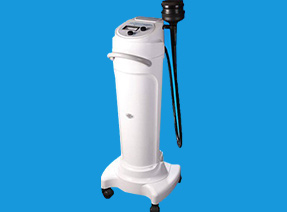
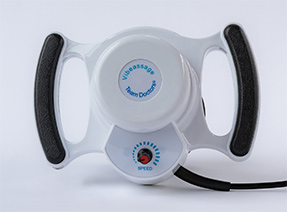
In my clinical experience, techniques such as vibration massage with tools like the Vibeassage®, Vibeassage® Sport, or Vibeassage® Pro, along with the TDX3 soft-as-the-hand Biomimetic Applicator Pad, may help reduce soft-tissue congestion around the pectoralis minor. As inflammation decreases, the guarding reflex may lessen, allowing the muscle to lengthen and improving shoulder biomechanics. When this occurs, narrowing of the thoracic outlet often decreases.
This highlights the importance of distinguishing muscular mimicry from structural TOS. Many individuals experience symptoms driven by protective muscle patterns rather than fixed anatomical compression. Recognizing the role of posture, repetitive strain, anticipatory stabilization, and guarding cycles helps clarify why pectoralis minor tension frequently mimics TOS-related symptoms.
Team Doctors Resources
✓ Check out the Team Doctors Recovery Tools
The Vibeassage Sport and the Vibeassage Pro featuring the TDX3 soft-as-the-hand Biomimetic Applicator Pad
https://www.teamdoctors.com/
✓ Get Dr. Stoxen’s #1 International Bestselling Books
Learn how to understand, examine, and reverse your TOS—without surgery.
https://drstoxen.com/1-international-best-selling-author/
✓ Check out Team Doctors Online Courses
Step-by-step video lessons, demonstrations, and self-treatment strategies.
https://teamdoctorsacademy.com/
✓ Schedule a Free Phone Consultation With Dr. Stoxen
Speak directly with him so he can review your case and guide you on your next steps.
https://drstoxen.com/appointment/
#thoracicoutletsyndrome #TOS #pectoralisminor #brachialplexus #subclavianvein #posturemechanics #muscleguarding #thoracicoutletanatomy #scalenetightness #upperextremity #nervecompression #vascularcompression #softtissue #shoulderflexion #posturehealth #inflammationcycle #deepTissue #TeamDoctors #shoulderpain #neckpain
References
[1] Illig, Karl A., et al. Thoracic Outlet Syndrome. Springer, 2013. https://link.springer.com/book/10.1007/978-1-4614-4833-0
[2] Hooper, T. L., et al. “Thoracic Outlet Syndrome: A Functional Approach.” Journal of Manual & Manipulative Therapy, 2010. https://doi.org/10.1179/jmt.2010.18.2.79
[3] Sanders, R. J., & Hammond, S. L. “Management of Thoracic Outlet Syndrome.” Vascular, 2002. https://doi.org/10.1177/170853810201000211
[4] Povlsen, B., et al. “Treatment for Neurogenic Thoracic Outlet Syndrome.” Journal of Hand Surgery, 2014. https://doi.org/10.1177/1753193413509808

Dr James Stoxen DC., FSSEMM (hon) He is the president of Team Doctors®, Treatment and Training Center Chicago, one of the most recognized treatment centers in the world.
Dr Stoxen is a #1 International Bestselling Author of the book, The Human Spring Approach to Thoracic Outlet Syndrome. He has lectured at more than 20 medical conferences on his Human Spring Approach to Thoracic Outlet Syndrome and asked to publish his research on this approach to treating thoracic outlet syndrome in over 30 peer review medical journals.
He has been asked to submit his other research on the human spring approach to treatment, training and prevention in over 150 peer review medical journals. He serves as the Editor-in-Chief, Journal of Orthopedic Science and Research, Executive Editor or the Journal of Trauma and Acute Care, Chief Editor, Advances in Orthopedics and Sports Medicine Journal and editorial board for over 35 peer review medical journals.
He is a much sought-after speaker. He has given over 1000 live presentations and lectured at over 70 medical conferences to over 50,000 doctors in more than 20 countries. He has been invited to speak at over 300 medical conferences which includes invitations as the keynote speaker at over 50 medical conferences.
After his groundbreaking lecture on the Integrated Spring-Mass Model at the World Congress of Sports and Exercise Medicine he was presented with an Honorary Fellowship Award by a member of the royal family, the Sultan of Pahang, for his distinguished research and contributions to the advancement of Sports and Exercise Medicine on an International level. He was inducted into the National Fitness Hall of Fame in 2008 and the Personal Trainers Hall of Fame in 2012.
Dr Stoxen has a big reputation in the entertainment industry working as a doctor for over 150 tours of elite entertainers, caring for over 1000 top celebrity entertainers and their handlers. Anthony Field or the popular children’s entertainment group, The Wiggles, wrote a book, How I Got My Wiggle Back detailing his struggles with chronic pain and clinical depression he struggled with for years. Dr Stoxen is proud to be able to assist him.
Full Bio) Dr Stoxen can be reached directly at teamdoctors@aol.com