The Body Was Never Meant to Be Treated Like a Broken Machine
Most people grow up thinking the human body works like a machine.
If something hurts, a part must be broken.
If a nerve hurts, that nerve must be the problem.
If the arm hurts, something in the arm must be damaged.
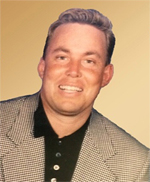
Dr. James Stoxen does not see the body that way.
He teaches that the body works more like a spring system — not a machine made of stiff parts, but a living, flexible structure designed to stretch, store energy, and release it again.
When that spring system works well, movement feels easy and light. You don’t think about your arms when you reach. You don’t think about your neck when you turn your head. You don’t think about your shoulders when you carry groceries.
But when that spring system slowly becomes stiff, twisted, and overloaded, the body starts to send warning signals.
At first, they are small:
A little tightness.
A little pulling.
A little tingling.
Later, they become harder to ignore:
Burning in the arm.
Numb fingers.
A heavy, tired shoulder.
Pain that seems to move around and never fully settle.
Many people in this stage are eventually told they might have something called Thoracic Outlet Syndrome.
And that is when fear enters the picture.
They start reading about thoracic outlet syndrome surgery.
They start wondering, do i need thoracic outlet surgery.
They ask themselves, is thoracic outlet surgery dangerous.
They worry about thoracic outlet surgery risks and what life might look like afterward.
Most of them never wanted to be thinking about surgery at all.
The Day in Thailand That Changed Everything
On January 19, 2026, Dr. Stoxen was in Thailand giving a lecture at an anti-aging conference. He had just finished speaking about Thoracic Outlet Syndrome when a young woman walked up to him and said she enjoyed the talk.
When he looked at her more closely, he noticed something else.
Scars.
One on her wrist.
One on her elbow.
One on her neck.
He looked at her gently and said, “We just figured out what really happened to you, didn’t we? You were misdiagnosed, and you actually had Thoracic Outlet Syndrome.”
She said yes.
And then she just stood there quietly, with a look that said more than words could.
She told him she had gone through three surgeries before she finally understood — just from listening to this lecture — that none of them had ever fixed the real problem.
Doctors had told her she had carpal tunnel syndrome.
Then cubital tunnel syndrome.
Then a herniated disc they saw on MRI.
They operated on all of them.
But her real problem had been Thoracic Outlet Syndrome from the very beginning.
By the time she found out, her body had already been changed forever.
This is how people end up searching the internet late at night for things like failed thoracic outlet surgery, or reading stories where symptoms came back after tos surgery, or learning about recurrence after thoracic outlet surgery.
Not because surgery is always wrong.
But because sometimes it is done for the wrong reason.
Why the Body Gets Misunderstood
Most medical systems are built around parts.
They look for:
A bad disc.
A trapped nerve.
A tight muscle.
A narrow space.
But the body does not move as parts. It moves as a system.
Dr. Stoxen’s Human Spring Approach is based on a simple idea:
If the whole spring system becomes stiff and twisted, pressure shows up in many places — even if none of those places are truly “broken.”
Muscles tighten to protect.
Movement becomes guarded.
Spaces get smaller.
Nerves and blood vessels get crowded.
Over time, people start hearing words like:
“Compression.”
“Impingement.”
“Damage.”
And that is when the conversation often turns to surgery.
Some are told about removing a rib.
Some are told about cutting muscles.
Some hear about the first rib resection risks or the scalenectomy surgery risks.
They begin to worry about thoracic outlet surgery complications, about nerve damage after tos surgery, or even about blood clot risk after tos surgery.
They ask about the thoracic outlet surgery success rate, the long-term results of tos surgery, and what life after thoracic outlet surgery is really like.
They are not trying to be dramatic.
They are trying to protect their future.
The Question That Rarely Gets Asked
Almost nobody asks this first:
“What if the problem is not a broken part… but a broken spring system?”
The Human Spring Approach does not begin with cutting or removing anything.
It begins with understanding:
How the body is supposed to move.
How it is supposed to absorb force.
How it is supposed to return to shape.
And what happens when it can’t anymore.
This is not a promise.
It is not a guarantee.
It is not a claim to cure anything.
It is a different way of thinking about why the body hurts.
Where Vibeassage Fits In
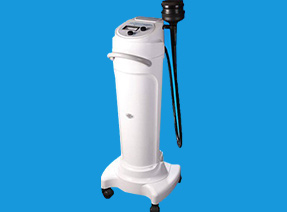
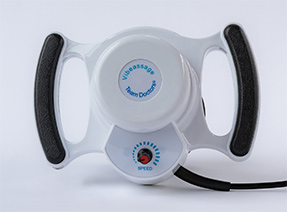
Dr. Stoxen uses tools like the Vibeassage Pro and Vibeassage Sport as self-care tools.
They are not used to diagnose.
They are not used to cure.
They are not used to replace medical care.
They are used to help people:
Explore tight, guarded areas
Relax overworked muscles
Improve awareness of their own body
Support daily self-care habits
A stiff spring cannot behave like a healthy spring.
That is simply physics.
Why You Are Reading This
You might be reading this because:
You were told surgery is your only option.
You are afraid to make the wrong decision.
You already had surgery and still hurt.
Or you just want to understand what is really happening to your body.
Some people end up living with pain after thoracic outlet surgery.
Some are left with numbness after tos surgery.
Some quietly admit that surgery didn’t fix arm pain, or even that surgery made symptoms worse.
This article is not here to tell you what to do.
It is here to help you understand what questions to ask first.
Why the Pictures Often Look “Fine” While You Still Hurt
One of the most confusing things for people living with long-lasting arm, neck, or shoulder pain is this:
The tests often look normal.
The MRI might look “okay.”
The X-ray might look “not that bad.”
The nerve tests might be “inconclusive.”
And yet the pain is still there.
The numbness is still there.
The heaviness is still there.
The burning or aching is still there.
Many people reach this point and think, “If nothing looks broken, then why do I feel broken?”
This is where the Human Spring Approach begins to explain something most people were never taught.
Your body is not just a stack of parts. It is a moving spring system. And a spring can stop working well long before it actually snaps.
The Difference Between a Broken Part and a Broken System
If a bone breaks, it shows up on an X-ray.
But if a spring system slowly becomes stiff, twisted, and overloaded, it often does not show up clearly on scans.
Instead, what happens is this:
Muscles tighten to protect.
Movement becomes smaller and more careful.
The body avoids certain positions without you even noticing.
Certain areas start carrying more and more stress.
Over time, important spaces in the body become smaller.
Not because something is “growing” there.
But because everything around that space is pulling, bracing, and guarding.
This is one of the reasons people can have real symptoms of Thoracic Outlet Syndrome even when tests are confusing or unclear.
And it is one reason people end up being told, “We don’t see much, but based on your symptoms, we think surgery might help.”
That is a terrifying moment for most patients.
That is when people start asking:
- is surgery my only option
- should i avoid tos surgery
- thoracic outlet surgery decision
- surgery vs conservative treatment tos
They are not trying to argue.
They are trying to protect their life and their body.
When Compression Is Not a Fixed Problem
Many people are taught to think of compression as something solid and permanent.
Like a bone pinching a nerve.
But in real life, a lot of compression is dynamic. It changes with:
Posture.
Fatigue.
Stress.
How long you’ve been sitting.
How you’re using your arms.
How tight your muscles are that day.
This is why someone can feel “almost normal” in the morning and terrible by evening.
It is also why some people feel worse after activity, or worse after holding their arms up, or worse after sitting at a computer.
The space is not permanently gone.
The space is being pulled closed by a tight, overprotected spring system.
If that idea is never explored, people can be sent down a road where surgery feels like the next logical step.
That is when they start worrying about things like:
- how long is recovery after tos surgery
- thoracic outlet surgery recovery
- thoracic outlet surgery success rate
- long-term results of tos surgery
- TOS surgery outcomes
Why Some People Feel Worse After Surgery
This is a very sensitive topic, but it must be said honestly and kindly.
Some people truly believe surgery helped them.
Others quietly live with:
- pain after thoracic outlet surgery
- numbness after tos surgery
And some eventually find themselves searching phrases like:
- surgery didn’t fix arm pain
- surgery made symptoms worse
- when surgery fails tos
- revision tos surgery
This does not mean surgeons are bad people.
It means something important:
If the system problem is never addressed, changing the structure does not always solve the real cause.
If the spring system stays stiff, guarded, and overloaded, the body may simply shift the stress somewhere else.
This is also why people worry about:
- nerve damage after tos surgery
- blood clot risk after tos surgery
- thoracic outlet surgery complications
Not because these happen to everyone.
But because the stakes are very high when someone operates near nerves and blood vessels.
The Question of “Before”
Almost no one is taught to fully explore the before stage.
Before cutting.
Before removing.
Before changing the body forever.
People often wish someone had slowed down and helped them think through:
- before getting thoracic outlet surgery
- what to do before surgery
The Human Spring Approach exists in that space.
It asks:
“What if we first try to understand how this person’s spring system is behaving?”
“What if we try to understand why the body is guarding?”
“What if we try to restore movement and softness before we remove anything?”
Again, this is not a promise.
Not a guarantee.
Not a replacement for medical care.
It is simply a different order of thinking.
How People Get Lost in the System
By the time many people reach this stage, they have seen many doctors.
They may have visited a thoracic outlet syndrome doctor.
They may have searched for the best specialist for t TOS.
They may have looked for a TOS expert consultation or a thoracic outlet syndrome second opinion.
They might have gone to a specialist for arm nerve pain or a shoulder nerve pain specialist.
Some have seen a neurologist for arm nerve pain.
Some have seen a vascular thoracic outlet specialist.
Some have been caught between orthopedic vs vascular TOS specialist opinions.
They are not shopping.
They are lost and trying to survive.
Where the Human Spring Approach Fits
Dr. Stoxen’s work does not begin with “What do we remove?”
It begins with “How is this body moving, protecting, and loading itself?”
The Human Spring Approach looks at:
How the feet load the ground.
How the hips move.
How the spine adapts.
How the shoulders hang or brace.
How the neck carries the head.
How the arms are used all day.
All of these affect the spring system.
And when the spring system improves even a little, some people are shocked by how different their body feels.
Where Self-Care Tools Come In
Tools like the Vibeassage Pro and Vibeassage Sport are used for self-care and self-exploration.
They are not cures.
They are not medical treatments.
They are not replacements for doctors.
They are ways to:
Reduce guarding.
Soften overworked tissue.
Improve body awareness.
Support daily routines that encourage movement and relaxation.
A spring that is always clenched cannot behave like a spring.
Perfect. Continuing in the same clean, human, book-chapter style. No keyword dumping. No SEO voice. Just a real explanation for real people.
PART 3
How So Many Good People End Up on the Wrong Path
Most people do not start their journey thinking about surgery.
They start with something much smaller.
A tight neck.
A tired shoulder.
A hand that tingles once in a while.
An arm that feels heavy at the end of the day.
At first, they ignore it.
Then one day, it doesn’t go away.
The Long Road of Being Told the Wrong Story
Many people spend months or even years being told different explanations.
“It’s your neck.”
“It’s your wrist.”
“It’s your elbow.”
“It’s a disc.”
“It’s a nerve.”
Some are told they have carpal tunnel syndrome.
Some are told they have cubital tunnel syndrome.
Some are told a disc on MRI explains everything.
And sometimes, like the young woman in Thailand, they get surgery for each one of those ideas.
Only later do they discover that none of them were the real cause.
This is how people eventually find out they had Thoracic Outlet Syndrome all along.
And this is how they end up living with scars, disappointment, and questions they were never told to ask.
This is also how people end up searching:
- who treats thoracic outlet syndrome
- best doctor for thoracic outlet syndrome
- TOS expert near me
- doctor who understands thoracic outlet syndrome
- specialist for unexplained arm pain
- doctor for chronic arm pain
- second opinion arm pain
They are not looking for a miracle.
They are looking for someone who will actually listen.
Why the Body Likes to Lie About Where the Problem Is
One of the strangest things about the human body is this:
Pain often shows up far away from the real problem.
A problem in the neck can feel like a problem in the hand.
A problem in the shoulder can feel like a problem in the elbow.
A problem in the upper back can feel like a problem in the chest.
This is because the body works as a connected spring system.
When one part becomes stiff and guarded, the stress gets pushed into another part.
Over time, the place that hurts the most is not always the place that is causing the trouble.
This is one reason so many people get treated in the wrong place.
And it is one reason Thoracic Outlet Syndrome is so often misunderstood.
The Trap of Chasing the Loudest Symptom
Doctors are trained to fix problems they can see.
If the wrist hurts, they look at the wrist.
If the elbow hurts, they look at the elbow.
If the neck hurts, they look at the neck.
But Thoracic Outlet problems often live in the space between things.
They live in the way the shoulder hangs.
In the way the neck carries the head.
In the way the chest is held.
In the way the whole upper body is bracing.
If that system is never examined as a system, people can spend years fixing parts and never fixing the cause.
That is how some people eventually face:
- thoracic outlet syndrome surgery
- And start asking, do i need thoracic outlet surgery
How People Get Rushed Toward Big Decisions
By the time someone hears the words “surgery might be the next step,” they are usually exhausted.
They have tried many things.
They are tired of hurting.
They want their life back.
That is when fear mixes with hope.
They start reading about thoracic outlet surgery success rate.
They worry about thoracic outlet surgery risks.
They ask, is thoracic outlet surgery dangerous.
They try to imagine life after thoracic outlet surgery.
They may also hear about:
- first rib resection risks
- scalenectomy surgery risks
And still, some are told this is the only real option left.
This is when people should slow down the most.
The Stories Nobody Likes to Talk About
Most websites talk about success.
Few talk about the people who live with:
- pain after thoracic outlet surgery
- numbness after TOS surgery
Even fewer talk about the ones who later realize:
- surgery didn’t fix arm pain
- surgery made symptoms worse
Some eventually learn about:
- nerve damage after TOS surgery
- blood clot risk after TOS surgery
- thoracic outlet surgery complications
And some end up facing:
- failed thoracic outlet surgery
- symptoms came back after TOS surgery
- recurrence after thoracic outlet surgery
- when surgery fails TOS
- revision TOS surgery
Again, this does not mean surgery is always wrong.
It means the decision is serious and permanent.
Why the Human Spring Approach Asks Different Questions
Dr. Stoxen does not start with, “What do we cut?”
He starts with:
“How is this person’s body carrying itself?”
“How is their spring system loading and unloading?”
“Where is the body guarding, and why?”
He looks at the whole chain:
Feet.
Hips.
Spine.
Ribs.
Shoulders.
Neck.
Arms.
He looks for patterns, not just spots.
This is what often gets missed.
How Self-Care Fits Into This Picture
Tools like the Vibeassage Pro and Vibeassage Sport are used as part of daily self-care and awareness.
They are not cures.
They are not medical treatments.
They do not replace doctors.
They are ways to:
Help relax overworked tissue.
Reduce constant guarding.
Explore where the body is tight.
Support movement and recovery habits.
A body that is always bracing cannot move like a healthy spring.
Choosing Who You Trust
If you are still searching, you may be looking for:
- A thoracic outlet syndrome specialist
- A TOS specialist evaluation
- A TOS diagnosis specialist
- A nerve compression specialist
- A thoracic outlet syndrome second opinion
- A best treatment center for TOS
Or you may simply be asking:
“Who actually understands what’s happening to my body?”
That is the most important question of all.
How to Make a Clear Decision Without Being Pushed by Fear
When people reach the point where surgery is being discussed, they are usually tired.
Tired of pain.
Tired of not sleeping well.
Tired of worrying about their future.
Tired of going from doctor to doctor.
By this stage, many people are no longer thinking clearly. They are thinking emotionally. That is normal. Pain does that to people.
This is when questions start repeating in the mind:
- do i need thoracic outlet surgery
- is surgery my only option
- is thoracic outlet surgery dangerous
- should i avoid tos surgery
These are not weak questions. They are wise questions.
The Truth About Big Medical Decisions
Surgery is not like trying a new pillow or a new exercise.
Once something is removed or cut, it cannot be put back.
That is why every person deserves time and calm thinking before making a thoracic outlet surgery decision.
Many people wish someone had told them to slow down and really think about:
- before getting thoracic outlet surgery
- what to do before surgery
Instead, some are rushed forward because they are hurting and scared.
Understanding the Real Trade-Off
A calm way to think about this is to compare surgery vs conservative treatment tos.
Surgery changes structure.
Conservative care tries to change function.
Surgery is permanent.
Function can change over time.
Surgery has known risks.
Conservative approaches usually carry less risk, but also less certainty.
This is why people ask about:
- thoracic outlet surgery risks
- thoracic outlet surgery complications
- first rib resection risks
- scalenectomy surgery risks
And why they worry about:
- nerve damage after tos surgery
- blood clot risk after tos surgery
These are not imaginary fears. They are part of reality.
The Questions About “After”
People also worry about what comes next.
A few end up facing:
- failed thoracic outlet surgery
- symptoms came back after tos surgery
- recurrence after thoracic outlet surgery
- when surgery fails tos
- revision tos surgery
This is why the decision deserves respect and time.
Why a Second Opinion Is Not an Insult
If you are facing something this serious, you deserve more than one perspective.
Some get stuck between orthopedic vs vascular TOS specialist opinions.
This is not being difficult.
This is being responsible.
Where the Human Spring Approach Changes the Conversation
The Human Spring Approach does not promise outcomes.
It changes how you think about the problem.
Instead of asking only, “What do we remove?” it asks:
“How is this body loading itself?”
“Why is it guarding?”
“Why is it stiff?”
“Why did this pattern develop?”
It treats the body as a connected spring system, not a pile of broken parts.
Sometimes, just understanding this changes how a person feels about their body and their choices.
Where Vibeassage Pro and Vibeassage Sport Fit
Tools like Vibeassage Pro and Vibeassage Sport are self-care tools.
They are not medical treatments.
They do not diagnose.
They do not cure.
They do not replace doctors.
They are used to help people:
Relax overworked muscles.
Reduce constant guarding.
Improve body awareness.
Support daily movement and recovery habits.
A spring that is always clenched cannot behave like a spring.
The Most Important Thing to Remember
You are not a broken machine.
You are a living, adapting, learning system.
Even if surgery is ultimately the right choice for someone, it should never come from fear, confusion, or pressure.
It should come from clear understanding.
A Final Thought
The young woman in Thailand did not need three surgeries.
She needed someone to understand her whole body.
That does not mean surgery is never right.
It means the right question must come before the knife.
Team Doctors Resources
✓ Check out the Team Doctors Recovery Tools
The Vibeassage Sport and the Vibeassage Pro featuring the TDX3 soft-as-the-hand Biomimetic Applicator Pad
https://www.teamdoctors.com/
✓ Get Dr. Stoxen’s #1 International Bestselling Books
Learn how to understand, examine, and reverse your TOS—without surgery.
https://drstoxen.com/1-international-best-selling-author/
✓ Check out Team Doctors Online Courses
Step-by-step video lessons, demonstrations, and self-treatment strategies.
https://teamdoctorsacademy.com/
✓ Schedule a Free Phone Consultation With Dr. Stoxen
Speak directly with him so he can review your case and guide you on your next steps.
https://drstoxen.com/appointment/
#ThoracicOutletSyndrome #SleepPosture #SideSleeping #NeckSupport #PillowSetup #NightPain #MorningStiffness #RecoveryHabits #HealingEnvironment #PainRelief #ChronicPainHelp #HumanSpring #HealthOptimization #RestAndRecover #Rehab

Dr James Stoxen DC., FSSEMM (hon) He is the president of Team Doctors®, Treatment and Training Center Chicago, one of the most recognized treatment centers in the world.
Dr Stoxen is a #1 International Bestselling Author of the book, The Human Spring Approach to Thoracic Outlet Syndrome. He has lectured at more than 20 medical conferences on his Human Spring Approach to Thoracic Outlet Syndrome and asked to publish his research on this approach to treating thoracic outlet syndrome in over 30 peer review medical journals.
He has been asked to submit his other research on the human spring approach to treatment, training and prevention in over 150 peer review medical journals. He serves as the Editor-in-Chief, Journal of Orthopedic Science and Research, Executive Editor or the Journal of Trauma and Acute Care, Chief Editor, Advances in Orthopedics and Sports Medicine Journal and editorial board for over 35 peer review medical journals.
He is a much sought-after speaker. He has given over 1000 live presentations and lectured at over 70 medical conferences to over 50,000 doctors in more than 20 countries. He has been invited to speak at over 300 medical conferences which includes invitations as the keynote speaker at over 50 medical conferences.
After his groundbreaking lecture on the Integrated Spring-Mass Model at the World Congress of Sports and Exercise Medicine he was presented with an Honorary Fellowship Award by a member of the royal family, the Sultan of Pahang, for his distinguished research and contributions to the advancement of Sports and Exercise Medicine on an International level. He was inducted into the National Fitness Hall of Fame in 2008 and the Personal Trainers Hall of Fame in 2012.
Dr Stoxen has a big reputation in the entertainment industry working as a doctor for over 150 tours of elite entertainers, caring for over 1000 top celebrity entertainers and their handlers. Anthony Field or the popular children’s entertainment group, The Wiggles, wrote a book, How I Got My Wiggle Back detailing his struggles with chronic pain and clinical depression he struggled with for years. Dr Stoxen is proud to be able to assist him.
Full Bio) Dr Stoxen can be reached directly at teamdoctors@aol.com