Modern technology is creating a sharp rise in Thoracic Outlet Syndrome and chronic neck and upper-extremity symptoms. In my clinical experience, most individuals underestimate how much mechanical stress is placed on the shoulder girdle during everyday device use.
According to Nielsen statistics, Americans now spend approximately 11.5 hours per day on handheld devices. That translates to more than eleven hours of sustained muscle contraction, rounded shoulder posture, and repetitive micro-movements.
Unlike exercise, which involves contraction followed by rest, device use creates prolonged loading without recovery. Muscles remain partially contracted while performing fine motor tasks.
This sustained load overwhelms the body’s spring-based biomechanics, a system designed to absorb and release force efficiently. When that system is overloaded, tissues begin to fail.
As muscles fatigue, microscopic fiber damage develops. In response, inflammation accumulates within the muscle tissue.
Once inflammation is present, the spinal cord activates an involuntary protective response known as muscle guarding reflexes. This reflex contracts surrounding muscles to stabilize the area.
At this point, a two-layer contraction pattern develops. One layer is voluntary, driven by holding and manipulating devices. The second layer is involuntary, driven by inflammation.
Together, these layers create a powerful feedback loop. This loop progressively narrows the thoracic outlet and increases pressure on neural and vascular structures.
As compression builds, individuals may experience upper extremity nerve compression, arm numbness, tingling, cold hands, grip weakness, and chronic neck and shoulder pain.
Because symptoms vary, this pattern often mimics other conditions. Many individuals are initially diagnosed with carpal tunnel syndrome, cubital tunnel syndrome, or cervical radiculopathy.
Others undergo imaging that suggests disc degeneration or spinal changes. In many cases, these findings are incidental rather than causal.
In my clinical observations, patients frequently undergo MRIs, nerve conduction studies, injections, or even spine surgery before anyone evaluates the shoulder-driven compression pattern.
By the time the true source is recognized, individuals may have lost strength, mobility, and years of quality of life.
Holding a smartphone requires the body to anchor the shoulder girdle. This anchoring is achieved by tightening the pectoralis minor, subclavius, and short head of the biceps.
Once these stabilizers engage, the deltoid and elbow flexors can lift the device. This sequence occurs automatically, hundreds of times per day.
With repetition, these muscles remain active longer than designed. As inflammation builds, the guarding reflex sustains contraction even when the device is no longer in the hand.
This explains why symptoms persist at rest. The nervous system has shifted into a protective mode that does not shut off easily.
This is also why many traditional therapies provide only temporary relief. A patient may feel better after treatment, but symptoms return once daily habits resume.
No amount of therapy can overcome a daily mechanical overload that remains unchanged. Treatment must be paired with habit modification.
Breaking the cycle requires reducing contraction time, improving shoulder positioning, and restoring dynamic movement within the spring system.
Without these changes, the system continues to overload faster than it can recover.
Another pattern I commonly see is gradual symptom progression. It rarely begins with severe pain.
Instead, individuals notice subtle neck fatigue, shoulder heaviness, or intermittent tingling during device use.
Over weeks or months, these sensations become more frequent. The guarding reflex intensifies and symptoms persist longer after activity.
Eventually, what once felt like normal discomfort becomes chronic tension and restricted movement.
Many individuals assume this progression is due to stress or aging. In reality, it reflects an early-stage thoracic outlet compression pattern.
As compression worsens, daily tasks become more difficult. Activities like driving, typing, or holding a phone exacerbate symptoms.
This reinforces fear, avoidance, and further muscle guarding, accelerating the cycle.
If you have experienced worsening symptoms, multiple specialist visits, or failed interventions, you are not alone.
In my clinical experience, individuals feel lost not because they cannot improve, but because no one has explained the true mechanical cause behind their symptoms.
Understanding this pattern reframes the problem. Symptoms are not random, and they are not imagined.
They reflect a predictable response to prolonged mechanical overload driven by modern technology.
When the underlying mechanics are addressed, individuals can begin restoring balance, reducing guarding, and reclaiming function.
Awareness is the first step. Recognizing how technology shapes posture and muscle tone allows individuals to interrupt the cycle before severe compression develops.
Team Doctors Resources
✓ Check out the Team Doctors Recovery Tools
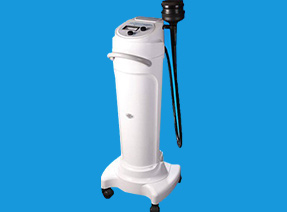
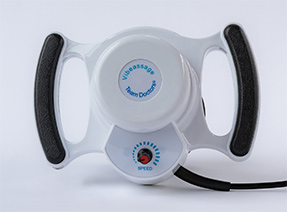
The Vibeassage Sport and the Vibeassage Pro featuring the TDX3 soft-as-the-hand Biomimetic Applicator Pad
https://www.teamdoctors.com/
✓ Get Dr. Stoxen’s #1 International Bestselling Books
Learn how to understand, examine, and reverse your TOS—without surgery.
https://drstoxen.com/1-international-best-selling-author/
✓ Check out Team Doctors Online Courses
Step-by-step video lessons, demonstrations, and self-treatment strategies.
https://teamdoctorsacademy.com/
✓ Schedule a Free Phone Consultation With Dr. Stoxen
Speak directly with him so he can review your case and guide you on your next steps.
https://drstoxen.com/appointment/
#ThoracicOutletSyndrome #TechPosture #SmartphonePosture #NeckPainRelief #UpperExtremityPain #TOSCauses #PostureAwareness #MuscleGuarding #ChronicPainPatterns #Biomechanics #DigitalHealth #ModernPosture #ShoulderGirdle #NerveCompression #VascularCompression #PainEducation #MovementHealth #ErgonomicStress #TOSAwareness #PosturalLoad
References
- Roos, D. B. “Thoracic Outlet Syndrome Is Underdiagnosed.” Muscle & Nerve 22, no. 1 (1999): 126–129.
- Sanders, Richard J., and Neal S. Pearce. “Neurogenic Thoracic Outlet Syndrome.” Journal of Vascular Surgery 36, no. 3 (2002): 669–676.
- Urschel, Harold C., and R. B. Razzuk. “The Neurovascular Compression Syndromes of the Thoracic Outlet.” Annals of Thoracic Surgery 50, no. 3 (1990): 484–490.

Dr James Stoxen DC., FSSEMM (hon) He is the president of Team Doctors®, Treatment and Training Center Chicago, one of the most recognized treatment centers in the world.
Dr Stoxen is a #1 International Bestselling Author of the book, The Human Spring Approach to Thoracic Outlet Syndrome. He has lectured at more than 20 medical conferences on his Human Spring Approach to Thoracic Outlet Syndrome and asked to publish his research on this approach to treating thoracic outlet syndrome in over 30 peer review medical journals.
He has been asked to submit his other research on the human spring approach to treatment, training and prevention in over 150 peer review medical journals. He serves as the Editor-in-Chief, Journal of Orthopedic Science and Research, Executive Editor or the Journal of Trauma and Acute Care, Chief Editor, Advances in Orthopedics and Sports Medicine Journal and editorial board for over 35 peer review medical journals.
He is a much sought-after speaker. He has given over 1000 live presentations and lectured at over 70 medical conferences to over 50,000 doctors in more than 20 countries. He has been invited to speak at over 300 medical conferences which includes invitations as the keynote speaker at over 50 medical conferences.
After his groundbreaking lecture on the Integrated Spring-Mass Model at the World Congress of Sports and Exercise Medicine he was presented with an Honorary Fellowship Award by a member of the royal family, the Sultan of Pahang, for his distinguished research and contributions to the advancement of Sports and Exercise Medicine on an International level. He was inducted into the National Fitness Hall of Fame in 2008 and the Personal Trainers Hall of Fame in 2012.
Dr Stoxen has a big reputation in the entertainment industry working as a doctor for over 150 tours of elite entertainers, caring for over 1000 top celebrity entertainers and their handlers. Anthony Field or the popular children’s entertainment group, The Wiggles, wrote a book, How I Got My Wiggle Back detailing his struggles with chronic pain and clinical depression he struggled with for years. Dr Stoxen is proud to be able to assist him.
Full Bio) Dr Stoxen can be reached directly at teamdoctors@aol.com