In my clinical experience, patterns of upper extremity strain often become more noticeable as daily device use increases. Many individuals spend long hours on computers, tablets, and smartphones, and these habits can load the neck, shoulder, and arm in ways that may contribute to Thoracic Outlet Syndrome. Simple actions repeated thousands of times each day may create layers of tension and muscle fatigue. Even small changes in posture can shift how stress moves through the brachial plexus and upper extremity.
Early in my career, upper-body complaints were often less complex. Patients commonly reported soreness or stiffness after work, but symptoms tended to resolve with simpler strategies. Over time, however, as computers became standard in workplaces, patterns of repetitive strain increased. Long periods of mouse use and keyboarding required sustained contraction of the shoulder, neck, and hand muscles, which may contribute to postural overload.
With the rise of smartphones, symptoms in the arm, hand, and neck grew more frequent. People often hold devices at arm’s length or look downward for extended periods. This position loads the cervical spine, increases compression across the thoracic outlet, and places stress on the scalene muscles. Many individuals describe tightness near the collarbone, which is where the subclavian artery and subclavian vein pass beneath the clavicle. These structures share space with the nerves of the brachial plexus, and tension in nearby tissues may influence how they move.
As social media platforms expanded, users spent more time scrolling, swiping, typing, and gaming. These repeated motions may contribute to soft-tissue congestion in the neck and shoulder. Some individuals notice increased arm heaviness, while others describe tingling or fatigue in the hand. In some cases, these behaviors may coincide with symptoms associated with neurovascular compression. Although every person is different, certain posture patterns repeatedly appear in individuals who use devices for long hours.
During the COVID-19 period, a dramatic increase in remote work and entertainment raised daily device-use time even further. Many individuals used smartphones in bed while holding the device at full arm extension. This position often elevates the shoulder and tightens the pectoralis minor, which may influence the space beneath the coracoid process. This is an area sometimes associated with subcoracoid compression, a pattern noted in individuals with arm discomfort.
In some situations, prolonged device use may coincide with symptoms resembling forearm compartment pressure. When the muscles of the forearm perform repetitive gripping motions, they can accumulate fluid and tension. Some individuals describe tightness, swelling, or reduced endurance. While true compartment syndrome is a medical emergency requiring surgical evaluation, milder exertional patterns may create stiffness and discomfort. Understanding the difference is important, and individuals should seek proper medical evaluation when severe symptoms appear.
Children and adolescents are also using devices earlier and for longer durations. Their musculoskeletal systems are still developing, and repeated hours of gaming or scrolling may load the neck and shoulder in ways similar to adults. Some children describe early signs of tech neck, including fatigue at the base of the skull or between the shoulder blades. Prolonged flexed-head posture reduces the natural curve of the cervical spine and may influence tension around the thoracic outlet.
Clinically, many individuals with high device use share similar themes. They often report tightness in the scalene region, reduced shoulder endurance, and sensations of nerve irritation during prolonged tasks. Symptoms may appear during overhead reaching, typing, driving, or sleeping on one side. These patterns highlight how posture and repetition may influence the upper extremity over time.
Understanding the anatomy of the thoracic outlet helps explain why these symptoms occur. The interscalene triangle houses the roots of the brachial plexus and the subclavian artery. Even small changes in muscle tone can alter the dimensions of this space. The region beneath the clavicle is another narrow passageway, and tension in surrounding tissues may influence the movement of blood vessels and nerves. The costoclavicular space and subcoracoid space also play roles in nerve and vascular mobility. When posture loads these areas repeatedly, some individuals may notice symptoms that align with TOS-related patterns.
Modern work environments and digital habits create a unique landscape of repetitive stress. While devices are essential tools, understanding how they influence posture and movement can help individuals make informed decisions about their daily routines. Breaking up long periods of static positions, adjusting ergonomics, and becoming aware of shoulder and neck tension are simple educational steps that many people find helpful.
As technology continues to evolve, awareness of these patterns becomes increasingly important. Understanding how posture, repetition, and daily habits interact with the thoracic outlet empowers individuals to recognize early warning signs. With education and proper evaluation, people can make choices that support healthier movement patterns throughout the upper extremity.
Team Doctors Resources
✓ Check out the Team Doctors Recovery Tools
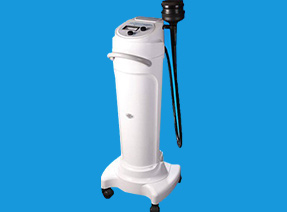
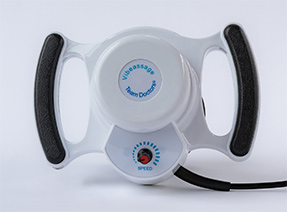
The Vibeassage Sport and the Vibeassage Pro featuring the TDX3 soft-as-the-hand Biomimetic Applicator Pad
https://www.teamdoctors.com/
✓ Get Dr. Stoxen’s #1 International Bestselling Books
Learn how to understand, examine, and reverse your TOS—without surgery.
https://drstoxen.com/1-international-best-selling-author/
✓ Check out Team Doctors Online Courses
Step-by-step video lessons, demonstrations, and self-treatment strategies.
https://teamdoctorsacademy.com/
✓ Schedule a Free Phone Consultation With Dr. Stoxen
Speak directly with him so he can review your case and guide you on your next steps.
https://drstoxen.com/appointment/
#thoracicoutletsyndrome #TOS #upperextremity #posture #techneck #brachialplexus #neckpain #shoulderpain #armfatigue #nervecompression #vascularcompression #ergonomics #deviceuse #smartphoneposture #repetitivestrain #forearmpain #scalenes #pectoralisminor #TeamDoctors #movementhealth
REFERENCES
[1] Sanders, R. J., & Hammond, S. L. “Thoracic Outlet Syndrome: A Review.” Neurologic Clinics, vol. 36, no. 2, 2018. https://doi.org/10.1016/j.ncl.2018.01.008
[2] Illig, K. A., et al. Thoracic Outlet Syndrome. Springer, 2013. https://link.springer.com/book/10.1007/978-1-4614-4833-0
[3] Hooper, T. L., et al. “Thoracic Outlet Syndrome: A Functional Approach.” Journal of Manual & Manipulative Therapy, 2010. https://doi.org/10.1179/jmt.2010.18.2.79
[4] Manske, R. C. “Forearm Compartment Conditions in Repetitive Use.” Journal of Orthopaedic & Sports Physical Therapy, 2019. https://www.jospt.org

Dr James Stoxen DC., FSSEMM (hon) He is the president of Team Doctors®, Treatment and Training Center Chicago, one of the most recognized treatment centers in the world.
Dr Stoxen is a #1 International Bestselling Author of the book, The Human Spring Approach to Thoracic Outlet Syndrome. He has lectured at more than 20 medical conferences on his Human Spring Approach to Thoracic Outlet Syndrome and asked to publish his research on this approach to treating thoracic outlet syndrome in over 30 peer review medical journals.
He has been asked to submit his other research on the human spring approach to treatment, training and prevention in over 150 peer review medical journals. He serves as the Editor-in-Chief, Journal of Orthopedic Science and Research, Executive Editor or the Journal of Trauma and Acute Care, Chief Editor, Advances in Orthopedics and Sports Medicine Journal and editorial board for over 35 peer review medical journals.
He is a much sought-after speaker. He has given over 1000 live presentations and lectured at over 70 medical conferences to over 50,000 doctors in more than 20 countries. He has been invited to speak at over 300 medical conferences which includes invitations as the keynote speaker at over 50 medical conferences.
After his groundbreaking lecture on the Integrated Spring-Mass Model at the World Congress of Sports and Exercise Medicine he was presented with an Honorary Fellowship Award by a member of the royal family, the Sultan of Pahang, for his distinguished research and contributions to the advancement of Sports and Exercise Medicine on an International level. He was inducted into the National Fitness Hall of Fame in 2008 and the Personal Trainers Hall of Fame in 2012.
Dr Stoxen has a big reputation in the entertainment industry working as a doctor for over 150 tours of elite entertainers, caring for over 1000 top celebrity entertainers and their handlers. Anthony Field or the popular children’s entertainment group, The Wiggles, wrote a book, How I Got My Wiggle Back detailing his struggles with chronic pain and clinical depression he struggled with for years. Dr Stoxen is proud to be able to assist him.
Full Bio) Dr Stoxen can be reached directly at teamdoctors@aol.com