How Modern Gadget Use Is Accelerating Thoracic Outlet Syndrome
In my clinical experience spanning more than four decades, one pattern has become impossible to ignore: modern gadget use is dramatically accelerating upper extremity inflammation, Thoracic Outlet Syndrome, and even severe compartment syndrome of the forearm.
When the average American spends approximately eleven and a half hours per day manipulating digital devices, the musculoskeletal system of the neck, shoulders, arms, and hands is placed under constant load. These hours are not passive. They involve tens of thousands of repetitive contractions across small and large muscle groups, creating an inflammatory burden that the body cannot clear efficiently.
When I first entered clinical practice, most neck–shoulder–arm conditions were relatively straightforward. A combination of adjustments and a few hours of focused deep tissue work was often enough to restore circulation and reduce inflammation. Recovery timelines were predictable, and symptoms were generally reversible.
As desktop computer use became widespread, the severity of cases began to shift. Patients presented with deeper muscle guarding, more persistent nerve symptoms, and greater resistance to standard care. What once required several hours of work soon required ten hours or more to move inflammatory waste out of the tissues.
The introduction of smartphones and early social media platforms marked another turning point. Sustained neck flexion, shoulder elevation, and static hand positioning added a new layer of repetitive stress. Patients began reporting escalating numbness, burning, fatigue, and swelling throughout the upper extremity. At this stage, many individuals required fifteen or more hours of focused deep tissue work to decompress the inflamed structures.
As platforms such as Facebook, YouTube, Instagram, and Twitter grew, the pattern intensified. Each new application encouraged longer sessions, more frequent checking, and less variation in posture. The cumulative effect was not limited to the neck. It extended through the shoulder girdle, elbow, forearm, and even into the hand.
By this stage, reversing inflammatory conditions often required fifteen to twenty hours of care. The tissues were no longer dealing with isolated strain. They were overwhelmed by chronic, low-grade loading that never fully shut off.
The most dramatic change occurred with the rise of short-form video platforms. TikTok and similar apps introduced a unique posture problem: prolonged viewing in bed with the phone held at full arm extension. This position loads the cervical spine, shoulder stabilizers, and forearm flexors simultaneously. The result has been a sharp increase in severe Thoracic Outlet Syndrome patterns.
Today, in my clinical observation, reversing a chronic TOS presentation commonly requires twenty-five to thirty hours of focused deep tissue work simply to move out accumulated inflammatory waste. This is not because the body has changed, but because the volume of stress has increased exponentially.
In cases where patients also develop forearm compartment syndrome, the workload increases further. These cases may require an additional forty hours of focused care to reduce compartment pressure, restore circulation, and normalize nerve flow. Many hand surgeons have observed that physical therapy often fails in these severe exertional compartment syndromes, leading to fasciotomy as the primary intervention.
This trend reflects how significantly modern device use overwhelms tissues from fingertip to neck. The posture used while holding a phone places continuous demand on every joint and muscle along the kinetic chain. The cervical spine stabilizes the head. The shoulder suspends the arm. The forearm and hand perform repetitive fine-motor tasks without rest.
Perhaps most concerning is how early these patterns now begin. Smartphones and tablets are commonly placed in the hands of very young children. When a five-year-old spends hours gaming or scrolling, they begin accumulating the same repetitive stress patterns decades earlier than previous generations.
Without education, prevention, and early recognition, entire populations may develop advanced upper extremity inflammatory disorders before adulthood. This is not speculation. It is a pattern clinicians are already observing.
In my experience, something must change. Awareness is the first step. Understanding how these conditions develop helps individuals recognize early warning signs and adjust habits before inflammation becomes entrenched.
This educational discussion is intended to explain what clinicians are seeing worldwide and why early awareness matters. Thoracic Outlet Syndrome and forearm compartment disorders are no longer limited to athletes or manual laborers. They are increasingly conditions of modern lifestyle.
Reducing device time, varying posture, and respecting recovery are no longer optional considerations. They are essential components of long-term musculoskeletal health in a digital world.
Team Doctors Resources
✓ Check out the Team Doctors Recovery Tools
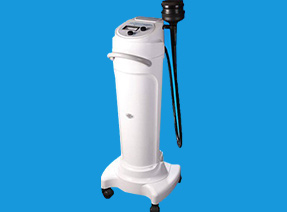
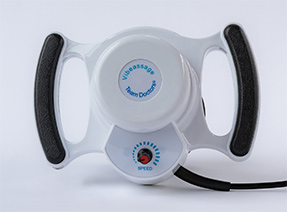
The Vibeassage® Sport and the Vibeassage® Pro featuring the TDX3 soft-as-the-hand Biomimetic Applicator Pad
https://www.teamdoctors.com/
✓ Get Dr. Stoxen’s #1 International Bestselling Books
Learn how to understand, examine, and reverse your TOS—without surgery.
https://drstoxen.com/1-international-best-selling-author/
✓ Check out Team Doctors Online Courses
Step-by-step video lessons, demonstrations, and self-treatment strategies.
https://teamdoctorsacademy.com/
✓ Schedule a Free Phone Consultation With Dr. Stoxen
Speak directly with him so he can review your case and guide you on your next steps.
https://drstoxen.com/appointment/
#ThoracicOutletSyndrome #TOS #SmartphonePosture #DigitalOveruse #UpperExtremityPain #CompartmentSyndrome #ChronicInflammation #NeckPain #ArmPain #ForearmPain #PostureAwareness #ModernLifestyle #MusculoskeletalHealth #NerveCompression #VascularCompression #TOSAwareness #PatientEducation #Ergonomics #TechHealth #ChronicPain

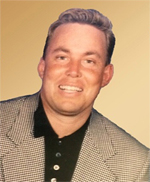
Dr James Stoxen DC., FSSEMM (hon) He is the president of Team Doctors®, Treatment and Training Center Chicago, one of the most recognized treatment centers in the world.
Dr Stoxen is a #1 International Bestselling Author of the book, The Human Spring Approach to Thoracic Outlet Syndrome. He has lectured at more than 20 medical conferences on his Human Spring Approach to Thoracic Outlet Syndrome and asked to publish his research on this approach to treating thoracic outlet syndrome in over 30 peer review medical journals.
He has been asked to submit his other research on the human spring approach to treatment, training and prevention in over 150 peer review medical journals. He serves as the Editor-in-Chief, Journal of Orthopedic Science and Research, Executive Editor or the Journal of Trauma and Acute Care, Chief Editor, Advances in Orthopedics and Sports Medicine Journal and editorial board for over 35 peer review medical journals.
He is a much sought-after speaker. He has given over 1000 live presentations and lectured at over 70 medical conferences to over 50,000 doctors in more than 20 countries. He has been invited to speak at over 300 medical conferences which includes invitations as the keynote speaker at over 50 medical conferences.
After his groundbreaking lecture on the Integrated Spring-Mass Model at the World Congress of Sports and Exercise Medicine he was presented with an Honorary Fellowship Award by a member of the royal family, the Sultan of Pahang, for his distinguished research and contributions to the advancement of Sports and Exercise Medicine on an International level. He was inducted into the National Fitness Hall of Fame in 2008 and the Personal Trainers Hall of Fame in 2012.
Dr Stoxen has a big reputation in the entertainment industry working as a doctor for over 150 tours of elite entertainers, caring for over 1000 top celebrity entertainers and their handlers. Anthony Field or the popular children’s entertainment group, The Wiggles, wrote a book, How I Got My Wiggle Back detailing his struggles with chronic pain and clinical depression he struggled with for years. Dr Stoxen is proud to be able to assist him.
Full Bio) Dr Stoxen can be reached directly at teamdoctors@aol.com