The Day a Giant Taught Me How the Human Spring Really Works
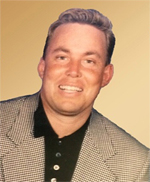
One of the strongest men I ever worked on was Ed Coan.
If you know the world of powerlifting, you know that name. But what most people don’t understand is what it feels like to stand next to someone like that in real life. Ed wasn’t just strong. He was built differently. His neck measured over 21 inches. Honestly, his neck looked thicker than his head. His shoulders were like stone. His back looked like it was carved out of something harder than muscle.
When he stood relaxed, his back muscles were so thick that they dipped inward on both sides and his spine stood out like a ridge in the middle. It looked unreal, like a comic book drawing of a human body.
Back then, I was the chiropractor people came to when they were serious about their bodies. Ed trained three days a week. He didn’t come in because he had neck pain, or neck shoulder pain, or neck pain and headaches. He came in because he understood something most people don’t:
You don’t wait until something breaks.
We were looking for small problems before they became big ones.
And almost every time, there was one spot.
Right at the base of the neck.
That junction between C7 and T1.
And the first rib.
That area would get tight. Restricted. Not moving right.
Now imagine this: you’re trying to reach a small joint buried under a mountain of trap muscle, on a man whose upper back feels like dense, living concrete. Getting your hand in there wasn’t like normal work. You had to slowly, patiently, work your way through inches of muscle just to make contact.
It wasn’t elegant. It was work.
And that’s where I learned something that would later become the foundation of what I now call the Human Spring Approach.
Strength does not protect you from mechanical restriction.
Sometimes it hides it.
Ed didn’t have chronic neck pain, or neck stiffness, or neck and arm pain, or neck and back pain. But the same mechanical rules applied to his body as to everyone else’s.
The body is not a machine made of rigid parts.
The body is a living system of springs.
Your Body Is Not a Stack of Blocks
Most people think of the body like a stack of blocks.
If something hurts, they assume something is “out of place,” “worn out,” or “damaged.”
But that’s not how living bodies work.
Your body is built more like a suspension bridge or a mountain bike. It depends on:
- Elastic tissues
- Joint motion
- Load sharing
- Shock absorption
- And energy recycling
When that spring system works well, movement feels easy. When it doesn’t, the body starts to feel tight, heavy, stiff, and tired. That’s when people start noticing things like collarbone neck pain, collarbone pain near neck, collarbone neck and shoulder pain, neck pain and dizziness, or collarbone and arm pain.
They may feel constant neck pain, neck muscle pain, chest pain around collar bone, chest pain under the collarbone, tingling in collarbone, or pain above collarbone.
Some people notice arm neck pain and don’t know where it’s coming from.
Very often, what they are feeling is not a single “bad part.” They are feeling a spring system that is no longer moving and sharing load the way it was designed to.
The First Rib: A Small Bone With a Big Job
The first rib sits high in the chest, under the collarbone, near the base of the neck. It moves when you breathe. It moves when you lift your arm. It moves when your neck moves.
It is part of the shoulder suspension system.
When that rib stops moving well, the body doesn’t just ignore it. The body adapts.
Muscles tighten to protect the area.
Posture changes.
Movement patterns change.
Over time, people may develop neck pain causes that seem mysterious. Or neck and arm pain that doesn’t match anything obvious on scans. Or a collection of symptoms that send them searching for a thoracic outlet syndrome specialist, or the best doctor for thoracic outlet syndrome, or a TOS expert near me.
They may ask:
- who treats thoracic outlet syndrome
- thoracic outlet syndrome second opinion
- doctor who understands thoracic outlet syndrome
- find thoracic outlet specialist
- TOS specialist evaluation
- best treatment center for TOS
- who actually understands TOS
- thoracic outlet syndrome doctor
Some are told to see a specialist for arm nerve pain, or the best specialist for TOS, or book a TOS expert consultation.
They may be sent to a nerve compression specialist, a shoulder nerve pain specialist, a vascular thoracic outlet specialist, a neurologist for arm nerve pain, or told to debate orthopedic vs vascular TOS specialist.
They may search for a TOS diagnosis specialist, ask where to go for TOS, look for a TOS clinic near me, or seek a second opinion arm pain.
Some are just looking for the best care for thoracic outlet syndrome, a doctor for chronic arm pain, a specialist for unexplained arm pain, or an expert in thoracic outlet syndrome.
They may end up at a TOS evaluation center, an advanced TOS treatment center, or a full thoracic outlet syndrome care team.
And some are even told to consider things like thoracic outlet surgery, thoracic outlet syndrome surgery, first rib resection, or TOS surgery.
They worry about thoracic outlet surgery recovery, thoracic outlet surgery complications, thoracic outlet surgery success rate, thoracic outlet syndrome surgery recovery, first rib surgery, thoracic outlet syndrome surgery cost, and thoracic outlet syndrome surgery complications.
That is a scary road for anyone to be on.
And it often starts with a spring system that has slowly lost its ability to move, adapt, and share load.
The Human Spring Idea in Simple Words
The Human Spring Approach is not about diagnosing or treating diseases.
It is about understanding how the body is supposed to move.
Your feet are springs.
Your ankles are springs.
Your knees are springs.
Your hips are springs.
Your spine is a chain of springs.
Your rib cage is a spring system.
Your shoulders hang from a spring system.
When springs are:
- Mobile
- Elastic
- And well-coordinated
Movement feels light.
When springs become:
- Stiff
- Guarded
- Or overloaded
The body starts to feel heavy, tight, and sore.
This is not about blaming one bone, one disc, or one muscle.
It is about how the whole system is behaving.
Why Even Strong People Get Restricted
Ed Coan was one of the strongest humans on the planet. But even he had a spot that would get tight and stop moving well.
Why?
Because strength does not equal freedom of motion.
In fact, very strong muscles can sometimes hide restriction.
The body will always find a way to get the job done. If one spring stops working well, another area works harder. Over time, that creates:
- Overuse
- Tension
- Fatigue
- And loss of smooth movement
Most people don’t notice this at first. They just start to feel:
- Less flexible
- More stiff in the morning
- More tired after activity
- Or more sensitive in the neck, shoulders, or arms
Where Self-Care Fits In
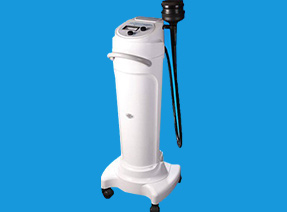
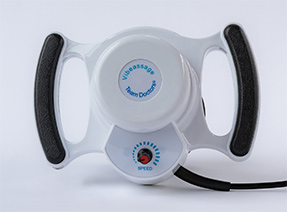
This is where tools like the Vibeassage Pro and Vibeassage Sport come in.
These are not medical treatments.
They do not diagnose anything.
They do not cure anything.
They are self-care tools.
They are used for:
- Muscle comfort
- Relaxation
- Softening tight tissues
- Improving body awareness
- Supporting daily movement and recovery
- Helping people feel looser and more comfortable in their own bodies
Many patients use them the same way they would use:
- Stretching
- A warm shower
- Gentle movement
- Or a foam roller
They are simply another way to help the body calm down and move more easily.
In the Human Spring way of thinking, anything that helps tissues soften, move, and cooperate is helping the spring system do its job.
What This Story Is Really About
This story is not really about Ed Coan.
It is about this idea:
Even the strongest body in the world still depends on small joints moving freely and springs working together.
And if that is true for him, it is even more true for normal people living normal lives.
How the Human Spring System Slowly Breaks Down in Everyday Life
The Slow Changes Nobody Notices
Most people don’t wake up one day with serious neck pain, neck shoulder pain, or neck pain and headaches.
It usually starts much more quietly.
A little stiffness in the morning.
A shoulder that feels tight when reaching overhead.
A neck that doesn’t turn as easily as it used to.
At first, it doesn’t seem important. Life is busy. People sit more. They move less. They look at screens more. They breathe more shallowly. They carry stress in their shoulders and jaw.
The body is very good at adapting.
But adaptation is not always the same as staying healthy.
The Human Spring Approach looks at the body as a system of springs that must:
- Move
- Stretch
- Compress
- And rebound
all day long.
When those springs are not used fully, they slowly begin to lose their natural motion.
Not all at once.
Bit by bit.
Sitting Is Not Neutral
Most people think sitting is “rest.”
But from a spring-system point of view, sitting is more like slow compression.
When you sit for long periods:
- Your hip springs stay bent
- Your spine springs stop moving
- Your rib cage springs stop expanding fully
- Your shoulder springs start to hang forward
Over time, this changes how load travels through the body.
Instead of being shared across many springs, stress starts to collect in a few areas.
This is when people begin to notice:
- neck stiffness
- neck and arm pain
- neck and back pain
- collarbone neck pain
- collarbone neck and shoulder pain
- arm neck pain
Some also notice strange feelings like tingling in collarbone, pain above collarbone, or chest pain around collar bone.
These sensations can be confusing and worrying. People often start searching for neck pain causes because they can’t point to one clear injury.
The Role of Breathing in the Spring System
Most people don’t realize how much breathing affects the spring system of the body.
Your rib cage is not a rigid box.
It is a moving spring structure.
Every breath is supposed to gently move:
- The ribs
- The spine
- The collarbones
- And the muscles of the neck and shoulders
But when people are stressed, tired, or sitting a lot, breathing becomes small and shallow.
The upper ribs move less.
The first rib moves less.
The collarbones move less.
Over time, the tissues around that area become less flexible and more guarded.
This is one reason some people begin to feel:
- collarbone pain near neck
- collarbone and arm pain
- chest pain under the collarbone
- constant neck pain
- neck muscle pain
Again, this is not about one “bad” part. It is about a spring system that is no longer being used fully.
How the Body Tries to Protect Itself
The body is very smart.
When an area stops moving well, the brain often responds by:
- Tightening muscles
- Limiting motion
- And increasing support around that area
This is a protective strategy.
But protection has a cost.
When muscles stay tight for too long, they:
- Get tired
- Lose flexibility
- And start to change how movement feels
This is how a person can slowly move from “just a little stiff” to having chronic neck pain or neck pain and dizziness without ever having a single big injury.
When People Start Looking for Specialists
When symptoms don’t go away, people start looking for answers.
They may be told to look for a thoracic outlet syndrome specialist or the best doctor for thoracic outlet syndrome. They may search online for a TOS expert near me or ask who treats thoracic outlet syndrome.
Some are told to get a thoracic outlet syndrome second opinion or to find a doctor who understands thoracic outlet syndrome.
They may be sent for a TOS specialist evaluation at what they hope is the best treatment center for TOS, because they want someone who actually understands TOS.
They may be referred to a thoracic outlet syndrome doctor, a specialist for arm nerve pain, or the best specialist for TOS.
Others are told to schedule a TOS expert consultation, see a nerve compression specialist, a shoulder nerve pain specialist, or a vascular thoracic outlet specialist.
Some end up seeing a neurologist for arm nerve pain, or are asked to compare orthopedic vs vascular TOS specialist opinions.
They may search for a TOS diagnosis specialist, ask where to go for TOS, or look for a TOS clinic near me.
Many just want a second opinion arm pain, or the best care for thoracic outlet syndrome, or a doctor for chronic arm pain, or a specialist for unexplained arm pain.
Some eventually find themselves at a large TOS evaluation center, an advanced TOS treatment center, or working with a full thoracic outlet syndrome care team.
All of this can feel overwhelming.
And underneath it all is often a long story of spring system stiffness, guarding, and load concentration.
Why Some People Are Told to Consider Surgery
When symptoms are severe or persistent, some people are told to consider things like:
- thoracic outlet surgery
- thoracic outlet syndrome surgery
- first rib resection
- TOS surgery
This naturally leads to worries about:
- thoracic outlet surgery recovery
- thoracic outlet surgery complications
- thoracic outlet surgery success rate
- thoracic outlet syndrome surgery recovery
- first rib surgery
- thoracic outlet syndrome surgery cost
- thoracic outlet syndrome surgery complications
This article is not about telling anyone what to do.
It is about helping people understand how the body gets to this point in the first place.
A Different Way to Look at the Body
The Human Spring Approach does not start by asking, “What part is bad?”
It starts by asking:
- Where has motion slowly been lost?
- Where has load stopped being shared?
- Where has the body started guarding instead of moving?
When you look at the body this way, you often see that the neck, shoulder, chest, and arm are not separate problems.
They are part of one connected spring system.
Where Gentle Daily Self-Care Fits
This is also where simple daily self-care makes sense.
Tools like the Vibeassage Pro and Vibeassage Sport are used by many people as part of their daily routine to:
- Help muscles relax
- Encourage tissue movement
- Support comfort after long days
- And help the body feel more at ease
They are not medical devices in this context.
They are personal care tools, like stretching, walking, or using a warm shower.
In a spring-based view of the body, anything that helps tissues soften and move again is supportive.
Why the Neck and Shoulder Are Often Victims, Not the Real Beginning
The Body Works as One Connected Spring
One of the biggest mistakes people make when they hurt is to assume that the painful place is the problem.
If your neck hurts, you assume the neck is the problem.
If your shoulder hurts, you assume the shoulder is the problem.
If your arm feels strange, you assume the arm is the problem.
But the Human Spring Approach looks at the body very differently.
It sees the body as one long, connected system of springs from the feet to the head.
When one part of that system stops working well, other parts must work harder to make up for it.
Over time, those overworked areas begin to feel tired, tight, and uncomfortable.
Very often, the neck and shoulder area ends up paying the price.
The Feet Are the First Springs
Most people don’t think about their feet when they have neck pain or neck shoulder pain.
But your feet are your primary shock absorbers.
Every step you take sends force up through:
- Your feet
- Your ankles
- Your knees
- Your hips
- Your spine
- Your ribs
- Your shoulders
- And your neck
If the foot springs are stiff, weak, or not moving well, more force travels upward.
That force does not disappear. It gets absorbed somewhere else.
Often, that “somewhere else” is the upper body.
Over time, this can contribute to patterns that show up as:
- neck pain and headaches
- neck stiffness
- neck and arm pain
- neck and back pain
- constant neck pain
- neck muscle pain
Again, this does not mean the feet “caused” the problem. It means the load-sharing system is no longer balanced.
The Hips and Spine Are Big Springs Too
The hips and spine are some of the largest and most important springs in the body.
They are supposed to:
- Bend
- Twist
- Absorb shock
- And return energy
When people sit a lot, move less, or protect old injuries, these big springs start to move less freely.
When that happens, the body still has to move.
So it starts using smaller springs more.
The neck and shoulders are smaller, more delicate parts of the spring system. They are not designed to be primary shock absorbers.
Yet, in many modern bodies, that is exactly what they become.
This is one reason some people start to notice:
- collarbone neck pain
- collarbone pain near neck
- collarbone neck and shoulder pain
- collarbone and arm pain
- pain above collarbone
- chest pain around collar bone
- chest pain under the collarbone
- tingling in collarbone
- arm neck pain
The Shoulder Hangs From the Neck and Chest
The shoulder does not sit on top of the rib cage like a block on a table.
It hangs from the neck and chest using muscles, ligaments, and connective tissues.
It is a suspended structure.
That means the neck, the first rib, the collarbone, and the upper ribs all play a role in how the arm feels and moves.
When this suspension system becomes tight or stiff, people may begin looking for:
- A thoracic outlet syndrome specialist
- The best doctor for thoracic outlet syndrome
- A TOS expert near me
- Or asking who treats thoracic outlet syndrome
They may seek a thoracic outlet syndrome second opinion or try to find a doctor who understands thoracic outlet syndrome.
They may go for a TOS specialist evaluation at what they hope is the best treatment center for TOS, because they want someone who actually understands TOS.
They may see a thoracic outlet syndrome doctor, a specialist for arm nerve pain, or the best specialist for TOS.
They may book a TOS expert consultation, or be sent to a nerve compression specialist, shoulder nerve pain specialist, or vascular thoracic outlet specialist.
Some are referred to a neurologist for arm nerve pain or told to compare orthopedic vs vascular TOS specialist opinions.
They may search for a TOS diagnosis specialist, ask where to go for TOS, or look for a TOS clinic near me.
Many simply want a second opinion arm pain, or the best care for thoracic outlet syndrome, or a doctor for chronic arm pain, or a specialist for unexplained arm pain.
Some eventually arrive at a TOS evaluation center, an advanced TOS treatment center, or work with a full thoracic outlet syndrome care team.
All of this makes sense when symptoms are scary and persistent.
But from a spring-system point of view, the question is always:
Why is this area being overloaded in the first place?
Why Treating Only the Painful Spot Often Fails
Imagine a car with a bad shock absorber in the front.
The tire wears out faster.
The steering feels rough.
The ride feels harsh.
You could keep changing the tire.
But unless you fix the shock system, the problem keeps coming back.
The body is the same.
If the feet, hips, and spine are not doing their share of shock absorption, the neck and shoulders get overworked.
This is why some people feel like they are chasing symptoms:
- The neck feels tight, then better, then tight again
- The shoulder feels better, then the arm feels strange
- One spot improves, another spot starts complaining
The system is still not sharing load well.
Where Daily Comfort Care Fits In Again
From a Human Spring point of view, daily comfort care is not about “fixing” anything.
It is about:
- Helping tissues relax
- Encouraging movement
- Reducing guarding
- And supporting the body’s natural motion
Many people use tools like the Vibeassage Pro and Vibeassage Sport as part of their normal routine, the same way they use stretching, walking, or gentle movement.
These tools are not about diagnosis or treatment.
They are about:
- Muscle comfort
- Relaxation
- And helping the body feel more at ease
When tissues are less guarded, the spring system can move more freely.
Coming Back to the Story of Ed Coan
Remember Ed Coan.
He was incredibly strong.
But even his body had a spot where the spring system would start to lose motion and stiffen.
Not because he was weak.
Not because he was broken.
But because no body is perfect, and no spring system is used evenly all the time.
That is true for world champions.
And it is true for office workers, drivers, parents, and retirees.
Bringing It All Together: Learning to Work With Your Body Instead of Fighting It
Coming Back to the Man With the 22-Inch Neck
Let’s go back to the story of Ed Coan for a moment.
Here was one of the strongest men in the world. His neck was over 21 inches. His traps were like armor. His back muscles were so thick they dipped inward and left his spine standing out like a ridge.
And yet, almost every time he came in, there was that same small area.
Right at the base of the neck.
Right around C7, T1, and the first rib.
That spot would slowly lose motion. Not because he was weak. Not because he was broken. But because no body, no matter how strong, uses every spring perfectly all the time.
And that is the real lesson.
The body is not protected by strength alone.
The body is protected by motion, balance, and load sharing.
What the Human Spring Approach Is Really About
The Human Spring Approach is not about chasing pain.
It is not about blaming one disc, one rib, one muscle, or one joint.
It is about looking at the body as:
- A connected system
- A moving system
- A spring-based system
Your comfort depends on how well this system:
- Absorbs load
- Shares load
- And returns energy
When it does that well, movement feels easier.
When it does that poorly, the body starts to feel:
- Heavy
- Tight
- Stiff
- And easily irritated
That is when people begin to notice things like neck pain, neck shoulder pain, neck pain and headaches, or start searching for neck pain causes.
Some notice neck stiffness, neck and arm pain, neck and back pain, or constant neck pain.
Others feel collarbone neck pain, collarbone pain near neck, collarbone neck and shoulder pain, collarbone and arm pain, pain above collarbone, chest pain around collar bone, chest pain under the collarbone, or tingling in collarbone.
Some experience arm neck pain, neck muscle pain, or even neck pain and dizziness.
These experiences can be worrying. And that is why many people start looking for a thoracic outlet syndrome specialist, the best doctor for thoracic outlet syndrome, or a TOS expert near me.
They may ask who treats thoracic outlet syndrome, seek a thoracic outlet syndrome second opinion, or try to find a doctor who understands thoracic outlet syndrome.
They may go for a TOS specialist evaluation at what they hope is the best treatment center for TOS, because they want someone who actually understands TOS.
They may see a thoracic outlet syndrome doctor, a specialist for arm nerve pain, or the best specialist for TOS.
They may book a TOS expert consultation, or be sent to a nerve compression specialist, shoulder nerve pain specialist, or vascular thoracic outlet specialist.
Some are referred to a neurologist for arm nerve pain, or asked to weigh opinions about orthopedic vs vascular TOS specialist.
They may search for a TOS diagnosis specialist, ask where to go for TOS, or look for a TOS clinic near me.
Many simply want a second opinion arm pain, the best care for thoracic outlet syndrome, a doctor for chronic arm pain, or a specialist for unexplained arm pain.
Some end up at a TOS evaluation center, an advanced TOS treatment center, or working with a full thoracic outlet syndrome care team.
And some are told to consider things like thoracic outlet surgery, thoracic outlet syndrome surgery, first rib resection, or TOS surgery, which leads to understandable worries about:
- thoracic outlet surgery recovery
- thoracic outlet surgery complications
- thoracic outlet surgery success rate
- thoracic outlet syndrome surgery recovery
- first rib surgery
- thoracic outlet syndrome surgery cost
- thoracic outlet syndrome surgery complications
This article is not here to tell anyone what they should or should not do.
It is here to offer a different way to think about the body before problems reach that point.
A Simpler, Calmer Way to Look at the Body
From a Human Spring point of view, the most important questions are:
- Where has movement slowly been lost?
- Where is the body no longer sharing load well?
- Where has the system become stiff, guarded, or overworked?
Instead of seeing the body as parts that wear out, this approach sees the body as a system that needs to keep moving and adapting.
Where Gentle Daily Care Fits In
This is where simple daily habits matter.
Walking.
Changing positions.
Breathing fully.
Stretching gently.
Letting muscles relax.
And for many people, using simple comfort tools like the Vibeassage Pro and Vibeassage Sport.
These are not medical treatments.
They do not diagnose anything.
They do not cure anything.
They are self-care tools used for:
- Comfort
- Relaxation
- Softening tight muscles
- Supporting daily movement
- And helping the body feel more at ease
People use them the same way they use:
- Stretching
- A warm shower
- Or gentle movement
In a spring-based view of the body, anything that helps tissues relax and move again supports the system.
Why This Way of Thinking Is Empowering
One of the most stressful things about pain is feeling helpless.
Feeling like your body is broken.
Feeling like something is “wrong with you.”
Feeling like only someone else can fix you.
The Human Spring way of thinking is different.
It says:
Your body is not fragile.
Your body is adaptable.
Your body responds to how you use it.
Small daily actions, done consistently, can change how the system feels and moves.
The Real Lesson From the Powerlifter
Ed Coan did not come in because he was in trouble.
He came in because he understood something very simple:
You don’t wait for the system to fail before you take care of it.
Even the strongest body in the world still depends on:
- Small joints moving
- Soft tissues staying flexible
- And springs sharing load properly
That is true for champions.
And it is true for everyone else.
A Different Relationship With Your Body
The Human Spring Approach invites people to stop asking only:
“What part hurts?”
And start asking:
“How is my whole system moving today?”
That shift alone can change how people:
- Think about their bodies
- Move through their days
- And relate to comfort, stiffness, and recovery
Final Thought
Your body is not a machine made of rigid parts.
It is a living spring system.
When you work with it instead of against it, it often feels lighter, easier, and more comfortable to live in.
Team Doctors Resources
✓ Check out the Team Doctors Recovery Tools
The Vibeassage Sport and the Vibeassage Pro featuring the TDX3 soft-as-the-hand Biomimetic Applicator Pad
https://www.teamdoctors.com/
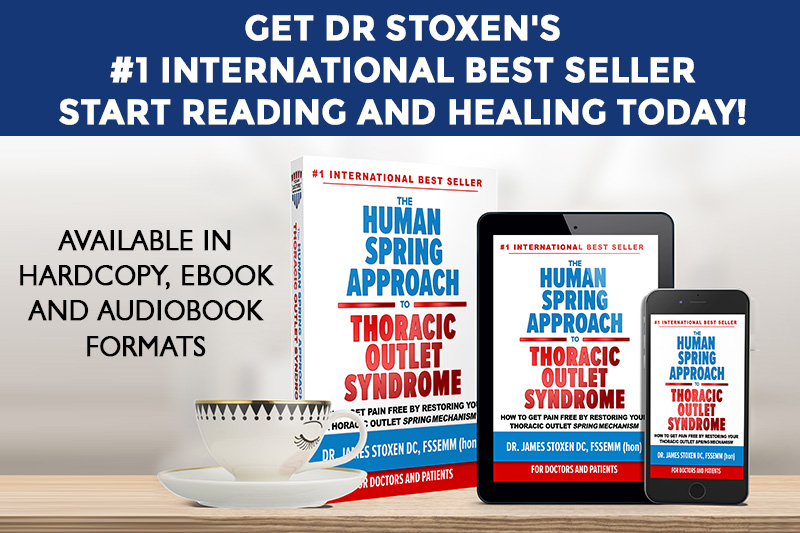
✓ Get Dr. Stoxen’s #1 International Bestselling Books
Learn how to understand, examine, and reverse your TOS—without surgery.
https://drstoxen.com/1-international-best-selling-author/
✓ Check out Team Doctors Online Courses
Step-by-step video lessons, demonstrations, and self-treatment strategies.
https://teamdoctorsacademy.com/
✓ Schedule a Free Phone Consultation With Dr. Stoxen
Speak directly with him so he can review your case and guide you on your next steps.
https://drstoxen.com/appointment/
#ThoracicOutletSyndrome #Posture #ForwardHeadPosture #RoundedShoulders #Biomechanics #BodyAlignment #MovementMatters #PainMechanics #RehabScience #ChronicPainHelp #HumanSpring #FunctionalMovement #PostureCorrection #PainEducation #Health

Dr James Stoxen DC., FSSEMM (hon) He is the president of Team Doctors®, Treatment and Training Center Chicago, one of the most recognized treatment centers in the world.
Dr Stoxen is a #1 International Bestselling Author of the book, The Human Spring Approach to Thoracic Outlet Syndrome. He has lectured at more than 20 medical conferences on his Human Spring Approach to Thoracic Outlet Syndrome and asked to publish his research on this approach to treating thoracic outlet syndrome in over 30 peer review medical journals.
He has been asked to submit his other research on the human spring approach to treatment, training and prevention in over 150 peer review medical journals. He serves as the Editor-in-Chief, Journal of Orthopedic Science and Research, Executive Editor or the Journal of Trauma and Acute Care, Chief Editor, Advances in Orthopedics and Sports Medicine Journal and editorial board for over 35 peer review medical journals.
He is a much sought-after speaker. He has given over 1000 live presentations and lectured at over 70 medical conferences to over 50,000 doctors in more than 20 countries. He has been invited to speak at over 300 medical conferences which includes invitations as the keynote speaker at over 50 medical conferences.
After his groundbreaking lecture on the Integrated Spring-Mass Model at the World Congress of Sports and Exercise Medicine he was presented with an Honorary Fellowship Award by a member of the royal family, the Sultan of Pahang, for his distinguished research and contributions to the advancement of Sports and Exercise Medicine on an International level. He was inducted into the National Fitness Hall of Fame in 2008 and the Personal Trainers Hall of Fame in 2012.
Dr Stoxen has a big reputation in the entertainment industry working as a doctor for over 150 tours of elite entertainers, caring for over 1000 top celebrity entertainers and their handlers. Anthony Field or the popular children’s entertainment group, The Wiggles, wrote a book, How I Got My Wiggle Back detailing his struggles with chronic pain and clinical depression he struggled with for years. Dr Stoxen is proud to be able to assist him.
Full Bio) Dr Stoxen can be reached directly at teamdoctors@aol.com