Why Pictures Don’t Always Explain Pain — And Why the Body Works More Like a Spring Than a Stack of Bricks
Many people today are looking for a doctor who helps avoid cervical surgery or a cervical surgery second opinion doctor because they are scared. And that fear makes sense.
Neck pain, arm pain, numbness, tingling, burning, or weakness can feel serious. When someone hears words like Herniated disc, Disc herniation, or Nerve root compression, the mind immediately jumps to thoughts of damage, danger, and surgery.
Some people start searching for a non-surgical neck pain specialist, a doctor who treats neck pain without surgery, or even an alternative to cervical spine surgery doctor because they want answers before making a life-changing decision.
That is a smart instinct.
Dr. James Stoxen is known by many patients as a spine specialist focused on non-surgical care, a neck pain second opinion specialist, and a doctor who avoids cervical fusion whenever possible. He does not begin by asking, “How do we remove this?” He begins by asking a much more important question:
“Why is the body behaving this way?”
The Big Mistake: Thinking the Body Is a Stack of Parts
Most people are taught to think of the spine like a stack of blocks with pads between them. If one pad looks “bad” on an MRI, the conclusion seems simple: remove it, shave it, or fuse it.
But the human body does not move like a stack of bricks.
It moves like a spring system.
That is the foundation of what Dr. Stoxen calls the Human Spring Approach. Instead of seeing the body as rigid parts, this way of thinking sees the body as a living, elastic system that is meant to:
- Absorb force
• Store energy
• Release energy
• Protect nerves and blood vessels by staying decompressed
When this spring system works well, movement feels light, easy, and efficient. When it becomes stiff, compressed, or imbalanced, stress builds up in the wrong places.
This is where many problems labeled as Mechanical back pain, Discogenic pain, Spinal nerve irritation, or Radiculopathy often begin.
Why MRI Pictures Can Be Very Misleading
Here is a real situation that happens every day.
A patient comes in.
The doctor asks:
“Did you have any trauma?”
“No.”
“Did you fall?”
“No.”
“Did you lift something heavy?”
“No.”
So the doctor orders an MRI.
The scan comes back and the doctor says:
“Look at that — there’s a Cervical disc herniation on the right side where your pain is. Oh my God, we have to cut that out.”
But do we?
In Japan, researchers did large studies using hundreds of volunteers who had never had pain in their lives. No back pain. No neck pain. No injuries. No history of problems.
They put these completely healthy people into MRI scanners.
And here is what they found:
About 34% of people who had never had back pain in their entire lives had what looked like a Lumbar disc herniation. Some of them were large.
Then they did the same kind of study on people who had never had neck pain. Again, about 33–34% had what looked like a Disc bulge, Disc protrusion, or Protruding disc in the neck.
And about 7% had findings that looked like Dural sac compression or even Spinal canal narrowing — yet they had no symptoms at all.
This is what doctors mean when they talk about Asymptomatic disc herniation and Incidental MRI findings.
The Critical Question Nobody Asks
Now imagine this:
You are driving. You get hit from behind. Later you develop back pain or leg pain, sometimes called Sciatica. Or you develop arm pain, sometimes called Cervical radiculopathy.
You get an MRI.
The doctor says, “Look — you have a Bulging disc, a Slipped disc, or even a Ruptured disc. That must be the cause.”
But how do we know that disc was not already there before?
We don’t.
This is called Imaging–symptom mismatch.
Just because something shows up on a picture does not mean it is the source of the pain.
The Laws of Physics Matter
Here is something very important and very simple:
Discs do not magically rupture while you are sleeping.
A horizontal, unloaded spine does not suddenly generate enough force to cause a Disc extrusion or Disc sequestration.
You do not go to bed fine and wake up thinking:
“I must have slept wrong — I herniated a disc.”
That violates the laws of physics.
So when someone says that story, Dr. Stoxen says:
“No — that explanation doesn’t work. We have to look at the whole system.”
What Actually Creates Pain?
Pain usually comes from:
- Inflammatory back pain
• Nerve impingement
• Foraminal stenosis
• Muscle guarding
• Loss of spring motion
• Long-term compression patterns
• Poor load distribution
This is why many people start looking for a neck nerve pain specialist non-surgical, a doctor who treats pinched nerve without surgery, or a doctor for nerve pain in neck and arm.
They are not broken. Their system is overloaded and compressed.
The Difference Between “Findings” and “Function”
Medical reports often list things like:
- Degenerative disc disease
• Annular tear
• Spinal canal narrowing
• Disc bulge vs herniation
• MRI disc findings
But these are descriptions, not explanations.
They do not tell you:
- Why the body is overloaded
• Why inflammation is present
• Why the spring system is not absorbing force
• Why the nervous system is irritated
This is why many patients start searching for a functional spine specialist, a holistic neck pain doctor, or a movement-based neck pain specialist.
They want someone who looks at how the body works — not just what a picture shows.
The Human Spring Perspective
The Human Spring Approach looks at the body like a suspension bridge, not like a pile of blocks.
When one part of the spring system stiffens, other parts must take more load. Over time, this creates:
- Compression
• Inflammation
• Protective muscle tension
• Reduced circulation
• Reduced nerve space
This is how people slowly develop problems labeled as:
- Non-surgical disc treatment candidates
• Doctor who treats disc problems without surgery cases
• Specialist for neck and arm pain without surgery situations
Why Many People Want a Second Opinion
More and more patients are now actively searching for:
- A neck pain specialist conservative treatment approach
• A non-surgical spine doctor near me
• A neck pain specialist before surgery
• The best doctor to avoid neck surgery
• An integrative spine care doctor
Not because surgery is always wrong — but because surgery is permanent and the body is adaptive.
You should always understand the full mechanical story first.
Where Dr. Stoxen Fits In
Dr. Stoxen is known as:
- A sports medicine doctor for neck pain
• A physical medicine and rehabilitation doctor neck pain focused clinician
• A manual therapy doctor for neck pain
• A doctor for chronic neck pain without surgery
• A doctor for unexplained neck and arm pain
His role is not to promise cures. His role is to:
- Improve motion
• Reduce unnecessary compression
• Improve circulation
• Calm the nervous system
• Help restore spring behavior
Self-Care Tools: Vibeassage Pro and Vibeassage Sport
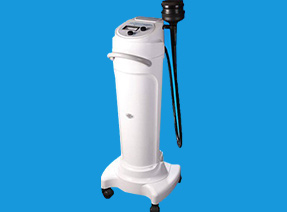
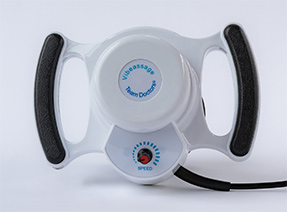
As part of this approach, Dr. Stoxen often teaches patients how to safely use tools like the Vibeassage Pro and Vibeassage Sport for self-massage and muscle relaxation at home.
These are not medical treatments. They are self-care tools designed to:
- Help muscles relax
• Help circulation improve
• Help people explore their own stiffness patterns
• Support daily mobility work
They do not diagnose, treat, cure, or prevent disease. They are simply tools for comfort, movement, and body awareness.
Why This Matters So Much
If you confuse structure with cause, you may end up treating incidental findings instead of the real problem.
And that is how people end up getting surgeries they never needed.
How Compression Builds Up in the Body — And Why Disc Problems Are Usually the End of a Long Story
Most people think neck or back pain begins with a sudden injury. But in real life, many cases develop slowly over months or years.
This is why so many people end up searching for a doctor who treats cervical radiculopathy without surgery, a neck pain specialist conservative treatment provider, or a non-invasive neck pain treatment doctor. They sense that something has been building up for a long time, even if the pain only became strong recently.
The Body Is Designed to Float, Not Collapse
In a healthy body, the spine does not sit there like a stack of blocks being crushed by gravity.
It is suspended.
Muscles, fascia, ligaments, and joints work together like a spring system that holds space open for:
- Nerves
• Blood vessels
• Discs
• Joints
This is especially important in the neck, where even small amounts of Spinal canal narrowing or Foraminal stenosis can irritate sensitive structures.
When the spring system is working well, the spine stays tall and light. When it begins to stiffen, collapse, or twist, compression slowly increases.
Stiffness Comes Before Damage
Before anyone ever hears the words Disc herniation, Bulging disc, or Protruding disc, something else has usually been happening for a long time:
The body has been getting stiffer.
Stiffness means:
- Joints don’t open fully
• Muscles don’t lengthen and shorten smoothly
• The spring system stops absorbing force
• Load gets concentrated in fewer places
Over time, this increases stress on discs, joints, and nerves. This is how problems described as Degenerative disc disease, Annular tear, or Disc protrusion often begin.
These words sound scary, but they usually describe slow wear under compression, not sudden disasters.
Why Nerves Start Complaining
Nerves are soft, sensitive tissues. They do not like:
- Pressure
• Stretch
• Inflammation
• Lack of blood flow
When the spring system collapses even a little, space for nerves can decrease. This is when people start feeling:
- Tingling
• Burning
• Numbness
• Shooting pain
Doctors may call this Nerve impingement, Nerve root compression, or Spinal nerve irritation. If it travels down an arm or leg, it may be called Radiculopathy or Sciatica.
This is why many patients go looking for a neck nerve pain specialist non-surgical, a doctor for nerve pain in neck and arm, or a specialist for neck and arm pain without surgery.
They are not trying to avoid care. They are trying to avoid unnecessary care.
The Disc Is Often the Victim, Not the Villain
Discs are not meant to carry all the load by themselves.
They are meant to work as part of a spring system.
When that system stiffens, collapses, or twists, discs start taking too much pressure. Over time, this can lead to findings such as:
- Disc bulge vs herniation
• Slipped disc
• Ruptured disc
• Disc extrusion
• Disc sequestration
But remember what you learned in Part 1: many people have these MRI disc findings and feel perfectly fine.
That is why a careful doctor who treats disc problems without surgery does not just look at the disc. They look at why the disc is being overloaded.
The Problem of Treating Pictures Instead of People
Many patients are told:
“You have Cervical disc herniation. That is the cause of your pain.”
But as you now understand, this may be an example of Imaging–symptom mismatch or Incidental MRI findings.
This is why so many people search for a neck pain second opinion specialist or a cervical surgery second opinion doctor before agreeing to anything permanent.
They want someone who asks better questions.
The Human Spring Explanation
In the Human Spring Approach, pain is often explained like this:
- The body loses spring motion and elasticity
- Stiffness increases
- Compression increases
- Inflammation increases
- Nerves become sensitive
- Discs begin to show stress
- Symptoms finally appear
By the time someone is told they have Mechanical back pain, Discogenic pain, or Inflammatory back pain, the process has usually been going on for a long time.
Why the Neck Is So Vulnerable
The neck holds up the head all day, every day.
It also has:
- Many joints
• Many muscles
• Many nerves
• Many blood vessels
• Very little room for error
Small losses in spring motion can create:
- Dural sac compression
• Spinal canal narrowing
• Foraminal stenosis
This is why people often look for a doctor who treats cervical spine compression naturally or a holistic neck pain doctor before considering invasive procedures.
This Is Not About “Toughing It Out”
The Human Spring Approach is not about ignoring problems.
It is about understanding them better.
That is why many patients prefer working with:
- A functional spine specialist
• A movement-based neck pain specialist
• An integrative spine care doctor
• A sports medicine doctor for neck pain
• Or a physical medicine and rehabilitation doctor neck pain focused clinician
These doctors focus on:
- Movement quality
• Load distribution
• Muscle tone balance
• Joint motion
• Nervous system calm
Not just on what a scan shows.
Where Conservative Care Fits In
A spine specialist focused on non-surgical care does not promise miracles.
Instead, they focus on:
- Improving motion
• Reducing unnecessary muscle tension
• Supporting circulation
• Reducing protective guarding
• Teaching better movement habits
This is why people search for a doctor for chronic neck pain without surgery, a non-surgical spine doctor near me, or a neck pain specialist before surgery.
They want to explore non-surgical disc treatment and other conservative options first.
The Role of Self-Care and Daily Input
The body changes based on what you do every day.
Small daily habits:
- How you sit
• How you walk
• How you breathe
• How you move
• How tense you stay
…either support the spring system or slowly stiffen it.
This is where tools like the Vibeassage Pro and Vibeassage Sport are sometimes used as self-care tools to help people:
- Relax tight muscles
• Improve body awareness
• Explore stiff areas safely
• Support daily mobility routines
They are not treatments. They are personal care tools that can be part of a larger movement and relaxation routine.
Why Many People Want to Avoid Fusion
Fusion permanently changes how the spine moves.
That is why people often search for:
- A doctor who avoids cervical fusion
• The best doctor to avoid neck surgery
• Or a doctor who helps avoid cervical surgery
Not because surgery is evil — but because once done, it cannot be undone.
The Smarter Question
Instead of asking:
“What can we remove?”
The Human Spring question is:
“What can we restore?”
Why Your Neck Is Affected by How You Walk, Sit, Breathe, and Move
One of the biggest surprises for many patients is this:
Neck problems often do not start in the neck.
This is one of the reasons people seek out a functional spine specialist, a movement-based neck pain specialist, or a manual therapy doctor for neck pain. They sense that the problem is bigger than one joint or one disc.
The Body Works as One Connected Spring
In the Human Spring Approach, the body is seen as one connected, elastic system.
From your feet to your head, every joint and muscle helps:
- Absorb force
• Pass force
• Store energy
• Release energy
If one area becomes stiff, other areas must move more or carry more load.
This is how a problem in the feet, hips, or mid-back can quietly increase stress in the neck over time.
Why Foot and Hip Stiffness Matters to the Neck
Every step you take sends force up through your body.
In a healthy spring system, that force is:
- Spread out
• Absorbed
• Recycled
But if your feet or hips are stiff, that force travels upward in a sharper, more concentrated way.
Over thousands of steps per day, this can contribute to:
- Increased muscle tension in the neck
• Reduced joint motion in the spine
• Gradual compression around sensitive areas
Eventually, this can show up as symptoms labeled:
- Mechanical back pain
• Discogenic pain
• Spinal nerve irritation
• Or even Cervical disc herniation on imaging
This is why a sports medicine doctor for neck pain or a physical medicine and rehabilitation doctor neck pain specialist often looks at how you walk, not just how your neck moves.
Posture Is Not Just How You Sit
Most people think posture means “sit up straight.”
But posture is really about how your body balances itself against gravity all day long.
If your spring system is stiff or collapsed in one area, your posture will slowly change to protect you. This often creates:
- Forward head position
• Rounded shoulders
• Locked mid-back
• Tight hips
Over time, this increases load in the neck and can contribute to findings such as:
- Foraminal stenosis
• Spinal canal narrowing
• Dural sac compression
This is why many people start searching for a doctor who treats cervical spine compression naturally or a holistic neck pain doctor instead of jumping straight to procedures.
Breathing and the Spring System
Breathing is not just for oxygen.
It also helps move the spine and ribs.
When breathing becomes shallow or stiff:
- The rib cage moves less
• The upper spine moves less
• The neck often tightens to help lift the chest
Over time, this can quietly increase tension and compression in the neck region, especially in people who already have:
- Nerve root compression
• Radiculopathy
• Or Nerve impingement symptoms
This is another reason a neck pain specialist conservative treatment approach often includes breathing and movement retraining.
Why the Body Uses Muscle Guarding
When something feels irritated or unstable, the nervous system often responds by tightening muscles to protect the area.
This is called guarding.
Guarding is useful in the short term. But when it becomes long-term, it:
- Reduces movement
• Increases compression
• Reduces circulation
• Makes nerves more sensitive
This can make problems labeled as Inflammatory back pain, Spinal nerve irritation, or Nerve root compression feel worse, even if imaging has not changed.
The Disc Is Still Not the Whole Story
At this point, many patients already have MRI reports mentioning things like:
- Bulging disc
• Protruding disc
• Disc protrusion
• Annular tear
• Degenerative disc disease
Some are told they have Disc extrusion or Disc sequestration.
But remember:
These are structural descriptions, not explanations of why the system is overloaded.
This is why people seek out a doctor who treats disc problems without surgery or a non-surgical disc treatment focused provider.
They want to understand why the disc is under stress.
The Whole-Body Chain Reaction
Here is a simple example:
- Feet get stiff
• Hips move less
• Lower back stiffens
• Mid-back stops rotating
• Neck starts working harder
• Muscles tighten
• Compression increases
• Nerves get sensitive
• Pain appears
By the time someone is diagnosed with Cervical disc herniation, Radiculopathy, or Sciatica, the process has often been building for years.
Why Some Pain Seems “Unexplained”
Many people are told:
“Your MRI doesn’t look that bad.”
But they still hurt.
This is why people look for a doctor for unexplained neck and arm pain or a neck pain second opinion specialist.
Pain is influenced by:
- Movement quality
• Muscle tension
• Inflammation
• Nervous system sensitivity
• Circulation
Not just structure.
This is another example of Imaging–symptom mismatch and Incidental MRI findings.
The Role of Hands-On Care
In the Human Spring Approach, hands-on work is often used to:
- Improve tissue movement
• Reduce unnecessary muscle tension
• Explore stiff areas
• Improve joint motion
This is why Dr. Stoxen is often described as a manual therapy doctor for neck pain and a doctor who treats pinched nerve without surgery.
The goal is not to “fix a disc.” The goal is to improve how the whole system moves.
Self-Care and Daily Maintenance
The body responds to daily input.
Small, regular habits can slowly:
- Restore motion
• Reduce stiffness
• Improve comfort
This is where tools like the Vibeassage Pro and Vibeassage Sport may be used as self-care tools to help with:
- Muscle relaxation
• Body awareness
• Daily mobility routines
• Stress reduction
They are not medical devices for treatment. They are personal care tools that support comfort and movement.
Why People Keep Looking for Non-Surgical Doctors
Because the body is a system, many patients keep searching for:
- A doctor who helps avoid cervical surgery
• A doctor for chronic neck pain without surgery
• A specialist for neck and arm pain without surgery
• A non-surgical spine doctor near me
• Or the best doctor to avoid neck surgery
They want someone who treats the whole chain, not just one link.
The Smarter View of the Body
The Human Spring Approach does not ask:
“What part should we remove?”
It asks:
“How do we get the system moving, breathing, and loading better again?”
How to Make Calm, Smart Decisions About Your Neck, Your Spine, and Your Future
When someone is in pain, especially neck and arm pain, fear can take over very quickly.
Words like Cervical disc herniation, Nerve root compression, Radiculopathy, or Spinal canal narrowing can make it feel like something inside you is “broken” or “dangerous.”
That fear is exactly why so many people begin searching for a neck pain specialist before surgery, a cervical surgery second opinion doctor, or a neck pain second opinion specialist.
They are not being difficult.
They are being responsible.
Surgery Is a Big, Permanent Decision
Surgery permanently changes the structure of the body.
That is why so many patients actively look for:
- A doctor who helps avoid cervical surgery
• A doctor who avoids cervical fusion
• The best doctor to avoid neck surgery
• Or a spine specialist focused on non-surgical care
Not because surgery is never appropriate — but because once it is done, it cannot be undone.
The Human Spring Approach teaches a very simple and very important idea:
Always understand the full mechanical and functional story before making a permanent structural change.
The Role of Second Opinions
A second opinion is not an insult to the first doctor.
It is a way to:
- Reduce fear
• Improve understanding
• Explore options
• Avoid rushed decisions
This is why people often search for a cervical surgery second opinion doctor or a neck pain second opinion specialist when they are told they have things like:
- Disc herniation
• Bulging disc
• Ruptured disc
• Disc extrusion
• Or Disc sequestration
They want to know:
Is this really the cause of my pain?
Or is this an example of Imaging–symptom mismatch or Incidental MRI findings?
Understanding Risk Without Panic
Many people walk around with:
- Degenerative disc disease
• Annular tear
• Disc protrusion
• Or even Asymptomatic disc herniation
…and never know it.
This does not mean these findings are meaningless.
It means they must be interpreted in context.
This is where a doctor who treats neck pain without surgery, a non-surgical neck pain specialist, or a functional spine specialist often thinks differently.
They ask:
- How does this person move?
• How stiff is their system?
• Where is compression really coming from?
• What is driving inflammation?
• What is irritating the nervous system?
Conservative Care Is Not “Doing Nothing”
When people hear “non-surgical,” they sometimes think it means ignoring the problem.
It does not.
A neck pain specialist conservative treatment approach can include:
- Movement retraining
• Hands-on work
• Posture work
• Breathing work
• Load management
• Nervous system calming strategies
This is why many patients prefer working with:
- A doctor for chronic neck pain without surgery
• A doctor who treats disc problems without surgery
• A non-invasive neck pain treatment doctor
• Or a non-surgical spine doctor near me
They want active care, not passive waiting.
What “Non-Surgical Disc Treatment” Really Means
Non-surgical disc treatment does not mean “fixing” a disc.
It means:
- Reducing unnecessary compression
• Improving motion in the rest of the system
• Reducing inflammation
• Improving circulation
• Calming protective muscle guarding
Discs often feel better when the system around them works better.
This is why many people see improvement in symptoms labeled:
- Discogenic pain
• Mechanical back pain
• Spinal nerve irritation
• Nerve impingement
• Sciatica
• Or Radiculopathy
…even when the MRI does not change much.
The Human Spring View of Healing
The Human Spring Approach does not chase images.
It works with:
- Motion
• Load
• Elasticity
• Balance
• Nervous system tone
That is why Dr. Stoxen is often described as:
- A manual therapy doctor for neck pain
• A movement-based neck pain specialist
• A sports medicine doctor for neck pain
• A physical medicine and rehabilitation doctor neck pain focused clinician
• And an integrative spine care doctor
His role is not to promise cures.
His role is to help people understand and improve how their body works.
Why Some Pain Is Called “Unexplained”
Many patients are told:
“Your MRI doesn’t look that bad.”
Yet they still have pain.
This is why people search for a doctor for unexplained neck and arm pain or a holistic neck pain doctor.
Pain is influenced by:
- Muscle tension
• Inflammation
• Nervous system sensitivity
• Circulation
• Movement patterns
Not just by structure.
The Role of Self-Care in a Long-Term Plan
Your body changes based on what you do every day.
That is why self-care matters.
In the Human Spring Approach, tools like the Vibeassage Pro and Vibeassage Sport are sometimes used as personal wellness tools to help with:
- Muscle relaxation
• Body awareness
• Stress reduction
• Daily movement routines
They are not treatments.
They do not diagnose, treat, cure, or prevent disease.
They are simply tools for comfort, movement, and self-care.
Making Decisions From Clarity, Not Fear
Fear makes people rush.
Understanding helps people choose wisely.
This is why so many patients take time to look for:
- A doctor who treats pinched nerve without surgery
• A doctor who treats cervical radiculopathy without surgery
• A specialist for neck and arm pain without surgery
• Or a doctor who treats cervical spine compression naturally
They want to know:
“What can I improve before I change my body forever?”
When Surgery Is Truly Needed
Sometimes, surgery is the right choice.
The Human Spring Approach does not deny that.
It simply says:
Make sure you are treating a real cause, not just a picture.
Make sure you have explored reasonable conservative options first.
Make sure the decision is based on clear thinking, not panic.
The Most Important Idea in This Entire Article
Your body is not a stack of broken parts.
It is a living, adaptable, spring-based system.
When that system loses motion, stiffness and compression rise.
When compression rises, inflammation and nerve sensitivity rise.
When movement, balance, and elasticity improve, many symptoms often calm down.
A Calm, Strong Way Forward
If you are dealing with neck or arm pain and facing scary words like:
- Herniated disc
• Disc bulge vs herniation
• Foraminal stenosis
• Dural sac compression
• MRI disc findings
Remember this:
A picture is not a verdict.
Your body is more than an image.
Final Thought
The Human Spring Approach is not about avoiding medicine.
It is about understanding the body better before making permanent decisions.
And that is one of the most respectful ways to care for yourself.
Team Doctors Resources
✓ Check out the Team Doctors Recovery Tools
The Vibeassage Sport and the Vibeassage Pro featuring the TDX3 soft-as-the-hand Biomimetic Applicator Pad
https://www.teamdoctors.com/
✓ Get Dr. Stoxen’s #1 International Bestselling Books
Learn how to understand, examine, and reverse your TOS—without surgery.
https://drstoxen.com/1-international-best-selling-author/
✓ Check out Team Doctors Online Courses
Step-by-step video lessons, demonstrations, and self-treatment strategies.
https://teamdoctorsacademy.com/
✓ Schedule a Free Phone Consultation With Dr. Stoxen
Speak directly with him so he can review your case and guide you on your next steps.
https://drstoxen.com/appointment/
#ThoracicOutletSyndrome #TOS #ArmNumbness #ShoulderPain #NerveCompression #PostureMatters #UpperExtremity #ChronicPainEducation #Biomechanics #MovementHealth #NeckPain #HandTingling #ClinicalObservation #ConservativeCare #RehabEducation #SoftTissue #VascularSymptoms #NeurologicalSymptoms #PatientEducation #TeamDoctors

Dr James Stoxen DC., FSSEMM (hon) He is the president of Team Doctors®, Treatment and Training Center Chicago, one of the most recognized treatment centers in the world.
Dr Stoxen is a #1 International Bestselling Author of the book, The Human Spring Approach to Thoracic Outlet Syndrome. He has lectured at more than 20 medical conferences on his Human Spring Approach to Thoracic Outlet Syndrome and asked to publish his research on this approach to treating thoracic outlet syndrome in over 30 peer review medical journals.
He has been asked to submit his other research on the human spring approach to treatment, training and prevention in over 150 peer review medical journals. He serves as the Editor-in-Chief, Journal of Orthopedic Science and Research, Executive Editor or the Journal of Trauma and Acute Care, Chief Editor, Advances in Orthopedics and Sports Medicine Journal and editorial board for over 35 peer review medical journals.
He is a much sought-after speaker. He has given over 1000 live presentations and lectured at over 70 medical conferences to over 50,000 doctors in more than 20 countries. He has been invited to speak at over 300 medical conferences which includes invitations as the keynote speaker at over 50 medical conferences.
After his groundbreaking lecture on the Integrated Spring-Mass Model at the World Congress of Sports and Exercise Medicine he was presented with an Honorary Fellowship Award by a member of the royal family, the Sultan of Pahang, for his distinguished research and contributions to the advancement of Sports and Exercise Medicine on an International level. He was inducted into the National Fitness Hall of Fame in 2008 and the Personal Trainers Hall of Fame in 2012.
Dr Stoxen has a big reputation in the entertainment industry working as a doctor for over 150 tours of elite entertainers, caring for over 1000 top celebrity entertainers and their handlers. Anthony Field or the popular children’s entertainment group, The Wiggles, wrote a book, How I Got My Wiggle Back detailing his struggles with chronic pain and clinical depression he struggled with for years. Dr Stoxen is proud to be able to assist him.
Full Bio) Dr Stoxen can be reached directly at teamdoctors@aol.com