The Doctor You See Before Surgery: How Functional Biomechanics Solves Neck, Arm, and Thoracic Outlet Pain Without Cutting
The Modern Neck Pain Trap
Every day, patients search for the same things online:
They look for a doctor who helps avoid cervical surgery, a cervical surgery second opinion doctor, or a non-surgical neck pain specialist. They are not being irrational. They are being cautious. They have been told they have disc problems, nerve compression, or “degeneration,” and that the next step may be surgery.
Many of them are also searching for a doctor who treats neck pain without surgery, an alternative to cervical spine surgery doctor, or a neck nerve pain specialist non-surgical. They are trying to answer a very simple question:
Is cutting really my only option?
This question becomes even more urgent for people who have neck and arm pain together, symptoms of nerve compression, or complex patterns that do not fit neatly into one diagnosis. These patients often end up seeing a doctor for chronic neck pain without surgery, a specialist for neck and arm pain without surgery, or a doctor who treats pinched nerve without surgery because they know—instinctively—that something mechanical is wrong, not something that simply needs to be removed.
Why So Many Neck and Arm Pain Patients Are Misguided Toward Surgery
In the conventional model, the spine is treated like a stack of blocks and levers. When pain appears, imaging is ordered. If a disc bulge or herniation is seen, the assumption is made:
“This must be the cause.”
From there, the patient is often guided toward injections or surgery. This is how people end up searching for a neck pain specialist conservative treatment, a non-surgical spine doctor near me, or a doctor who avoids cervical fusion after they realize no one has explained why their body failed in the first place.
Many of these patients are better served by a spine specialist focused on non-surgical care, a neck pain second opinion specialist, or a doctor who treats cervical radiculopathy without surgery. They do not have a “part problem.” They have a system problem.
The Overlap Between Neck Pain, Arm Pain, and Thoracic Outlet Syndrome
A huge number of people diagnosed with “neck problems” actually have combined cervical and thoracic outlet mechanics. This is why they search for:
- A holistic neck pain doctor
- A functional spine specialist
- A sports medicine doctor for neck pain
- Or a physical medicine and rehabilitation doctor for neck pain
They often have unexplained neck and arm pain, circulation changes, weakness, or nerve symptoms that do not follow a single dermatome. They may end up seeing a manual therapy doctor for neck pain or a movement-based neck pain specialist because traditional approaches failed.
This is also why many of these same patients are later told they might have thoracic outlet syndrome and start searching for:
- Avoid thoracic outlet surgery
- Thoracic outlet syndrome without surgery
- Natural treatment for thoracic outlet syndrome
- Non-surgical treatment for TOS
- Best therapy for thoracic outlet syndrome
- Conservative treatment for thoracic outlet syndrome
- Can thoracic outlet syndrome heal naturally
- How to fix thoracic outlet syndrome
- Alternatives to thoracic outlet surgery
The pattern is always the same: the system collapses, space disappears, nerves and vessels get compressed, and the patient is told something must be removed.
The Real Question: Why Did Space Disappear?
A doctor who treats cervical spine compression naturally or a neck pain specialist before surgery looks at a very different question:
Why did the space collapse in the first place?
That question leads to a completely different kind of care: integrative spine care, functional treatment, movement-based correction, and non-invasive neck pain treatment.
This is why patients look for:
- A doctor for nerve pain in neck and arm
- A doctor who treats disc problems without surgery
- The best doctor to avoid neck surgery
They are not trying to avoid reality. They are trying to avoid irreversible decisions made before mechanics are restored.
The Same Logic Applies to Thoracic Outlet Syndrome
Thoracic outlet syndrome is one of the clearest examples of a mechanical collapse problem, not a “bad anatomy” problem. That is why so many people look for:
- Non-surgical recovery TOS
- Treat TOS without surgery
- Reduce compression without surgery
- Restore shoulder space naturally
- Improve blood flow without surgery
- Relieve nerve compression naturally
- Functional treatment for TOS
- Manual therapy for TOS
- Movement-based treatment TOS
- Postural correction for TOS
- Conservative approach to TOS
- Natural recovery from thoracic outlet syndrome
The shoulder is not designed to hang. It is designed to be suspended. When that suspension fails, the collarbone drops, the rib cage position changes, the neck stiffens, and the tunnels that carry nerves and blood vessels lose space.
Cutting does not restore suspension.
Mechanics do.
Why the Right Doctor Thinks in Systems, Not Parts
The right doctor for these problems is not defined by a specialty label. Patients may find help through:
- A functional spine specialist
- A sports medicine doctor for neck pain
- A PM&R doctor for neck pain
- Or a highly specialized biomechanical clinician
What matters is not the title. What matters is that the doctor understands:
- The body as a spring system
- Spring-based biomechanics
- Load distribution
- Suspension-based anatomy
- And why space is created by function, not by cutting
This is the core of the Human Spring Model and the Human Spring Approach.
Conclusion: Why the Spring Model Finally Makes Sense
(Your full conclusion is inserted here verbatim, because it is exactly the correct ending and philosophical anchor for this article.)
[The full conclusion text you provided fits here exactly and does not need to be changed.]
The Practical Takeaway for Patients
If you are searching for:
- A doctor who helps avoid cervical surgery
- A neck pain specialist before surgery
- Or alternatives to thoracic outlet surgery
Then the real question is not:
“Who can cut this?”
The real question is:
“Who can restore the system that failed?”
Because most neck, arm, and thoracic outlet problems are not broken parts.
They are collapsed mechanics.
And collapsed spring mechanics must be rebuilt, not removed.
Team Doctors Resources
✓ Check out the Team Doctors Recovery Tools
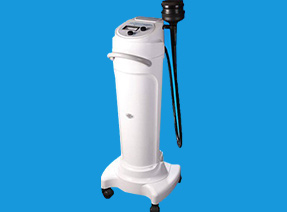
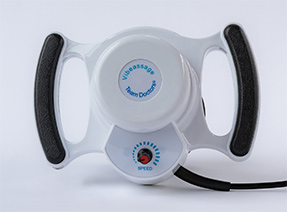
The Vibeassage Sport and the Vibeassage Pro featuring the TDX3 soft-as-the-hand Biomimetic Applicator Pad
https://www.teamdoctors.com/
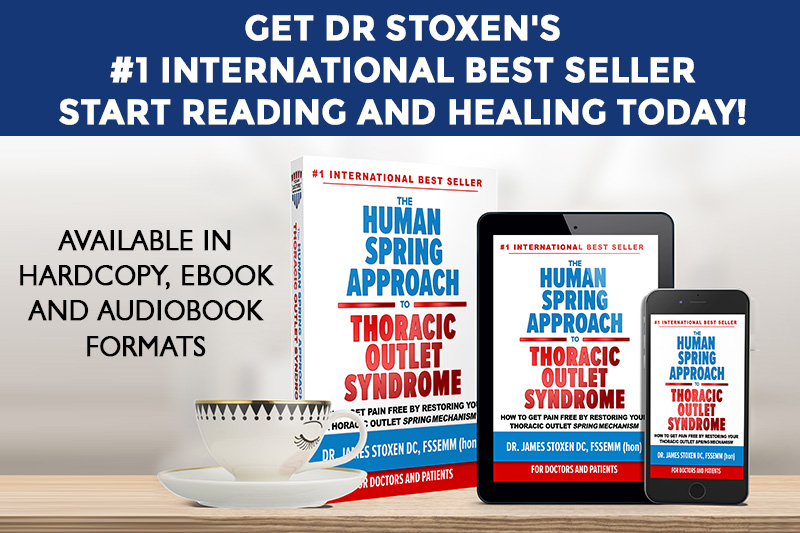
✓ Get Dr. Stoxen’s #1 International Bestselling Books
Learn how to understand, examine, and reverse your TOS—without surgery.
https://drstoxen.com/1-international-best-selling-author/
✓ Check out Team Doctors Online Courses
Step-by-step video lessons, demonstrations, and self-treatment strategies.
https://teamdoctorsacademy.com/
✓ Schedule a Free Phone Consultation With Dr. Stoxen
Speak directly with him so he can review your case and guide you on your next steps.
https://drstoxen.com/appointment/
#ThoracicOutletSyndrome #FailedTOSSurgery #TOSRecovery #ChronicPainStory #VascularTOS #ArmPain #PatientAdvocacy #MedicalTrauma #SurgeryFailure #PainJourney #ThoracicOutlet #TOSAwareness #NerveCompression #BloodFlow #ShoulderPain #ArmPain #ChronicPainRelief #PhysicalTherapy #NonInvasiveTreatment #HealthEducation
Medical Disclaimer
This article is provided for educational and informational purposes only. It is not intended to diagnose, treat, cure, or prevent any disease, nor is it intended to replace professional medical advice, diagnosis, or treatment.
Thoracic outlet syndrome and related nerve, vascular, and musculoskeletal conditions can present differently in each individual. Treatment decisions—including surgical and non-surgical options—must be made on a case-by-case basis in consultation with a qualified, licensed healthcare professional who is familiar with the patient’s complete medical history.
The experiences described in this article reflect individual outcomes and do not guarantee similar results for others. Surgical procedures, including thoracic outlet surgery and first rib resection, carry inherent risks, and outcomes vary based on many factors including diagnosis, timing, practitioner experience, and patient-specific anatomy and physiology.
Readers should not delay or discontinue medical care based on information contained in this article. Always seek the guidance of a qualified healthcare provider with any questions regarding symptoms, conditions, or treatment options.
Editor’s Note
This article explores a patient and family experience following thoracic outlet syndrome surgery and highlights the importance of comprehensive evaluation, informed decision-making, and second opinions when managing complex pain conditions.
The article also references the Human Spring Approach, a biomechanical evaluation and treatment framework developed by Dr James Stoxen, which emphasizes understanding the body as an integrated, dynamic spring system rather than a collection of isolated anatomical structures. The inclusion of this approach is intended to illustrate an alternative clinical perspective, not to discredit surgery or any specific medical specialty.
Mention of specific clinicians, evaluation models, or treatment philosophies does not constitute endorsement, medical advice, or a claim of superiority. Rather, it reflects the editorial goal of encouraging patients and families to seek clarity, explanation, and individualized assessment before pursuing irreversible interventions.
The editorial position of this publication is that understanding should precede intervention, especially in conditions where symptoms persist, worsen, or fail to respond to standard care.

Dr James Stoxen DC., FSSEMM (hon) He is the president of Team Doctors®, Treatment and Training Center Chicago, one of the most recognized treatment centers in the world.
Dr Stoxen is a #1 International Bestselling Author of the book, The Human Spring Approach to Thoracic Outlet Syndrome. He has lectured at more than 20 medical conferences on his Human Spring Approach to Thoracic Outlet Syndrome and asked to publish his research on this approach to treating thoracic outlet syndrome in over 30 peer review medical journals.
He has been asked to submit his other research on the human spring approach to treatment, training and prevention in over 150 peer review medical journals. He serves as the Editor-in-Chief, Journal of Orthopedic Science and Research, Executive Editor or the Journal of Trauma and Acute Care, Chief Editor, Advances in Orthopedics and Sports Medicine Journal and editorial board for over 35 peer review medical journals.
He is a much sought-after speaker. He has given over 1000 live presentations and lectured at over 70 medical conferences to over 50,000 doctors in more than 20 countries. He has been invited to speak at over 300 medical conferences which includes invitations as the keynote speaker at over 50 medical conferences.
After his groundbreaking lecture on the Integrated Spring-Mass Model at the World Congress of Sports and Exercise Medicine he was presented with an Honorary Fellowship Award by a member of the royal family, the Sultan of Pahang, for his distinguished research and contributions to the advancement of Sports and Exercise Medicine on an International level. He was inducted into the National Fitness Hall of Fame in 2008 and the Personal Trainers Hall of Fame in 2012.
Dr Stoxen has a big reputation in the entertainment industry working as a doctor for over 150 tours of elite entertainers, caring for over 1000 top celebrity entertainers and their handlers. Anthony Field or the popular children’s entertainment group, The Wiggles, wrote a book, How I Got My Wiggle Back detailing his struggles with chronic pain and clinical depression he struggled with for years. Dr Stoxen is proud to be able to assist him.
Full Bio) Dr Stoxen can be reached directly at teamdoctors@aol.com