As pain becomes part of everyday life, patients begin to measure time differently. Mornings are no longer about productivity or purpose, but about assessing how bad the pain is today. For someone dealing with shoulder pain not getting better, each morning starts with stiffness, burning, or numbness that never truly fades.
Tasks that once felt automatic now require planning. Brushing teeth, driving, typing, or holding a phone can trigger arm pain despite physical therapy. Many patients reach this stage after months of effort, realizing they now live with chronic arm pain after pt despite having followed every instruction carefully.
The most confusing part is that pain is no longer localized. People describe neck and arm pain not resolving, even when they treat each area separately. Massage focuses on one region, yet the pain still there after massage reminds them that the problem is deeper. Therapy sessions end, but patients remain still numb after therapy, wondering what they missed.
At this point, the conclusion becomes unavoidable: treatments not working for arm pain.
Pain That Changes How You See Yourself
When pain persists, it alters identity. People who once saw themselves as capable, athletic, or reliable begin to feel broken. Persistent nerve pain in arm erodes confidence. Chronic shoulder nerve pain affects posture, sleep, and emotional regulation.
This is where many patients begin to internalize the idea that they are dealing with pain doctors can’t fix. That belief is reinforced each time symptoms escalate. Patients often report symptoms worse after treatment, followed by cycles where pain returns after treatment just when hope begins to rise.
Many people reach a painful realization: pt made symptoms worse. This isn’t due to negligence, but because their condition does not respond to standard protocols. The same is true when massage made symptoms worse, causing flare-ups that last longer than the treatment itself.
Even gentle rehabilitation can feel dangerous. Patients learn through trial and error that stretching makes pain worse, and over time, they notice that exercise worsens arm pain regardless of intensity.
When Injections and Interventions Fail
As symptoms worsen, escalation of care often follows. Injections are presented as the next step, but many experience no relief after injections. Others develop new symptoms, including pain after cortisone shot shoulder, leaving them worse off than before.
When these options fail, patients are often told they have failed conservative treatment arm pain, a phrase that feels accusatory despite their compliance. They replay their journey and realize they truly have tried everything arm pain.
This leads to a devastating conclusion: chronic pain despite treatment.
Months turn into years. Pain becomes long-term unresolved arm pain, evolving into refractory arm nerve pain that no longer responds to standard care. Even after multiple providers confirm that therapy didn’t help arm pain, the plan rarely changes.
Patients live in cycles where pain keeps coming back, sometimes after temporary relief only arm pain. Eventually, many say the words out loud for the first time: nothing helps my arm pain.
Over time, symptoms intensify. Patients report arm pain getting worse over time, paired with deep chronic pain frustration. The defining feature becomes pain that won’t go away — a phrase that captures both physical sensation and emotional exhaustion.
Recognizing Compartment-Related Patterns
For some patients, the pain is not only neurological but pressure-based. This is where compartment syndrome becomes relevant. Patients begin researching compartment syndrome signs and symptoms, realizing their experiences match compartment syndrome symptoms that were never explained to them.
The forearm becomes central to the problem. Pain often concentrates in forearm extensors and forearm flexors, especially during repetitive activity. Many develop exertional compartment syndrome of the forearm, while others show features of acute compartment syndrome or chronic compartment syndrome.
Pain spreads across the arm forearm, limiting endurance and grip. Patients begin asking about the cause of compartment syndrome, discovering that chronic pressure can exist without dramatic injury.
In advanced cases, patients fear severe compartment syndrome, especially when experiencing acute compartment syndrome symptoms like tightness, burning, weakness, or loss of function.
Surgery is often discussed, but expectations vary. Many struggle after compartment syndrome surgery, especially when symptoms persist. Online searches for before and after compartment syndrome surgery become common, as patients seek reassurance.
Those with bilateral compartment syndrome face even greater difficulty. Managing arm compartment syndrome on both sides can overwhelm even the most resilient individuals. Despite chronic compartment syndrome treatment or chronic exertional compartment syndrome treatment, relief is often incomplete.
Patients ask difficult questions about whether a true compartment syndrome cure exists, or whether they are stuck navigating endless compartment syndrome operation, compartment syndrome therapy, or compartment syndrome surgery cycles. While some experience partial compartment syndrome relief, many remain symptomatic despite aggressive compartment syndrome treatment.
This is where the keyword reality becomes literal for many patients: pain that won’t go awaycompartment syndrome of the forearm.
Compression Syndromes and Missed Diagnoses
As patients dig deeper, many encounter the concept of compression syndrome. They learn about the etiology of compartment syndrome and how pressure affects nerves and blood flow in the muscular forearm.
This often leads to a crucial question: why doctors miss thoracic outlet syndrome?
Patients begin to realize they may have lived for years with misdiagnosed thoracic outlet syndrome or undiagnosed arm nerve pain. Early on, symptoms are frequently labeled as wrong diagnosis shoulder pain, especially when imaging appears normal.
Many patients hear the phrase normal mri but arm pain, which leads them to search for why mri is normal but pain persists. They learn that normal tests but arm pain is common in nerve compression conditions.
This fuels the belief that they are experiencing arm pain doctors can’t explain. Labels shift repeatedly — misdiagnosed nerve pain, shoulder pain misdiagnosed, arm pain misdiagnosed as carpal tunnel, arm pain misdiagnosed as rotator cuff, or arm pain misdiagnosed as pinched nerve.
Eventually, patients find themselves living with nerve pain no diagnosis or chronic pain without diagnosis. Some are even told outright that doctors say nothing is wrong arm pain, despite obvious functional decline.
The contradiction — imaging normal but symptoms persist — becomes unbearable. Patients ask why scans don’t show nerve compression, and later realize how common a missed nerve compression diagnosis truly is.
For many, the truth emerges far too late: overlooked thoracic outlet syndrome. Years of arm pain not taken seriously result in dismissed arm pain and growing disability.
Living Without Validation
Beyond the physical suffering, patients endure emotional harm. They live with unexplained shoulder pain and unexplained arm numbness that no specialist seems able to explain.
When a neurologist can’t find cause arm pain, or an orthopedic doctor missed tos, patients lose confidence in the system. Each appointment ends with pain no clear diagnosis, reinforcing despair.
Life becomes defined by chronic pain without answers. Patients struggle daily with undiagnosed shoulder nerve pain, questioning their own perception of reality.
Over time, one question dominates their thoughts: why diagnosis takes years?
Final Reflection: The Patient’s Truth
This is not a story of exaggeration or noncompliance. It is the lived reality of people navigating long-term unresolved arm pain, repeated treatment failures, and systemic blind spots.
For these patients, the hardest part is not only the pain — it is being unheard while enduring pain that won’t go away.
Team Doctors Resources
✓ Check out the Team Doctors Recovery Tools
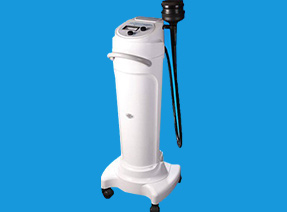
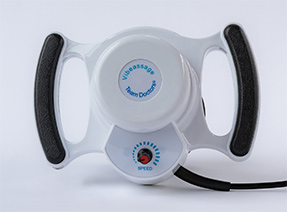
The Vibeassage Sport and the Vibeassage Pro featuring the TDX3 soft-as-the-hand Biomimetic Applicator Pad
https://www.teamdoctors.com/
✓ Get Dr. Stoxen’s #1 International Bestselling Books
Learn how to understand, examine, and reverse your TOS—without surgery.
https://drstoxen.com/1-international-best-selling-author/
✓ Check out Team Doctors Online Courses
Step-by-step video lessons, demonstrations, and self-treatment strategies.
https://teamdoctorsacademy.com/
✓ Schedule a Free Phone Consultation With Dr. Stoxen
Speak directly with him so he can review your case and guide you on your next steps.
https://drstoxen.com/appointment/
#ThoracicOutletSyndrome #TOS #TOSDiagnosis #NeurogenicTOS #MuscleGuarding #RibDysfunction #Misdiagnosis #HandsOnCare #ClinicalExamination #Biomechanics #NerveCompression #PectoralisMinor #ThoracicOutletCompression #PatientStories #MedicalEducation #MovementBasedCare #TOSAwareness #DeepTissue #EarlyTreatment #TeamDoctors #ThoracicOutletSyndrome #TOSAwareness #TOSPain #ChronicPainJourney #NerveCompression #ArmPain #ShoulderPain #RareDiseaseAwareness #InvisibleIllness #ChronicPainLif
Medical Disclaimer
This article is provided for educational and informational purposes only. It is not intended to diagnose, treat, cure, or prevent any disease, nor is it intended to replace professional medical advice, diagnosis, or treatment.
Thoracic outlet syndrome and related nerve, vascular, and musculoskeletal conditions can present differently in each individual. Treatment decisions—including surgical and non-surgical options—must be made on a case-by-case basis in consultation with a qualified, licensed healthcare professional who is familiar with the patient’s complete medical history.
The experiences described in this article reflect individual outcomes and do not guarantee similar results for others. Surgical procedures, including thoracic outlet surgery and first rib resection, carry inherent risks, and outcomes vary based on many factors including diagnosis, timing, practitioner experience, and patient-specific anatomy and physiology.
Readers should not delay or discontinue medical care based on information contained in this article. Always seek the guidance of a qualified healthcare provider with any questions regarding symptoms, conditions, or treatment options.
Editor’s Note
This article explores a patient and family experience following thoracic outlet syndrome surgery and highlights the importance of comprehensive evaluation, informed decision-making, and second opinions when managing complex pain conditions.
The article also references the Human Spring Approach, a biomechanical evaluation and treatment framework developed by Dr James Stoxen, which emphasizes understanding the body as an integrated, dynamic spring system rather than a collection of isolated anatomical structures. The inclusion of this approach is intended to illustrate an alternative clinical perspective, not to discredit surgery or any specific medical specialty.
Mention of specific clinicians, evaluation models, or treatment philosophies does not constitute endorsement, medical advice, or a claim of superiority. Rather, it reflects the editorial goal of encouraging patients and families to seek clarity, explanation, and individualized assessment before pursuing irreversible interventions.
The editorial position of this publication is that understanding should precede intervention, especially in conditions where symptoms persist, worsen, or fail to respond to standard care.

Dr James Stoxen DC., FSSEMM (hon) He is the president of Team Doctors®, Treatment and Training Center Chicago, one of the most recognized treatment centers in the world.
Dr Stoxen is a #1 International Bestselling Author of the book, The Human Spring Approach to Thoracic Outlet Syndrome. He has lectured at more than 20 medical conferences on his Human Spring Approach to Thoracic Outlet Syndrome and asked to publish his research on this approach to treating thoracic outlet syndrome in over 30 peer review medical journals.
He has been asked to submit his other research on the human spring approach to treatment, training and prevention in over 150 peer review medical journals. He serves as the Editor-in-Chief, Journal of Orthopedic Science and Research, Executive Editor or the Journal of Trauma and Acute Care, Chief Editor, Advances in Orthopedics and Sports Medicine Journal and editorial board for over 35 peer review medical journals.
He is a much sought-after speaker. He has given over 1000 live presentations and lectured at over 70 medical conferences to over 50,000 doctors in more than 20 countries. He has been invited to speak at over 300 medical conferences which includes invitations as the keynote speaker at over 50 medical conferences.
After his groundbreaking lecture on the Integrated Spring-Mass Model at the World Congress of Sports and Exercise Medicine he was presented with an Honorary Fellowship Award by a member of the royal family, the Sultan of Pahang, for his distinguished research and contributions to the advancement of Sports and Exercise Medicine on an International level. He was inducted into the National Fitness Hall of Fame in 2008 and the Personal Trainers Hall of Fame in 2012.
Dr Stoxen has a big reputation in the entertainment industry working as a doctor for over 150 tours of elite entertainers, caring for over 1000 top celebrity entertainers and their handlers. Anthony Field or the popular children’s entertainment group, The Wiggles, wrote a book, How I Got My Wiggle Back detailing his struggles with chronic pain and clinical depression he struggled with for years. Dr Stoxen is proud to be able to assist him.
Full Bio) Dr Stoxen can be reached directly at teamdoctors@aol.com