A Life Once Defined by Pain, Now Defined by Strategy
Danielle Barker’s journey through thoracic outlet syndrome was not short, simple, or linear. It unfolded over decades, beginning in adolescence and accelerating through adulthood until pain, swelling, and fear dominated every part of her life. Living in Sudbury, Canada, she balanced full-time work and raising two young children while her body steadily deteriorated. By the time her condition reached its most severe stage, Danielle was no longer just asking how to reduce pain—she was asking how to survive, how to function, and how to protect herself from permanent damage.
The Long Road to Understanding Thoracic Outlet Syndrome
For years, Danielle lived with symptoms she could not explain. She experienced persistent pain in shoulder, pain in chest, and deep pain in arm that never fully resolved. Her neck muscles were constantly tight, her upper back burned between the shoulder blades, and stretching became a compulsive attempt to create relief. She cracked her neck repeatedly, not for comfort, but out of desperation. None of it lasted. The pain always returned, stronger and faster each time.
Arm Heaviness, Swelling, and the Sense of Losing Control
As time went on, Danielle developed symptoms that went far beyond discomfort. Her right arm felt unbearably heavy, as if it weighed far more than it should. This heavy feeling in arm made daily tasks exhausting. She noticed arm swelling and upper extremity swelling, particularly after activity. The arm felt tight, pressurized, and sore. These were not subtle changes. They were clear signals that circulation was compromised.
Cold Hands, Blue Discoloration, and Vascular Alarm Bells
One of the most frightening developments was the change in color and temperature of her arm and hand. Danielle experienced cold hand or arm sensations and episodes where her hand turned visibly blue. This blue or purple hand appearance—sometimes described as cyanotic discoloration—was terrifying. It wasn’t just pain anymore; it was visual evidence that blood flow was impaired. She began living in constant vigilance, watching her arm for signs of worsening circulation.
Poor Circulation and Blood Flow Blockage
Danielle’s symptoms aligned with classic poor circulation in arm and blood flow blocked to arm patterns. Her arm felt cold, heavy, and swollen, especially during or after use. She noticed arm swelling after activity, arm pressure with activity, and a lingering ache that felt internal rather than muscular. These experiences pointed to blood flow issues in arm and arm circulation problems that were mechanical, positional, and progressive.
Vein Compression, Engorgement, and Collateral Changes
As her condition advanced, Danielle noticed visible changes in her veins. She experienced venous engorgement, prominent chest wall veins, and signs of collateral vein formation—the body’s attempt to reroute blood around a blocked pathway. These changes suggested vein compression in shoulder and arm vein compression symptoms that were no longer subtle. Her body was adapting to obstruction, but those adaptations came with pain and risk.
Diagnostic Imaging and Confirmation of Vascular Compromise
To understand the extent of the problem, Danielle underwent extensive diagnostic testing. Studies such as doppler ultrasound, venography, MR venography, MRI venography, and CT venography were used to visualize blood flow and identify areas of compression. The results confirmed what her symptoms had been indicating for years: reduced blood flow, venous obstruction, and mechanical compression in the thoracic outlet region.
DVT, Effort Thrombosis, and the Threat of Death
The most dangerous turning point came when Danielle developed DVT (deep vein thrombosis) in her arm. This was no longer a quality-of-life issue—it was a life-threatening condition. She learned about effort thrombosis, where repetitive use and compression lead to clot formation. Doctors warned her that the clot could travel to her lungs and cause a fatal pulmonary embolism. Fear became constant. She wondered daily if her condition could kill her.
Living With Thoracic Outlet Syndrome at Its Most Severe
At this stage, Danielle was truly Living with thoracic outlet syndrome in its most severe form. She experienced vascular thoracic outlet symptoms, nerve pain, swelling, discoloration, numbness, and weakness. Her arm swelled when lifting, overhead, or exercising. She lived with arm swelling when lifting, arm swelling when overhead, and swollen arm after exercise. Every movement carried risk. Every day required planning.
Chronic Pain, Anxiety, and Emotional Collapse
The physical symptoms were only part of the story. Danielle endured the emotional toll of chronic pain, including anxiety, fear, and depression. She lived with arm pain anxiety, chronic pain burnout, and a constant fear of permanent damage. She worried about permanent nerve damage risk and end-stage nerve compression. The pain affected her sleep, her mood, her relationships, and her sense of identity. She felt like her life was shrinking around her condition.
When Surgery Is Framed as the Only Option
With her condition labeled severe and dangerous, Danielle was told surgery was necessary. She was warned about the risks of ignoring thoracic outlet syndrome and the potential consequences if compression continued. She wanted a cure for thoracic outlet syndrome, and surgery was presented as the definitive solution. The promise was simple: remove structures, create space, restore blood flow.
First Rib Resection and Muscle Removal
Danielle underwent surgery involving a treatment – first rib approach, along with removal of key neck muscles. The logic was to widen the thoracic outlet by cutting away barriers. But the outcome was devastating. The surgery did not relieve her symptoms. Instead, it left her with more pain, less stability, and greater dysfunction. She struggled to hold her head up. Her body compensated in unhealthy ways. The compression mechanism remained.
When Surgery Fails and Symptoms Worsen
Rather than improving, Danielle felt worse. Her pain in shoulder, pain in chest, and pain in arm persisted. The burning between her shoulder blades intensified. The removal of supportive muscles destabilized her neck and upper back. Surgery addressed bone and anatomy, but it did not address the muscle tension and guarding that were collapsing the thoracic outlet.
The Limits of Traditional Conservative Care
After surgery failed, Danielle returned to non-surgical options. She tried treatment – physical therapy, treatment – adjustments, and other general approaches. She explored conservative treatment of thoracic outlet syndrome, conservative management, and alternative treatment for thoracic outlet syndrome. Each provided temporary relief at best. Nothing held. The baseline never changed.
Pain Management Without Resolution
Danielle was offered injections, nerve blocks, and medications. These interventions sometimes reduced pain briefly, but they did not restore function or safety. She feared dependence on narcotics and muscle relaxants. She needed clarity, not sedation. Managing pain without addressing the cause felt like surrender.
The Need for a Home-Based Solution
Living in Canada with young children, Danielle needed home treatment strategies. Frequent travel and constant appointments were not sustainable. She needed at-home treatment for thoracic outlet syndrome that fit real life. Her symptoms were daily; her care needed to be daily as well.
Discovering the Human Spring Approach
The turning point came when Danielle found Dr. Stoxen’s work and learned about the Human Spring Approach. This framework viewed the body not as a rigid lever system, but as a dynamic spring system. Chronic muscle tension collapses space, compresses nerves and vessels, and disrupts circulation. Restoring elasticity and reducing tension could restore space—without removing anatomy.
A Comprehensive Evaluation and Clear Plan
When Danielle traveled to Chicago to see Dr. Stoxen, she underwent an in-depth examination that mapped her entire history, posture, and muscular patterns. For the first time, the focus was on the mechanism—why compression kept happening. The plan involved targeted deep tissue work, vibration therapy, progressive strengthening, posture correction, and lifestyle changes.
The First Night of Real Sleep
After several days of intensive care, Danielle experienced a full night of uninterrupted sleep—something she hadn’t had in years. This was not just rest; it was proof that her nervous system was calming and her body was releasing chronic guarding. When she woke up with less pain, she felt hope return.
Thoracic Outlet Syndrome Natural and Non-Surgical Treatment
Danielle committed to thoracic outlet syndrome natural treatment and non-surgical treatment for thoracic outlet syndrome using a structured approach. She learned exercises for thoracic outlet syndrome treatment that supported decompression rather than increasing tension. She adopted thoracic outlet syndrome holistic treatment principles grounded in biomechanics, not guesswork.
Thoracic Outlet Syndrome Self-Care as a System
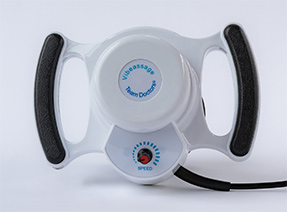
Her recovery depended on thoracic outlet syndrome self-care performed consistently. She used vibration massage to reduce inflammation and muscle guarding, combined with strengthening to restore support. This became a true thoracic outlet self care program rather than sporadic relief.
Education as a Critical Component
Understanding changed everything. Danielle immersed herself in thoracic outlet education, thoracic outlet patient education, and thoracic outlet learning resource material. She followed a thoracic outlet syndrome guide, a thoracic outlet syndrome roadmap, and eventually a full thoracic outlet recovery system. Knowledge replaced fear. Strategy replaced desperation.
A Thoracic Outlet Syndrome Program She Could Control
Danielle’s recovery resembled a complete thoracic outlet syndrome program—including a thoracic outlet syndrome course, thoracic outlet self treatment guide, and thoracic outlet rehabilitation program. She learned how to manage thoracic outlet syndrome step by step, with tools she could use independently.
Digital Learning and Ongoing Support
She benefited from structured learning formats such as a thoracic outlet online course, thoracic outlet syndrome video course, and thoracic outlet syndrome digital program. These resources provided continuity, reinforcement, and confidence. Her recovery was no longer dependent on appointments—it was embedded in daily life.
Coaching, Training, and Mastery
Over time, Danielle approached her recovery like training rather than treatment. She followed thoracic outlet syndrome training, thoracic outlet syndrome coaching, and a thoracic outlet syndrome masterclass mindset. She wasn’t just reducing symptoms—she was mastering her body’s mechanics.
How to Treat TOS at Home and Prevent Escalation
Danielle learned how to treat TOS at home effectively. When symptoms flared, she responded immediately. She prevented escalation rather than reacting to crisis. This proactive approach restored confidence and reduced fear.
Life Beyond End-Stage Thoracic Outlet Syndrome
Danielle still manages tension and listens to her body, but she no longer lives in constant fear. She has tools, understanding, and control. She is no longer trapped in end-stage thoracic outlet syndrome. Her life expanded again.
The Final Lesson of Danielle Barker’s Journey
Danielle’s story demonstrates that thoracic outlet syndrome is not just an anatomical problem—it is a functional, tension-driven condition. Surgery alone cannot fix a collapsing system. Temporary therapies cannot hold without understanding. True recovery requires education, consistency, and a framework that restores the body’s spring-like behavior.
A Message to Others Still Searching
For anyone living with swelling, discoloration, heaviness, numbness, and fear, Danielle’s journey offers a powerful message: even after years of pain and failed surgery, recovery is possible. With the right approach, the right tools, and the right understanding, life does not have to be defined by thoracic outlet syndrome.
Team Doctors Resources
✓ Check out the Team Doctors Recovery Tools
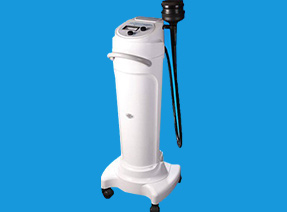
The Vibeassage Sport and the Vibeassage Pro featuring the TDX3 soft-as-the-hand Biomimetic Applicator Pad
https://www.teamdoctors.com/
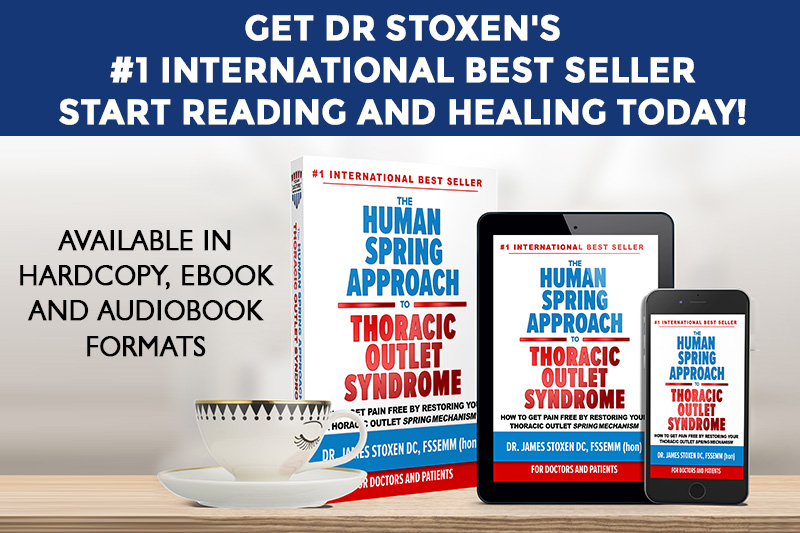
✓ Get Dr. Stoxen’s #1 International Bestselling Books
Learn how to understand, examine, and reverse your TOS—without surgery.
https://drstoxen.com/1-international-best-selling-author/
✓ Check out Team Doctors Online Courses
Step-by-step video lessons, demonstrations, and self-treatment strategies.
https://teamdoctorsacademy.com/
✓ Schedule a Free Phone Consultation With Dr. Stoxen
Speak directly with him so he can review your case and guide you on your next steps.
https://drstoxen.com/appointment/
#ChronicArmPain #ArmSwelling #BlueHand #VascularCompression #TOSLife #ChronicIllness #InvisibleIllness #PainAwareness #RecoveryJourney #HealingWithoutSurgery
Medical Disclaimer
This article is provided for educational and informational purposes only. It is not intended to diagnose, treat, cure, or prevent any disease, nor is it intended to replace professional medical advice, diagnosis, or treatment.
Thoracic outlet syndrome and related nerve, vascular, and musculoskeletal conditions can present differently in each individual. Treatment decisions—including surgical and non-surgical options—must be made on a case-by-case basis in consultation with a qualified, licensed healthcare professional who is familiar with the patient’s complete medical history.
The experiences described in this article reflect individual outcomes and do not guarantee similar results for others. Surgical procedures, including thoracic outlet surgery and first rib resection, carry inherent risks, and outcomes vary based on many factors including diagnosis, timing, practitioner experience, and patient-specific anatomy and physiology.
Readers should not delay or discontinue medical care based on information contained in this article. Always seek the guidance of a qualified healthcare provider with any questions regarding symptoms, conditions, or treatment options.
Editor’s Note
This article explores a patient and family experience following thoracic outlet syndrome surgery and highlights the importance of comprehensive evaluation, informed decision-making, and second opinions when managing complex pain conditions.
The article also references the Human Spring Approach, a biomechanical evaluation and treatment framework developed by Dr James Stoxen, which emphasizes understanding the body as an integrated, dynamic spring system rather than a collection of isolated anatomical structures. The inclusion of this approach is intended to illustrate an alternative clinical perspective, not to discredit surgery or any specific medical specialty.
Mention of specific clinicians, evaluation models, or treatment philosophies does not constitute endorsement, medical advice, or a claim of superiority. Rather, it reflects the editorial goal of encouraging patients and families to seek clarity, explanation, and individualized assessment before pursuing irreversible interventions.
The editorial position of this publication is that understanding should precede intervention, especially in conditions where symptoms persist, worsen, or fail to respond to standard care.

Dr James Stoxen DC., FSSEMM (hon) He is the president of Team Doctors®, Treatment and Training Center Chicago, one of the most recognized treatment centers in the world.
Dr Stoxen is a #1 International Bestselling Author of the book, The Human Spring Approach to Thoracic Outlet Syndrome. He has lectured at more than 20 medical conferences on his Human Spring Approach to Thoracic Outlet Syndrome and asked to publish his research on this approach to treating thoracic outlet syndrome in over 30 peer review medical journals.
He has been asked to submit his other research on the human spring approach to treatment, training and prevention in over 150 peer review medical journals. He serves as the Editor-in-Chief, Journal of Orthopedic Science and Research, Executive Editor or the Journal of Trauma and Acute Care, Chief Editor, Advances in Orthopedics and Sports Medicine Journal and editorial board for over 35 peer review medical journals.
He is a much sought-after speaker. He has given over 1000 live presentations and lectured at over 70 medical conferences to over 50,000 doctors in more than 20 countries. He has been invited to speak at over 300 medical conferences which includes invitations as the keynote speaker at over 50 medical conferences.
After his groundbreaking lecture on the Integrated Spring-Mass Model at the World Congress of Sports and Exercise Medicine he was presented with an Honorary Fellowship Award by a member of the royal family, the Sultan of Pahang, for his distinguished research and contributions to the advancement of Sports and Exercise Medicine on an International level. He was inducted into the National Fitness Hall of Fame in 2008 and the Personal Trainers Hall of Fame in 2012.
Dr Stoxen has a big reputation in the entertainment industry working as a doctor for over 150 tours of elite entertainers, caring for over 1000 top celebrity entertainers and their handlers. Anthony Field or the popular children’s entertainment group, The Wiggles, wrote a book, How I Got My Wiggle Back detailing his struggles with chronic pain and clinical depression he struggled with for years. Dr Stoxen is proud to be able to assist him.
Full Bio) Dr Stoxen can be reached directly at teamdoctors@aol.com